Loading...

businessentrepreneurshipinvesting
061 How to flip 18 mobile homes in 12 months with Jacob
About this Episode
Welcome back,
In today’s Mobile Home Investing Lessened podcast #61 we are talking to active Mobile Home Formula investor Jacob. In 2025 Jacob started mobile home investing in the great state of Louisiana. Since partnering with John and the Mobile Home formula Jacob has been able to buy and sell 18 mobile homes in his first 12 months investing in mobile homes.
In this short year working together Jacob has become more confident investing in mobile homes, knowing how to help mobile home buyers and sellers, and has even transitioned into a full-time mobile home investor.
Jacob is now investing full-time in mobile homes.
Pro Tip: Mobile home investing is not for the weak.
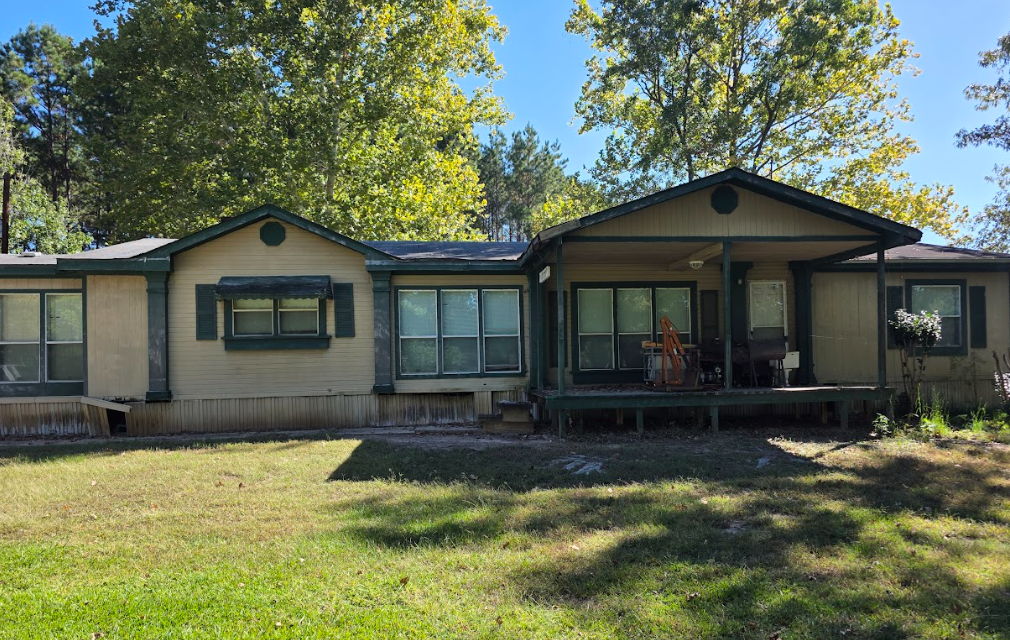
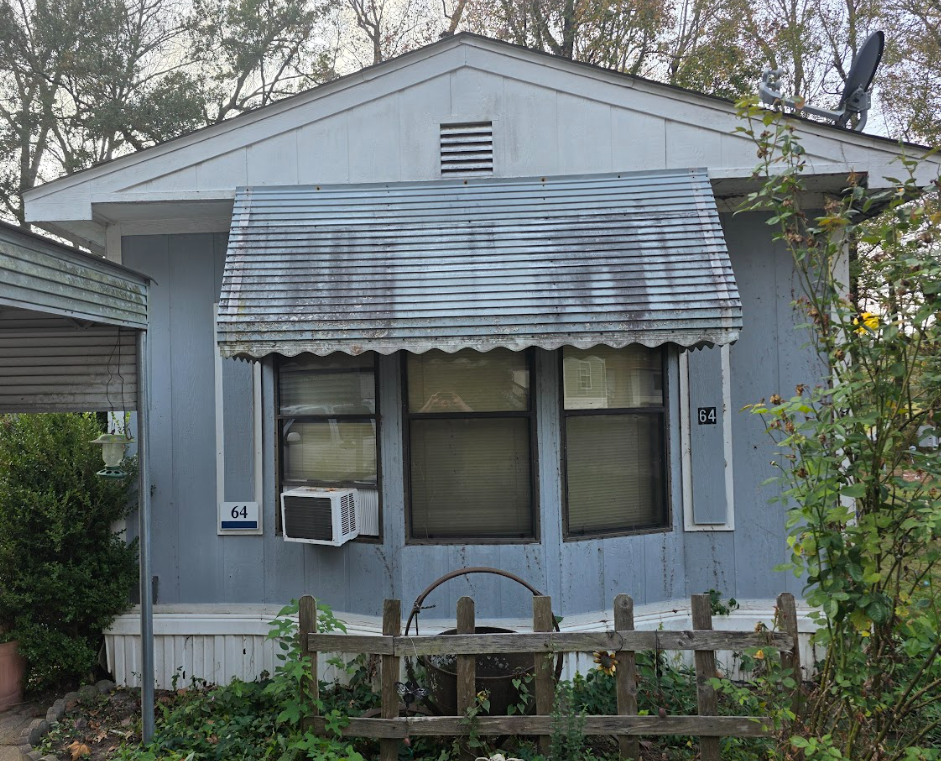
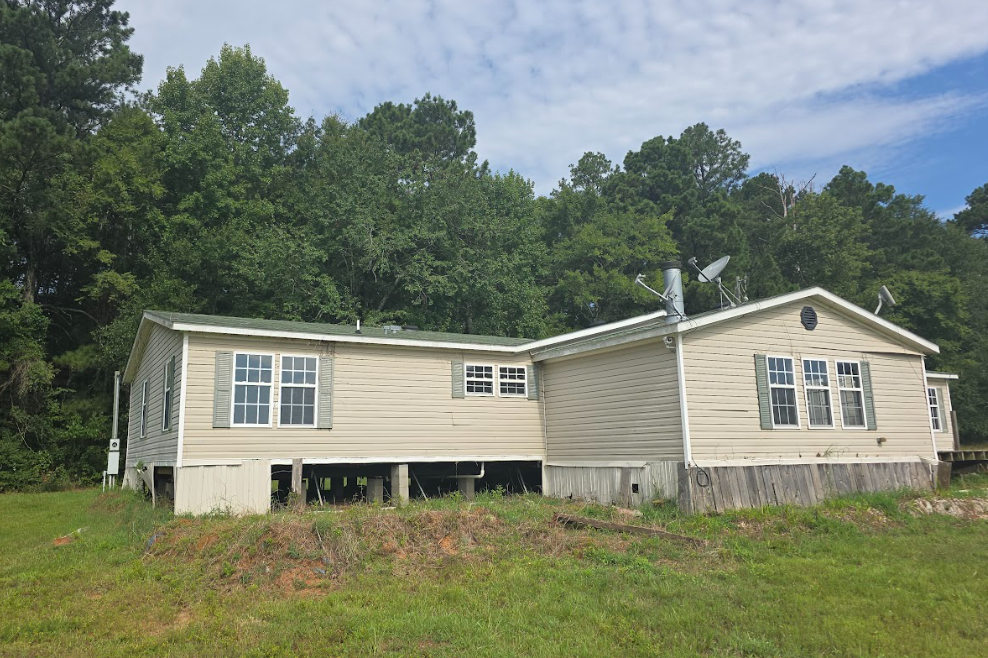
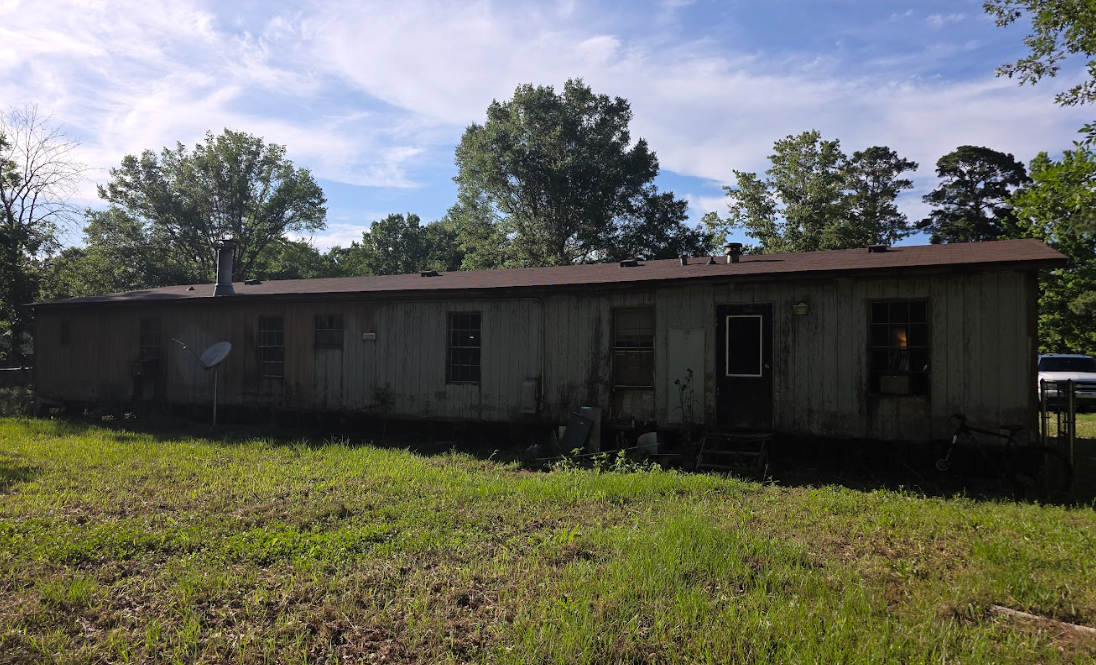
Investing in mobile homes, also known as manufactured housing, has become an increasingly attractive option for real estate investors seeking an affordable entry points and strong cash flow opportunities. This niche within the housing market offers a variety of benefits that make it especially appealing to both new and experienced investors.
Mobile homes also tend to serve a high-demand market. Affordable housing is increasingly scarce, and many individuals and families rely on manufactured homes as a cost-effective living solution. This creates a steady pool of cash buyers and payment buyers.
Strong cash flow potential, over $400 per mobile home monthly, is the goal. Since the upfront investment is low, the return on investment (ROI) can be significantly higher than traditional rental properties. This makes mobile homes particularly appealing for investors focused on generating consistent income rather than long-term appreciation.
One of the most compelling advantages of mobile home investing is the low cost of entry. Unlike traditional houses, which often requires significant capital or financing, mobile homes can frequently be purchased at a fraction of the price. This allows investors to get started with less money and lower financial risk.
Mobile homes also serve a needed demand for affordable housing. As housing costs continue to rise across the country, more individuals and families are turning to manufactured homes as a practical and affordable living solution. This creates a steady and often underserved market of buyers and renters. For investors, this demand translates into fewer vacancies and a consistent pool of interested prospects.
Flexibility is another key advantage of mobile home investing. Investors can choose from a variety of strategies, including buying and selling homes for a cash profit, renting units for monthly cash flow, wholesaling, or offering seller financing to create even greater passive income streams.
Mobile home investing also typically involves simpler transactions and faster turnaround times. Since the lower price points and often less complex financing, deals can be completed more quickly than traditional real estate purchases. No bank. No 3rd party underwriters. No title companies. This allows investors to scale their business more efficiently and reinvest profits into additional affordable mobile homes.
Another positive aspect is the ability to add value through improvements. Many mobile homes can be enhanced with relatively low-cost upgrades such as new flooring, fresh paint, or minor repairs. These improvements can significantly increase the home’s appeal and resale value, allowing investors to boost profits without large renovation budgets.
Finally, mobile home investing provides an opportunity to make a meaningful impact by offering affordable housing options. Mobile home investors play an important role in improving the quality and availability of housing for individuals and families who may not have access to traditional homeownership. This creates not only financial rewards but also a real sense of contribution to the community. We always aim for win-win-win transactions.
In conclusion, mobile home investing offers a range of positive benefits, including low entry costs, strong cash flow potential, high demand, flexibility, and the ability to scale quickly. For investors seeking a practical and profitable real estate strategy, mobile homes present a compelling and accessible opportunity. With the right approach, mobile home investing can be a highly profitable addition to a real estate portfolio.
Love what you do daily,
John Fedro
Hosts & Guests
Transcript
Especially that first deal, you know, I should have mentioned that, but that first deal that I did whenever, you know, I sold it in a few days and I was like, 23,000, what are you saying?
There's no way this is a thing. Like there's no way this is real. I just, I felt like I needed to do something more. I needed to be able to, I want to spend time with my kids and, and be able to take them places and do things with them and not just work 40, 50 hours a week for someone else.
Someone else is Tom and, you know, take that away from my family, along with just, you know, essentially live and paycheck to paycheck and, you know, a little bit of savings, but not really getting ahead, you know.
I didn't even think that what I set my goal for would be possible by the end of the year. And here it is almost September, and I'm almost there. And so it's like, man, and so that makes me think, okay, well, if you can do that, what else can you do?
Welcome back to the mobile home investing lessons podcast with your host, John Fedrow, tune in weekly plus listen to past episodes designed to make you money, save you time and give you confidence as an active mobile home investor.
Now here's your host, John Fedrow.
This is awesome. This is, this is super cool. We're going to do something different here today for the folks listening. We're doing an interview with Jacob today, and then we're going to do one in six months to do like a, you know, what's changed?
What's going on? What's, so I think that'll be, that'll be pretty cool.
Jacob, you nervous?
Absolutely.
Perfect. Perfect. The whole world is watching you right now.
No pressure, right?
No pressure. Now it's just us weird mobile home people. So you're in very good company.
Okay, let's get started. I'll ask you questions now, and then I'll ask you questions in six months. Welcome everybody. This is John Fedrow with the mobile home investing lessons podcast. I'm super happy to introduce Jacob to the microphone hot seat today.
Jacob, thanks for being here.
Yeah, thank you. Thank you for having me. It's really an honor.
What month and year did we get started investing in mobile homes together?
So we got started, and I believe it was early March, 2025.
Okay, and then what month is it and year now?
This is the very end of August on in 2025.
Yeah, perfect. Both those things are correct so far, knocking it out of the part.
My name is John Fedrow.
And my name's still Jacob Patrick.
And it is now six months later. We are six months older, Jacob, from the previous video that we did. What is the date or the month in the year?
This is April. I think we're about halfway through on the 15th of 2025.
Oh, whoa. Oh, I'm so sorry. 2026.
You were talking about the previous six months, and I'm thanking you.
Now, I believe what is the bottom?
Now let's go.
How many mobile home deals have you done in the last six months?
So I actually just did another one a few days ago.
I don't even think I told you about that one and that makes number 12.
Oh, you crap, dude. Yes. Right on Jacob.
roughly how many deals are the last six months, the previous six months from zero months to six months
working together 12 deals bought and sold or that you're working on. So the previous six months,
those now the previous six months has been from basically December or not what like November-ish
to now. So it's got three months. And so yeah, what have you been seeing the last six months,
what if the deals looked like or how many deals have you completed?
So in the last six months, I was looking, going back and looking in it. I didn't, I thought there
was less than this, but I actually have, I guess I have six deals that I've completed six and a half,
I guess, because I did JV on one with Lundale. So it depends on how you count that one. It could be
seven if you count that fully, but yeah, six to seven. Approximately profit-wise, dollar-dollar-wise.
What's been the most profitable and least profitable deal in the last six months? What's that,
what's that range? Okay, so the the least profitable deal for sure, I made $500 on one,
but hey, I still made a profit. So I was still still happy about that. It wasn't what I wanted,
you know, but that was one that made a mistake on. I thought that someone was ready to purchase.
And so like I thought I had a bar lined up basically. And so I was like, oh, hey, I found this deal.
I'm going to go do this. And this was still pretty early on. And I was I was trying to kind of,
I guess, impress you. I was like, I'm not even going to tell John about this. I'm going to just tell
him after the fact and let him be proud of me after I did this thing. And then it just it went
downhill. But I mean, it wasn't terrible. I purchased it. I found a buyer and like I said, I made
$500. So a lot of lessons learned on that one. You think you would have done that one now?
What was the thing that didn't, well, I'll say firstly, for people listening, we normally never
just buy one home with one buyer in mind. Like if you buy a home or get a home under contract,
that should be attractive to the general public. I mean, yeah, maybe give the guy you're talking
about first crack at it, but you know, it should not be something that just one person is looking
for. It should be an obvious deal. So yeah, what was the issue with that fight? What was the
problems that nobody wanted? I think the main issue was it had the the siding is probably the least
desirable siding on mobile home. The, uh, you caught press board, I think. Pressing correct. Uh-huh.
And a lot of it on the bottom side was rotten, where the, uh, where the curtain goes, but then
there was also several other pieces on there that had rotten spots like under a window. Like it
had been leaking and it had a big rod and spot where it's all coming off. And it's just, I guess
it's just unattractive to people. Now, I could look past that. And also on the inside, the inside
was pretty solid. It had a couple weeks by the front door and rear door where a little bit of sheet
rock would need to be replaced. Uh, and a few other little cosmetics, but the house was solid. So
I was looking at the solid home and was like, you know, this is, this is pretty good. But then once
I went to, uh, research and cost aside and redoing the whole side and then stuff like that. And I
was like, oh, okay, I see now, uh, people don't really want it. Plus it just looks unattractive.
It does. And it's, it is odd. I've learned that years ago with that, with that press board siding.
It is a weird, uh, it is a thing that is like a deal breaker for people, which is, you know,
um, which is weird because you wouldn't think it would, A, it doesn't look that bad in my opinion.
And even if it is rotted on the bottom part of it, I'm dealing with that now where,
actually, I'll show a picture because I'm about to fix it. It's like two feet up on the entire
double wide. But the whole, we're just kind of two feet putting in new press board and then maybe
a trim piece. Yeah. And then that'll, that'll fix everything. But, um, but yeah, that is like people will,
uh, especially if it has to be moved. If it can stay in the park, they're cooler with it. But if
it has to be moved, they don't love that press board as much. Yeah. But eventually it's old.
And then the most profitable deal, the most one, man, that one was, uh, that one was good. Uh,
it was, uh, I got a call from a guy and, um, his mother had had passed, so, you know, that's,
that's tragic. Uh, but, you know, that's what we get. We get these kind of situations. Uh,
people needing help and things like that. And, and he was from two states over, actually,
and he had been in, uh, and this, she had passed several months back and, uh, they were still trying
to clean up the home and the home was on someone else's land and, uh, the landowner wanted it
moved off. And, uh, and they just wanted, you know, I talked to the guy and he was like, we just
need a little bit for, uh, the expenses for the funeral and all this to kind of reimburse and, uh,
all that stuff is like, we just, we just need to go home. The landowner wants to go home, you
know, all this stuff. So, uh, we negotiated the price on that one. And, um, uh, I spent about,
I think three hours worth of work, uh, cleaning it up, uh, just back human and getting trash out of
it. And I, and I was all I did. And then I listed it. And I think within a week, I found a buyer,
and, uh, that was a $27,000 profit on the deal. Great work. Profit. Yeah. That's like a full-time
salary for people or, uh, you know, minimum wage. That's crazy. It's amazing. I couldn't believe it.
Uh, you feel free to be as brief as you want or as thorough as you want. But what's been the
most and least profitable deal in the last, the what the, I think you said 10 that you've done
in the last six months, do you say 10? The last, oh, wish. No, uh, six or seven. Okay, six or seven.
That's right. That's right. The last six and a half, yeah, what's been the most, maybe they've all
been similar, but yeah, what's been like the most anything that comes to mind the most and least
profitable? Uh, yeah, the most profitable was, uh, double-eyed that had to be moved, uh, almost got
it for free, actually. Uh, but I ended up giving them, I think we agreed on five grand because they
wanted to keep their AC unit because they were going to build a barn to many of them. And, uh,
they had just put the AC unit in last year. So I don't want to buy AC again. I'm just going to take
this and I was like, uh, uh, I want them to go with the home. Let's see if we can figure out. And so
anyway, uh, did that and, uh, ended up making it was almost 22,000 on that home. Holy smokes. Oh,
that's beautiful. Yeah, that was a good. Interesting the kind of work you can do. And I'm imagining
that you spent just a few hours. Actually, that is a question like from the time that how many hours
or minutes do you think you actually had like in the deal? In that whole deal. That was probably one
of the best deals as far as low amount of time working on it and amount of profit. I actually
didn't do anything to that home. Uh, the lady was still living it and they were living in it. Uh,
she was living in it up until the weekend before it got moved to the, uh, new buyer's property.
So I actually did the whole deal on that one while she was still living in the home. Okay. Is that
different? Okay. I was just going to ask you normally they're they're vacant. Yeah, normally,
normally they're already vacant or they're about to be vacant and we do the deal, you know, as they're
moving out or whatever the case may be, but yeah, that was that was a little different. Very cool.
What I'm hearing is like it seems like there's kind of a like you can like home run or a base hit
or like, you know, you can do like you can have a home run deal or like an average deal, a base hit
kind of a thing for like the profit that you make. Like, man, that deal was a home run and then
other and then also another equally important thing is like just how much headache is involved.
Because, you know, you might have a home run deal, but it took a lot of headache and you might
have a home run deal that took no headache like the one you said or the home you're sitting in
right now, which is it seems to be taking more work. That one's I think is more headache because
you're doing more of the work and this is the one you're sitting in is actually in a park. So
you'll be selling it on payments, right? Yep. That's one. Just interesting to see all the
different. I mean, no, none of us are doing home run grand slam deals every single one, but it's
you mean, but you have to be in the business to be doing some base hits, some, you know,
triple plate with I'm not a huge baseball. Triple level. Thank you. Yeah, yeah, yeah, no. So you,
you know, and then I just wanted to compare that and say that out loud that, you know,
and it's not right or wrong. It's not like, oh man, you shouldn't do the deals you're in now.
You know, it's like, you learn from each one, you improve and they're still very profitable.
Okay, so that was the most profitable one in the last few months. The least profitable one
or the most headache one or what? Well, the least profit as far as just least profit was
was actually the JB with with me and Wendell, but it was it was a, I guess almost like a trial
with us a partner on one because he didn't like the drive a long way and he called me and he's like,
hey, you know, I got this deal and it was a little further than what I thought it was. It was about
three hours away. I was thinking it was about two and he's like, hey, I got this deal. If you're
interested in going down there and closing it, you know, we can split it and I was like, sure,
I'll go make the drive. And so I did and we couldn't get the title to that one. So we had to take a
discount on the sale price and all that, but but we still made, I mean, my part was three
grand, so I made three grand. So, you know, not terrible. I probably, you know, don't want to drive
that far to make that. But, you know, everything's a learning list and you know, you don't know until
you try. And so that's just how it turned out and it was fine, you know, we weren't a little bit
and anyone, I mean, I'll spend a day down there cleaning it up, taking pictures,
stuff like that, or like half a day, closing the deal, cleaning it up, taking pictures,
and then driving home. So I didn't have a time in it. So that's it. Yeah, we talked and laughed about
that one. All the clean. Yeah. Yeah. Yeah. What is the that's a good segue for like lessons learned
the last six months. What is the, if you had to pick one, what is the single biggest lesson
that you've learned in the last six months? You know, I tried to anticipate some of these
questions that you would ask me and try to kind of prepare myself, but this is not scripted by
the way he would not give me questions beforehand. So he had to put me on the spot. I don't know if I
could say the biggest lesson because I've learned so many and I've learned so much over this
amount of time. The one thing that sticks out to me the most I would say that I can think of right
now is just taking action. And I don't know how else to say it besides that, but you know, I was
scared to start with and nervous and had no idea. I mean, I've been a W2 employee for 15 years,
and so this is this is very new to me. You know, a lot of people have been in this and doing this
a long time, and they're just used to it. And I am not. And so it's very different for me. And
also, you know, I have a, I have a mortgage. I have three kids. I have, you know, people that
depend on me. And so I can't just jump out there and just, you know, hope it works, you know,
which I mean, I kind of did that, but I'm still at my W2. Now I've taken Tom down on my W2
and my job has worked with me on that. So they're doing their help with me. So that that helps a lot.
But mostly just, just taking action, as I can say, just taking action, just doing it. Just,
it doesn't matter if you can't wait for the perfect time. There is no perfect time. You have to
just do it. You have to just jump in and figure it out as you go. And if you fail, good, you aren't.
Now you figure out what not to do next time. And then you go do it again. Don't get scared. Just go
do it. And so you're going to make mistakes along the way. And it's going to be rough and it's going
to be hard, but just just taking the action is what matters the most. It doesn't have to be. I
think maybe you said this, but messy imperfect action is better than no action or something along
those lines, but that that's probably the best biggest that I've worn so far is just taking action.
Massive imperfect action. Yeah, in the right direction. What is, yeah, start making money,
then you can, you know, perfect things or clean things up. What is the second, I say,
I didn't want you to just pick one. So what's the second biggest lesson that you think you've
learned in the last six months? You know, just just what comes to mind right now. If I really
sat down and thought about this, I may, you know, have a different answer, but right now what I would
say is it's networking, talking to people, talking to, you know, I know you say this a lot,
but I feel like I haven't done this enough and talking to part managers. I feel like I haven't,
I haven't done that enough. And in this area, I feel like it may not work as well as in other areas,
but part managers talking to people, people that are interested in your home, if they don't want to
buy it, you know, asking them why, asking them what they're looking for. I've met so many realtors.
I've actually had, I know one, I want to say I've had two realtors purchase homes from me.
And, you know, I've met a lot of realtors around here. I've networked with a lot of people
and just networking, you know, a lot of times it's not about what you know about who you know.
And I've heard that a lot and I'm starting to understand that a little more. So just networking,
the more people you talk to, the more opportunities that will come your way. The more you get yourself
out there and, you know, learn and just, because I use it too from like people that want to
purchase a home from me and they don't want this one. And then I figure out what they won't. And so
now that tells me what people are looking for. If I put a home out there for certain price,
I'm not getting anything. And I realize, okay, well, that's not going to sell for this price. I've
got to drop it down. And so it teaches me a lot and it just helps me along the way.
Uh, as yeah, good or bad as they like, what's two, like the lessons that you've learned in the
last six months that, and they might just be for you. They may be across the board. But yeah,
what are the two things you can come up with? Well, I'm looking at my notes real quick.
I'll take a second. I have some stuff written down for that.
So, you know, that that was actually one of the questions that I was trying to find the right
answer, I guess. And I know there's not always like a right or wrong answer. But the two are some
of the lessons to most important lessons that I've learned is one, I think, uh, deal flow is
probably, you know, that's most important overall. And whenever I, uh, you know, I start spending
more time in the business, but I immediately went into working on the homes while my focus on
deal flow went down. And so I think that, you know, if you're going to do it, I think there's a
time and a place to do some of the work yourself, for sure, but minimal. And, you know,
here and there and in certain situations and stuff, but you need to focus on your business or
you're not going to grow, you're not going to scale. And, um, if you don't have deal flow,
then you don't have business. So focusing on deal flow, I think, is probably, you know, the
the main one there as far as lessons learned. Uh, and then let's see, what would I have on the
other one? Um, would you say that takes like a few weeks to then ramp back up? You know, it's not
overnight, but it's not like six months down the road. Like it takes a few weeks to get the call
start, you know, coming in like they were or something like, oh yeah, oh yeah, it definitely does. I
mean, uh, you know, I'll put out signs that that's what I do. Uh, now I've gotten some from a word
of mouth from other people here and there and stuff, but for the most part, I put out signs and,
and I've had some signs, they, they stayed there for months, they stayed there for a long time and,
and somebody will call and say, hey, I'll start your sign at the corner of whatever I'm like, man,
huh, that's been a month since I put that time in life. And so when you're, when you're doing this,
like you're planting the seed, you know, you plant that seed and that tree might not grow for a long
time. But when it does, it may produce something and, uh, and it helps, you know, uh, and then
sometimes it's like, yeah, I go put them out and then or get somebody to put them out and then
within the next day to week or a couple of weeks or something is when they start really kind of
rolling in. So it's, it's normally within a few days to a few weeks, it's kind of when you,
when you start seeing it, or my experience, um, but some of them, you know, those outliers,
sometimes it takes a while, but they're still there. So it's good. I like seeing them when the
grasses mode. And then my sign is still there. Like somebody put it back in. I know it was,
there was one that I thought was, was funny. They were doing a whole bunch of construction
on the side of the interstate. And they had, you know, just orange dirt everywhere and they'd
redone all kinds of stuff. And it was just, you know, a bunch of work. And then right on the edge
of it, I mean, like less than one foot on the edge of a big dirt pile is still my sign sitting right
there. Okay, look at that. They didn't tear my sign up. Thank you. I couldn't believe it.
That's nice. The little things. Sorry, cut you off. Was that, um, was there another big lesson?
Yeah. Yeah. I had to look back at my notes. It took me a second to remember. We've been
talking about a lot, but the, the other part, it kind of goes hand in hand a little bit, but,
you know, I'll, from the beginning, I wanted to focus on long-term cash for it.
And that's been, of course, I've learned a lot, you know, and that's been one of the things that
I did not know or understand enough about it, I guess. Of course, my park is a very unique
scenario, very unique situation. But in my experience, I focus more on the long-term cash flow,
I'm getting through that and building that up. And didn't worry enough about the active income,
the active, uh, steady money coming in, like, that's what that is, right? What I haven't got
that yet. And so until I get that, I have to worry about right now. And so I reinvested heavily
and focused heavily on, you know, the long-term on building that and, and it hasn't been completed yet.
And, and I will also focus on my active. And so that, that hurt a lot. So be careful. If you're going
after long-term cash flow, I think it is a very good thing, but you have to be careful,
you can't just lose sight of your active income. Great, great reality check.
Even at this, I mean, even at, well, I'm not a huge level, but like, I mean, I have a number,
a couple of handful of parks, but like, you need money coming in. Yeah, there's a lot of capital
expenses when you, when you own a park. In fill, of course, and then just, yes, expense,
crap that pops up here and there that you have to pay for. Yeah, yeah, yeah, that's stupid.
Like, there's glory for this. I'm not even going yet. I thought, what was I going to go on?
It wouldn't be expense, basically. No. I wish.
That is a very huge lesson. And it's kind of cool and kind of, I mean, you have to juggle
between these two balancing acts of, yeah, the long-term plan that's sort of lower to roll out,
but it's yours and it's, yeah, you're not paying lot rent. You own the land. And then the other
flips that you have to keep bringing in that money. Jacob, what's been your experience working
with handyman over the last six months? Please explain. It's been rough, I guess.
So I think I learned early on. I'm very mechanically inclined. I'd like to think that I'm
fairly smart. I have common sense things like that. And I've been around construction before
when I was younger, my brother, my brother and wall, that's all they've ever done. And so I've
been around it before. I've done a few things. I'm definitely wouldn't call myself a carpenter
or anything like that. But I can, I can figure things out, right? But I think I learned pretty early
that it's not a good idea for me to do that. My time is way more valuable, negotiating deals,
finding buyers, finding sellers, talking to people. That's, you know, running the business aspect
of it is, is where my time is way more valuable. So I quickly, you know, I didn't really do
anything unless it's just like cleaning some junk or some trash out or doing some little bit of
cleaning or, you know, something like that. I'm not going to do it. So I hire almost everything out.
And I've went through a few people. I've had a few people that has done some pretty decent work for
me. But I gave them a second. They kind of didn't do something. I would say so that that house and
that piece of land that I moved up there. And I said, you know, I did a bunch of work to it.
So they, they did almost all the work to that. And they did a, I would say a fair job. It wasn't
terrible. But when it come to, you know, getting 90% completed. And I'm a, I like to think of myself
as a trustworthy person and honest. And, and I guess I don't think that people will take advantage of
other people because I don't think like that. So it doesn't cross my mind to begin with, you know.
And so I ended up, they, you know, always need money, need the money, need the money,
so I ended up paying them the rest of the money. And then it stayed 90% complete. And the rest of it
never got completed. And so I worked out a deal with them on the next one. And ended up basically
the same thing happened on that one. And I had to hire someone else to come in and basically finish
the work that they didn't complete at the end. And also, you know, it's going to be done this day.
But then that day turns in the next week and then two weeks. And so, you know,
handyman are hard to find. Good handyman are hard to find. The process still makes sense.
Even if you have to deal with that versus hiring a contractor to me, it just still makes sense.
So you just got to fumble through them and try to figure it out. But, you know, I haven't had
terrible experience, I would say. I do have another guy that does quite a bit of work for me,
like little miscellaneous stuff and does it charge. I mean, charge is very, very reasonable.
I don't have a problem paying him to do anything because he's very reasonable on price. And he's
always upfront honest and never really had an issue with him. And then I just recently had another
guy that I'm getting to do a little work for him right now. So hopefully we'll see how that one
goes. So hopefully he does good, but, but vetting the handyman and just staying, I would say staying on
guard. I kind of get friendly with people, I guess. And then I kind of let my guard down. And then
I think at that point, they feel like they can take advantage of me. And I'll let it happen. And
so I need to get better with that for sure. But overall, not a terrible experience, but have
warned a lot. So far with all the mobile homes that you've worked on or that you've done,
is there an average type of deal? And if so, could you explain? And if not, that's fine as well.
But anything that comes to mind, like average profit that you're looking for or just average.
Well, okay, I guess I could say this. I don't, I try to look for nondis or newer three bedroom
single wise, honestly. No, no double. Well, so let me back up. So in this area, at least from my
experience so far, I feel like the way we do it is a little different than what a lot of people do
because we don't do much in parks. We, we find homes that are owned private land that they want
the home off of the land. And we negotiate the deal, you know, however. And then we find a buyer
and we get the home off of their land. And so I feel like there's a little more work to it. And
it's a little, an orthodox, it's a little, a little different, I guess, because if it's in a park,
you don't have to deal with the moving, you don't have to deal with all that stuff. And
feel like it's a little easier doing it that way. But I haven't done a lot in parks. I've done
mostly homes that need to be moved. And so I guess it's not necessarily that's what I look for.
That's just what I get. And so I just work with what I get. And but, you know, I look for
nice, clean, 90s or newer, three bedroom, single-weds or double. Double just is a different
criteria because you have to account for the cost of the move and double-wise a lot more. So
but yeah, I mean, just a solid structure. I try to, you know, I think at this point, I figured out
I can analyze what's wrong with it versus how much that's going to cost, how much they're asking for,
and then, you know, what I can resell it for if I need to put any money into it or not. And so
I've kind of just, I guess, made a little bit of a formula for that myself. And so I, you know,
that's about it. I look for that. And I look for about a seven to ten grand profit on the deal.
I shoot for that. I don't always get that. But that's kind of my willhouse, I guess, is what I'm
looking for. I like that you said, I mean, that you get, most of us, we take what we can get.
Assuming it's a good deal, we can make it into a deal. But what comes across our desk, I mean,
and as we get bigger, as we advertise more, more people know us, other things will come across your
desk. But get it, take, take what you can get. That's it. That's it. Good deal.
I'll go into the next question here. Your average deal in the first six months that we talked,
I asked you, hey, what does your average deal look like? And you painted a picture and then you
mentioned about, you know, average deal being like seven to 10,000 in cash that you could walk
away with because these flips and assignments. What, so past six months, what has, has the average
deal looked like for you? And I think you sold that one on land. You had a property on land
that was one of your goals to get sold. Tell it, yeah, in the last six months, what's been,
like, is there an average deal or has that changed? So since I kind of shifted what I was doing,
you know, in two of the ones in the past six months, I sold in parts on payments.
That's a little bit different than, you know, selling for cash and all that. And so,
you know, with average deal, the first thing that pops in my mind is like bread and butter,
right? So what's what's the average deal that looks, the average deal for me looks like a 90s to
early 2000s, either single or double wide own private land to be moved. That just seems to be the
majority of what I've done, but also like when I see that, I'm just like, oh yeah, like,
that's it right there. Like, I know that I'm going to, I'm going to help somebody out.
I want to get somebody a good home and I want to make some money. And I'm going to do it
pretty quick. And so that's, I would say that that's my average deal. That's what I think of
whenever you say average deal anyway. I think you like out of your whole career, you've done more of
those, you feel comfortable in that little walk out. It's so cool. There's so many like niches
within this niche or like if you wanted to and it's not like you're specializing in that,
it's just that, you know, things come to you and you in your area, you happen to get a little
bit more of those. But all around the country, people are moving these homes. They need to get rid of
them for good reasons, bad reasons. The okay, so then would you say that the last six months,
like the winter months, the ones that you did flip or consign, was it about that same price range,
like walking away with seven to ten. It was the most part. Yeah. Yeah, for the most part.
It's a state pretty consistent on the average, yeah. And then the one on land, we talked about,
I asked you last time, what were your three biggest goals? You said sell the home on land
that you got a home and land package that you sold together. How many days on the market
was that on the market before you? It was a little while, but also we listed towards the end of the
year. I think we went under contract in December, but we listed mid-October, so I think we were
somewhere around 50 day on the market. I mean, didn't that great, but I guess it didn't terrible
considering, you know, you're going into December January. Was it cash buyer? So they got
finance, actually a local bank finance. What has been the single toughest part of this mobile
home investing business? I would say a lot of it. A lot of it. I mean, there's probably a few parts
to that, but the most I would say is, and this may just be a personal thing because I still work my
W2 job and I have young kids that I try to be there for and spend time with and things like that.
And so when I pull back a little bit now because I've kind of figured out things a little more now,
but even still now, but especially in the beginning, the time. The time that it takes to do everything.
I mean, I'd get up in the morning, go to work for eight, nine hours. I leave work. I'd run around
for two or three hours after work. Sometimes I wouldn't even see my kids before they got put in bed.
And I would only see the kids on the weekends, but it was only a half a day because I'm spending
half a day, you know, going out and doing stuff in the business and things like that. And so
sacrifice quite a bit of time with the family and personal time and things like that in the
beginning. And I still am, but I've learned to manage it a little bit more, but I just know
there's going to pay off because I put the extra time in now and work on a more car for it.
Then, you know, hopefully in the near future, it won't be too much longer that I won't have to
put that kind of time in anymore, but I would say the biggest thing is probably the time that it
takes. And a lot of doubting, second guessing, not many people understand what we do. And so when
you try to explain it to people, they don't really get it. They don't let them understand, like,
what do you mean? You know, you're not flipping a house or you're not renting a house? Like,
what do you mean, mobile homes to be moved? Like, what is that? And so, you know,
when you try to explain it to someone and they don't understand it and it makes you think,
man, am I really like, is this should I be doing this? You know, kind of kind of some self-doubt,
but then, you know, people close to you, not necessarily discourage you, but they just don't
fully understand. So they're just like, okay, you know, and then when I tell them what I've been
doing and the deals I've made and some of the profits and they're like, I had no idea that you
could do something like that with mobile homes, you know? And so that's reassuring. But a lot of
times there's a lot of self-doubt. There's a lot of second guessing and am I on the right track? Am I
doing this? You know, is this the right thing? But then you get that next deal and you're like,
oh, of course it is. Why was I even doubting that, you know? It's so funny how quickly that can,
like, seep into our brains. Like, even if I'm not getting a deal in like a month,
and I'm like, what is all the market's done? Like, there's no more investing. Oh, no, like, what
do you know? And then no, like, you know, when it rains at pours or ebbs, and then it just comes in,
but it's funny how that creeps in even after like so long. It's like, what's it? Yeah, it's human
nature. We got them not alone on that. That is a good segue. Here's another question. Have you seen
or what changes have you seen in your family, friends, or yourself in the last six months now that
you're successfully investing in mobile homes? So I need to do a better job. I know a lot of times,
you know, you're supposed to keep things private. You're not supposed to talk about, you know,
personal things and things like that, but I don't with a lot of people, but some people I do,
and I just, I'm happy, you know, I'm happy. I'm proud and I'm excited. And so I want to share,
you know, and so I share with some people and stuff like that, but I've seen I'm much happier now.
Nothing, nothing against my job or anything like that. The people are great. The owners are great.
It's a great place to work, but just being away from that environment has made my stress level go
down, and then also making a lot of extra money in the business has made my stress level go down,
and I can, you know, sit here on a Thursday morning and not have to worry about going to my job,
and, you know, sit here and talk to you on this, and that's a very freeing feeling, you know,
and so I think I have another level of confidence that I didn't, even though I still doubt a lot of
times, but I have another level of confidence that I didn't know I could have, and almost feeling like,
because I set certain goals for myself, and especially when I started this, I set certain goals,
and like by the end of the year to be a certain number and things like that, and I'm pretty much
almost there, and I'm like, oh, I didn't set the bar high enough. I should have reached higher,
you know, like I didn't even think that what I set my goal for would be possible by the end of
the year, and here it is almost September, and I'm almost there, and so it's like, man, and so that
makes me think, okay, well, if you can do that, what else can you, how much further can you go,
how much, you know, higher level can you reach, so just pushing myself and driving, and I think
everyone around me can see that it's been, it's just been positive, you know, there's been times
where it's been rough, and I've been, you know, not happy, and I've had some things go wrong with some
deals, and been pretty stressed about them, but they ended up working out, and everything was good,
so I would say overall, it's just been, it's been positive, I've been able to lower my stress
level and have more confidence and be happier, and then when I'm like that, my family is like that,
you know, they feed off of the energy, so yeah, it's been good, and it's been, it's been very positive.
You've put in the time, like that is so cool, I have goosebumps, that you have time now,
but you are sacrificing, I mean, you had to make the choice with everything you have to
doing, okay, I'm gonna add more to my plate temporarily, to then have like, you know, a way
better life for the rest of the, I mean, we still have, hopefully, many more decades.
Yeah, I think so, dude, that is, man, great, that would have, you have to go, like it has to get
harder to get better, kind of like, you have to get, you have to be a newbie in something,
you have to learn, you have to make mistakes, you have to sacrifice, sacrifice, and then it gets
better, and, but man, that is, we all have to make that decision, or not make the decision,
and the decision is made for us, and we end up, you know, 80 years old, which is exactly what,
someone, I can't remember who said it, but the richest place in the world is the graveyard,
for all the people's ideas, that they never, I can't remember how, I'm gonna watch it, but basically,
everyone's ideas and dreams go to die because they never did anything about, they would have done
something about it, you know, when they were alive, and so I keep that with me a lot, and try to
make sure that I'm doing, you know, I took that leap, so now I just need to keep on that path, you know.
Once you get a home on the market, you know, it's ready to be sold, you have it on the market,
how long, granted, I guess you've been investing in the summer time, like, you know, for the last
few months, it's been sort of spring and summer, how long is it, how many weeks or days does it take
to sell the average? So, I feel like the, so I've been a technician on my life, and we work off
commission, right? Well, there's towns of the year that are slower, there's towns of the year
that are busier and things like that, so I'm used to that, and what I'm seeing and noticing so far
is the mobile home business mirrors the automotive service side anyway, pretty close, so like, when
school starts back, it slows down a lot, you get towards the end of November, getting closer to
Christmas, it slows down a lot, first of the year, it's kind of slow up until about mid-January or so,
and I mean, that's kind of what I'm, what I'm learning so far anyway, but when I, when I first
started, it was what I guess early spring and summer, I'm a very impatient person, let's go
right now kind of thing, and I think I've told you about this a few times, but I went back and
looked, actually, I ran it a couple weeks ago, and my average day on the market listing is like
28 days, so I've had a few that sell within a week or two, I've had I think two that went about
50 days, but for the most part, it's under 30 days, and you know, statistically, that's pretty good,
but for me, it's on there like six days, and I'm like, what is going on? I haven't sold this house,
I've got to drop the price, I've got to, I've got to pay for more marketing, like what is going on?
It's not selling, but in reality, it's not really that big of a deal, you know, it can go,
you know, it's not uncommon to go up to 90 days, so, but yeah, not a amount of went that far yet,
but it's been in spring and summer too, so I guess we'll see going into fall winter months,
you know, how that changes. What's been the single hardest part about this business currently,
that we maybe if we haven't talked about it already? Yeah, I mean, we probably touched on it already,
but, and this is 100% self-induced, right? But basically currently, the hardest part for me is,
since I've shifted to doing so much of the work myself, I've taken on, you know, rehab projects,
and I'm not able to focus on the other part of the business, the deal flow, you know,
all that kind of stuff, so thinking I can take on everything by myself and do everything,
and still be able to grow and scale and do everything that I, you know, should be doing,
it just doesn't work like that. So definitely scaling back on some of the things I'm doing,
and focusing more on a lot of what I was doing to begin with, that I knew was working,
and it was making me successful. So that's, you know, that's, that's, anyway, that's my answer to
the question, I guess. That's huge, man. I mean, it'd be different if you didn't have family
obligations, or other, I mean, if you could do this business 100 hours a week, then okay,
there's enough time to do maybe everything, but that's not the reality for most of us,
yeah, be swinging a hammer, and then also just the reality of what was working the first 12
months that you don't have to fix them up always, you had good buyers that were happy that to buy
them in the condition, you know, where they'd be for the first six months, and the buyers are happy
to buy them in the condition after you fix them, in that, like, you have happy buyers whether you
fix the home, you have happy buyers, if you don't fix the home, you know, it's priced accordingly.
Yeah, I think my deal is just that like, okay, well, they're buying it, they're buying this
home like this for this price. Well, if I improve more, I'll be able to sell for more, you know,
but by the time I spend more on materials and all the time that it took me, you know, it maybe
I made a little bit more, but it definitely wasn't worth the time and effort that I put in.
Well, for cash, that's a little bit of an easier pill to swallow. Hey, it took me a couple
extra months to sell, but I made an extra such and such in my pocket versus payments where
you're seeing that money seven years down the road. Yeah, yeah, if you get your money back in
12 months or you get your money back in 36, that's a big difference. But you can typically only
charge like for a three-bedroom, you can only charge so much, you can't double it just because it's
nicer. That's right. And people only have so much to put down, and you'd rather more people
than less people interested, so you don't want to gouge them in the beginning because you'd rather
more people interested so you can cherry pick the right person. So you have any, now that's 12
months into the business, how do I say this? Do you still enjoy mobile home investing? And then,
I guess that's a two-parter, you still enjoy mobile home investing, and then be any advice
for folks now one year in, and maybe something you already said, you gave a ton of advice
by the way. Well, do I still enjoy it? Absolutely. I love it. I love it. There's honestly,
right now, there's nothing more I'd rather be doing besides spending more time with my family,
but other than that, I mean, I love it. It's great. I get to help people and make money doing it,
and warning new things and stuff like that. So yeah, it's, and also, you know, don't tell anybody
this, but there's not a lot of people that do it. Everybody goes to real estate and single-family
homes or commercial, and so there's not a ton of competition out there, so it helps a lot.
And it's, but it's also such a, because of that, there's such a need for it, though, really,
because there's so many people that don't know what to do a lot of times because, you know,
most people that are in real estate are just like, mobile home, and just like, you know,
just turn your note, though, and just go the other way, and then the people that need help,
they're just like, what do I do? You know, I don't know what to do, and so that's where,
you know, people like us come in, and it helps a lot.
My, some of my advertising a long time ago, this just brings up a memory, and it used to be
for like houses, because I before mobile home investing, like the few months before I got into
mobile homes, I was advertising with, with house stuff, and people would call me, and they would
ask about a mobile home, like, do you buy mobile homes? Because my things said houses, and I said,
yeah, okay, like, I mean, yes, I was open-minded to it, and they were like, oh my, you do,
oh, thank God, java time, they buy mobile home, and it's like, it was just so rare that like,
that was, you know, open my eyes being the younger investor, it was like, yeah, it's weird, like,
she's just so happy someone's talking to her, and it's like, that's right, that's right, yeah.
I'll be that person, and it's a real person, you're helping real problems, and thank you.
Yeah, I think the biggest thing to me, and I thought about this a little bit, and it took me
a little bit to really, I guess, I don't know, to come up with this, but then I thought that this
was like the best part of it, of all of it, because it doesn't, so to me, it doesn't matter
what business that you're in, and I'm not a business guru, so don't worry, you know,
hug fun at me, but it doesn't matter what type of business that you're in, to me, if you are
providing a better level of service, or if you were just show that you genuinely care about
the people, and you do want to help, I think that's the main thing, I mean, you can,
you know, you can do, talk about all stuff on the business side all day long, but
ultimately it goes back to helping people, and showing that you care, you know, you're
genuine, and you're moral, and ethical, and you do us right by people, you don't, you know,
take advantage of anyone, you don't, you know, because we're dealing with a lot of people,
and a lot of not so good situations, and they're already, you know, their family passed, or,
you know, a foster job, they got to move quickly, whatever the case is, and, you know, just help
people, in general, and so if you, if you put the person first, everything else will
fall into play, and you'll make money, you solve their problem, and you put them first,
being treated right, then you'll make money, and you'll do well.
Me personally, I would rather pay a lot more for a product, or service, or something from someone,
if they treat me right, they're respectful, they're, you can just tell that they care, you can tell
that they're, you know, their level of service is better. I went to a local hardware store,
I don't want to get too far off here, but I went to a local hardware store, a big name around here,
I actually never been there before, and I went there when they looking for some oddball,
I think I remember what it was, but no one else in town had it, and they had it, so that was great,
but that wasn't really the thing, it was just the, the level of service that they give, the people
they talk to you, which is uncommon these days, they greet you, they ask if they can help you,
and it's like every employee there is like that, and it just kind of blew me away, I mean,
there were so many people in that store, and there was only a handful of employees, but they were just
so, I don't know, and you know, the level of service was just through the roof, and I was like,
man, I will go back to this place anytime, because they treat you like you're a person, and they
treat you well, and they, you can just see that they care, so, you know, just like anything else,
a lot of people, a lot of times people will, will, and it's not even necessarily pay more part,
but that's just to prove the point more of when you show someone you care, and you do us right,
you know, they're way more likely to do business with you more in the future, or recommend you,
or anything like that, if you do arrive at people, you know, actually, I don't know if I told you
this, but real quick, the, I have a guy called me back from eight months ago, I made an offer to
him, and I was way off from, and actually offered more than what I should have, and I had to,
he called me like eight months later, and he was like, hey, I'm getting ready to accept that
offer now, and I was like, man, I'm sorry, but, you know, I was like, once ago, things were
whole different, yada yada, but, but actually ended up getting really close, and we made a deal,
but it was just mostly because, you know, the way I talked to him, the way I treated him,
I was genuine, I was real, you know, and, and, and he, he felt that, and eight months later,
he called me, and I've actually, we verbally made the deal, and I'm supposed to go down there,
I think, tomorrow, the next day, and actually close on, things like that, you know.
Isn't that what? On this very podcast, we talk about that, that, well, not, yeah, and other,
like, it surprises me, it surprised me when it first happened to me, and then interview
another people, to know that sellers, at least this is what they say, I'm not 100% certain,
but sellers have told me this, and other people, then the group that like, I can sell the home
for more money, but I like you, like, I'd rather deal with you, I trust you, or I like you,
or I'd rather you get it than someone else, or whatever their reasoning is, whether it's true or not,
but that's, that has, that's what you just said, Jacob, is so true, and like, how much has it
eroded that customer service that goes, has, saying, hello, thank you for shopping here,
or can I help you, is like, they'll talk to you. Yeah, I mean, look at you, they don't talk to you,
just a number of her, Jan and I, like, cattle, and just, you know, what happened to that, you know,
customer service, you know, from a long time ago, but, and that's, and that's also,
also part of kind of ties into, the bar is pretty low, so you don't have to do a whole lot,
but just, you know, show up, take a little bit of action, and just, you know, try a little bit,
and be nice and be ethical and bad, you're above almost everybody already.
Apparently, that's difficult for a lot of people. Jacob, can we talk about the why
that got you started in mobile homes and in real estate in the, in the first place?
Yeah, so I'll try to, I guess, make it as short as possible, but I've been a automotive technician
for about 15 years, and I guess, you know, been in the rat race, and I have two kids, or at the time,
I had two kids, and this was, I believe August 2023. We found out that my third child was on the way,
and at that point, it was, it was a turning point for me. I just, I felt like I needed to do
something more. I needed to be able to, I want to spend time with my kids and be able to take
them places and do things with them, and not just work 40, 50 hours a week for someone else,
someone else's time, and, you know, take that away from my family, along with just, you know,
essentially living paycheck to paycheck, and, you know, a little bit of savings, but not really
getting ahead, you know. And so I decided at that point that I had to do something. I didn't know
what that something was, and quickly moved towards real estate, and started studying real estate,
and research, and those things, and saving money, putting money back, and so then fast forward to
January of the next year, 2024, I purchased a piece of property, terrible purchase, terrible
neighborhood, but they were, they were asking 10,000 for, and I had a mobile home already set up
on there, and, you know, of course, this is well before I found you, or reached out to you, or
anything, and I was like 10 grand for an acre of land and a mobile home, like, that can't be a bad deal,
and so I purchased it, and I quickly found out that it was, it was a bad deal. I actually still
have that now, I think I spoke to you about it just the other day, I'm getting towards the end
of that project now, and I learned a lot, but I just dove in, you know, I just dove in, I bought that
land, I didn't know what I was doing, and I had a rent house at the time where it wasn't cashful
much, so I decided to settle that, and then use that capital from that rent house to start investing,
and I had been studying, like I said, real estate, and, but I just couldn't really make,
make it make sense to me, I mean, I know there's people out there that do this, and, and,
you know, you purchase a home 100 to $300,000, and, you know, the, you put it in it, and they pay
for the mortgage, and, and all that stuff, but I just couldn't make that make sense with that
amount of money, and stuff like that, but I just, I still knew real estate was the avenue,
and so I just, I stuck with it, I kept going, and eventually I found you, you know, I went
on YouTube, that was a lot of what I was doing, was just podcasts, YouTube, stuff like that,
and, you know, I finally found you, and from the first video I watched, I just, I just, I felt like
you were real, you were genuine, and, you know, you could tell you wanted to help people,
but you had a very unique way of investing, with low capital, and something that a lot of other
people don't do, so like the flip houses, you know, everybody wants to do those these days,
and there's nothing wrong with that, you know, you can make a profit, but, there's a lot of work,
a lot of time, things like that, and so I finally just stumbled down, I guess like a YouTube rabbit hole
of your videos, and I ended just clicked immediately, it just clicked, and, you know, at that point,
it was right around that time, late 2024, about September, October, 2024, my dad passed away,
and at that point, I realized like it kind of kicked in gear again, then, because my dad worked
his whole life to support us, to support his family, things like that, and just, you know,
we got by, but we never had a whole lot of extra stuff like that, and so I realized at that point,
you know, my daughter had already been born, and my third child, I'm sorry, and I realized, you know,
I need to build something for my children, I need to be there with my children, I want to take
them to gymnastics, I want to take them to the Jiu-Jitsu, I want to be able to go to the ball games,
I want to be able to take them to school on my own time, and not someone else's time, you know,
and so it took me a little while, but, you know, at that point, I was like, I'm going to get out
of the rat race, I'm going to be able to figure out a way through real estate to leave my W2,
and at that point, I still didn't know what exactly I was going to do, I was, and even still to
this day, I think I'm still a little bit of a boy in the china shop, because I'm just kind of
all over the place, things are a little messy, and things like that, but I just took the action,
I just took the action, I found, you know, I found a couple deals that I thought I was going to do,
and I ended up not doing them, ended up purchasing land that used to be a mobile home park, and I
think that was at the time, I first reached out to you, because I was like, I'm going to,
I'm going to do this, you know, I'm going to do this, I don't know what I'm doing, I don't know
how I'm going to do it, but I'm going to do it, so I reached out to you, I was like, I was thinking
it was a long shot, I was like, I'm never going to hear back from this guy, he's never going to
email me back, like this is just crazy to email this guy, I saw off YouTube, you know, but I did,
I emailed you and you emailed me back, and you gave me some advice, and I was like, whoa, this is
crazy, and so I'm trying to, I'm trying to make this short, but I want to tell the whole park,
and so I did that, I went through the bank, I financed the land, and all that, and so fast forward
to early January 2025, I bought a new house and used my other house as a rent house for now,
so I figured out exactly what I'm doing with it, and so we moved to the new house in February,
and I actually messaged Wendell yesterday just to make sure, and he said it was okay, so I'm
going to mention him, but I remember it, I will never forget it, because I'd been listening to you
and all this stuff, and I'd kind of pivoted to listening to bigger pockets for a while,
and I was listening to that for maybe, I don't know, a month straight, and it was one night,
a week or two after we moved to the new house, and the long YouTube, it'll just automatically
just, you know, go to the next video if you don't do anything, and I was sitting there about
nine o'clock at night, I was doing laundry, and one of the videos went off, and then it popped back
up, and I heard your voice, and I was like, well that's odd, I haven't listened to John in a while,
and so I was like, that's fine, I listen to him all night, John, and then it came on, and I heard
the name Wendell, and I was like, that's a unique name, I've only heard that name one other place,
and then I looked at it, and it was the same Wendell, so rewind back to when I sold my rent house,
one of the first things I did was buy a mobile home that I was going to move to that property
that I bought, and I ended up buying another mobile home for a lot cheaper, and it was newer,
just a better deal, you know, and so I moved that mobile home up there, and so I actually kept
that mobile home there on the lot, I negotiated with the landowner and real cheap lot rent,
and so I just kept that mobile home there, but I had purchased that mobile home from Wendell
back in, I think October or so, getting ready, you know, at the same time, getting ready to know
what I was doing, but I'm going to buy a mobile home, buy a piece of land, I won't figure this stuff out,
and then I saw that he was on your podcast, and I was like, no way, that's the guy, like that's
thinking I bought the mobile home from, and I've been listening to John, and he's with him,
I'm like, no way, I took it as a sign, and I took it as a sign, and then I reached back out to you
at that point, and I don't think it was too much longer, and I, you know, signed with you,
and partnered with you, and it has just been amazing every since, but, you know, partly because
just the way that happened and the way that went down, it just, it made me feel like it was a sign
that, because up until that point, I still wasn't fully sure what I was going to do and how I was
going to do it, but when that happened, I was like, this is it, this is what I do, I go here,
and I do this, and so I partnered with you, and it is, like I said, it's just been amazing ever since,
I've made money that I didn't dream I would ever make in a very short amount of time, and it's all
pushing towards buying my time back, being able to buy my time back and spend time with my family,
and teach my kids, you know, how to make money a different type of way, instead of going to work
for someone else, and, and so, you know, it's all to leave the rat race, basically, that's, that's
the why, that was the very long story to answer the question of why, but to leave the rat race,
to be able to buy my time back, to be able to spend time with my kids, and go on vacation, and do
those things with my family, because that's the most important thing to me, my time, to be able to
spend with my family, so that's the why. How has it been working together with me for the last six
months? Oh, it's just been terrible, it's been, I've nailed it. I am to disappoint.
Oh no, I'm just an under-deliver, that's my point. No, not at all. I was extremely nervous and
skeptical to reach out to you to begin with. I've never done anything like that before, I've never
tried to reach out to someone that, you know, I would consider you famous, you know, and I've
never tried to reach out to anyone like that, anyone at your level or anything like that, and so
I was kind of laughing at myself when I even did it. I was like, this is stupid. I shouldn't even,
you know, I shouldn't even waste my time, but, you know, you, you contacted me back, and, and we got
to talk in, and it wasn't that much longer than we partnered, and it has been, I don't even know
how to describe it. It's been more than I ever could have imagined. You have helped me more
than I ever could have dreamed. You know, like I said, I set that goal for myself, and I thought
that was unachievable, and I'm already almost there now, six months into it, and so I've got to
change my whole, my whole plan and my whole way of thinking, and, you know, I put in the work,
I did a lot of the stuff, and I had a burning desire to do this, and so someone that didn't put
in the work, they probably wouldn't get the same results, and they may try to, you know, well,
John didn't help me enough, or, or whatever, but you have just been phenomenal. I can't express
how much you have helped me. I can't express my gratitude enough towards you. You have helped
me change the trajectory of my family for the rest of our lives, and I just can't thank you enough.
It's just, it's just amazing. I mean, I couldn't, and, you know, I was nervous about it,
because I thought, well, you know, this guy could probably just take my money, and just,
you know, not really deliver. I mean, how much can he really do over the phone? You know,
this guy's in another state, like, I just don't know, but it did not take long, and I was like,
man, this guy knows what he's doing. He has an answer for everything, and it's like, it doesn't
matter what it is. I call you or text you. I'm like, you know, hey, what about this? Where do you
think about this? And then the way you explain it, it just makes so much sense, and I'm like, duh,
like, you know, well, I did not think I would like that, but, you know, after you explain it,
it's like that. And so it's just, it's been great. Yeah, I could not. If anyone out there is
thinking about partnering with John, you've looked into it, you've checked into it, do not hesitate,
do it. It is worth it. I promise you. Thank you, Jacob. Wow. Usually up things to say. I don't
have anything to say now. Thank you for saying that. Thank you so much, Jacob. This is still
the beginning-ish and a lot more to do. And, but, yeah, a lot more, a lot more to do. We'll talk
very soon. I have to know you for many more years. Thank you again for coming on. Not just this
time, but like this whole year process that we've been doing. Yeah, yeah, absolutely. And thank you,
you know, shout out to you for sure. If it went for you, none of this will be possible. And you've
helped change my life into a better direction for me and my family. So I can't thank you enough, John.
You're, you're great. The ideas and advice given in today's episode are for entertainment purposes
only. If you have future ideas or questions for upcoming episodes, please email us at support
at mobilehomeinvesting.net. If you've enjoyed this podcast episode, the biggest compliment you can
give is to like and share this podcast with your friends.