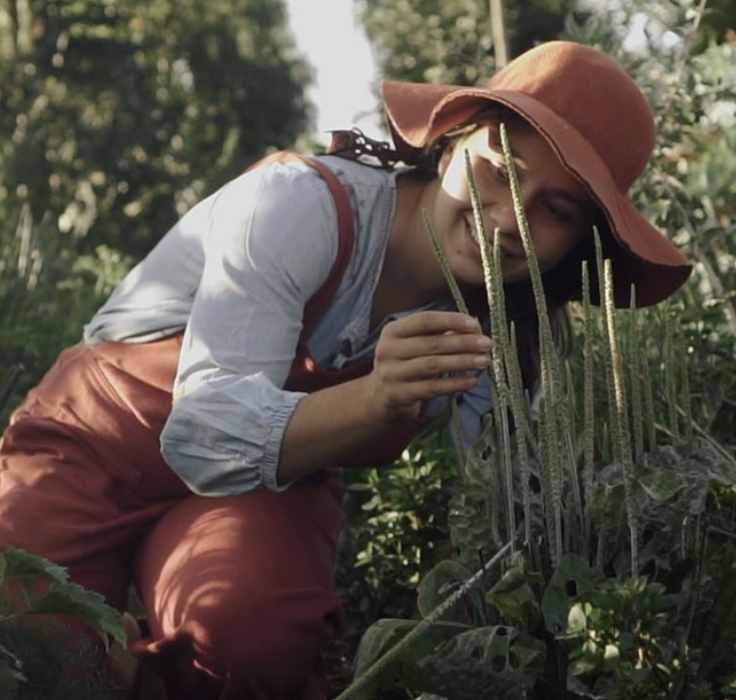
About this episode
Beyond techniques, the conversation highlights a broader philosophy based on cooperation, abundance, and a deep connection to the land. This episode invites reflection on how agriculture can shift from extraction to regeneration—and how “systems of abundance” can be created in harmony with nature.
Get every episode summarized
Each time Living Farms: Biodynamic perspectives worldwide publishes, we email you a written briefing from the transcript — the topics, who appeared, and any specific claims, with the ad reads skipped.
Email me new episodesFree for 3 shows. No card needed.
Hosts & guests
Transcript ready
296 searchable segments. Every word is indexed and playable.
Full transcript
Living Farms: Biodynamic perspectives worldwide — #31 Syntropic Agriculture. Machine-transcribed; use the interactive transcript above to jump the player to any line.
Welcome to the Living Farms Podcast, where voices from around the world come together to shape the future of biodynamic agriculture. Hello everybody, I am very happy to be continuing our Living Farms Podcast with a new season. And in this occasion we would like to stretch hands and hearts and our knowledge sharing with holistic agriculture and biodynamics. So we looked at the different people that are doing trending topics and that are working hard as we are with our loving mother and son and earth together and we found different people working around the world and we were very happy to have found Natalia Nuget,
not as many people call her and we invited her and she's here with us so it's quite an honor to have you and I know you have a very busy schedule and you've made some space for us. So welcome Nat, very happy to be here with you. Hello everyone, thank you for inviting me to be here sharing a little bit about my life with her. Thank you. This is great. So Nat is from Brazil, she lives now in Bahia in Brazil and she's an agronomist and a regenerative herbalist and she has been working 16 years with agroforestry and a particular stream of agroforestry called centropic agriculture. So I guess to begin this dialogue, Nat, I would love to hear why did you study agronomy? What was as a young child or as a young woman in Brazil? Why did you say I would love to do studies on agronomy? What called you to do that?
I start to realize that we are destroying the world by the mouth. What we are eating, what we are staying talking about and when I realize to take care of the land is take care about the humidity to all of human beings together. Then I realize that plants are sustainable all of the life in this planet and to serve who is sustainable, the life in here for me it's a really honor to be part of that, to understand how can be in the comparative way to work together with them. It's because that I really think the way we are constructing the society about food production is not so nice and maybe trying to find a different way, different path than we can be more in a more a money way with with nature.
This is amazing and where you study conventional agronomy and then you switch to something more oriented towards agriculture, was this your case? Actually I met centropic farm when I was 17 years old before getting a university. Then I already had like open view for a different way to producing forest with food. And after that I start to understand then if we want to be in the same page we want to meet to understand how the system works, no? Then I say okay, I'm being part of that and I did agronomies in Brazil and after I did ethnobotensis too then get more attation and deep how all of points of view can be in a more a money way to produce with food, with life but
in the conventional way it's not so easy to get an open space and understand how all of the production can be part of, you know, be peaceful. We say we are doing peaceful farm but I think it's important we understand both of the the history is no to to choose what what way we want to pass. Yeah this is very interesting because a lot of young people are interested in learning about how to produce food, how to work in harmony with nature, how to be also economically sustainable with the work but then when you study sometimes when you study agronomy you don't find this, you don't find the loving aspect of the earth and the productive but also inclusive economically and ecologically inclusive agriculture so you have to look for other things. And what did you find in centropic agriculture? Can you tell us what
is for you centopic agriculture because I know you are a disciple of Ernst Gurch who is actually from Switzerland who is really the founder of this type of agroecology and then I think he is living now in Brazil and how did you find a centropic agriculture and what is it for you in your experience? I think the centropic farm is more the position how to live in in the earth again you know it's for me it's much more just a technique to how to do agroecologists it's how to have philosophies behind you know principles behind then really guide the way we are see interaction with life here I met Ernst when I was this age around 17, 18 years old here in Brazil and really changed my life really changed the way to to see how we can be welcome again in
there you know because I think sometimes we have so much different type of techniques different concepts behind agroecology how how to do how to produce but for me it's the way you are you know what we are doing it's it's a philosophy behind too then this is really changed my perspective of life and I understand the human beings not just here to use resource of we are here to create systems know then we are part of nature and this really touched my my my my heart because when I I understand then we are working with a cooperative way then everyone are working far in conditional law and this is the first principle of centropic it's calling about unconditional law and this it's really beautiful to see how agriculture can be talking about love too it's so beautiful
because for me it's to be part again of this history know and when I I discover about centropic it's a system then we can create a system of abundant systems then we are part of that we are not just watching nature we are creating more potential of energy and in the end we have more results than when when we begin when we start to know and we have forest this is look like magic then I say okay let's go to meet this Swiss guy in Brazil now he's more than 40 years live and here and it's really really unbelievable what he did in his farm and this really touched my heart in a deep way and I say okay I'm going to do this the last day of my life I'm going to be serving nature and trying my best to be creating a other type of paradise than we were be welcome
again to be here this is really significant and there is a dialogue between let's say forest and farmland or there should be a dialogue it was a little bit separated from from from many centuries in the past we have noticed how this separation became so we cut down the forest to start a farming project and this dialogue broke completely even in first world countries you can see this separation between forest and farmland and the idea of putting them back together makes sense from from a perspective of saying there are things that forest bring to the land like diversity it brings it makes the whole ecosystem be in a dynamic way and at the same time it brings micro climate that many plants can benefit from this shade from humidity from soil
dynamics so it makes sense but it's not easy and it has different aspects as I know I did a little bit of that in the coffee regions shade coffee is very important but then you have agroforestry and tropical regions you have it in desert regions you have it in climates that are temperate so I know that you are working and teaching in different parts of the world with different ecosystems could you tell us a little bit about the different ways of centropic and how you have found them in different ecosystems and different cultures yeah I think this is a really interesting question because when we understand the function of the systems no and understand they each plant have a different function they have a different result of the system we start to understand then have a knowledge behind doesn't matter it's in in the ocean or in the desert or in the tropical area have
a natural succession it's going and when we have this ability to reach that we can introduce each plant for different ecosystem or native or exotic plants then I really think then the point of centropic fire is how we can accelerate the process of natural result you know we start with plants then it's more growing fast then after come to the bush and then we have like big trees but when we think about forests we are just sometimes thinking about them as a forest but it's not about that then each ecosystem have your we can say climates of you know then how we can accelerate this process natural process already happen no but well how we can potentialize that being part of this and one of the most principle points it's then we can create points of water again we can we can create and say a lot the water is planting we can plant water
then I think it's about how we can read this ecosystem and understand for each function of each plant and each moment and the necessity with each one I work a lot with medicine plants this is one of my focused plan and when I start to understand the medicine plants are the most regenerative worker we start to understand they are part of the system and we find medicine plants and all of ecosystems then most of the medicine plants we know is coming from Europe but each place have your own medicine and the regenerative plants if you want to create regenerative systems we need to introduce medicine plants because this is the function of the medicine plants it's healing the soil then when the healing the soil the the function of then it's healing us soil us body too then for me it's really interesting when we start to understand
the functions are the same who is going to change its different actors we can say that yes it's it's quite a very interesting way of looking at forestry and also at agronomy and agriculture because this dynamic ecosystem idea is really relevant in a way that there is a successful process in nature forest have a process of succession and this is very clear in the tropics you can really see how important when you cut a forest in the tropical region it regenerates at a very accelerated pace because the whole system has an intense let's say biomass and an intense energy flow because of a temperature humidity and other factors in other forests of the world there's also regenerative processes as I as I understand it in different climates and it's
very interesting to see how your approach this agroforestry and syntropic agriculture approach really takes into consideration the dynamic ecosystem and you use it to create different aspects but you tell us a little bit about your methodology in a general let's say in a nutshell because of course it's very site specific I can imagine and it varies from place to place but could you tell us more or less how your approach is so people can understand it better and maybe some of our listeners be interested in incorporating this into the work with biodynamics that would be our our goal also yeah I think one of the principle goal of us is creating soil then one of the biggest points it's biomass then most of the plants we are trying to create in the system
it's creating a life inside of the there's no underground and I really see how how you say knowing different climates they have different type of energy accumulated and dry areas not so humid we don't see so much plants if you compare with tropical areas but we can accelerate this this dynamic by manager and pruning the plants this is one of the principle goal of syntropic far it's managing pruning pruning all the time we put in the system energy to can flow more you know and I see this like medicine plants are really good that they really help the system introducing a different type of with a sesh oil to protect or try a different type of insects and when we are putting that on the soil by pruning we are creating more biomass
accumulate water carbon and because sometimes too we think forest it just trees you know but the forest it's a process it's a movie it starts by the grass it's tied by by the earths this is forest too but in different stage of forest you know it's part of the forest and to have this open view about what is life what is a forest and how we can potentialize this dynamic I think this is the principle goal about the syntropic far it's very interesting and in your case you're you really focus a lot on medicinal plants and of course countries with high biodiversity like around the Amazon and many countries that have high diversity biodiversity also must look back into their own medicinal species these native plant does not give us native plants that are
growing because we have also left them a little bit on the side and I think they also do very well in these systems what would you say is the quality of the syntropic agriculture that brings or enhances the medicinal plants we said the most manure we can have in this the syntropic far is the knowledge behind when we have this knowledge we don't need manures from outside of the system we create the only system what everything we're going to need and this is really interesting because when we start to introduce medicine plants we realize the medicine plants are the most stronger plants are doing that all the time they are nurturing the soil this is the function of the medicine plants it doesn't matter what ecosystem they are like we have this idea like in the in the forest we're going to find a lot of medicine plants but to be really honest the place that
are most found medicine plants was in the areas like savanna in Africa because it's the ecosystem needing this healing and the plants are doing this function there and in each place going to find and I understand for each moment of the forest we're going to have different type of medicines but when the soil are open have a big scar the most strong plants going to come it's the herbs and we call most of herbs like medicine and it's a wisdom behind that the nature have this pattern and reproduce in different places this is really interesting other places and really I get really curious about is in Switzerland in less than one square meter we found more than 20 different type of herbs and this 20 type of herbs 80% it's medicine plants it's really interesting how
nature find the way to cover the soil and cover this big scarf we are doing by agriculture it's beautiful to understand the medicine plants are creating more life it's calling more life you know by aromatic plants using your deep roots to open the soil to get more oxygen calling different type of funjis it's a really collective and the macro way of life you know and we understand we are part of this micro life and we can optimize this processing by how I said again it's by tuning by cover the soil planting then planting some plants then we can use it for not just harvest and take out of the system we are thinking the plants going to stay in the system feeling a fitting nutrition this system yes I think it's clear that forest produce their own compost by
decomposition of the leaves and branches that fall into the soil and there you have the richness of the of the different biome of the soil taking care of this process of turning the energy back into the system so I think this idea of the dynamic ecosystem from centropic agriculture makes a lot of sense would you also incorporate manures or compost into the soils where you where you're planting in the alley cropping that you are doing or do you not incorporate compost in the really orthodoxy way to say like that about centropic way we don't use nothing they we're going to use what we have in the system then we start step by step you know you're not trying to accelerate the system but sometimes if then the system needs something to have an inputting just to restart we're going to use but the the goal the principle goal is
each time use less and less and less and the the system can sustainable they they self because when we have high immune system we don't need nothing we don't use we don't need to use fields we don't need to use any type of medicine because we are health we are creating a health system and this is the principle thought about centropic one then each time we don't need to use nothing we're going to create what we're going to the the the system is going to need it's really interesting because I really feel then this type of field we can be a freedom of everything outside the energy we're going to put it's helping the plants to do your own job in the high energy of we can say dance about immune system so we're just going to have something it's sick when it's not in imbalance and how we can create a balance again
creating a system can sustainable this balance and sometimes the balance is dynamic it's not step yes I think we share this view and by dynamic agriculture we we work with what we call the the balance farm organism or the farm farm individuality and we we we include animals in our systems of course there are farms producing different aspects of the animal world whether it's milk and cheese or other aspects chickens etc so we we also believe this in in our work that we should be self-sufficient that everything no input should come from outside but when including the the animals we do create manure and we do create compost and they are they are with there we apply our pylinomic preps and then we bring other aspects into into the farm and I think this is an area of evolution that we can collaborate between this dynamic ecosystem micro climate and
ecosystem dynamic oriented with this idea of the farm organism these are areas of research and and maybe groups of people working together I can see this working collaboration between these ideas of the agroforestry specific sync tropic agriculture working together with biodynamic farmers and looking for solutions after old after all we we hold hands in this way I always say that the way we relate to our mother earth is like brothers and sisters relate differently to the mother and the father you know maybe the the the son relates in a very different way to the mother than the daughter and but we're all in loving relationship so I think this is the case for many ways of holistic agriculture we are all working together for the mother earth and we have different approaches and sometimes it's very interesting to collaborate and to work together I wanted also now to expand our understanding of sync tropic agriculture
and collaboration with biodynamics to the role of the farmer I see from what you are telling me that if the farmer has in syn tropic agriculture a lot to do with system design and also stewardship for us also stewardship of the land is very important can you tell us a little bit about this role of the farmer designer in agroforestry in sync tropic agriculture yeah I think it's to understand what place we are is the first thing you know what we want to create what type of ecosystem we want to create it's an ecosystem focused and producing or to just regenerative ecosystems when we start to understand how is the nativate plants around we start to make the design looking a lot the intention of the lights this is other things should be tried to cover
the soil most it's possible like in the stratification not just in one layer no and trying to occupy all of the layers and understand we have these along the time then each moment we're going to produce different plants and occupation are just a horizontal but vertical too this is one of the principle mean of the design of the agroforestry system and understanding each plant can help and support the other one to to create it and when we understand like example the the climbs is going to up to other one then how we can use the climbs to support the other plants are down we are creating different type of ecosystem in one moment of the far the forest example the zero six months we're going to create one system after that it's six months two years two years to 15
years 15 years to 30 years 30 years to 100 years but all of this was planted in the same time in that moment zero then it's really interesting because we put in salisate the process of life on because sometimes we doesn't know what plants going to grow well we need to plant you know and when we understand that and the plant are not doing so well the this plant is going to be the unconditional love the manure the the nutrition for the other ones can come and us human beings we are part of the system and we are going to select what is the good one or want to stay then the design is going to be really different for different type of intention than people have you know sometimes people just want to pull her the soil or they want to produce chickens the creative it's the don't don't have limit you know and I think it's more
understanding function of each plant and each moment and what is the necessity of light and nutrition for each one and this complex thing we start to play with different points of view this is this is very important I believe that each region has its own secrets can you tell us a little bit which regions of the world are you working in yes um actually I'm from Brazil we have a farm here called Situ cement it's like um seed farm is the name for 20 years we are doing this job we we start the first school of sytropic farming Brazil after that I went to Mozambique for two years in Africa to to start to they're a project with with Ernest after that I passed by in India study a little bit about tea and the sytropic farm how we can create a system for tea and the last
eight years I'm really focused on Central America um Mexico doing a really nice project to to hey created uh systems with native plants and last last week I was in Australia sometimes I passed by in Europe and it's really interesting because each time going through different places of this same life this same earth you know this micro life biomass then we live here we we understand they have the same patterns behind it's really interesting to see that then sometimes we I don't know the specific name for each plant but I know the function I know what they are doing because it's the same but the accelerate of the system is going to be different you know sometimes in the desert it's going to take a little bit more time to to see different things coming you know
different uh stage of the forest but they are coming in different moments and different conditions and it's so interesting to see how the plants have the ability to adapt take it to have a function this is so magic and if you plan the same plant example in Europe and come to Brazil the plants gonna change the chemistry inside of them but it's still been medicine of the system you know it's still be a healing to part of and when the function of their is not more welcome from all of the system these plants gonna disappear that's right true another one is going to to come again to to support then I think this is so interesting we say because sometimes we have different type of thought or path about um and ecology but but I think in the end we are living the cooperative way because the big cooperation are working together they are really strong together
doesn't matter what point of view they are but they are working together we need to do that because in the end we want to have more life we want to be happy again in this planet and I think the difference just put us in the same perspective of not being harmonic or not being abundant it's seeing the life if a a type of building competition and nature don't work in the cooperative competition way they're working the cooperative way and if you want to work with nature we need to be cooperative and plants for me is the most strong teacher teaching us that then are working together not just for one species they are working for one organism this is so true and I love your words because that's exactly what made us design this new series of the podcast we have to hold hands together as you were saying the guys that are interested in profit only and
regardless of humans regardless of the earth regardless of the ecosystem they are very well let's say working very strongly for that goal and us who are working for for Mother Earth who are conscious of the spirit world and of the whole environment that is really the earth as a living organism sometimes we criticize ourselves or we don't work together so our collaboration is fundamental that we can find spaces where we can collaborate I would say if if you were talking to a group of young people who are not still interested in agriculture or by dynamic agriculture if you have the chance to talk to young people that are between 15 and 19 before they go to college university what would you tell them why is it important to become a farmer a conscious agro holistic agro-cologist farmer and then how would you invite them yeah I was this if I look
back I was this type of person then want to find my my space in the world I want to feel useful I want to feel part of something in not just falling some perspective and I think when we are young we still have big dreams in us might and sometimes I think the dreams it's too hard to start but I I say just just believe in nature reconciliation with nature see nature part of you not something that needs just outside to do tracking disease nature and when we realize the nature are inside of us we feel our responsibility to take care of nature again and to be really honest is not that easy job to be a farmer it's really hard every day to go and we don't have occasions we don't
have holidays but we have peace in the heart and this any money can pay that we have a peace then we are doing our best every single day not just for me or my family it's for all of human beings and for me when I met a farmer is the most strong person with shiny ear eyes then I see in my life is the farmers if you need something anyone's not going to say no for you it's going to have open house open everything in there so so intelligent are so deep of knowledge then this knowledge are not in the books are not in the internet it's life in knowledge and each time this is losing on the way then when I see a farmer I still feeling the hope of life again I feel the seeds can keep
germinate it is fertilized soil this is so beautiful thank you so much Nat I think a message from young people to young people is crucial because we we are still doubting and thinking that maybe there's no chance for life anymore but of course there is you have to get you have to get your act together you have to work and what's really open about farms is they always welcome young people they always welcome different views and this is the the purpose of our holding hands together in this case between by dynamics and centropic and young people and older people who have knowledge in practice so we come to an end to our podcast now and I really want to thank you and we will continue our conversation we will have a follow-up of of this podcast in a seminar in a let's say in a shared session with different people that work with medicinal plants so we we'll invite you
to see if you can attend and thank you so much for your time for your inspiration for the knowledge and for opening up to by dynamic practitioners as well as two centropic agriculture farmers this bond that we are creating today this idea of of cooperation and mutual love for our earth and for our cosmos thank you so much Nat thank you everyone are listening us and if you still have seeds we still have hope then let's go plant all of the seeds we can do and thank you so much for open the space what they are doing and then let's go keep planting thank you very much take care bye bye
More episodes
More from Living Farms: Biodynamic perspectives worldwide

#34 Growing the Future: Young Voices in Biodynamic Farming
Living Farms: Biodynamic perspectives worldwide

#33 Transforming Farms with Holistic Design
Living Farms: Biodynamic perspectives worldwide

#32 Creative Ways in Biodynamic Farming
Living Farms: Biodynamic perspectives worldwide

#30 Exploring Soil Health
Living Farms: Biodynamic perspectives worldwide