Loading...

kidsfamilypets
587 — Phu Quoc Ridgebacks: From Vietnam to America
About this Episode
Host Laura Reeves is joined by Kira Hoang and Dan Khanh Tran to discuss Phu Quoc Ridgebacks and their efforts to build a club and registry for the indigenous breed of Vietnam.
[caption id="attachment_12275" align="alignleft" width="388"] Phu Quoc Ridgebacks are one of three known breeds with "ridges" of hair on their backs. Photo Red River Kennel.[/caption]
Developed on an island off the coast of Vietnam, the Phu Quoc Ridgebacks join the Thai Ridgeback and the Rhodesian Ridgeback as the only known “ridged” dog breeds.
Tran notes that most of the breed’s known history is from French explorers who brought them to Europe.
Native people on Phu Quoc island have a myth about the breed, that the dogs were born from stone dogs that guard the local temples. They are still utilized on the island as home guardians and independent hunting dogs.
[caption id="attachment_12274" align="alignright" width="334"]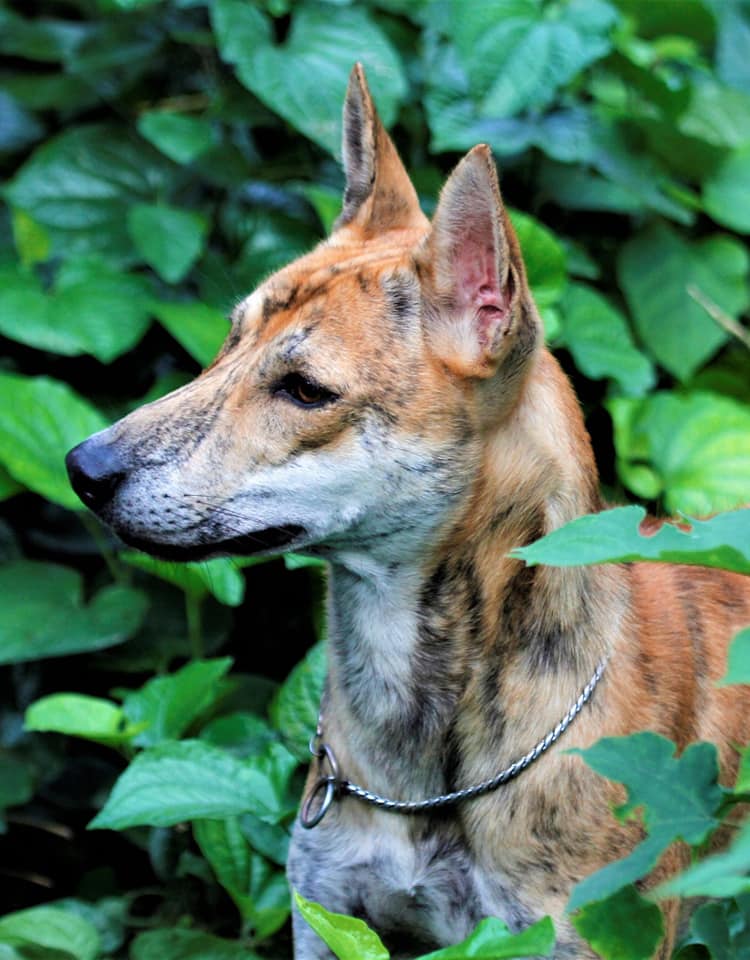 The breed is medium sized, short coated and comes in a variety of colors. Photo Red River Kennel.[/caption]
“Their hunting is different from modern dogs hunting,” Hoang said, “because they're independent thinkers, so they don't need their hunter to actually go with them to hunt. I've actually watched videos of them where they're chasing this pig …you've got three that are chasing this pig and then you've got two that have now split off to go and chase it and (corner) it on the other side. They're thinking and communicating with themselves to go and do these roles. They'll assign themselves roles, which is what I was told by a lot of the breeders when they do go hunt with them … that the dogs will go and do their own roles and they'll distinguish them amongst themselves. The hunter never has to tell them what to do.
“I think a good description is just like easy going, that's kind of like the breed characteristic is that they're easygoing island dogs. They'll go hunting with you all day or they'll stay at home with you all day kind of thing. There's so much versatility to the dogs that the people of Vietnam really, really like.”
Hoang traveled to Vietnam earlier this year and collected DNA samples from more than 100 dogs, mostly PQR but also other indigenous Vietnamese breeds, to add to the databases at Wisdom Panel and Embark.
[caption id="attachment_12279" align="alignleft" width="390"]
The breed is medium sized, short coated and comes in a variety of colors. Photo Red River Kennel.[/caption]
“Their hunting is different from modern dogs hunting,” Hoang said, “because they're independent thinkers, so they don't need their hunter to actually go with them to hunt. I've actually watched videos of them where they're chasing this pig …you've got three that are chasing this pig and then you've got two that have now split off to go and chase it and (corner) it on the other side. They're thinking and communicating with themselves to go and do these roles. They'll assign themselves roles, which is what I was told by a lot of the breeders when they do go hunt with them … that the dogs will go and do their own roles and they'll distinguish them amongst themselves. The hunter never has to tell them what to do.
“I think a good description is just like easy going, that's kind of like the breed characteristic is that they're easygoing island dogs. They'll go hunting with you all day or they'll stay at home with you all day kind of thing. There's so much versatility to the dogs that the people of Vietnam really, really like.”
Hoang traveled to Vietnam earlier this year and collected DNA samples from more than 100 dogs, mostly PQR but also other indigenous Vietnamese breeds, to add to the databases at Wisdom Panel and Embark.
[caption id="attachment_12279" align="alignleft" width="390"]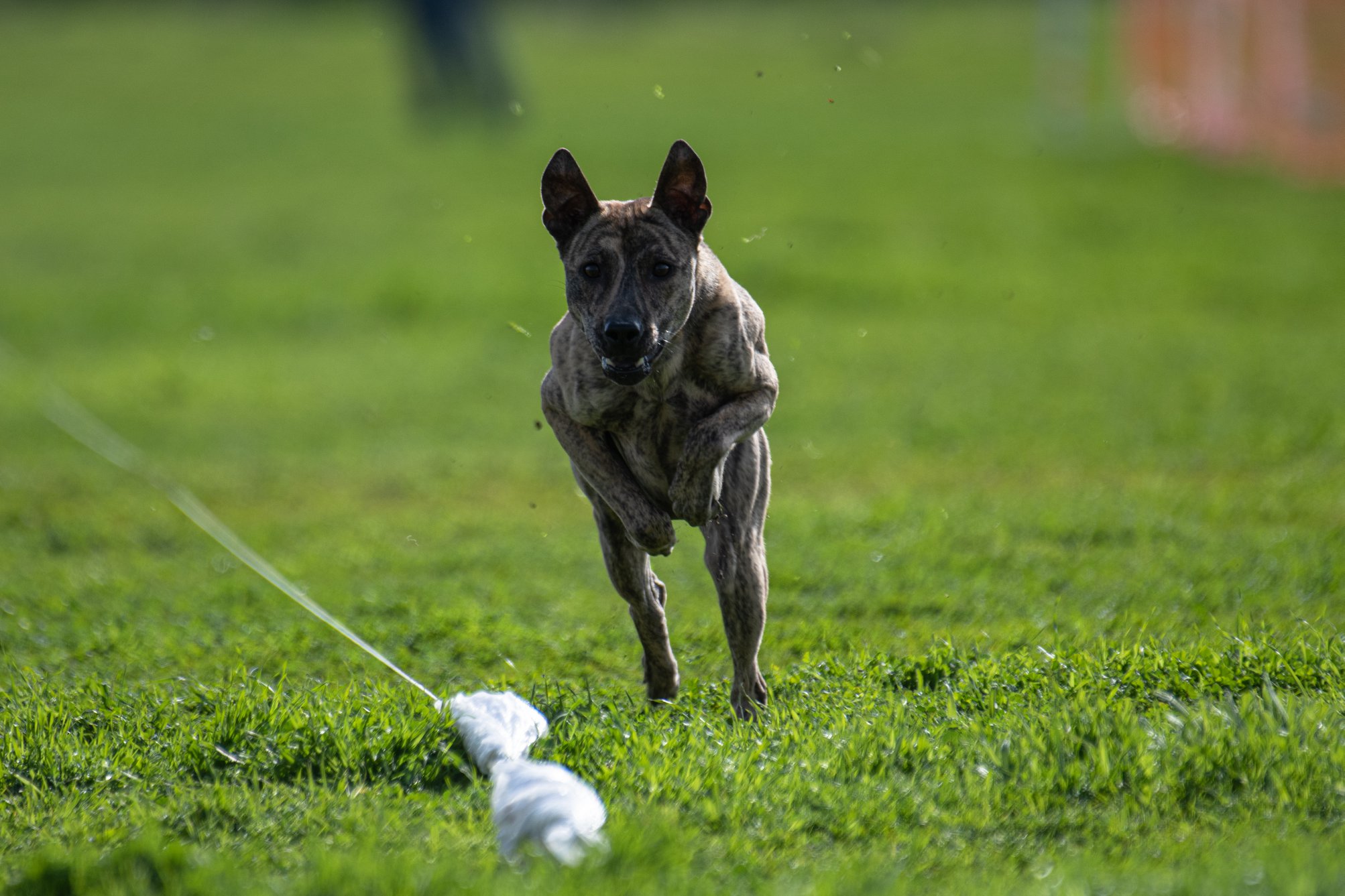 PQRA is encouraging clubs and owners to allow the breed to participate and title in various sports. Kaladin is owned by Professor Alex Gilewski.[/caption]
“We're trying to establish this breed here,” Hoang said. “Not just established it, but we're trying to preserve what it is in Vietnam and preserve those same traits here. They're very rare, obviously. So, it's easy to novelize something that's rare, something that's new, something that's expensive. We don't want that. We want our breed to be loved as it is over there. We want it to be as available and accessible, but we want it to stay true to the breed that is in Vietnam.”
“We also want to make sure we're doing it right,” Tran said. “You know that our breed that is so important to us is not just having its history recorded, but it's also that we're breeding for better. You know that we're doing the health testing, that we're making sure that breeders in Vietnam and breeders here have access to information that will help them breed better.
[caption id="attachment_12283" align="alignright" width="470"]
PQRA is encouraging clubs and owners to allow the breed to participate and title in various sports. Kaladin is owned by Professor Alex Gilewski.[/caption]
“We're trying to establish this breed here,” Hoang said. “Not just established it, but we're trying to preserve what it is in Vietnam and preserve those same traits here. They're very rare, obviously. So, it's easy to novelize something that's rare, something that's new, something that's expensive. We don't want that. We want our breed to be loved as it is over there. We want it to be as available and accessible, but we want it to stay true to the breed that is in Vietnam.”
“We also want to make sure we're doing it right,” Tran said. “You know that our breed that is so important to us is not just having its history recorded, but it's also that we're breeding for better. You know that we're doing the health testing, that we're making sure that breeders in Vietnam and breeders here have access to information that will help them breed better.
[caption id="attachment_12283" align="alignright" width="470"]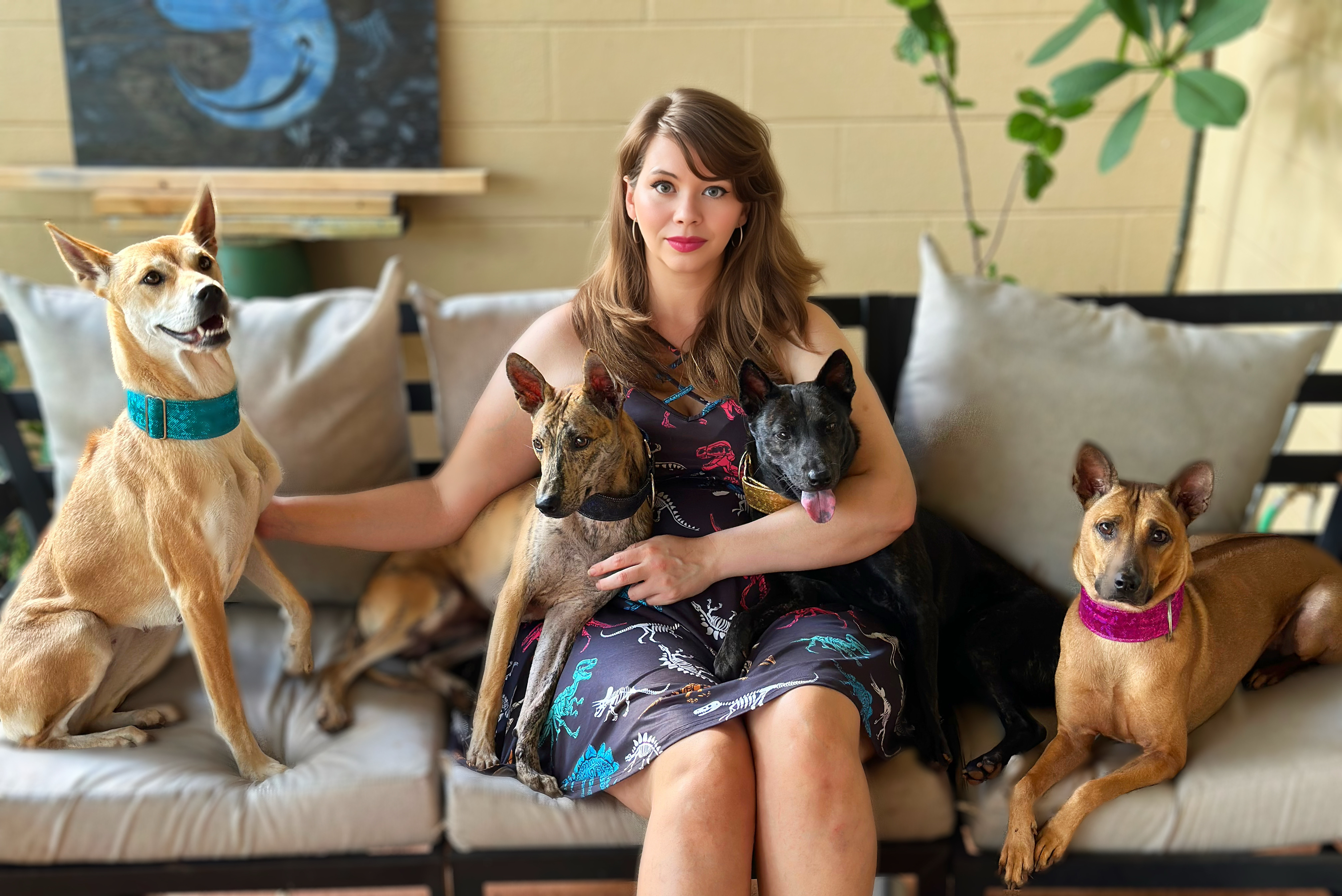 Hoang with her Phu Quoc Ridgebacks.[/caption]
“And that's actually one of the things that Kira did in Vietnam was as she was talking to the breeders, she's helping give them information, like here are some of the practices that we have that can help improve your program, things that they didn't know before.”
Learn more about this fascinating breed at https://www.pqrassociation.org/
Cover photo is Chapi courtesy of Phi Anh Kennel.
Hoang with her Phu Quoc Ridgebacks.[/caption]
“And that's actually one of the things that Kira did in Vietnam was as she was talking to the breeders, she's helping give them information, like here are some of the practices that we have that can help improve your program, things that they didn't know before.”
Learn more about this fascinating breed at https://www.pqrassociation.org/
Cover photo is Chapi courtesy of Phi Anh Kennel.
The breed is medium sized, short coated and comes in a variety of colors. Photo Red River Kennel.[/caption]
“Their hunting is different from modern dogs hunting,” Hoang said, “because they're independent thinkers, so they don't need their hunter to actually go with them to hunt. I've actually watched videos of them where they're chasing this pig …you've got three that are chasing this pig and then you've got two that have now split off to go and chase it and (corner) it on the other side. They're thinking and communicating with themselves to go and do these roles. They'll assign themselves roles, which is what I was told by a lot of the breeders when they do go hunt with them … that the dogs will go and do their own roles and they'll distinguish them amongst themselves. The hunter never has to tell them what to do.
“I think a good description is just like easy going, that's kind of like the breed characteristic is that they're easygoing island dogs. They'll go hunting with you all day or they'll stay at home with you all day kind of thing. There's so much versatility to the dogs that the people of Vietnam really, really like.”
Hoang traveled to Vietnam earlier this year and collected DNA samples from more than 100 dogs, mostly PQR but also other indigenous Vietnamese breeds, to add to the databases at Wisdom Panel and Embark.
[caption id="attachment_12279" align="alignleft" width="390"] PQRA is encouraging clubs and owners to allow the breed to participate and title in various sports. Kaladin is owned by Professor Alex Gilewski.[/caption]
“We're trying to establish this breed here,” Hoang said. “Not just established it, but we're trying to preserve what it is in Vietnam and preserve those same traits here. They're very rare, obviously. So, it's easy to novelize something that's rare, something that's new, something that's expensive. We don't want that. We want our breed to be loved as it is over there. We want it to be as available and accessible, but we want it to stay true to the breed that is in Vietnam.”
“We also want to make sure we're doing it right,” Tran said. “You know that our breed that is so important to us is not just having its history recorded, but it's also that we're breeding for better. You know that we're doing the health testing, that we're making sure that breeders in Vietnam and breeders here have access to information that will help them breed better.
[caption id="attachment_12283" align="alignright" width="470"] Hoang with her Phu Quoc Ridgebacks.[/caption]
“And that's actually one of the things that Kira did in Vietnam was as she was talking to the breeders, she's helping give them information, like here are some of the practices that we have that can help improve your program, things that they didn't know before.”
Learn more about this fascinating breed at https://www.pqrassociation.org/
Cover photo is Chapi courtesy of Phi Anh Kennel.
Hosts & Guests
No transcript available for this episode.
More from Pure Dog Talk
View all episodes →
732 -- AKC Purebred Preservation Bank: Saving Dog Breeds from Extinction
Pure Dog Talk
Mar 30, 202638:19pending

731 — Buddy the Beagle, Children’s Books and Dog Show Life with Will Alexander
Pure Dog Talk
Mar 23, 202631:46completed
730 — Hypnosis for Dog Handlers: Calm Your Mind, Free Your Dog
Pure Dog Talk