About this episode
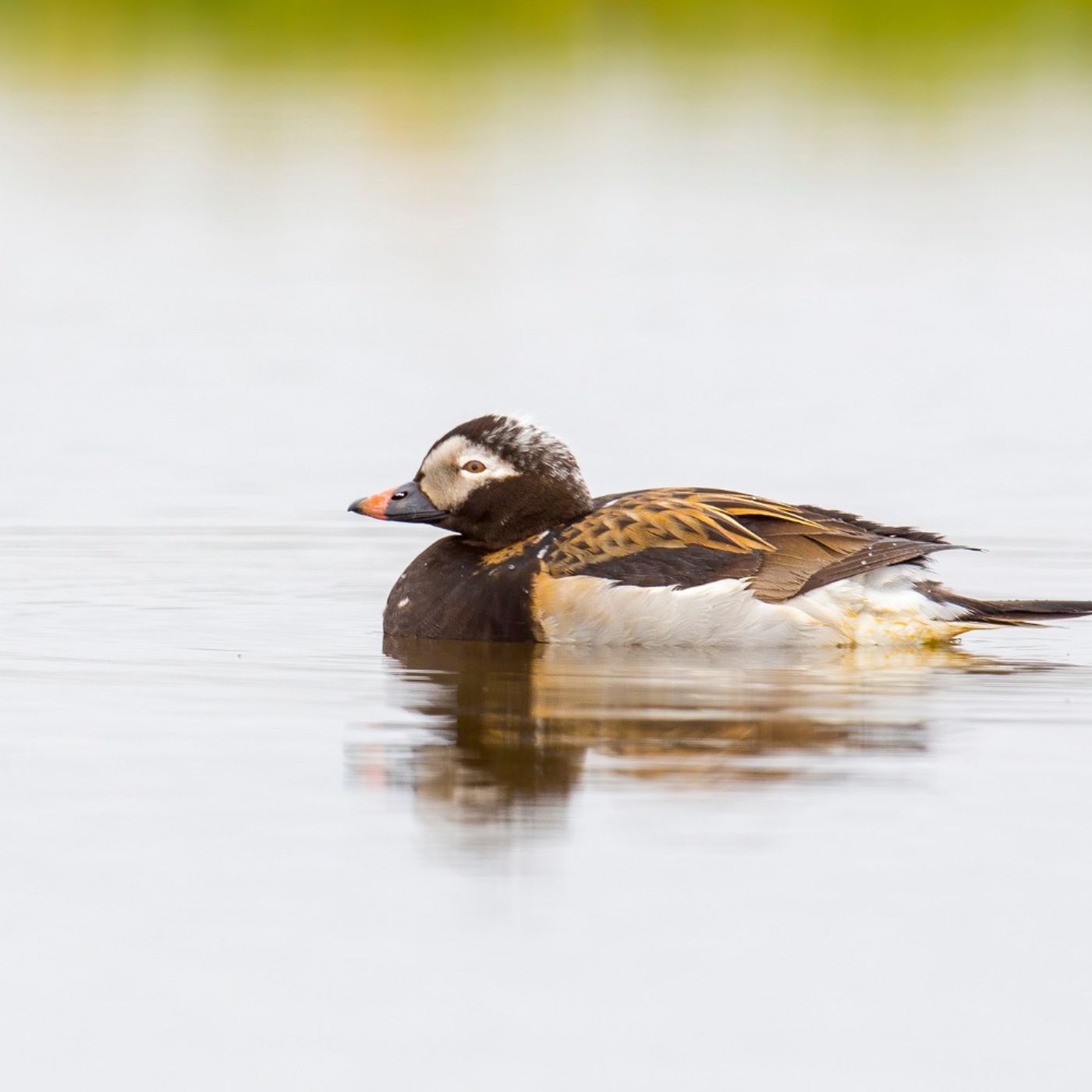
In the summer of 2026, conservation photographer Gerrit Vyn visited a remote wilderness called the National Petroleum Reserve in Alaska. He spent much of June at Teshekpuk Lake, just 6 miles south of the Arctic Ocean. The vast wetlands in this region are critical for millions of birds that come from around the world to breed every year. In this episode, Gerrit shares the sights and sounds of this vibrant landscape, including shorebirds, songbirds, waterfowl, and more.
More info and transcript at BirdNote.org.
Want more BirdNote? Subscribe to our weekly newsletter. Sign up for BirdNote+ to get ad-free listening and other perks.
BirdNote is a nonprofit. Your tax-deductible gift makes these shows possible.
Hosted by Simplecast, an AdsWizz company. See pcm.adswizz.com for information about our collection and use of personal data for advertising.
Get every episode summarized
Each time BirdNote Daily publishes, we email you a written briefing from the transcript — the topics, who appeared, and any specific claims, with the ad reads skipped.
Email me new episodesFree for 3 shows. No card needed.
Hosts & guests
Transcript ready
32 searchable segments. Every word is indexed and playable.
Full transcript
BirdNote Daily — Arctic Dispatch: Long-tailed Ducks at Teshekpuk Lake. Machine-transcribed; use the interactive transcript above to jump the player to any line.
This is Bird Note. I'm Ariana Remy. In the summer of 2026, conservation photographer Garrett Vinn visited a remote wilderness called the National Petroleum Reserve in Alaska. He shared this audio postcard in June. I met to Shackpuck Lake in the Alaskan Arctic just six miles from the Arctic Ocean. A landscape that just days ago was still covered in ice and snow and now it's absolutely bustling with life and bird song. It's midnight but the sun is still above the horizon casting a golden light across the grasses and the wetlands. As far as you can hear in every direction there are birds advertising and displaying. On this lake right now there's an incredible congregation of long-tailed ducks. A huge group of males is vigorously competing to attract females to fend off and fight off rival
males. They're splashing and fighting and chasing and their vocalizations reflect the urgency of the season. They have a very short window to meet and breed and produce the next generation. And it's not just the long-tailed ducks. Watching the spectacle on the lake are hundreds of geese, yellow-billed loons and one of the most beautiful birds of the Arctic, King Iters. In the air around the lake, pectoral sandpipers are displaying on the wing. Fowler ups that have spent the summer far out at sea are spinning like tops on the ponds around me. And a snowy owl is perched prominently on an original line overlooking it all. The wetlands around the Shekpuk lake are among the most vast in the entire
Arctic. They're critical for millions of birds to breed every year and they come from all over the world. Martial Godwits from New Zealand, Whitefronted Geese and Pintail from the lower 48, sandpipers that go all the way to southern South America. This is a nursery for so many of our birds. I'm Garrett Venn for Bird Note. Hear more soundscapes from Garrett Venn's expedition on our website birdnote.org. According to stopping at 12.13 pm or am whatever whatever the night is. I guess that's am. If you love nature stories like we cover here on Bird Note, you'll want to add back from the brink from mutual of Omaha's wild kingdom to your rotation. Hosted by Dr. Ray Wynne Grant and Peter
Gross, they share stories about species that nearly disappeared and the people working to bring them back. A recent episode, How Coffee is Bringing Songbirds Back, explores the journeys of migratory songbirds, the threats they face, and the extraordinary comeback story of the Curtlyn's Warbler. You'll also learn how shade-grown coffee farms can provide critical habitat for migratory songbirds. Follow back from the brink from mutual of Omaha's wild kingdom, wherever you get your podcast.
More episodes
More from BirdNote Daily

Letter to an Olive-sided Flycatcher
BirdNote Daily

Arctic Dispatch: Sandpipers Sing at Teshekpuk Lake
BirdNote Daily

Wilson’s Warbler near Summer’s End
BirdNote Daily

Migration: Long, Short, and In-Between
BirdNote Daily