About this episode
Get every episode summarized
Each time Full Story publishes, we email you a written briefing from the transcript — the topics, who appeared, and any specific claims, with the ad reads skipped.
Email me new episodesFree for 3 shows. No card needed.
Hosts & guests

Transcript ready
426 searchable segments. Every word is indexed and playable.
Full transcript
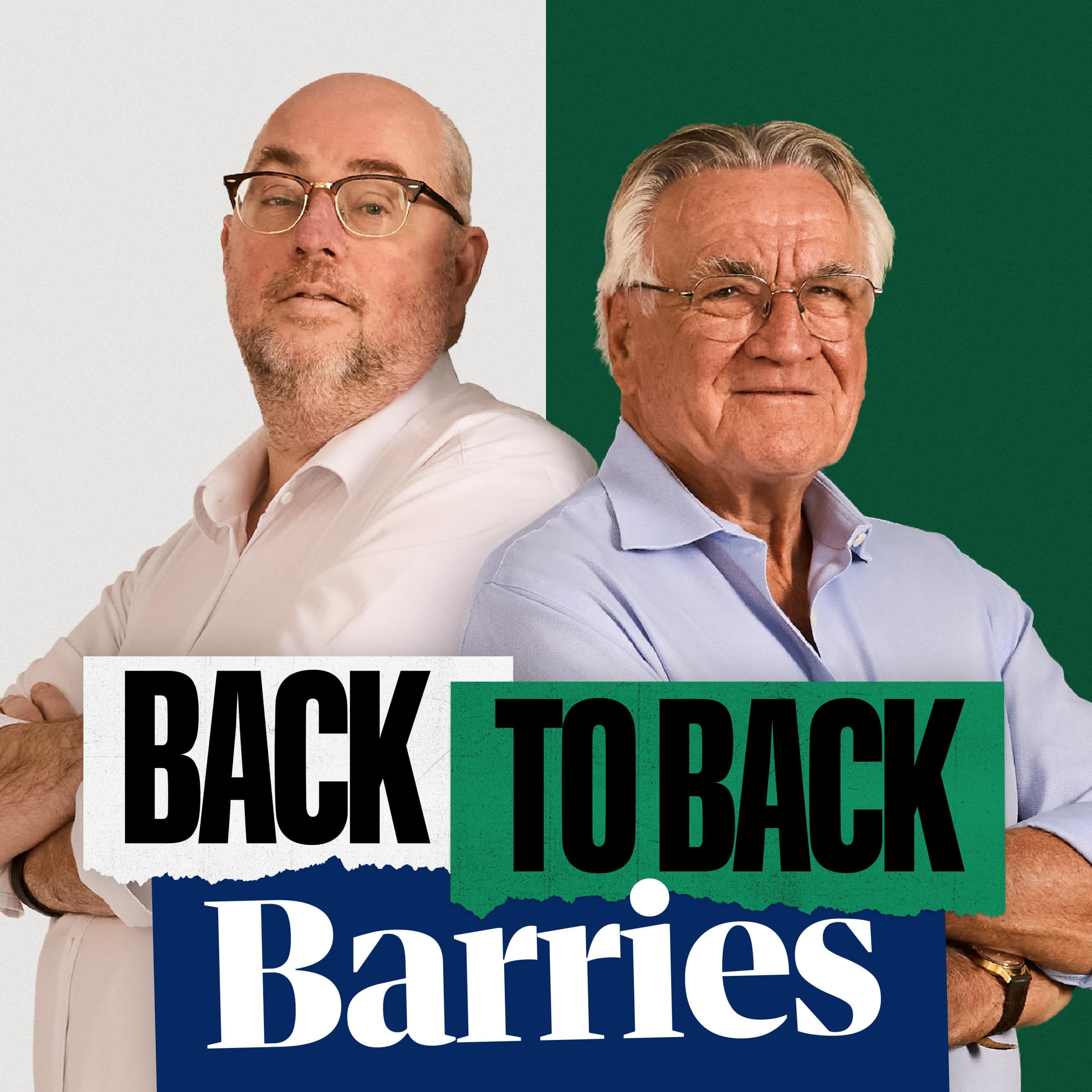
Full Story — Back to Back Barries: the Coalition’s ‘risky’ immigration plan. Machine-transcribed; use the interactive transcript above to jump the player to any line.
When everything is moving all at once, your workforce, your tech stack, your business, you don't need more tools. You need one solution. That's why Palosity built a single platform to connect HR, finance, and IT with AI-driven insights and automated workflows that simplify the complex and power what's next. Because when everything comes together in one place, growth comes easy. Experience one place for all your HCM needs. Start now at Palosity.com slash one. From globalization to innovation, sustainability to market volatility. There's always more than one side to a story. Explore different perspectives on today's most important business and economic issues with the Flipside podcast from Barkley's Investment Bank. Here are two research analysts in a lively debate and get insights from every angle to further inform your view. Listen to the Flipside on your favourite platform. This is the Guardian.
I'm Barry Cassidy and I'm Tony Barry. Welcome to Back-to-Back Barriers' podcast for Guardian Australia. Well the search for a ceasefire in the United States, Israel, Iran, war goes on and so does Australia's search for fuel security. But beyond that this week, important policy statements are the government on defend spending, the coalition on immigration. So we'll start there with immigration. It's hardly a detailed policy and not at this stage anyway. It's heavy on observations and generalities and the search for Australian values. Tony, you've spoken already about the potential for this risks versus rewards by putting this policy out. It's been out there now for a few days. How are the scales going? Heavy or on the risk or heavier on the rewards? As you know Barry, every decision you make in politics is a risk-first reward proposition. You've got to look at what are the rewards for this idea or policy or position statement and what are the risks. The rewards we know, immigration, the rate of immigration is the fifth most important issue at 8%
amongst voters. It is their number one issue and for 27% of voters it's in their top three. So we know it's important but it's not nearly the most important cost of living is 46% and housing is 15 there about so combined. It's almost two thirds of the electorate. That's their number one issue. That is where most of the votes are on the table in my opinion. So it's an important issue for a small seven of the electorate. When we ask who's the best on the rate of immigration to manage that 40% say one nation 19% say Labour and just 14% say the coalition. So they're coming third by a long way. So they don't have a lot of equity in this area. They're the sort of potential rewards. The risks in my view are I think they actually have put too much detail on this policy. It's my view. The stuff about liberal democracies identifying people who don't come from liberal democracies are less welcome I think is a big issue but more importantly they are giving
Labour an opportunity or Labour's surrogates or proxies to run subterranean campaigns might be misinformation might be scare campaigns into some of these communities you know. They might just repeat back what Angus Taylor has already said. It might be just that simple. Yeah well they could just sort of say and it would be not true but they could say if your mum doesn't speak English she'll be deported. Now if you're not plugged into the mainstream media architecture which most Australians aren't these days in the absence of any alternative information that's that's an entirely believable concept. So you know you just need to look back at when Jane Hume made those comments about Chinese spies during the election campaign and Labour's surrogates had it out on WeChat and other platforms almost instantly and you know that was considered to be responsible for a big swing in seats like men'sies and better along with there's a big Chinese population. Well can I give you one example of what they might say too is that Angus Taylor says that you
the migrants you're a drain on society. He used the term he used it selectively of course at some some are but nevertheless a drain on society. Now you see how that goes over in some of these places that you you might be a recent immigrant you had a job you became redundant and so many people do you you're suddenly unemployed and you feel talking about me. It might be somebody who started a small business. He'll leave it in just rate rises and then the business goes bust suddenly you're a drain on society. There no different to anybody else and yet they've been singled out as a drain on society. There would be people all over the country feeling that when they hear it feeling that they're talking about me. Yeah don't forget though in the polling we've done when we've tested that proposition and we spoke about this once before I said I was certain was authored by Tony Abbott under Labor immigration numbers are too high and standards are too low 64% agree with that just 14% disagreed so I think they've taken that result but then they've put in all this detail which gives a bit of a bullseye to hit actually more than a bullseye it's like wearing a
high vis vest and a bullseye with some of these more details I think I actually just would have left at more that value proposition which they know that 64% of Australians will give a head nod to. Just where you opened up to on the fact that it's not a top of mind issue but it's there and it's important but you compare the immigration issue in Australia with comparable countries like in the United States for example it's a huge issue it's a huge issue because somewhere between 11 million and 14 million people in America are there illegally and that's been the case for a long time economically they rely on it they need the jobs and so but that's and they're enormous numbers even in the UK something like 40,000 people illegal immigrants cross the channel in small boats they may have genuine claims to refugee status but 40,000 arrive every year we don't have that what we have a 70,000 or so people who have to stay their visas and historically governments
just work their way through those numbers and so I guess my question is who are they trying to impress by this then if it's not such a top of mind issue when you say that one nation support it is that what they're essentially trying to do here is to bring back some of the one nation support. I think it's actually a bit of a strategy to come second so at the moment my nation's coming second around mid 20s high 20s and the coalition of sort of high teens you know 20 they're about some most polls it feels to me it's not a strategy to win it's a strategy to get over the top of one nation at least I don't think there's a lot of votes you know I think there's some net votes in it but you've got to have a primary but the coalition has to have a primary vote of really 40% you know all the high 30s ideally 45% but if it was strong preference flow from one nation you know high 30s might be enough well you know they're at 1920 so look there's probably a few votes in this for them on a net basis but can you out Hanson Hanson that's a marginal debate
so yeah I'm not really sure why why they've tapped into those sort of specifics when the the biggest opportunity for the coalition is on the economy and and you know the challenges that Albanese is probably going to face coming up on that yeah absolutely but one aspect of it that they think is a problem for them because of the way that was presented and that is checking social media at airports and the media already has been describing this as Trump like that it's an ice-like measure I think that's dangerous territory because we already talked about how toxic Trump is we saw it in the last election campaign there had to be a major influence there because Trump ran through everything and I think disadvantaged Peter Dutton partly his own fault through the last election campaign so this kind of idea that suddenly it becomes this sort of heavy hand and law enforcement checking social media at airports that's what we fear about America at the moment is turning people off going there I think that one is a real problem yeah well the joint agency task force which you know it has connotations of ice and it can be characterized that way by
opponents to this idea and you know whether it be through some of those you know P2P platform communication measures or other social media ecosystems algorithms and so forth yeah that sort of information can be put out there which will spook people and that Trumpian language you know James Patterson this week also talked about how Albanese he needs to make peace with Trump Trump is is is radioactive in Australia now he is box office poison on our last poll for the fin review he is net minus 55 70 percent have an unfavorable impression of him just 15 percent have a favorable impression of him that is hugely toxic you know amongst women he's 88 percent unfavorable just 6 percent favorable yeah in the inner middle and the outer suburbs it's all in the high net minus 50s and you know like to say make peace with him it's moved beyond that now because of those sort of attitudes that people have and views they have of Donald Trump it's no longer a case where
somebody who is so disliked by the electorate that you get to position where you want to make friends it's that's appeasement now because he's lost he's pretty much lost the rest of the world just as Netanyahu has I think for Israel but Trump in particular in the way that he's isolated so many countries around the world why would we want to buck the trend and and work hard on being a friend and 68 million Catholics in America yeah well it's made matters worth by all of that I noticed for the benefit of those who are watching this on YouTube your president Nixon now more than ever is what the t-shirts says then we're not picking that up on audio but to watch the message there is that Donald Trump is worse than president Nixon ever was well I think I think on foreign affairs you'd happily have Nixon back in the White House but but it is the 50th anniversary today of the screening of all the president's men one of the great classic movies right
well just look at some of the reaction that we've had to the immigration policy announcement Paul Keating obviously you know predictably but it's come out hard on it what I did agree with him on was the Pauline Hanson approach of the the Monty Culture Australia a country of 25 million people she seems to think can just close its doors to any influences from the rest of the world we don't need multiculturalism our culture is fine as it is thanks very much I just see that that's such an absurd position to take when the world has so much to offer but more importantly I think more relevantly Amanda Vanstone who was immigration minister in a coalition government for three or four years and she worries the potential for heavy-handed law enforcement and she thinks that this policy puts Australia's reputation global reputation as a multi-culturalism that was succeeded in that era it puts that at risk we are a migrant nation she says immigration is not
a law enforcement portfolio that wouldn't have been helpful to Angus Taylor to have her speak out in the way that she has yeah I mean Angus Amanda is always a very strong communicator and she was a former immigration minister back when I think the how government used to articulate the benefits of immigration if I had one complaint about the government on this policy is I think they failed manifestly to communicate the benefits of a skilled immigration program why it's beneficial to Australia bringing in skills whether it be you know health care sector for example pathology specialist medical health and so forth nurses these are all really important functions and you know I do look back at George W Bush I was watching a couple of YouTube videos of him you know as you do on a weekend and he he was talking about immigration and the importance of and how it nourishes the soul of the country and how it rejuvenates the soul and how immigrants
perform jobs that Americans won't do or can't do you know highly skilled and specialist jobs and I look at you know where the White House is now but also where you know the strength and conservative side is as well you know where they're just basically taking strategy from sky after dark and Fox News effectively yeah and the difference this time around too is that even that was an indirect reference and you've already spoken about this but he kind of implied that this non-discriminatory policy is at risk because he's talking about not just that certain individuals are not suitable but certain countries are not suitable as a source of immigration and he talked about countries that have dictatorships and authoritarian control and so on missing the point of course that's that's precisely why so many of these people want to go and live in a free country like Australia because they don't want to bring they didn't create the societies that they live in and and they don't want to bring those courts of influences to Australia they want
the system that operates here yeah and one of those countries of course is China and Chinese immigrants will soon overtake the number of immigrants from the United Kingdom and they populate all around the country and make great contributions but they're in electrics like Deakin, Menzies, Ben Along and so forth and on values anyway I mean these sort of Australian values and you get the colloquial terms all the time you know about you know fear go whether that's what we're about and so on I have there really Australian values anyway or the kind of values that they come up with are values that most countries in the world embrace I don't I don't think there's anything particularly unique about our values and we also have having place a we already have a test a character test and I just can't see well certainly not to this point I don't think the Coalition has explained what is missing from that character test that would help in terms of bringing to Australia people with sounder more Australian like values
at some point they're going to have to be far more specific about that and what precisely they're talking about yeah they said that it's non-binding the current one and they propose to make it binding so therefore the government or agency could take action against you if they find evidence that that you don't meet that criteria or the Australian values per say but again I think it's it's a classic example where detail is not your friend in politics it usually is but in this particular case if they had a left at that top level statement that values proposition which as I said 64% of Australians agreed with which is very strong set of numbers but instead they've kind of got a bogged down of this detail I it's just a classic example playing to internal audiences I think this is the thing where you know they sort of think well this this will play out well amongst our branch members amongst Sky After Dark and not really thinking through the consequences and I think again you know this this opportunity that labor all their proxies have got to run scare campaigns or truth campaigns subterranean ones through through various social
media ecosystems I just feel that little party for about 10 15 years now they don't they don't think through what will their opponents do you know they don't anticipate where's the problems here you know the nuclear power plant policy that they put forward last time they just don't really think through where is this going to go what will they do how do we cover that off and I think it's primarily because in the last 10 15 years they've been so focused on internal audiences and promotion internally that they don't sort of look at what are the opponents doing I think if you go back to Howard I mean Howard learnt from his mistakes you were there when you know he used to what what the news poll have met who I'm 14% yeah yeah yeah what is he bother yeah but I think he was a student of politics and learnt from his mistakes and was constantly thinking about his opponents and what they'll do and how do I cover that off and Labor I think they know what their weaknesses are
and so they're better prepared I think the little party lately they're oblivious to what their weaknesses and the greatest weakness in politics it's not understand your weakness yeah I understand why they're raising the character test and and you want a system that works you want a system that would prevent some of these hate preachers from getting out here in the first place so there's you then don't have the difficulty of deporting them but it's got to be a sound policy it's got to work and so far I just think the detail is missing on that you know in the United States just in in the last little bit under the ice arrangements they deported the guy who set up Latinos for Trump and he couldn't have been more supportive and they booted him back to El Salvador after spending about nine months in jail yeah so you know that's um that's how a regime can work I'm already fascinated though the the American midterm is going to be fascinating because Trump's numbers are losing altitude his base is fragmenting and fracturing on my as you know my new segment every
week Barry is Tucker Carlson's wisdom yeah the week and Tucker Carlson said this week that um he feels sorry for Trump he feels sorry for all slaves um relating to his relationship with BB Netanyahu and um you know um I think he's tweet where he depicted himself as a doctor dressed like Jesus um he deleted I don't recall that he's ever deleted anything in his career I thought it was significant I mean it's rare for this guy it wasn't an emission it was obviously the media's fault for interpreting it as a as Jesus obviously I've been to lots of doctors and occasionally you see them dressed like Jesus Christ I was a common thing and that was his line but that's as big as a concession of of a mistake as you get from that guy yeah somebody's got to him and said to you just you know can you appreciate what you've just done and you've taken started a war with the Catholic Church but JD Vence is a Catholic and I just wonder whether there's an element here of Donald Trump just making life uncomfortable for him
yeah he knows that that JD Vence is in in the in the wings he he wants the nomination next time around and it was uncomfortable for him first of all he had to support the war in Iran there's evidence that he didn't yeah um and now he's he's got to defend Donald Trump against the Pope yeah there's a very well briefed piece of the New York Times saying that JD Vence was opposing it and he was the only one in the room that was opposing it which Trump will know exactly where that came from but that's obviously JD Vence recognizing this is going to be hugely unpopular he is a war veteran himself he knows a bit about this this subject and he realizes it's hugely unpopular and if he wants to ever be president he needs to put some distance between this conflict in himself I just want to pick up another issue by way of an email James Thompson emailed and was a generous opening where he said it's the best political commentary going around thank you James but but he roached that that he he missed this over Easter and he was hoping that in that program we were touch on gambling advertising uh which adjusted the new policy had just been announced two parts to
this I'll ask you the first part any polling yet um he asked to to to gauge responses to that as as they've been I don't I don't know if you've been in the field on that issue specifically we have done a lot of research and it's something has come up really a lot post-COVID this sense from the electorate and I think it's it explains in part in a small part the rise of one nation is is this sense governments don't trust trust me so I don't trust the government yeah the distrust of institutions whether it be corporate and business government or media is is more pervasive than I've ever seen in 30 years of research and I think Albanese anticipated that obviously their research telling them the same thing in labour and so they're very careful not to be sort of too nanny state in that regards and he's not he's not a he's not a risk taker Albanese he's a pretty cautious sort of fellow uh and I think underpinning it in the background for all this is I'm him and Jim charmers know we we are hitting in for some really rough times financially we were
prior to the conflict and that's now turbocharged it even more and we've spoken before about how in the 1990 election the 93 election of the 2025 election the incumbent government won despite bad economic conditions and data but Albanese smart enough to know that you know that's that's that's it's not a laid out messier yeah the James went on to say and you've covered this in the sense but will this issue get some attention or will the government get away with what he calls a mediocre response if you just look at some of the initiatives that he that he announced that and won't start until January next year but um capping the abit the advertisements gambling advertisements three an hour before 8 30 so they're still going to be out there there won't be any during school dropoffs and school pickups I don't know how many of those cars are tuned into radio stations that are running gambling ads in any case but it's it's kind of not getting there you know it doesn't end this exposure that kids have generally to gambling
advertising there is no need for it we don't have it for cigarettes for example and it's so wires at there and and why are they so reluctant to put a more widespread ban even a total ban on gambling ads because you do hear it all the time that the kids interpret football they talk about football they recite outcomes and and prospects according to the odds and the game's forecast they are impacted by it but I mean culturally we love our sports um it is part of the ritual of sports for some people younger people in particular um socially whether be out of pubs sort of following footy games on the TV and and having a bet with their mates and they they're welcome to do that but do they need advertising constantly in their ear encourage them to do but I think from a public policy point of view and I don't I don't gamble um from a public policy point of view you then get into this situation of like well do we start banning fast food ads um do we start banning alcohol ads and so forth well we have we've already gone down that track limited
here at for example yeah well I mean that's no brain I think tobacco everybody agrees that that's a quirk in in history that tobacco if tobacco was discovered today there is no way that any government would would allow it's its sale it's a historical thing and and smoking numbers are falling but those other sort of products um don't kill you and so therefore I think the government needs to be careful and I think I think Albanese you'd recognise the reason by the way does kill people it has killed a lot of people yeah I think you know we could say that about fast food and alcohol as well so uh where do you draw that line? Ross Gitton's recently wrote that Anthony Albanese acts only when pressure from within his own ranks grows to intolerable levels and when he does act you get the bare minimum essentially you know to try and make the the issue go away you know I think it might apply to this issue but it does bring it I think this topic to a broader issue about and your partner Coss Samarit wrote about this uh wrote about it this week but
talks about the younger generation and those coming on to the uh electoral rolls and voting for the first time and that's becoming will will be the biggest biggest group and it'll have a really impact and Labour is almost smug about the fact that well they're ours and we have the great majority of them and I don't think that's something that they can assume for very much longer because these people the younger people identify politics and cause uh talked about this but um that the political parties are transactional they manage things they manage things they manage issues as they arise uh they put together a budget that manages rather than reforms they don't tackle the kind of issues though this budget might but we'll see to what extent things like the inequities in the tax system for young people uh the housing and climate change and the the free ride for minors and all those kind of issues but the difference is with this generation is I don't think they're idealistic I think they're passionate and I think they have convictions and that's what they don't
recognise in the major parties they don't reflect their compassion for a start but their convictions and when you look at the the mayor of New York you look at who reflected Bernie Sanders in a way and through all of those supporters from the Bernie Bernie Sanders troop that was an idealistic that that was recognising there's a group that that share those kind of vatitudes yeah and we noticed in a lot of our research younger there's two two defining aspects of younger voters one is uh they live in their own um social media ecosystems and algorithms and so for any major party to to punch into that algorithm and get seen is incredibly difficult uh the second defining feature of that generation is uh very tactical voting so they follow politics enough to know the outcome they want and it might be we want a labour prime minister to tackle climate change but we don't think they'll be motivated unless we vote for the Greens to give them a kick up the
pants and so they'll they'll deliberately vote Greens but they the outcome they want is a labour prime minister or a labour premier so they do think about their voting and how to just how to deploy their vote tactically and that makes them sort of um i wouldn't say there you can rent their vote but it certainly makes uh it difficult for major parties to hold that vote and you know i've sent it before when labour starts getting a bit cocky about their position because of the very weakened opposition that they're facing that sort of um confidence and cockiness it can come back to haunt you and you know when Howard dispatched of Latham in 2004 how to got rid of Beasley twice who was a very decent and capable fellow and Simon Kreen who again similarly Latham less so but um very unorthodox and brilliant in his own way um not forgetting that he was Goth Whitlam's you know uh apprentice we all sort of thought well Howard is unbeatable you know
he's a genius and then of course this guy from Queensland comes along and just panses him and i think part of it too is in the minds of the the younger people is the way that politics is conducted even within a party with the dominance that labour has in the parliament at the moment that they don't vigorously debate anything internally anymore and therefore they get this sense that there is no passion there is no commitment i'm not suggesting you go back to the days when they had their their their conferences and they would have all these issues fought out on the floor and they'd be shouting and yelling at one another and you'd have demonstrations on Uranium mining you know outside and um it has to be a little more controlled than that but the discipline that exists now um they all tow the line no matter what even on the support for the for the war and a run when you know the support for the war and a run will be probably running at 20% in Australia and yet they all stick to that line they do learn the political skills they learn how to operate internally but um but they should be losing this connect this connect with the with the audience yeah um well from california as well
kind of um waging on this in a way where he says there's a tendency to conflate populism with popular and he talks about Mamdan either the the mayor of new york who he says is not a populist he he um has a track record as a democratic socialist and he's the real deal he says like Bernie Sanders when he built this this coalition within the left there there is a distinction isn't there between what is popular and what is populism or is populism just exploiting the popular yeah no i read that email it was interesting um i mean i still i still stick to my position that Mamdan is a populist um yeah he's highly charismatic and he's he's quite compelling when you watch him it's hard to sort of keep on scrolling past um mostly because i intensely disagree of most of the things that he's saying but um but yeah i think that's a that's a valid contribution that uh will is made but um i'll stick to my position i think uh we'll take a break and then we'll come back and uh and have a look among other things that the uh the government's
defense policy would defense spending announcement today's markets move fast get the insights you need in 10 minutes with the barkley's brief a new podcast from barkley's investment bank through sharp dialogue and scenario-based analysis our leading experts analyze key market themes each week so whether you're managing a portfolio or leading a business the barkley's brief podcast can help you make smarter decisions today stay sharp stay brief find barkley's brief wherever you get your podcasts okay we're back and on defense policy now and uh Richard Miles has announced um many many billions fifty three billion i think it's that over five years or something but i think broken down it's about 2.4% of GDP i i don't like these constant references but that's not as much
as what trump wants well who gives the damn and what's the relevance of that but it's um it was kind of clouded in a way because he might have used a NATO kind of comparison rather than an Australian straight GDP comparison either way it's an it's an increase um do you think that's that's a popular move given the pressures on on the budget at the moment well yes i mean yes and no um certainly the global instability we're seeing everywhere at the moment um particularly in the middle east and you know people's perceptions about the american alliance and is it as reliable as we do as it has been in the past has made voters very anxious about global and security and regional insecurity and arguments around self-sufficiency whether it be through energy oil refinery and so forth are becoming more pronounced than obviously that's a theme for one nation but also Andrew hasty has been banging on about this for six seven years but what we're
also seeing is you know this this this self-sufficiency angle also goes to defense as well and that that sort of sense of of you know exposure if china were to invade um ty one which is not implausible and we get a lot of our refined oil from Singapore well good luck getting any both through through that um shipping area that's the bring this then to what rich of miles did say about this is the most threatening strategic situation since world war two i have trouble dealing with that but okay we have uh the middle east conflict we have russia versus ukraine but he was talking about Australia's specific uh situation and the strategic risks here it's almost as if despite everything is going on in the middle east and in europe and russia and ukraine it's still the china threat that dominates their thinking and i just feel that we live in one of the most peaceful parts
of the world i don't to the same extent as they do feel this threat this constant threat of invasion you might remember the nine newspapers ran two or three years ago now that the the line that the the invasion was imminent and it might happen within two years well that two years is long gone yeah and nothing has changed nothing has changed uh the the the relationship remains as it was i just don't understand why they need to talk it up in the way that they do why are they justifying this defensive expenditure and especially at a time when we're about to get a budget it's going to be as tight as they get and there will be all sorts of community groups that are going to be denied money that they might have expected there'll be um there'll be people who are saying we're watching it for me because i've got this got a cost cost of living pressure it does seem to be contradictory yeah it's got to be one of the toughest budgets ever delivered gym charmers is obviously a very good political performer and he's a good communicator
but putting this budget together is going to be the toughest challenge of his career by far and bearing in mind that he'd worked for your swan's chief of staff during the gfc so he's no stranger to these challenging times but i fear what we're about to enter is going to be far worse than the gfc um there's a lot of credible talk about stagflation including former chair of the rba or treasury and stagflation of course is high inflation low growth high unemployment and if that happens i think we're going to see a level that anxiety we haven't seen before and it's already at very high levels and despondency about the future bear in mind that unless you're over the age of 55 and i'm 56 most Australians don't have any recollection of all of living in a recession i've got a vague memory i was at uni you know i do recall my parents doing it tough but being incredibly ungrateful but you know having that sort of pressure i do remember the youth unemployment levels being at 30% and being anxious about that so it's really
the great majority of Australians have no idea what living in a recession is like and how they respond to that is going to be very very challenging for the government i think albanese is acutely aware of that and i think that's one of the reasons why he's so proactive on the fuel he's traveling overseas all the time and there's been ridiculous criticism from the opposition on that uh he wants to be seen to be on top of it um and i think part of it is because you know he needs to for the for the functioning of the country but he doesn't he doesn't want to be like greek hunt and uh scott morrison with the vaccines you know where scott morrison said it's not a race to make of course it's a race you know and and i think it's also insulating himself for what's about to come so he does look proactive and he does look like he's on top of these issues with i i did live through a recession but i lived for a time when uh but they described it then as the misery index and that's when inflation unemployment and interest rates were all about 10% yeah simultaneously yeah and and that's why they they described it in the way that they did
but uh just on that like Jim charmers has said um that and he now he's i think trying to soften up the electorate for my what might be coming because he does talk now and quite a script of language about what might be around the corner but he's saying that there's going to be a tough budget but it will still be ambitious so i guess it's not he's not saying we're going to throw everything out you know there's this is not a time for reform he's saying that he can do both at the same time do you think he can no because it depends a bit though on what what you regard as reform and what kind of reform we talk about like if it's if it's money-raising if it's it's revenue-raising in some way for example on on exports of gas and so on then that that can be that can certainly fit that category yeah what's been interesting to me recently is watching all of labors um proxies come out and starting to attack the RBA putting up interest rates uh which is you know charmers is obviously
being very careful and measured but the deputy governor was in Washington DC this week with with the treasurer and he was certainly sounding the alarm bells on that uh the next RBA meetings in the first week of May and then there's another one mid-June and the market expects i think there's there's a 66% expectation of of an interest rate rise in May and likely who have won in june as well or in august so but the fact that laborer attacking the RBA over their performance and saying they should be punishing uh Australians but not talking about government spending which has to be part of the conversation it just has to be i think is a really interesting insight yeah there's so much good news around and uh even though employment figures came out this week um the church static static situation but then just about every condoms in the country whichever don't that won't last um as as we get nearer to stagflation or wherever it might be and then of course the the spectre of AI is over everything and that that that could move it quite a pace and that's going to
have an impact on employment yeah uh that is we we did a poll in this for the fin and view recently and when it comes to um we've been tracking it over six months perceptions and attitudes around job growth and job stability and job security are way way down and their general trust in AI as as a tool is is also declining over the last six months that basically the only thing they can see that's positive is is medical diagnosis uh everything else they think is going to be worse for them personally and you know just looking the other day uh Stanford University graduates the the Stanford University graduates and computer science at the moment only 30% are employed in the market because computer coding is being replaced by AI and we and we've seen this in groups as well because it's not just that gen Z which you know and millennials which which can be volatile as we discuss before who was sort of thinking I've got this great degree and
I thought I had a great job and now I've you know been made redundant vice tech has just announced 2000 redundancies because of AI but it's also their parents their parents you know Gen X typically uh you know they they've quite rightly patterned themselves in the back and sort of we see it in the focus groups they're like I thought I did a great job got them educated and they they've got this great degree and in computer science and and now they're unemployed they're knocking on my front door and they're like good day dad I'm back home you know I can't afford my rent there was a time when we when we kind of understood that um that the new technology was coming and we we could see robots replacing people's jobs in factories it's a lot beyond that now it's um if you're getting degrees science degrees out of universities and uh and even before you get there yeah your job's gone yeah but even when you're 27 28 you've got to establish your career you've you studied and then suddenly it's like well you know make your career is is no good anymore you've got to try and find something else well that's that's tough well I'm that depressing no I don't need something a little more positive we'll end with an email from Marcus um he said that he's he's never written
an email like this before um and he wants to express gratitude he said nor did he think he would want to contribute to a podcast focuses on politics and it came it's quite a shock to him but he thoroughly enjoys how we discuss and move away through the content and uh we love that we embraced uh well we might be at different ends of the political spectrum at times but it but um he likes to embrace that and as a young person uh that we are unafraid to weapon up in ourselves up to different perspectives well that's it for today this podcast was made on the sovereign lands of the war-undry people it was produced by Daniel Simo video production by Sanjana Joseph the executive producer is Hannah Parks I'm Barry Cassidy and I'm Tony Barry and this is Backback Barry's Guardian Australia podcast today's markets move fast get the insights you need in 10 minutes with the Barclay's brief a new podcast from Barclay's investment bank through sharp dialogue and scenario-based analysis
our leading experts analyze key market themes each week so whether you're managing a portfolio or leading a business the Barclay's brief podcast can help you make smarter decisions today stay sharp stay brief find Barclay's brief wherever you get your podcasts
More episodes
More from Full Story

Greg Jericho on One Nation’s superannuation ‘sugar hit’
Full Story

Decoding America: How Trump is powering the global right
Full Story

Why the tobacco tax is lighting up Australian politics
Full Story

How much control should we have over the algorithm?
Full Story