Loading...
kidsfamilypets
Crafting a Cozy Indoors for Your Feline Companion: Enriching the Indoor Cat Life
About this Episode
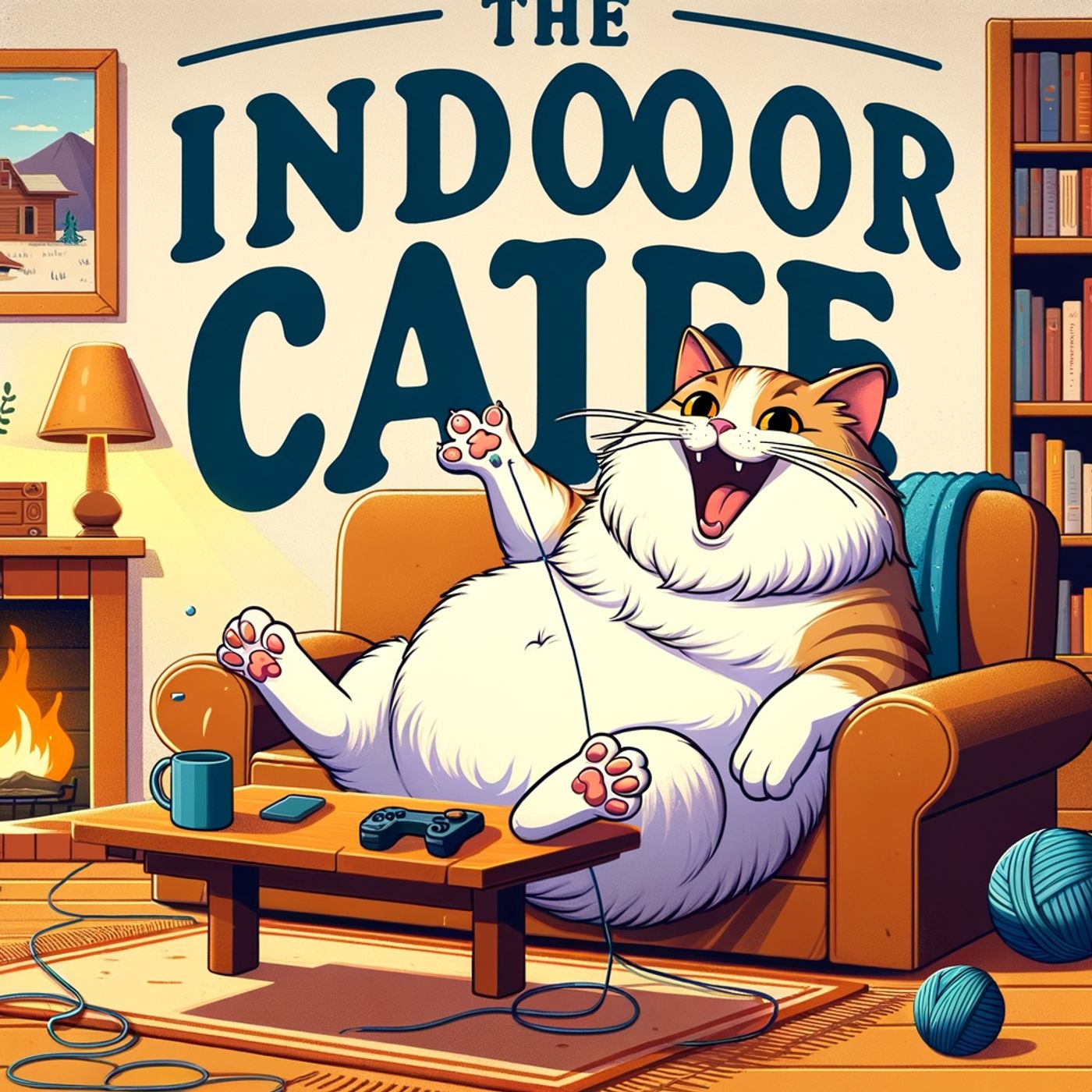
The indoor cat life is a modern twist on an ancient relationship, offering domestic felines the comforts of shelter, safety, and endless companionship. For listeners who adore their cats and want to keep them protected, living inside means fewer battles with feral animals, less chance of encountering diseases, and a chance to bond more closely with their humans. Bella & Duke highlight that indoor living is all about safety, predictability, and strengthening the bond between cats and their families.
But these comforts come with unique challenges that require careful attention from cat guardians. Living indoors, cats can grow bored or frustrated if they don’t have opportunities to act on their natural instincts. Their ancestors roamed and hunted outdoors, so indoor cats need outlets for scratching, climbing, and play-hunting. The Feline Purrspective points out that when these needs aren’t met, cats might turn their attention to your furniture or display unwanted behaviors like scratching or spraying. Scratching posts, tunnels, and interactive toys mimic prey and can give house cats a sense of purpose and joy.
The indoor environment also shapes a cat’s behavior in quirky ways that entertain and puzzle us. Many listeners have witnessed their cats squeezing into comically small boxes, loafing on windowsills, or slow-blinking as a sign of trust. According to the Drake Center, these actions come from a natural desire for security and affection. Cats love observing the world from a hidden place, and those “kitty kisses” of slow blinking are a true sign that your cat feels at home with you.
There’s also a risk for health issues if the indoor life lacks enrichment. According to Feline Purrspective, indoor cats have higher rates of obesity and related health problems like diabetes when they aren’t given enough exercise or interactive play. Feeding routines that encourage activity, puzzle feeders, and scheduled playtime combat boredom and keep cats mentally and physically sharp.
Emotional wellbeing is just as important as physical health. The Royal Society for the Prevention of Cruelty to Animals notes that cats are sensitive to stress, and changes in the home or routine can lead to signs like excess grooming, hiding, or house-soiling. Creating safe hiding spots, vertical territory to climb, and quiet time are all ways to reduce stress. MedVet also recommends paying attention to feline communication, such as head bunting, kneading, or sudden tail flicks, as these reveal a lot about your cat’s comfort and mood.
In the end, the indoor cat depends on listeners for both daily structure and opportunities to express natural behavior. Choosing to share your home with an indoor cat means embracing creativity and patience to cultivate a rich, stimulating environment where your feline can thrive.
Thank you for tuning in, and remember to subscribe for more stories and advice. This has been a quiet please production, for more check out quiet please dot ai.
For more http://www.quietplease.ai
Get the best deals https://amzn.to/3ODvOta
This content was created in partnership and with the help of Artificial Intelligence AI
But these comforts come with unique challenges that require careful attention from cat guardians. Living indoors, cats can grow bored or frustrated if they don’t have opportunities to act on their natural instincts. Their ancestors roamed and hunted outdoors, so indoor cats need outlets for scratching, climbing, and play-hunting. The Feline Purrspective points out that when these needs aren’t met, cats might turn their attention to your furniture or display unwanted behaviors like scratching or spraying. Scratching posts, tunnels, and interactive toys mimic prey and can give house cats a sense of purpose and joy.
The indoor environment also shapes a cat’s behavior in quirky ways that entertain and puzzle us. Many listeners have witnessed their cats squeezing into comically small boxes, loafing on windowsills, or slow-blinking as a sign of trust. According to the Drake Center, these actions come from a natural desire for security and affection. Cats love observing the world from a hidden place, and those “kitty kisses” of slow blinking are a true sign that your cat feels at home with you.
There’s also a risk for health issues if the indoor life lacks enrichment. According to Feline Purrspective, indoor cats have higher rates of obesity and related health problems like diabetes when they aren’t given enough exercise or interactive play. Feeding routines that encourage activity, puzzle feeders, and scheduled playtime combat boredom and keep cats mentally and physically sharp.
Emotional wellbeing is just as important as physical health. The Royal Society for the Prevention of Cruelty to Animals notes that cats are sensitive to stress, and changes in the home or routine can lead to signs like excess grooming, hiding, or house-soiling. Creating safe hiding spots, vertical territory to climb, and quiet time are all ways to reduce stress. MedVet also recommends paying attention to feline communication, such as head bunting, kneading, or sudden tail flicks, as these reveal a lot about your cat’s comfort and mood.
In the end, the indoor cat depends on listeners for both daily structure and opportunities to express natural behavior. Choosing to share your home with an indoor cat means embracing creativity and patience to cultivate a rich, stimulating environment where your feline can thrive.
Thank you for tuning in, and remember to subscribe for more stories and advice. This has been a quiet please production, for more check out quiet please dot ai.
For more http://www.quietplease.ai
Get the best deals https://amzn.to/3ODvOta
This content was created in partnership and with the help of Artificial Intelligence AI
Hosts & Guests
No transcript available for this episode.
