0:00
Welcome to this week's Crypto Corner. I'm Jenny Horn, and this week I'm joined by Adam
0:15
Lynch from the Schwab Equity Research Team. So Adam, let's start with the Mind and America
0:20
Act that is being proposed in the Senate. What is the bill in the chances of this bill actually
0:26
passing at this point? Yeah, this was a pretty interesting development which personally caught me
0:31
a bit off guard. We've been waiting to hear from Washington regarding progress on the Clarity Act,
0:37
but I guess we'll take whatever sort of legislation related progress we were given at this point.
0:43
So this week, Senators, Republican Senators, Cynthia Lumens from Wyoming, Bill Cassidy from Louisiana
0:50
introduced a bill to bolster digital asset mining in the U.S., as well as codify President
0:56
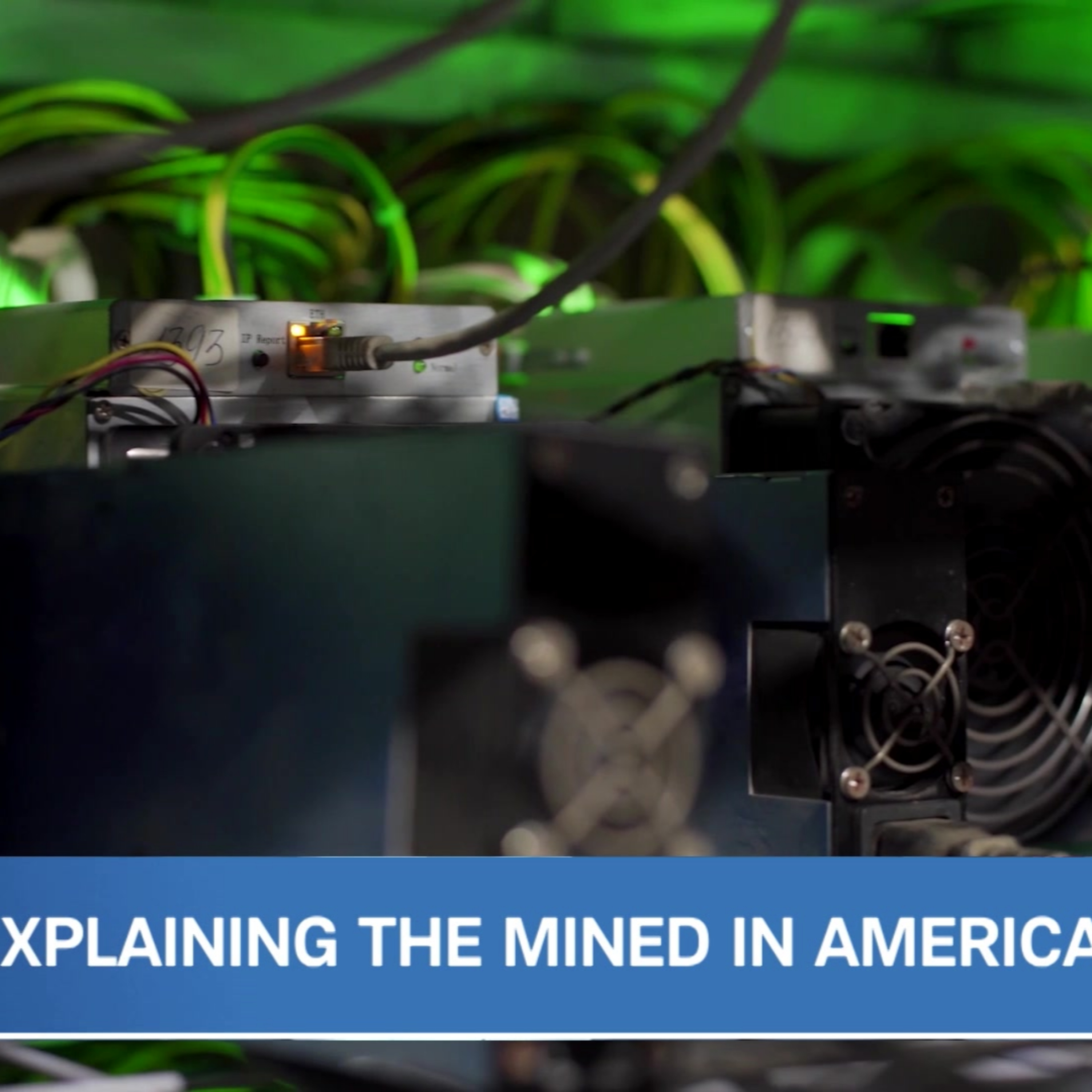
Trump's executive order to establish that strategic bitcoin reserve. The Mind and America Act was
1:02
unveiled on Monday and is supposed to expand cryptocurrency mining's role in the U.S. economy.
1:08
Now with everything that's been happening lately, you may or may not remember campaign season
1:13
before the most recent presidential election, but on the trail, Trump pledged to make America the
1:18
digital asset capital of the planet. And last March, he signed that executive order to establish
1:24
the bitcoin reserve. So what this bill actually does is direct the Commerce Department to create a
1:29
voluntary certification program for mining pools and mining facilities. Now, it would also require
1:36
these certified facilities to transition away from mining equipment, which is manufactured by
1:42
companies tied to foreign adversaries. We'll keep an eye on this one, but remember crypto
1:47
legislation has stalled a bit in DC. Lumens has been pushing for several crypto bills, the market
1:53
structure one, crypto tax reform, and now this one. But unfortunately, she's also mentioned that she
1:59
will not be seeking reelection and her term ends in January 2027. So there may be limits to what a
2:05
lame duck senator can accomplish in such a short time. Okay, and going off of that, could crypto
2:10
really abandon the overalls market? And what is really the rationale behind that?
2:14
Yeah, those comments certainly caught my attention, and they seem to have struck a nerve with some
2:20
of our clients as well, because I heard from a few of our client facing reps yesterday.
2:25
Lately, the focus has been on the fight between banks and crypto firms, mostly related to their
2:30
ability to pay a yield on stablecoins held in your account, like a bank pays you an interest rate
2:35
on your deposits. But what may be an even bigger and more consequential battle looms between the
2:41
digital asset industry and traditional finance firms? So this week, SEC Chairman Paul Akkin said
2:47
the agency would release an innovation exemption next month, which allows crypto firms to temporarily
2:54
issue and trade tokenized stocks without full registration that's required by brokers or exchanges.
3:01
This proposal would make it much easier for firms like Coinbase to offer these types of services
3:06
without needing to comply with the same regulations as other market participants. The idea here is
3:12
to give these firms a couple of years to experiment before either coming into compliance with the
3:18
traditional rules or approving why they do not need to comply. The SEC is also expected to include
3:23
asset caps or other limits on this exemption. Now, traditional finance firms and their main trade
3:30
group, the securities industries and financial markets association, or SIFMA, has spent several
3:36
months fighting to make sure that this exemption is as limited as possible. They've argued that it
3:40
may put investors at risk as they're not given the same sort of protections that are found in the
3:46
regulated stock market. For example, in a regulated market, there is a guarantee that brokers will attempt
3:52
to get their clients the best prices on stocks bought and sold. There's no guarantee like that found
3:58
here. What else may be making these traditional finance firms not like the idea is well to the extent
4:04
that stock trading moves from traditional markets to the blockchain, these firms could start to see
4:10
their profits erode. Now, this is just the latest clash between the digital asset industry and
4:15
more traditional finance and banking firms. The crypto industry has long argued stocks on the
4:21
blockchain would have several benefits like 24 or 7 trading, instant settlement, easier use of stocks
4:28
is collateral for loans and fewer intermediaries. The tokenized stocks exist today to an extent.
4:35
Now, cryptocurrency platform Kraken offers trading in them outside of the US, but rather than
4:41
equity ownership with actual voting rights and traditional regulatory protections, the Kraken
4:47
product is essentially a synthetic token that's backed by a stock. These other firms want to put
4:53
actual stocks directly on chain. Okay, so we did see some increased chatter around quantum and
5:00
computing, really, and it's ability to crack Bitcoin. And so Google did even put out a report
5:04
calling for a timeline of it by 2029. So what can you really tell us about now this added risk?
5:11
Yeah, I think it's still a little hard to get a read on this one, just given the varying viewpoints
5:16
out there. Some in the crypto industry are warning that the threat is now, it is immediate,
5:21
and it is urgent. While others are arguing everything's fine, and these issues can be managed and
5:26
solved in the future with technological upgrades. But just yesterday, Google Quantum AI research
5:32
published a pretty significant paper which seems to have reignited the debate across the crypto
5:38
industry about whether or not crypto computing could one day threaten Bitcoin and other blockchains
5:43
and how soon crypto needs to react. The paper explained that most blockchain technologies and
5:49
cryptocurrencies rely on what's called the 256-bit elliptic curve discrete logarithm problem,
5:56
or ECDLP256. And they rely upon it to secure these wallets and transactions. I won't go into the
6:04
details here, but the team has found that the necessary quantum computing resources required to
6:09
break the protocol have decreased significantly. In fact, they claim to have accomplished a 20-fold
6:16
reduction. Now this reduction in execution time could allow quantum computers to conduct real-time
6:22
attacks within Bitcoin's average block time of 10 minutes or so. This enables what's called
6:28
on-spend attacks, which target active cryptocurrency transactions. Earlier this month, they did give a
6:35
timeline and mentioned that 2029 date for full migration to PQC or post-quantum cryptography.
6:43
Now what does this mean for Bitcoin investors? Well, I guess it depends on what you think will happen.
6:49
If you believe it will be happening to be upgrades, then probably not much. In fact,
6:54
CZ from finances said more computing power is always good. Crypto will stay post-quantum.
7:00
On the other hand, this potential threat has been cited as one of the major reasons some long-term
7:07
Bitcoin investors have left the crypto market. One example is that in January, Christopher Wood,
7:13
who's the global head of equity strategy at Jeffries, eliminated a 10% allocation from his
7:19
model portfolio, citing these quantum computing risks. And I think we're going to have to see if
7:24
others in the industry follow suit. Absolutely. In a space we'll continue to keep on our radar,
7:29
of course. Adam Lynch, though, so appreciate you for joining us. And that's going to wrap up
7:33
this edition of Crypto Corner. To catch all of our episodes, subscribe to the Schwab Network YouTube
7:38
channel. I'm Jenny Horn. We'll see you again next time.