Loading...
societycultureplaces
(ENG) Hung Hom, Hong Kong: From Industry to Life and Death
About this Episode
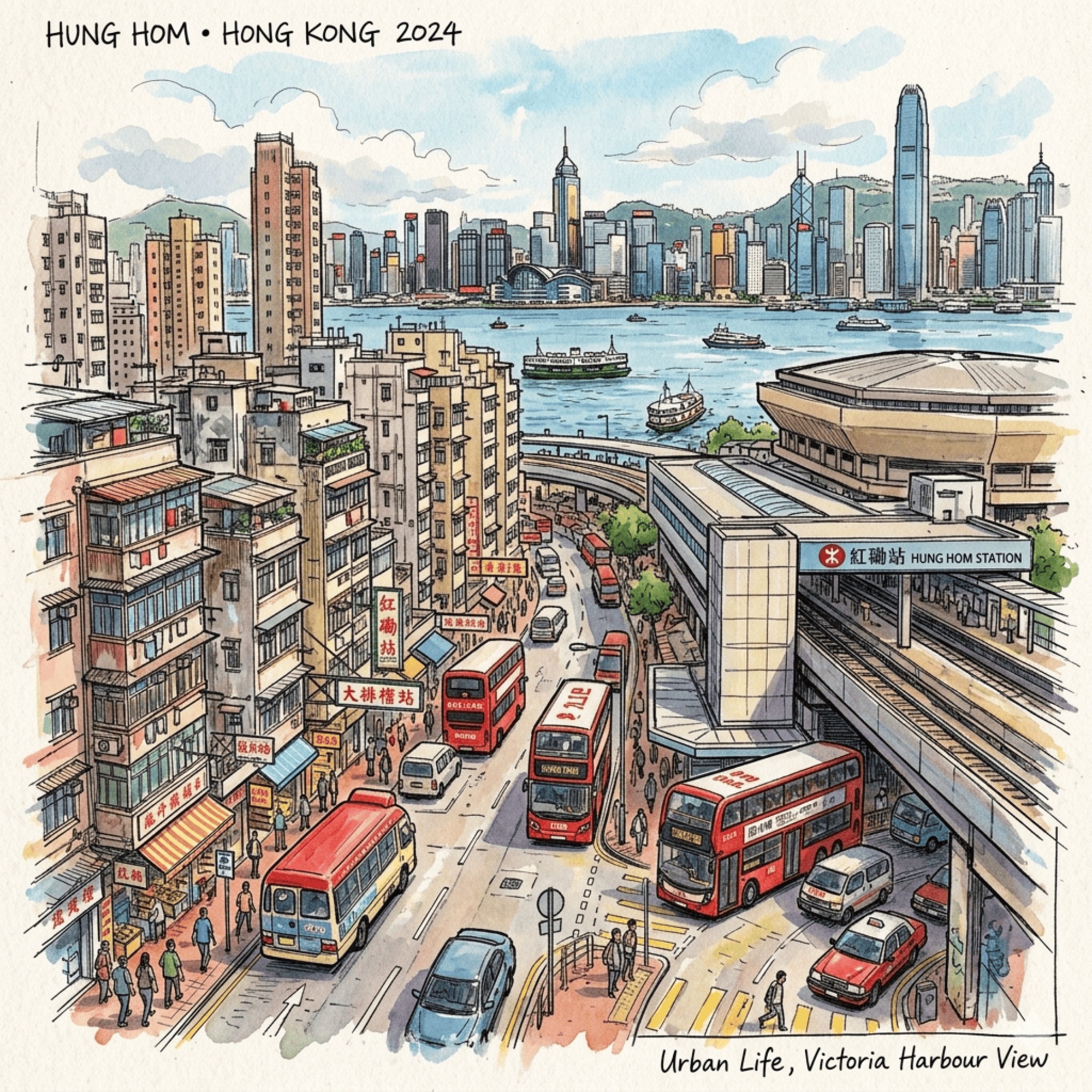
This research report examines the historical evolution of Hung Hom from a colonial industrial hub into a complex social space shaped by geopolitical conflict and local resilience. The sources detail the traumatic impact of World War II, specifically the 1944 Allied air raids that devastated local schools and led to the religious mythologizing of the Kwun Yum Temple. During the Cold War era, the region saw the strategic use of education and corporate partnerships to counter political radicalism among the working class. The text also highlights the development of specialized infrastructure, such as power plant sabotage during the Japanese occupation and the establishment of a dedicated "death logistics" railway for funeral services. Ultimately, the records illustrate how community-led organizations filled governance gaps, transforming Hung Hom into a unique landscape where industrial history, spiritual identity, and urban necessity intersect.
The Unwritten Pages of Yesterday 細 聽 長 風 說 舊 河
Hosts & Guests
No transcript available for this episode.