0:00
Welcome back to the Guardian with Join Holly Radio show.
0:06
Happy to have you along.
0:07
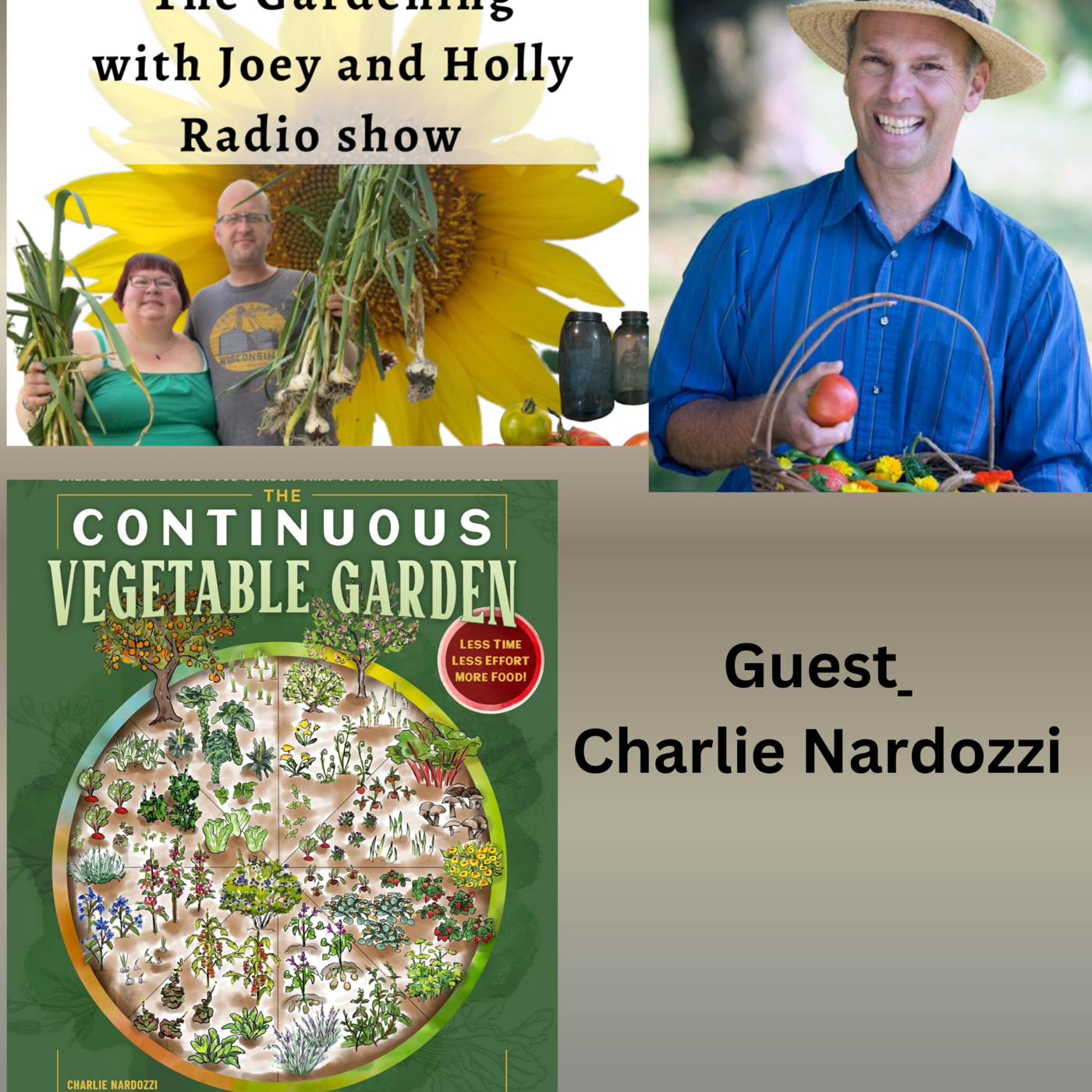
Charles Nardosi will be with us,
0:09
podcaster, garden talk radio host and author but very shortly but before that
0:16
we need to talk about keeping your hands clean with a new product from our good
0:22
friends at scrubbysoap.com.
0:24
Yes, scrubby is an actual soap with a scrubber inside that fills the entire
0:27
size of the bar rather than using harsh synthetic cleaning agents that you
0:30
citrus oil. Scrubby is for everybody.
0:33
If you're you know if you're getting dirty greased the oil layer painting
0:36
you you can definitely benefit from this. You
0:39
is for artists, painters, gardeners, mechanics you can use it on
0:44
anything. Do you get your hand dirty? Yes, you qualify.
0:46
Yes, it's made with a citrus oil built in scrubber and no sponge needed.
0:50
You can get 10% off your order by using code soap.
0:55
Check out at scrubbysoap.com.
0:57
Holly, let's go to the hotline and bring in our gas for this week.
0:59
Charlie Nardosi is a regional Emmy award-winning nationally recognized
1:03
garden writer speaker radio and television personality.
1:06
He has worked for more than 30 years bringing expert gardening information to
1:10
home gardeners through radio television talks tours online and the printed
1:14
page. Charlie delights in making gardening
1:17
information simple, easy fun and accessible to
1:20
everyone. Welcome to the program Charlie.
1:23
Well, it's nice to be here. Thank you for having me on your show.
1:25
Well, thank you for taking etching a little time out of your busy schedule.
1:28
Not only to join Holly myself but all of her listeners and educating us in
1:32
some areas that we may not be fluent on.
1:37
I'll start with this. What is your best tip for getting the spring vegetable garden started?
1:42
Everybody's got these little neatness that know what is what is the best way to
1:46
to make a move and do it right the first time?
1:50
Well, I think the first thing especially this year because in the mid-west end
1:54
in northeast where I am we've had a kind of a brutal winter and as soon as you get
1:58
signs of spring everyone jumps out there and wants to start planting things but
2:02
you should really kind of just slow it down. It's still march and take a look at
2:06
what things you need to be putting in, what things you need to be
2:09
looking at purchasing, what things you need to be maybe starting from seed
2:13
and really have a plan. That's I think the one thing that most
2:17
beginning especially vegetable gardeners don't do they kind of think
2:20
wake up on a Friday and say oh I think I'll plant a vegetable garden this weekend
2:23
and they don't really come up with a plan and how to do that. So I think probably the best tip to be
2:28
to do is to have a plan no one you're going to be putting things in and stick with it regardless
2:32
of what weather it comes at you and you'll see that it'll actually reward you with a really
2:36
healthy garden. And you bring up a good point oh it's four days of 75 degree weather
2:42
but you didn't look at the 15 day forecast you're going to get snow three to six inches in a week
2:46
so you know and you move all this stuff around you've got good bugs and bad bugs on this soil
2:51
that still needs to overwinter a few more weeks before you start cleaning the garden out and get
2:55
ready to plant. Exactly don't want to rush the season and march as you know it can be like that
3:01
very fickle it can be beautiful one day and I'll blizzard the next day so be patient with it
3:05
have a plan and kind of work from that and you'll actually see that by being patient you'll
3:11
be able to grow things at the right time and they'll grow much better and much healthier.
3:16
Definitely. So what is something you learn later on in your garden experience?
3:20
You wish you would have known much much sooner. Well I think because my gardening experience
3:26
goes back decades now which is hard to believe actually I think what I wish I knew earlier that I
3:34
learned later on would be being able to garden more in tune with nature and being able to really
3:39
understand what happens when you turn the soil or add fertilizers to the soil or pesticides
3:44
to the soil and what happens if you kind of let nature take the lead on how you're gardening and
3:50
don't be so much thinking that I'm going to control it all I'm going to make it just perfect
3:54
just this one way but really garden more in tune with nature not only is it better ecologically
3:59
for your whole garden and your whole yard it's better for the plants you'll get more productive
4:04
plants and healthier plants and it's better for you you won't get stressed out so much when things
4:10
don't go your way or think don't go well you think they're they're supposed to go so just
4:14
being a little more relaxed around the garden and kind of watching and observing and
4:17
following the cues that nature gives us can really help you become a better vegetable gardener.
4:22
Yeah you bring up two key words stress and pesticides people think that you know you have to use
4:27
some kind of pesticides in order to have a pristine garden and people get stressed because oh I
4:33
got weeds or I need to do this you're not trying to present your garden on the cover of a magazine
4:40
or a PBS program it's okay it's supposed to be a detachment from society it's supposed to be
4:45
fun you're not making it fun and also the chemical aspect it's okay to have some bad bugs too you
4:51
gotta have a balance. Right exactly and you're not trying to be like a professional farmer or an
4:57
orchardist who's going to have like these perfect blemish-free fruits and vegetables there's no
5:00
need for that and the vegetables and fruits will taste just as good if they have a few blemishes on
5:05
them if they're a little deformed they'll still be good and they'll still enjoy them and when
5:09
you cut them up and you throw them in a salad or you cook with them you'll never even know
5:13
they were blemish they're just very tasty fruits and vegetables. Now you spoke about being in the
5:18
gardening world and being a gardener for decades how did you get started I believe you were
5:23
following what was your your Italian grandfather around the garden is that how it all began?
5:27
That is how it all began in Connecticut my Italian grandparents had a farm there and each time
5:32
one of their kids got married they gave them a piece of land on the farm to build their house so I
5:37
grew up with all my aunts and uncles and cousins up and down the road and the the farm in the
5:42
background so it was the Italian American enclave and every spring he wouldn't my grandfather would
5:48
come up to my mother's house and would tell the soil and we would plant the vegetable garden
5:53
there and that's when my mom wouldn't have us boys go out meet my two brothers and we go pick the
5:57
rocks and she'd go plant all the plants and that's kind of how it got started I wasn't really
6:02
that excited about it as a kid of course I mean like many kids but we did it and but we also had
6:09
that atmosphere of gardening all around my grandfather had a huge big garden and of course he raised
6:14
animals and had other things going on too in his what we call now a diversified farm so it kind
6:19
of got into my blood there and then when I started thinking about what to do professionally and
6:24
going to school it just kind of came back that I love being out in nature and I also love gardening
6:29
and growing things and so that's kind of where it started and where it's continued my whole career
6:33
actually and we asked that question you know how do you get some people found later on life and
6:38
other people grew up with it and knew nothing else but that and they turns that you know that
6:44
memory into an occupation and a career yes exactly and that's kind of what happened for me I
6:51
tell people how my career is gone and they're kind of amazed that I haven't shifted around and
6:55
bounced around different jobs and different careers it's all been around the world of gardening
6:59
and it's been great because I've been able to expand and write books and do TV and radio shows
7:04
and take trips and do all kinds of things but it's all about gardens and plants and that's really
7:09
the basis of my career and what I've been doing for work so let's let's talk about your newest book
7:14
the continuous vegetable garden what can our listeners look forward to when they pick up a
7:20
copy and what can they learn from it yeah the continuous vegetable garden book is one that I've
7:25
been kind of doing parts of it for years and it was an opportunity to put all of the different
7:30
types of techniques I've been doing under one cover so to speak and that's what I've done with
7:35
this book and the hope is that you'll be able to be a continuous vegetable gardener and what that
7:41
means is that instead of having that boom and bust cycle that I think all of us grew up with I know
7:46
with my mom too she would plant everything around memorial day and then everything would mature
7:50
depending on the plants maybe a month or two later and then you have nothing after that instead of
7:55
having that kind of boom and bust cycle this is a way to actually garden so that you're out in the
8:01
garden on a regular basis I'm assuming you like to garden you want to be outside you want to be
8:05
around plants but you don't have to be out there for hours a day it could be a 10 15 minutes stretch
8:10
a day where you plant something you weed something you water something you move something around
8:15
and continue a vegetable garden by using techniques like succession planting inter planting and
8:20
companion planting you're able to grow small amounts of food right through the growing season so
8:25
you have it continuously fresh fruit from the garden continuously and I do the same thing I have
8:30
a chapter on doing that with fruit too how to have a continuous fruit garden as well and the idea
8:36
behind that is that you're not overwhelmed with it you have fresh vegetables there it's easier on
8:41
the soil it's easier on you and also we use techniques in the book that's going to help you
8:46
garden more in tomb with nature so for example no dig gardening that we've alluded to already that's
8:52
a great technique for not having to turn till or dig the soil so you preserve the microbes in the
8:58
soil and the soil is healthier and the plants of course will be healthier in return but there's
9:03
also other things I have chapters on growing perennial vegetables so you don't have to work so hard
9:07
they come back here after year all you have to do is harvest them and just take care of them a
9:11
little bit during the growing season or self-sowing vegetables once that naturally go to seed drop
9:17
their seed and then the next year they'll grow back up again even in a northern climate so you
9:21
don't have to buy the seed and you don't have to sow the seed and guess when to plant it it's just
9:25
going to come up when it naturally is the perfect time for it to grow so there's sections in this
9:30
whole book and as well as a whole a whole chapter on designs too and illustrated designs where I
9:37
show you step by step what your garden will look like in the spring in the summer and the fall
9:42
using these techniques so you can get an idea of just going into the garden with this book and
9:46
saying okay this is what we're planting now and a month or two this is what we're going to do
9:50
and a month or two after that this is what we'll do and we'll have that continuous
9:53
succession of plants growing right through the season. Now you brought up a term no dig vegetable
9:59
garden for some people who are listening they grew up in a world where it was religious
10:04
to their parents or they tilled weekly or monthly and you couldn't garden without tilling the soil
10:10
can you dive in a little bit more to how and why someone may want to go that route or at
10:17
least partially go that route to explore the benefits of it. Yeah so what we found you know this
10:22
is the same as motel agriculture you probably have heard of and there's a lot of lasagna gardening
10:27
a lot of different names for it but it's becoming more and more popular because not only is it a
10:31
better way to garden and tune with nature but it's a lot easier on us gardeners as far as the work
10:37
you have to do and the rewards you get for that work so the idea of course is to not turn or
10:42
till the soil because you don't want to destroy those microbial networks or in the soil in one
10:47
table spoon of soil there could be over four billion microbes fungi bacteria viruses and what they're
10:53
doing in there is creating these networks that transfer water and nutrients between plants
10:58
every time you tell it you break that up and the soil has to recreate it over and over again
11:03
so the idea with no dig is to leave it be let it be that way and then build healthy soil on top of
11:08
whatever your native soil is and that's where the lasagna gardening comes in where you add layers
11:13
of organic materials such as hay or straw chopped leaves grass clippings from untreated lawns
11:19
and then eventually you top the whole thing with compost and then you literally plant right
11:24
into the compost whatever transplants or seeds you're growing and what happens is all that material
11:29
breaks down but you're still in contact with the native soil so you're getting some of the benefits
11:33
of whatever soil that is too but you don't get the weed seeds because everything is kind of buried
11:38
you don't have to water as much because you have high organic material material holding the water
11:43
in the soil and you can plant things closer together and do what we call inter planting
11:48
so using these techniques of no dig gardening you can actually grow a healthier garden that's
11:53
less work than what you normally would have and to maintain it all you're going to do is just
11:58
chop down the plants that are there if they're healthy so say you had a bean crop is really healthy
12:03
that a pulling it out we don't do that we chop it down with a hedge trimmer and just drop it there
12:08
and leave it there let it decompose a little bit put a layer of compost over the top plant your
12:13
next crop after that or if it's winter time you can just chop it and leave it over winter
12:17
or if it's diseased you remove the plant and then you put bring some organic materials into
12:22
protect the soil because another tenant of no dig is to always have something covering your soil
12:28
12 months of the year whether it be plants or organic matter you want to protect that soil
12:34
fantastic so what are some tips for newer gardeners who may be in their first seasons of gardening
12:40
that can help them get them on the right track yeah if you're just starting out I always recommend
12:46
that people start out small you know don't go out and and create five six seven raised beds or
12:52
something start with one simple raised bed and raise beds are nice because you elevate the soil
12:56
you can bring in some fresh soil so again you're not really dependent on what the native soil is
13:01
like so start with that start with maybe one bed think about the things you really like to eat
13:06
because you always want to grow something you want to eat and if if a lot of those plants are
13:11
available as transplants start with that you know start with a couple tomato plants a couple
13:15
pepper plants a couple broccoli plants whatever it is it's much easier to start with a seedling versus
13:21
seed if you do want to do seeds start with easy plants like bush beans sprinkling those around
13:26
or lettuces and arugula some of the leafy greens the Swiss chard those are the kind of plants
13:31
that are give you big rewards really quickly and the whole idea is to grow things you like
13:36
grow small quantity of them take good care of that one bed and be successful that's the key if
13:42
you can be successful the first year then you'll gain the confidence to expand in following years
13:47
and don't stress about it this is not a life or death this is a hobby fun hobby to get your hands
13:52
in the soil exactly and once you get hooked on it by eating fresh vegetables herbs and fruits from
13:58
your own yard then you'll just kind of this follow your lead as far as where your passion is going
14:03
well Charles we greatly appreciate the time the the information you share with Holly myself and
14:08
all of our listeners how can people find more about you find your podcast find your radio show
14:13
your radio shows and your books yeah so it's the easiest way to find out about where I am and what I
14:18
do is going to my website at gardeningwithcharlie.com gardeningwithcharlie.com and that'll talk all about
14:26
on the website there's all articles podcast videos there's webinars that I've done it talks about
14:31
the radio shows that I do and of course the trips I do internationally to different gardens
14:36
around the world. Would Charles Charlie thank you so much for helping us understand more about
14:42
how to be better gardeners and if you're a new gardener how to help them out as well.
14:47
Well you're very welcome and thanks for having me on the show.