Loading...
artsbookseducation
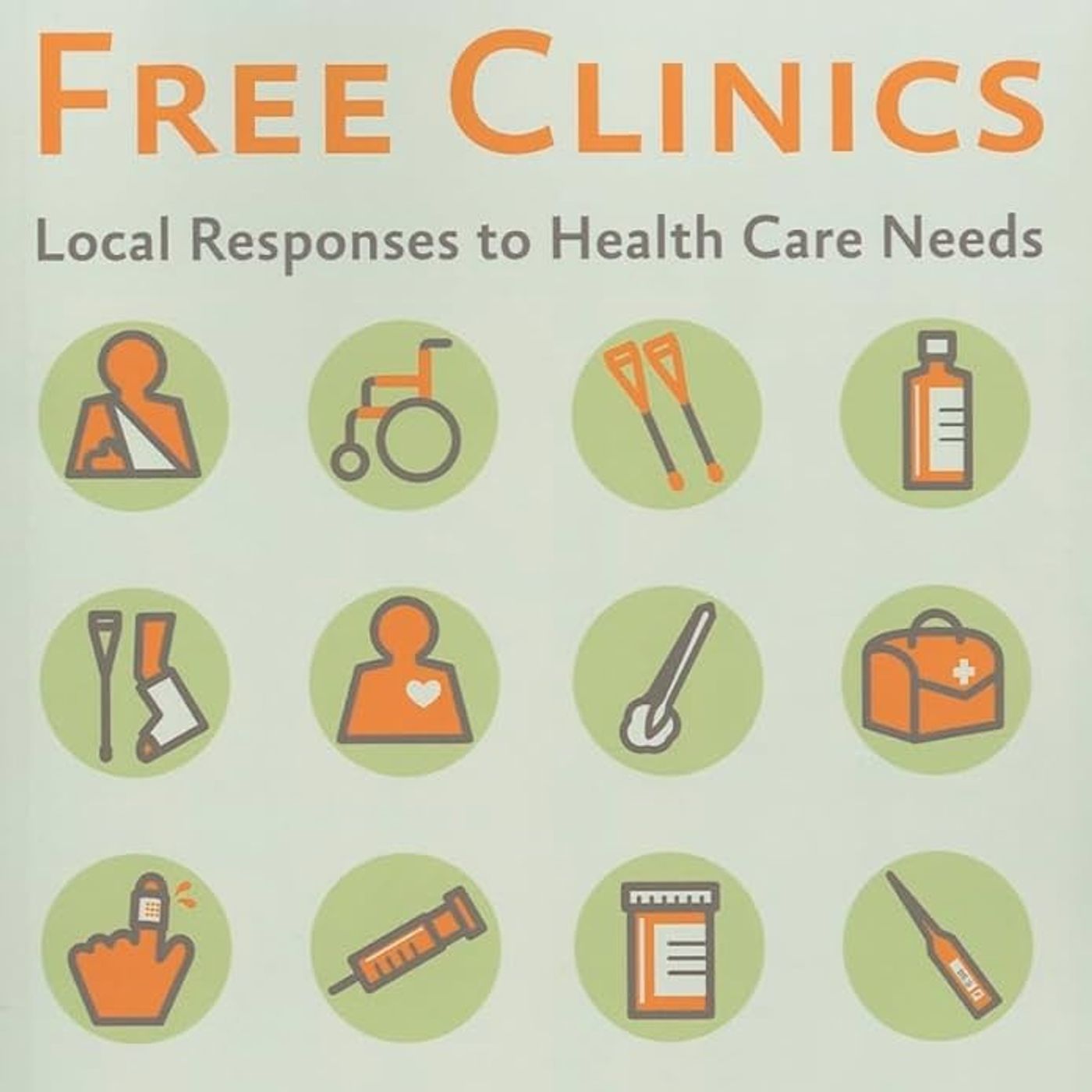
Free Clinics: Local Responses to Health Care Needs
About this Episode
This collection of chapters and articles explores various facets of healthcare delivery to underserved populations in the United States. It examines student-run free clinics as models for providing care and training future health professionals, highlighting specific projects and their impact on communities. The text also investigates community health centers, including faith-based and secular organizations, analyzing provider motivations and the challenges of serving vulnerable groups like the homeless and uninsured. Furthermore, it discusses innovative approaches such as mobile clinics, healthcare navigation programs, and the adaptation of care models to improve access and quality for marginalized communities, including considerations for health disparities and cultural competence.
You can listen and download our episodes for free on more than 10 different platforms:
https://linktr.ee/book_shelter
Get the Book now from Amazon:
https://www.amazon.com/Free-Clinics-Local-Responses-Health/dp/1421408848?&linkCode=ll1&tag=cvthunderx-20&linkId=57963451f3ce55b43e749f5f9de7804f&language=en_US&ref_=as_li_ss_tl
Produced by Podcai Studio:
https://www.podcaistudio.com/
You can listen and download our episodes for free on more than 10 different platforms:
https://linktr.ee/book_shelter
Get the Book now from Amazon:
https://www.amazon.com/Free-Clinics-Local-Responses-Health/dp/1421408848?&linkCode=ll1&tag=cvthunderx-20&linkId=57963451f3ce55b43e749f5f9de7804f&language=en_US&ref_=as_li_ss_tl
Produced by Podcai Studio:
https://www.podcaistudio.com/
No transcript available for this episode.


