About this episode
Good evening, stargazers! It's March 17th, and we're here to celebrate one of the most jaw-dropping moments in modern astronomical history!
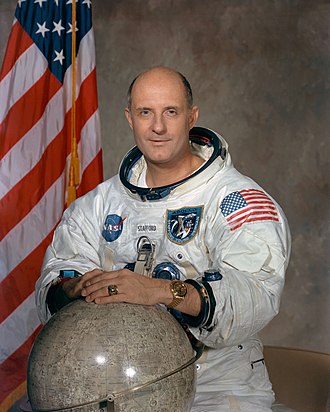
On this date in 1966, NASA's **Gemini 8** mission achieved something that had never been done before: the first-ever docking of two spacecraft in orbit! Astronauts Wally Schirra and Thomas P. Stafford piloted Gemini 8 to a rendezvous and docking with an Agena target vehicle—a feat that sounds routine now, but at the time, it was absolutely revolutionary.
Picture this: two vehicles hurtling through space at 17,500 miles per hour, and you've got to line them up *perfectly* so they can dock together. It's like threading the most impossible needle while riding a bullet! This wasn't just a spectacular achievement for bragging rights—it was a crucial stepping stone toward the Moon. NASA needed to prove that spacecraft could link up in orbit before they could even attempt the complex maneuvers required for the Apollo lunar missions.
The success of Gemini 8 demonstrated that humans weren't just capable of spaceflight—we were capable of *precision* spaceflight. It showed we could choreograph orbital ballet!
Be sure to **subscribe to the Astronomy Tonight podcast** so you never miss these cosmic stories! For more information about tonight's episode, check us out at **QuietPlease.ai**. Thank you so much for listening to another Quiet Please Production!
This content was created in partnership and with the help of Artificial Intelligence AI
This episode includes AI-generated content.
Get every episode summarized
Each time Astronomy Tonight publishes, we email you a written briefing from the transcript — the topics, who appeared, and any specific claims, with the ad reads skipped.
Email me new episodesFree for 3 shows. No card needed.
Hosts & guests

Transcript ready
28 searchable segments. Every word is indexed and playable.
Full transcript
Astronomy Tonight — # Gemini 8: First Spacecraft Docking in Orbit. Machine-transcribed; use the interactive transcript above to jump the player to any line.
Hi, this is Alex Cantrowitz. I'm the host of Big Technology podcast, a long time reporter and an on-air contributor to CNBC. And if you're like me, you're trying to figure out how artificial intelligence is changing the business world and our lives. So each week on Big Technology, I bring on key actors from companies building AI tech and outsiders trying to influence it, asking where this is all going. They come from places like Nvidia, Microsoft, Amazon, and plenty more. So if you want to be smart with your wallet, your career choices, and meetings with your colleagues and at dinner parties, listen to Big Technology podcast wherever you get your podcasts. Hey, I'm Josh Spiegel, host of the podcast, Lunatic in the newsroom. If you enjoy journalism that drifts into mild panic, wild overthinking, and a guaranteed nervous breakdown, Lunatic in the newsroom is for you. It's news like you've never heard before. The only newsroom with a panic button, you'll laugh, you'll cry, and gasp and horror as the show spirals completely out of control. It's not just news, it's emotionally unstable. Lunatic in the newsroom, listen
today. Five live chat is your astronomy tonight podcast. Good evening, stargazers. It's March 17th, and we're here to celebrate one of the most jaw dropping moments in modern astronomical history. On this date, in 1966, NASA's Gemini 8 mission achieved something that had never been done before, the first ever docking of two spacecraft in orbit. Astronauts Wally Shira and Thomas P. Stafford piloted Gemini 8 to a rendezvous and docking with an Regina target vehicle, a feat that sounds routine now, but at the time it was absolutely revolutionary. Picture this, two vehicles hurtling through space at 17,500 miles per hour, and you've got to line them up perfectly so they can dock together. It's like threading the most impossible needle while riding a bullet. This wasn't just a spectacular achievement for bragging rights, it was a crucial stepping stone toward the moon. NASA needed to prove that spacecraft could link up in orbit before they could even attempt the complex maneuvers required for the Apollo lunar missions. The success of Gemini 8 demonstrated that humans weren't just capable of
spaceflight. We were capable of precision spaceflight. It showed we could choreograph orbital ballet. Be sure to subscribe to the Astronomy Tonight podcast so you never miss these cosmic stories. For more information about tonight's episode, check us out at quietplease.ai. Thank you so much for listening to another Quiet Please production.
More episodes
More from Astronomy Tonight

# Venus Transit of 1882: Measuring the Solar System
Astronomy Tonight
# Arthur Auwers: The Meticulous Star Mapper Who Built Celestial GPS
Astronomy Tonight
Hubble's Flawed Vision: From Disaster to Discovery
Astronomy Tonight
# The Great Daylight Comet of 1960: A Celestial Surprise
Astronomy Tonight