Loading...
educationself improvementhealth
How Eleanor Morton Went from Viral Videos to Voicing Castle Gate
About this Episode
What happens when a Scottish comedian gone viral narrates a historical novel about Scottish immigrants, ancestral trauma, and a mining disaster? You get a fascinating conversation with Eleanor Morton.In this episode, Lisa sits down with the comedian, actress, author, and creator of beloved sketch characters like Craig the Tour Guide to talk about stand-up, social media, writing, performance, and the making of Eleanor’s audiobook work on Castle Gate. Along the way, they get into the realities of being a woman in comedy, the randomness of viral success, the hidden stories of women in history, and the fine art of making accents both authentic and understandable.You’ll hear about:* How Eleanor got her start in stand-up comedy in Edinburgh* Why viral success is unpredictable, and why authenticity matters more* The story behind Life Lessons from Historical Women* What drew her to narrating Castle Gate* The challenge of performing Scottish, American, Welsh, Yorkshire, and other accents on audioIt’s funny, thoughtful, and full of behind-the-scenes insight into comedy, character, history, and storytelling.Visit Eleanor’s website here.Check out a sample of Eleanor’s narration here:Lisa Bonnice is an award-winning author, podcaster, and former stand-up comic whose work blends humor, heart, and spiritual depth.Her latest novel, Castle Gate, is a historical fiction saga rooted in ancestral trauma and the 1924 Castle Gate Mine Disaster, available in hardcover, paperback, ebook and audiobook.Her book Fear of Our Father, co-authored with Stacey M. Kananen, was recently made into a Lifetime movie, Monster in the Family.Learn more at lisabonnice.com and castlegatebook.com.Subscribe free or paid — same content, but your support helps keep the magic flowing.
Get full access to Lisa Bonnice: Post-Woo Oracle at lisabonnice.substack.com/subscribe
Get full access to Lisa Bonnice: Post-Woo Oracle at lisabonnice.substack.com/subscribe
Hosts & Guests
Transcript
Welcome everyone, this is now with Lisa Bunnies and go figure, I'm Lisa Bunnies.
I have a fun special guest today, Scottish comedian, actress, author and viral video
star, Eleanor Morton.
Eleanor is well known for her online sketch characters like Craig the tour guide and
documentary and Suzanne Primate, which have gained her fans such as Patton Oswald, Michael
McKean and me because of her uncanny talent with so many accents, I asked her to narrate
my historical fiction novel, Castle Gate, which tells the story of my Scottish ancestors
who emigrated to the US over a hundred years ago, several of whom were killed in the
Castle Gate mind disaster, not exactly comedy, but this is where the actress side comes
in.
Eleanor did an incredible job with the narration and I wanted to spend some time with her
today so you could get to know her as well.
Eleanor, welcome, it's so good to see you again.
It's so nice to see you, thank you for having me.
Yeah, yeah, I'm delighted, I've been looking forward to this for a while now.
Now let's start at the beginning, you know, the best place to start.
Let's talk about your background in comedy, how long have you been stand up, what made
you want to get up there on the stage, all the things?
I have been doing it, it will be 16 years in May, which seems crazy.
So I started when I was a teenager, I kind of watched a lot of mostly British comedians
when I was younger and I thought, oh, that's a job, that's a cool job, you know, I wanted
to do acting, but then I was sort of introduced to stand up and it, I think it appealed to me
because you get to kind of create your own things and, you know, it's not a lot of control
when you're an actor and we stand up, it's very much all your own stuff.
So yeah, I just, and I started out in Edinburgh where I am also from and I did a few gigs
here and there and then obviously we have the Edinburgh French Festival here, which is
a huge arts festival, it's famous for its comedy every August, so I was able to kind
of practice there and sort of hone my stuff a bit and, yeah, I've been, and I'm still
doing it. So I moved to London for a bit in my 20s and then I did, you know, stuff down
there and I'm back home now in Edinburgh and, yeah, I've just, I've been doing something
to do with performing basically for my whole life, but this is where I've landed now.
That's the story. Nice, nice. Now you and I have talked in the past where, you know,
I did stand up back in the stone and back in, back in the, this was actually like the 80s
and 90s, that's how I look. And back then, being a female comic was really hard, it was
hard to get respect. They wouldn't book more than one woman on a show at a time because people
just wouldn't buy tickets. We don't want to see a bunch of broads. Is it still like that
or is it okay now for women? It really depends. I think it's definitely much better in a lot of ways,
like even from when I started, like 15 years ago, there's, there's, you know, you can see,
like you said, it was often, you know, you'd be the only woman on the bill, a lot of the time
and you'd be very aware of that and the green room would be very like Ladi. And now, yeah,
it's, it's much rarer that you'll be the only woman, which is nice, but I think still,
I'm still surprised sometimes when I come across people, you know, they'll come up to me after
the show and you can ask, I mean, you maybe have got this too, you can ask any female comedian,
people will come up to them and say, I don't normally like women comedians, but you, I like you,
and it's a big, it's meant to be a big compliment, of course, it's, it's a, it's a bit of a,
a double-edged sword. So yeah, it's, you know, I think we've become more visible. I think there's
so many more female comics than there ever have been, which is great, but there is still, you know,
you still run into people and gigs where people have quite old-fashioned views or people who not,
are not that into comedy, you know, a surprise to either see a woman who they think is good or,
or just see a woman at all, which is, it's kind of crazy, but I don't know if you have a gig with
Maria Bamford when you were sort of doing the stuff in the 80s and 90s, but she, you know, she
talks a lot about that, that kind of stuff back in the day, and I am, I kind of, you know, she's
one of my favorite comedians, and I find her very inspirational because, you know, she's sort of
equally, well, probably more, more so than me, quirky, weird kind of comedian, and I think, you
know, if she could, if she can do it in the 90s, in the clubs, in L.A., then I can do it now, surely.
So yeah, it's a mix, it's, you know, I wouldn't, I mean, I feel like the world is sort of in a
very weird place right now, so it's not as if we're busting at the seams with sort of feminism, but
definitely more women, and I think that can only be a good thing. Yeah, yeah, I love Maria Bamford.
I wish I had a chance to work with her, but alas, I have not. And I'm also wondering,
too, have you performed in the States, because I've noticed that, like Kevin Bridges,
who has a really thick Scottish program, he has to really tone it down when he comes to the
States. I mean, if you, if an American watches his, his YouTube videos or whatever, you almost have
to have the subtitles on. Have you run into that kind of thing? Well, my accent is very, very light,
so, so not, well, not as far as I'm aware, I mean, I do accents for some of my characters Craig,
he is a bit thicker of an accent, but I don't, I don't think so. I mean, to me, like, to, to
British people, all Scottish people at least, they, you know, I sound very English, but then I never
know how I sound to people not from the UK, because sometimes, you know, they'll, they'll think I
sound like I'm from another part of the UK or whatever. So, I don't think I've ever had, I'm trying
to think, I definitely, you know, have had friends, you know, being on bills with people with very
strong, you know, normally, the glass region is kind of the stereotypically thicker accent,
that's what Kevin Bridges has. And, you know, if you've got a very international crowd, it's,
it's, you don't know how much of it they're, they're taking in, but at the same time, I think, um,
uh, I think it, it's, it's, it really depends on the situation. I would love, I've never
gigged in America, I would love to gig in America. It's basically just a logistics thing, you know,
the cost of the whole thing, and, and I have no idea of, you know, where to go, and it's such a big
place, like, what would be the best place to go? And I've had lots of lovely people say, you know,
oh, I'd love to see you if you ever come to X or Y, and, um, I would love to go to America
and gig, but, um, you know, budget allowing, it hasn't happened yet. Yeah. Yeah. Well, it's, it's
absolutely changed since, since your days. Uh, nowadays, it seems that, um, I've learned
my, my daughter was the, the assistant manager of one of the local improvs here. So I've learned
inside from her that nowadays, if a comic has a huge social media following, you can book a club
yourself and just tell all your fans. I'm going to, and they'll, they'll, they'll, yeah, rooms.
So it's completely different from back in the old days, when the clubs either, they just
papered the room or they wouldn't bring in a, a big name, but you, you did mention Craig here.
So let's go ahead and, uh, because you've gone viral on social media, you play plenty of
characters and voice characterizations, but Craig, the tour guide seems to have really taken off.
So let me go ahead and play, uh, the one that went viral, the big one that opened the door
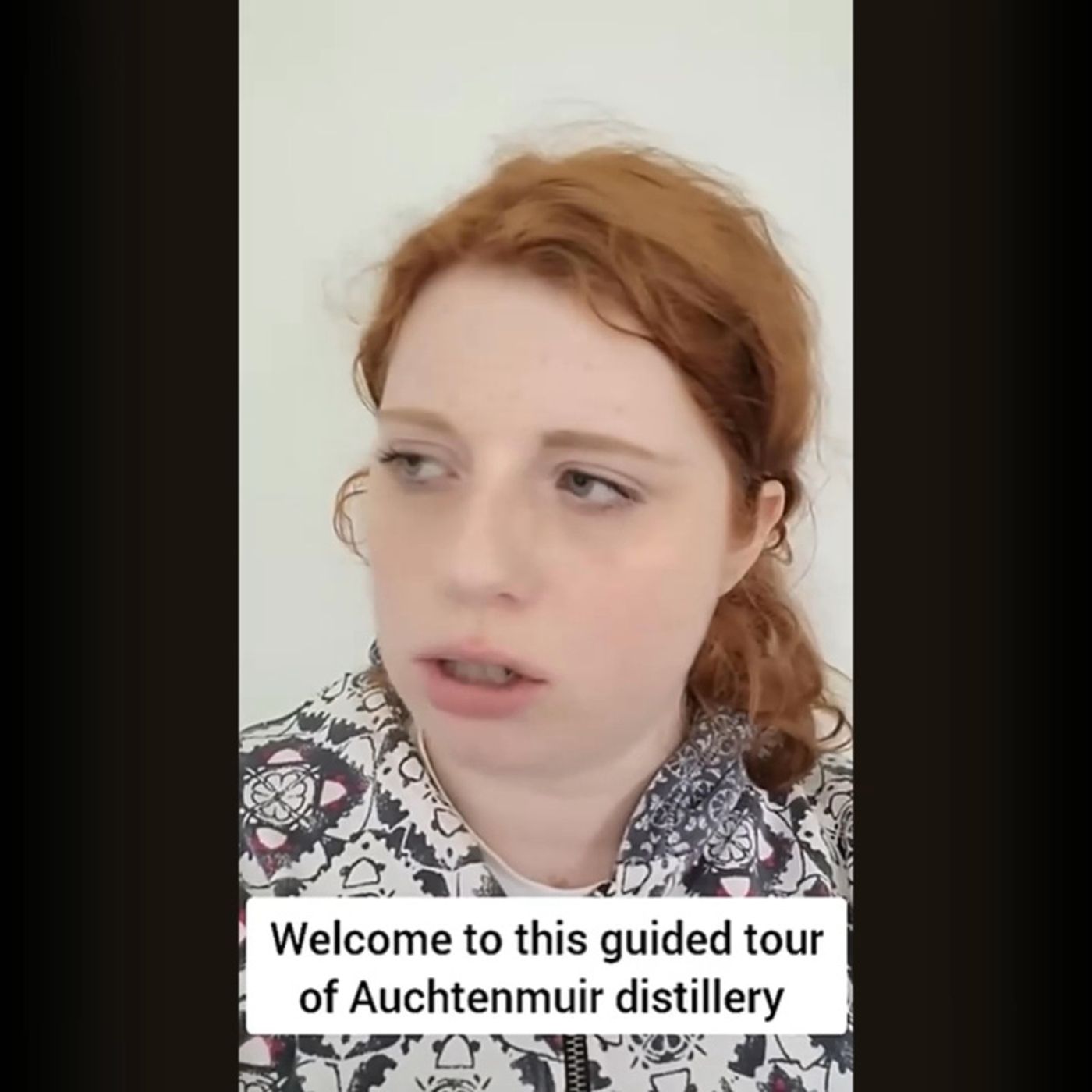
for those who've never experienced the lethargy that is Craig. Welcome to this guided
tour of Ochtinmeer Distillery. My name is Craig, today I'll be taking you through the majestic
history of Ushkaba, Akwavita, the water of life itself. Whiskey. Always note that as whiskey without
an E, if it's going E in it, that means it's Irish, and if it's called Scotch, that means it's American,
and it means it's Push. We have been distilling whiskey here for hundreds of years because
as I'm sure you could tell when you arrived this morning, there's absolutely fuck all else to do
around here. Our whiskey is unique and noted for its petty flavours, which is another way of saying
it tastes like mud. As you can see, we store it here in these oak barrels, giving an extra
oaky, woody taste to your muddy drink. I'll be honest with you, I'm no much of a whiskey fan
I like a tenants on a hot day, and on a cold day, a slightly warmer tenants.
And now the part of the tour I'm sure you've all anticipated, that's the sampling, so please take
a wee glass, swirl it round, give it a sniff, nod sage lay, let you know what you're talking about,
pretend you like the taste, commit to buying a full size bottle in the gift shop for £75,
that bottle will then sit unopened in your house for the next 40 years, because you're paid £75
for it, so you're not drinking it, it will then be inherited by your children, and they won't drink it
either, will then be found and ultimately thrown out by whichever person the government is charged
with clearing out your child's house after they die or hoarders surrounded by 40 cats.
I can see there are some youngsters on the tour, of course they would not be allowed to samples,
I will take those away, I don't like drinking the whiskey, but I will, of a half, thank you
for visiting the facility today, if you want to buy any whiskey as a summary gift shop,
well, I hope someone said my name. So this is the first one that I ever saw, and I believe that
this is the one that broke through, is that accurate? Yeah, I think I'd done a couple before that,
and the first one I ever did was a castle tour, and I think he wasn't really a character at that
point, it was just generic Scottish tour guide, as annoyed at tourists, and then he sort of,
I think that did okay in it, so I did it a couple more times, and by the time I got to the whiskey
distillery, he was sort of quite cemented as a character, and that was obviously as well,
you know, a whiskey tour is quite a popular thing, sort of especially for tourists to do,
so I think it was a lot of people, you know, would retweet or something that they'd actually
experienced. A lot of, I've got a lot of whiskey fans following me, and I had to be like, I don't
know anything about whiskey, I'm not interested in whiskey, I'm really sorry, but you will not,
this won't, you won't get any more whiskey content from me, so, but yeah, it was, it was,
it was weird actually, it was surprising that it struck a chord because I, it was just sort of,
I didn't think of it as niche, but I didn't think that many people would sort of resonate with it,
which, it kind of surprised me, and it was, it was almost a bit, you know, the first time you,
you get big with something like that, it's quite overwhelming to see the amount of people who
are interacting, you know, it's, you know, it's, you know, it used to it, and it's, it sort of,
it didn't freak me out, but it was certainly a bit like, oh, you know, I, you suddenly feel very
visible, and then, you know, it calmed down a bit, and now he's sort of, in my roster is a staple,
staple thing, but yeah, I'm, in that, I remember, because that, that one went viral, it still kind of
does the rounds, and I mean, I'm wearing a hoodie in it that I got in high school, and I still have,
and it's a tattooed, weird pattern thing, and I just think it's kind of embarrassing that, you know,
I'm not, if I had to know, and that was going viral, I would have made, made an effort to appear
much nicer. Well, that one alone has like over two million views, which is really impressive,
so I know that there are so many people out there these days who are, you know, publishing content,
praying to go viral. And there really isn't anything you can do to make that happen, is it? It's
just sort of the luck of the draw. Yeah, I think it is a couple of things you've got to kind of hit
people at the right time, and also it depends sometimes, not in this case, but often, you know,
if people do something topical, obviously that will, tends to do better if it's, if it's released
at a certain time, but there's, yeah, there's not really a science to it, and I wish I could
say this is the, this is the way you do it, because then I could do it every single time I did a video,
but yeah, it's completely random, and it's funny what does go viral versus what doesn't, like,
sometimes I'll dash off something, there's what I did recently that did pretty well about AI,
and it's, it's just about the, you know, the fact that it's everywhere, and all these companies
want you to use it, and I did that in about a minute in my parents' house in my old bedroom,
on a whim, and, you know, there's other stuff I will, like, carefully construct for weeks, and,
you know, it won't do well, but I think sometimes in that case, the stuff I really care about can
often be the more niche stuff that's less likely to do well, but, you know, I don't mind as long as,
as long as I'm making it and enjoying it, but yeah, there's, there's, there's not really a science to
accept, I suppose, I think, if you think something's funny, there's a likelihood other people will,
and then, you know, I think it's the best thing to do is not try and second guess what people want,
because that is sort of the emphasis of the spirit of it, and it doesn't really, you know,
you can tell when people are kind of just trying to go viral, it's, I think it's just always good
to do what you like, and hopefully other people like it, that's, that's what I found anyway.
Yeah, yeah, so you're also on, you're on pretty much all of the social media platforms, right?
How do you juggle them? Yeah. I basically try, and I sort of post everything on all of them,
and then I sort of don't really, I try not to hang around on, I think Instagram and Blue Sky,
the two, I sort of hang around on the most, but yeah, I'm on TikTok. People sometimes call me, like,
TikTok, Xelen and Morton, and I think that's funny, because I'm never on it. I never scroll through
anything. I post the video and I run away, because I don't want to have, you know, another app to
be addicted to. So, yeah, and then YouTube as well, but I just try and kind of treat them all, like,
you know, I put the video up on every single one at the same time, and then, and then sort of monitor
a little bit how they're doing, but yes, and I don't really go into it anymore, because it's
sort of become a crazy place, so it's kind of easy to avoid that one. And then I think,
the other one is threads, which is sort of not, it's not really, I mean, I don't know if you like it,
but for me, I sort of, I don't know who it's for, it sort of, it just seems to be driven on ragebait,
and it doesn't seem to work for me, so, so yeah, I mostly just stick to Instagram and Blue Sky,
and just try not to get, it's very easy to get, you know, addicted and just scroll, scroll, scroll,
but I think I've gotten better at that, because I did use to check every comment, and
obsessively check them, and, you know, what people were saying, and now it's like a lot less,
I think that was like a response like my body going, oh, you've got to, you've got to be alert on
what everyone's saying, and now it's sort of, I'm like, now it's fine.
So, then which of them do you find gives you, not so much which one do you enjoy as a human being,
but which one gives you the best return?
That's a good question, probably, probably the three I use the most, and maybe it would be the
other ones, if so, Blue Sky YouTube and Instagram, Instagram, I think, pivoted quite recently to,
you know, it used to be just pictures, and it sort of started to, I think, probably when Meta bought
it, it started to become a bit more invested in pitching in viral video stuff, so you'd
tend to do well if you post videos or post pictures, and YouTube definitely has
the best sort of creator reward system, like, you know, you don't get any money from Instagram,
and, or Blue Sky, you have to kind of, you have to ask people to donate, which they do very,
for a generously, but YouTube actually has a system where you, you get revenue if people watch
your videos, so, so I think that one probably because it feels the most like, it's invested in
what you're doing, but in terms of where the kind of the, the buzzes of other comedians, sort of
chatting about things and sharing things, probably Instagram more, and then I think Blue Sky's,
for me anyway, it's like a replacement for the kind of writing side of Twitter, a lot of academics
writers tend to tend to go to Blue Sky, so it's hard to say, but I mean, I think,
yeah, I think it's probably an equal, a three-way tie with that.
Okay, all right. Yeah. Well, I want to talk about your book, I happen to have a coffee
room. There it is. There it is. Tell me about how that happened. First of all, I love the book.
I love the concept, like watching historical women, women who should have been written about,
or at least known about all of them, so thank you for honoring their memories and telling
their stories. Tell me how the book came about. I was approached by Maria has my agent now,
and she said, have you ever thought about writing a book, which is quite,
quite common, I think, for comedians to get approached, because we are writers, essentially,
so people ask, and I hadn't really thought about it. I might sort of goals are more script-based,
but we sort of discussed what I was interested in, and I'm a huge history fan, huge history
nerd, and I also think, I'm very interested in the day-to-day history of sort of,
quote unquote, normal people, and I think women as well. There's so many people I've read about who
so many women whose stories are just very under the surface, and just right there next to
these big events, but just never really fully explored. I wanted to do a book that I would
read as well, so I'm not an academic anyway, so I couldn't make it too academic, but something
light enough to be fun to read, but then also some of this quite heavy subject matter,
so trying to find that balance, because yeah, and I wanted it to be quite a broad range of
women as well, and kind of show that women from all kinds of different places and time periods
have had impacts on history, because I think too often we just don't think about them.
I was listening to a podcast the other day about the female Jewish scientists who discovered,
I'm going to get this wrong, because I can't do science. Discovered the reactions, I think,
that were capable to create a tonic power, and basically didn't get any credit. She
her partner, male scientist boss won the Nobel Prize for this, but then when that technology
was used to create the atom bomb by him, he said, oh she did that, so they're already giving
out the credit when it's the bad thing and sort of erasing all the work she's before then,
and I think there's just hundreds and hundreds of those stories in every aspect of life that you
just don't hear about, and yeah, I just wanted to uncover some of them, because I could barely
scratch the stuff as that. When I was looking for a narrator from my own castle gate there right
behind me, I was trying to think of a Scottish actor who could, because I can't do accents,
I can write in an accent, but I would embarrass myself so badly, and I don't know why it didn't
occur to me until I heard your audiobook, because you created an audiobook based on this, and then I
was like, oh my god, Eleanor does all of these accents, and she obviously knows how to narrate
an audiobook, so that's what sort of brought me to asking you to narrate this castle gate.
In fact, let me go ahead and share now one of the videos of you demonstrating your incredible
range of accents. Excuse me more.
Oh my goodness, I love your hair. It's gorgeous. Oh my grandma had hair like that. She came over on the
Titanic. No, you don't get a free drink.
Hey, are you here for the festival? So other people in your family also have red hair,
and are they also as odd-looking as you?
Excuse me, ma'am, I'm from the McCranky clan of Nova Scotia, and I would love to
procreate with you if you so desire so that we may continue our lineage.
Yeah, you could, should you be able to have you though, have you though? Please tell me.
Here is my phone number. If you come to Russia,
meet my husband, we will adopt you. So yeah, so when I approached you to narrate Castle Gate,
and mentioned, you know, this is why I've got all these accents, and you've got the experience,
what was your initial reaction? Had you done any other audiobooks?
I've definitely done voiceover for little projects and things, and I actually used to produce audio
books as a sort of day job. That sounds a bigger job than it was. It just meant I was sitting
in a booth with the actor, and I was sort of checking that they were saying what they were meant to say.
But no, so initially I have to say I was not skeptical, but I was wondering, you said,
you know, I've got this book about Scotland, and I wondered if it was going to be a
bodice ripper or something, because that is the kind of book you tend to get,
not that I would have been against narrating that sounds fun, but I was really pleasantly surprised
as a history fan to find out, you know, that it was about this real event that happened,
and this real family who had emigrated because I think, first of all, I never heard about this,
you know, the mining disaster. And secondly, I think, as someone who does also have
relatives in America, various parts of America who emigrated.
You know, in Scotland, we don't tend to hear a lot about where people go
when they leave and what they do, and you know, it had not occurred to me that anyone would go to
the states to do any mining, actually, because I thought, well, stay here and mine, but,
you know, so I had no idea about that kind of that industry, and the sort of way people were
kind of setting up and things. So it was really interesting to find out all that stuff, especially
as a Scott who is interested in that kind of, again, like people's history, social history as well.
Yeah, well, it was also, it would have been for me anyway, a challenge to go back and forth
between the various, because you narrated the primary text in your everyday, rather English
something, accent. And then you would have to jump into various dialogues that I kept springing
on you. I mean, you did German, French, Russian, Yorkshire, Welsh, American, Western America.
I mean, you, you handled everything I threw out. Were any of those accents ones that you're like,
oh, I don't know if I can do this one? I think I mean, before I kind, I think the American ones
always stress me out because I, I can tell, you know, I can do the vague kind of generic,
generic sort of American generic sat southern generic Californian, generic Midwestern, but I certainly
couldn't do specifically anywhere. So I think as long as anyone's hoping that I have nailed a
specific state, I'm safe, but it's, it's, yeah, I'm trying, I mean, I'm trying to think, I think the
challenge with the Scottish ones was, you know, you were conscious of making sure that they were
authentic, but also, I imagine to a Scottish audience, some of them will probably sound more polished
than maybe the, the real life accents would have sounded, but I also, you know, apparently they
re-dubbed trainspotting because people didn't, didn't understand it. So I, I, I get it. There's no
point doing an authentic accent if no one knows what you're saying. But yeah, I, I've always loved
doing sort of, because my accent is a bit of a hodgepodge and people always asked me about it,
I think it made me interested from a young age in accents and, you know, I was asked people
where they're from and pick up on how they sound or, especially in Britain, we've got such a huge
range of accents in such small areas, you know, you can go down the road and it can be different. And
um, so yeah, I find it really fascinating, the kind of slight variations depending on places,
or the words people use depending on places. Um, but yeah, definitely the, the American ones
hopefully have done at least a passable attempt with them. It's, it's very, it's, I mean, when I'm
doing comedy characters, I'll probably do much more like valley girl kind of stuff because it's
much easier to do something very, you know, exaggerated than it is to, to be, I don't know, um,
a Detroitian very, uh, authentically. Well, you really do nail them in some of your videos,
you'll have like an American visiting Scotland. There's one, uh, uh, who approaches Craig,
who wants to go see her family's castle. And that is the perfect American accent. It's so funny to
hear, uh, a non-American doing an accent because, you know, I wonder, you know, you guys have the accent,
but, you know, I don't have the accent. So to get somebody doing our accent, it's funny to hear,
oh, that's what we sound like. Yeah. Well, I think what people forget in America is, is how much
American media we get over here. So from a very early age, I'm watching a lot more American stuff
than you are probably watching British stuff. I mean, there's different now because there's so much
crossover, there's so many more shows that are set, you know, in a lot of different places,
Netflix and then social media and things mean that people hear more accents, but I think until
quite recently, you know, you would only hear the accents of whichever media the TV had decided
to show you. So, um, so I'm, you know, I think that is well off people often say, oh,
British actors are so much better at American accents than the other way around. And
whether or not that's true, I think I think what it is is we just, you know, if you absorb
enough of it from an early age, it's more familiar. It's easier to do anything that's that's
familiar. You know, I'm much easier for me to do accents that I hear constantly than, um,
you know, accents that I hardly ever hear. I find, uh, there's the certain accents I can only do
in very exaggerated way because I'm not, you know, the more you know an accent, I think the more you
subtle you can, you can make it, but, um, but it's nice to hear, I'd people have been very kind about
about the American accents and, you know, it's, it's bang on on like few, um, but I do try and stick to
very, you know, generic stuff just so, uh, I never, I never set anything anywhere too specific,
otherwise, um, otherwise I'll get letters, but it's nice to know it's nice to know I'm getting
away with it. Yeah, yeah, absolutely. And again, with the, I mentioned this to you, I think in
our emails back and forth, when you, uh, when I first heard you do the Yorkshire accent and the
Welsh accent, I literally got goosebumps. It was just so, whoa, it took my breath away. How,
and I don't know why, I, I don't know why it affected me like that, but you were so bang on,
I love the Yorkshire accent. I, I, I'm obsessed with like, I don't know if you've watched, uh,
Les Tango and Halifax, um, and, uh, there, there are several shows that take place in your,
so I really know that accent and yes, nailed it. I mean, well, we'd have to ask someone from,
from Yorkshire about that, but I, I think I've certainly got the, um, uh, the bare bones. I don't know
how much you're familiar with Wallace and Graham at the animated cartoon. So that's set in Lancashire,
which is the next county along and they sort of have this comic rivalry, but that's, uh,
the, the main character in that wall is he has a Lancashire accent and that, um, you know,
so even, even within that, there's, you know, there's generic Northern, which is probably more of what
I've done and then it gets, you know, Lancashire is, um, sort of more rounded, like Lancashire
and New Yorkshire is sort of more open, I suppose. I think it helps to imagine
different mouth shapes when you do accents, because, um, because everyone's accent makes their
mouth a different shape and stuff when they talk. So, um, you know, I think, uh, sort of Australian is
quite back of the throat and American is quite forward, I think, and all these different things that
you have to, um, have to think about. But I mean, I, I know some people who are really incredible
accents and I am very envious of them because, you know, you just, you would not know. I mean,
I think Maria Banford is a great example of someone who's just, you know, she, when she does a voice,
she just changes completely and, uh, her family, impressions of her family are so,
so spot on, um, that's so funny. And I think, yeah, I think it's, it's a, it's a cool,
cool skill to have. So, so I enjoyed, I enjoyed using it in the book. Yeah. Well, I enjoyed
you doing it. Now, you also have, you've got so many things on your CV. You, uh, you recently did
a show at, what was it? BBC four Eleanor and Pell's? Yes, radio four. Yeah, thank you. Yeah, I
don't know. Um, it's a bit tricky to get because it's, it's on the BBC. So I think it may become
more available in America at some point because there is a BBC America, but I'm not sure. Um,
but yeah, that was a 15 minute pilot with, um, a friend of mine, Zara, who does a very
funny glass region character called Aileen, who's this sort of very, very opposite from Craig,
very posh woman who's sort of got ears and graces. And, um, yeah, that was really fun as well.
That was more, more accents, um, more characters. I think I feel like if I'm doing an act like,
when I'm Craig, I can really, you know, I'm not as, I can really sort of sink into the role in a way
that, that it's, it's much easier sometimes to express yourself as a character than as yourself. And
I think, um, accents definitely really help that. And I mean, I'm sure, I'm sure there's lots of
interviews with people like Daniel Lewis about this kind of thing, but you know, it's,
it's, it does help to kind of have that way of, of speaking and even like, for example, with,
you know, Craig's very slow, very, uh, you know, very dulcer and my whole face just like falls,
just completely all my muscles relax because I don't care. And that's, you know, that really helps
him come to life. It's just using that. Having said that, it's actually, I did do a live show of
Craig just Craig once for an hour and it was exhausting. He's so, he's so like, like, like you said,
lethargic that, um, it really took it out of me in a way that I think doing an upbeat character
probably wouldn't have done. So I'm not sure if I'll do a full hour of Craig again as much as I would
love to, um, maybe I'll record one. Well, I think you actually have a YouTube video where it's all
of the craigs, isn't that, is that right? Yes, I have, I have done a, uh, what do you call a,
a compilation, a Craig compilation and, um, I mean, I, I think I need to add, I think there's more
Craig since then, but, you know, people were always asked like, oh, I'd love to see more and,
you know, often people aren't aware. Um, sometimes, you know, the algorithm won't show you
them stuff, so they don't know. So I was like to say, if, if, you know, or sometimes I won't have
done a Craig video for a while and they'll say, I was Craig and I can say, here's an hour of him,
you know, enjoy, like, there's plenty of Craig, um, out there.
Now, uh, you also have your podcast. Let's talk about that. Yes. Yeah, I have a podcast with my
friend, uh, Alistair Beckett King, who's a very funny English comedian, um, and we, uh, we met
a few years ago, and I think it was funny because Alistair has this, if you've seen the picture of him
as this incredible hair, this very bright red, um, sort of hair, and it sort of looks like my,
my mom's hair. So I was, I felt oddly familiar to him when I met him. I was like, I feel like I've
seen you before. But then it also turned out we didn't just look similar. We had a lot of overlapping
interests and things. And for a while, I'd wanted to do a podcast about children's books because I
did literature at uni, and I was, I'm really interested in, we did a module on children's books. I
find it really fascinating the way in which, um, you know, the, the sort of history behind them and
the context and all the different types of children's literature. And, and it was just really
interesting. And I, I also just, um, you know, I have a lot of children's literature from growing up.
And I thought, um, you know, let's do a podcast where we sort of, uh, make a poke gentle fun mostly
at, at the classics. And also just look at them and say, you know, why is this a classic? And is
it still good? And, um, yeah, it's been really fun. We only do one a month because we have to read a
book. Sometimes it's just a picture book. It's fine. But sometimes it is a bit chunky. So,
an Alistair is much more busy than me. He's got another podcast, Lawman, um, which is great as well.
So, um, I don't want to tax him too hard because he also does the editing. I have very little,
I just swan in and I say my opinion on the book and then I swallow out again. So I feel very lucky.
But, um, yeah, I've had a really nice, um, feedback as well. And again, I think I just wanted to do a
podcast that I would also want to listen to, um, because I think that, you know, not that,
sort of, so cynical to say it was a gap in the market, but the, there wasn't really anything
that similar. And I, I know that if I like these things that are other people out there who
must like these things. So, did you, um, do you have favorite children's book that you'd,
you, you want to suggest at any point because, um, because we haven't done many American ones,
actually. You know what? One of my favorite, I've got, I actually still have them or I went out
of my way to buy. I don't know if you guys have the Scholastic Book Club, but it was, uh, it was a
book fair that, uh, what it, it was like when you were in the, uh, in elementary school, they would
come in and build like a bookstore out of, yes, Scholastic Books. And, uh, so I have a lot of them
left. I loved, uh, there was one called No Flying in the House. I loved that one. Um, there was
another one called The Witch Child. I loved the rolled doll ones. Uh, and I know that you guys have
already done, uh, some of them. We did. Yes. Yeah. Um, we might come back to it. Um, I, I really like,
I haven't read them for years and years, but I really enjoyed the, uh, some of the Judy Bloom ones
growing up super fudge and that kind of thing. Um, I remember. Have you read it? I've, I've never
read it. I know all of it because I, they made a movie as well, didn't they? Yeah. The movie was,
I shouldn't say that. I like the book better, but it's a, it's a pretty big book. So, uh, I don't know
if you guys would cover it on the podcast just because it would take a while to read, but yeah,
that, that was an excellent one as well. Nice. Yeah. Yeah. Wow. So I also want to mention that
you have a Patreon, if anybody would like to, uh, support Eleanor Morton. Your website is
EleanorMortonComedian.com. What can people find if they visit you there on your website?
Uh, they can find mostly up to date things about where I'm gigging. Uh, they can find
links to other things I'm doing to the podcast and the book as well. If you want to buy that and
just general updates, I do try my best to update it, um, frequently, but don't, I don't always get it
completely up to them in it. So, um, but also if you follow me on Instagram, I definitely post, um,
pretty immediately on there. So that's another good place to sort of get, get info on what's happening.
Cool. And are any of your stand-up shows online? I haven't been able to find them, but also,
like with Eleanor and pals, I, uh, I don't know if I should admit this, but you can't watch it
and are listening to the state. So you have to be sneaky and use a VPN. Sure. Yeah. Yeah.
Yeah. I'm not quite sure. I've never, so I think I TV, so there was a platform called Next Up,
which is sort of, which you probably could get in America again, I don't know, but they partnered
with ITV, which is one of our channels here, and then a lot of the videos from that are on
the ITV online thing. I have a link in my link tree, um, to, I think it's Eleanor Morton
has peaked, which is the 2022 show, I think. Um, so that's there, but yeah, I'm a friend I can tell you
how, how easy it is to access. It's, it's a little bit confusing, um, but, uh, yeah, I mean, hopefully
I will get my next show filmed and make it available somewhere, because I haven't done that
for a while, and I, I, I, I would like to, to have that recorded be nice. Yeah. Yeah.
Yeah. Wonderful. Well, once again, I want to show everybody life lessons from historical women,
Eleanor Morton. Check it out. It's available wherever you buy your books. Um, what, Eleanor,
do you have anything else you want to talk about, or do you feel like we've covered enough ground?
Um, yeah, I was going to, I was just going to ask you a bit about Castle Gate and, um, and, and how,
um, yeah, how it's been, how it's been going, because, um, are you, do you think you're going to
write another sort of chapter in the story of the family? Is that plan? Yeah, actually, uh, the
castle gate actually went really pretty well. In fact, if you see this poster up here, um,
yeah, documentary, um, amazing. The town of Helper, which you're probably familiar with now by
the, the sense you read the book, um, because the town of Castle Gate doesn't exist anymore.
They've torn it down. If you visit that spot, there's nothing but dirt. Um, so the town of Helper,
which is a few miles away, um, is sort of the centralized location for all the history,
and they created a documentary about the Castle Gate mine disaster for the 100 year anniversary,
which was, uh, March 8th, a couple days from now, uh, uh, 2024. That was the 100 year anniversary,
and I went there, uh, on that date to not only to be, I was in the documentary, and we did a book
signing, and I visited the entrance to the mine at the exact moment. It happened just after 8am.
So I was there at 8am, exactly 100 years later, and, you know, laid some flowers there, and I'm just
really, I feel really, really connected to these people, not just my ancestors, but all of the miners
who died there, and it was, it was kind of, I mean, I don't claim to be a medium, but I could feel
the presence of all these men, like they're just so glad to have not been forgotten. So it feels like
there's this wind under my sails that there, they want the story told. So they're sort of helping me,
you know, get it out there and get people reading it. But you asked if I'm writing another book,
because this is actually a trilogy, um, because, uh, the, if you recall, in the prologue where
Buck and Little John talks about this curse in the family, I'm writing a prequel to castle gate
about that witch trial that started this whole, yeah, this whole ancestral trauma thing rolling,
and then the third book is going to be, uh, the discovery, like it's, it's, they're all fictionalized
based on true stories. So the third book is going to be very heavily fictionalized because
it happened, you know, just a few years ago where we discovered all of this and realized that so
many things that had gone horribly wrong in our family were due to this inherited trauma and these
dysfunctional patterns that happened as a result of. So yeah, it's all in the works. It's just a matter
of as writing, having the time. Yeah, yeah. Uh, I look forward to hearing more about it. Yeah, yeah,
you can't wait to finish it. All right. Well, thank you so much, Eleanor. It is so nice to touch
base with you again to see it, to see you're doing well and all that good stuff. Thank you. It's been
really nice to chat. It's lovely to see you again. Yeah, yeah. All right. Well, thank you,
everybody for listening. Once again, Eleanor Morton, comedian.com
