Loading...
About this Episode
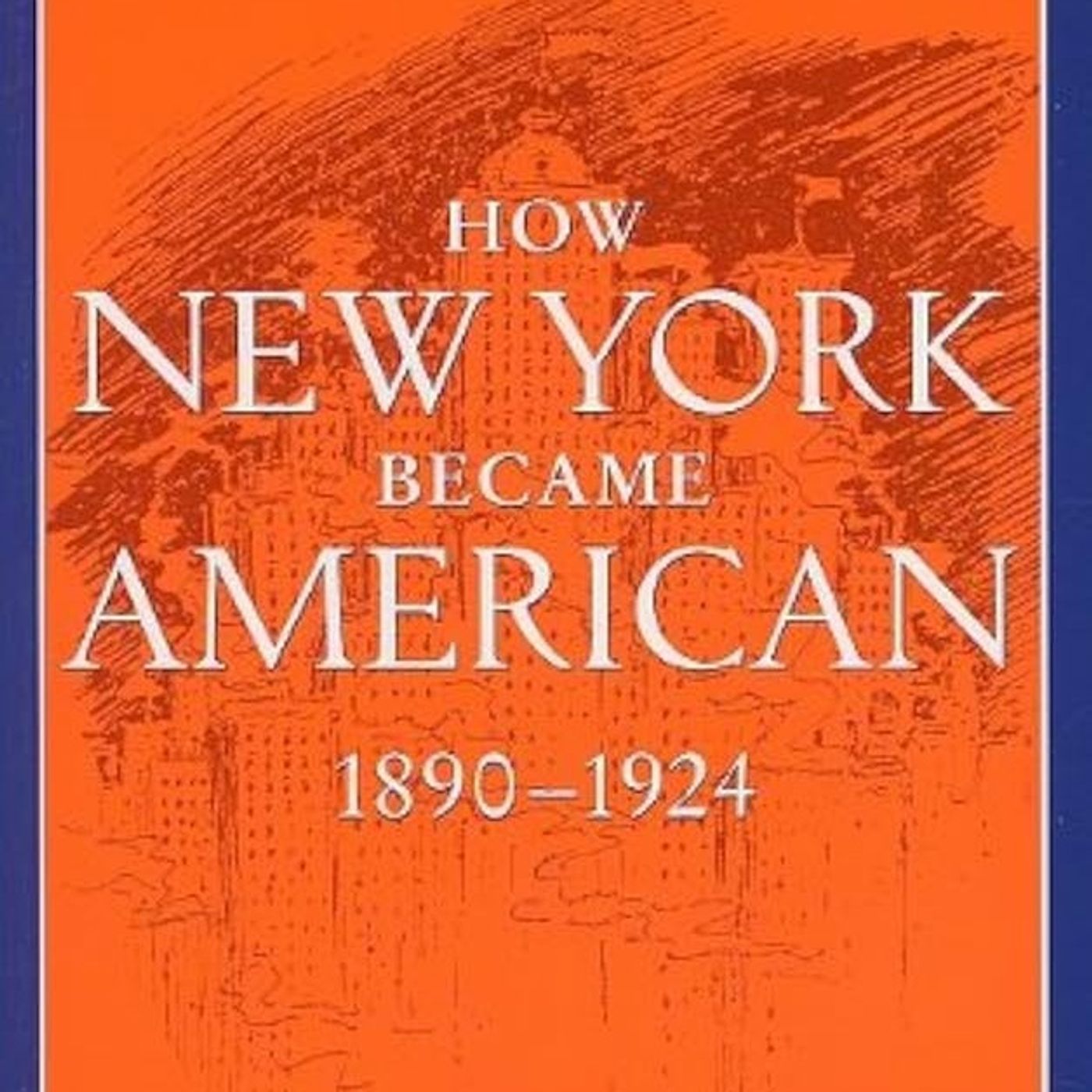
Examines the evolution of New York City's identity from 1890 to 1924, focusing on how it was presented and perceived as an "American" place. It explores the cultural forces at play, such as reformers using visual media like photography and maps to highlight social issues, and businessmen and the tourism industry working to promote a more appealing image of the city, particularly focusing on developing areas like Midtown. The book also considers the role of architecture, especially skyscrapers, and debates around race and immigration in shaping New York's image both within the city and across the nation. Ultimately, the text suggests that the city's perceived American character during this period resulted from a confluence of competing representations, with commercial interests and tourist experiences playing a significant part in defining its new public face.
You can listen and download our episodes for free on more than 10 different platforms:
https://linktr.ee/book_shelter
Get the Book now from Amazon:
https://www.amazon.com/How-York-Became-American-1890-1924/dp/0801892554?&linkCode=ll1&tag=cvthunderx-20&linkId=55268635ad479a4401ca17b64487607d&language=en_US&ref_=as_li_ss_tl
Produced by Podcai Studio:
https://www.podcaistudio.com/
You can listen and download our episodes for free on more than 10 different platforms:
https://linktr.ee/book_shelter
Get the Book now from Amazon:
https://www.amazon.com/How-York-Became-American-1890-1924/dp/0801892554?&linkCode=ll1&tag=cvthunderx-20&linkId=55268635ad479a4401ca17b64487607d&language=en_US&ref_=as_li_ss_tl
Produced by Podcai Studio:
https://www.podcaistudio.com/
No transcript available for this episode.


