Loading...
artsbookseducation
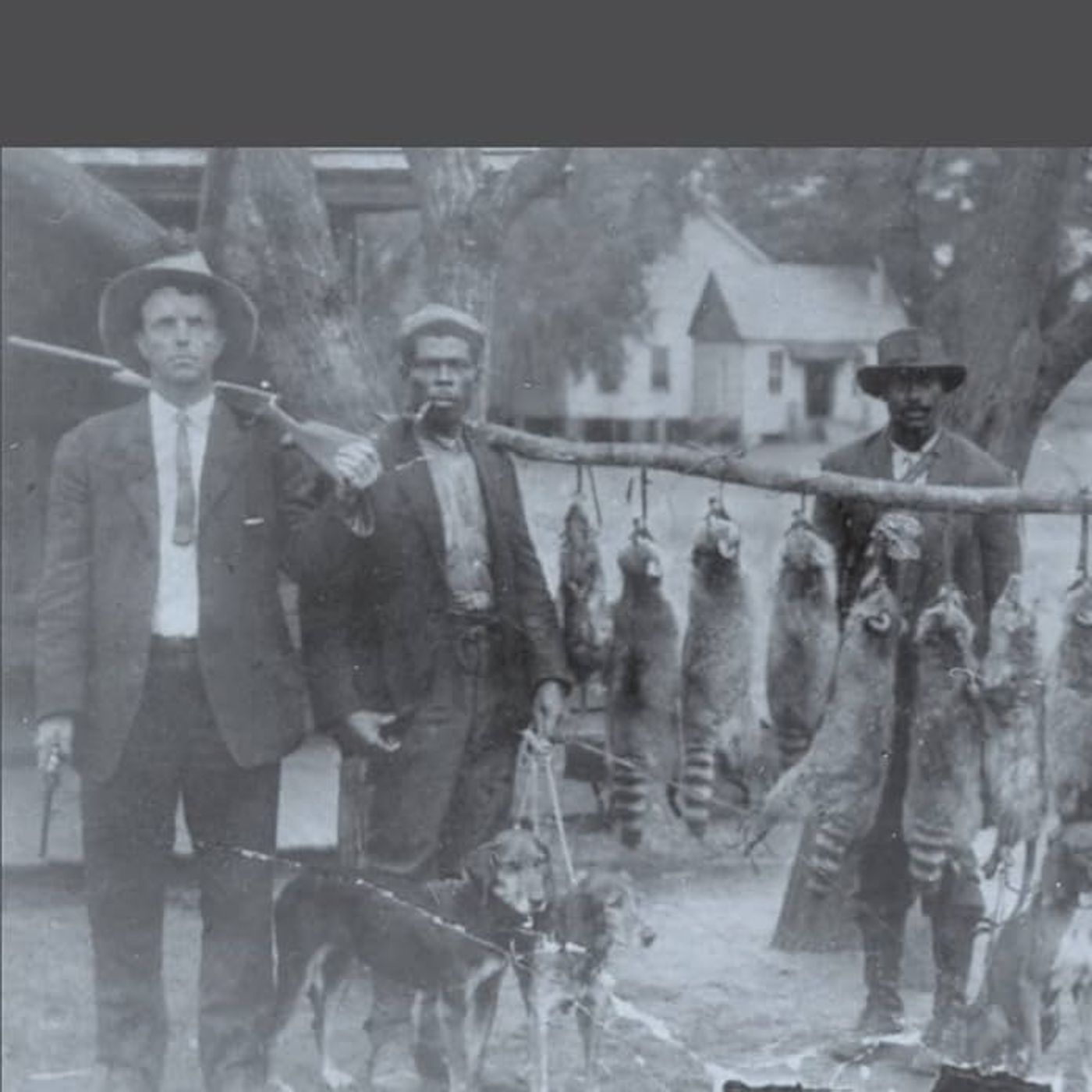
Hunting and Fishing in the New South: Black Labor and White Leisure after the Civil War
About this Episode
Examines the intricate relationship between hunting and fishing and Southern race relations following the Civil War. It highlights how African Americans leveraged these activities as a means of subsistence and a path towards greater independence, often to the dismay of white landowners who viewed this as interference with their labor control. Furthermore, the sources discuss how white sportsmen romanticized antebellum hunting practices and used black labor and stereotypes to reinforce notions of racial hierarchy in the post-emancipation era. Ultimately, the text reveals the complex and often contradictory ways in which hunting and fishing served as a contested space reflecting broader societal tensions in the New South.
You can listen and download our episodes for free on more than 10 different platforms:
https://linktr.ee/book_shelter
Get the Book now from Amazon:
https://www.amazon.com/Hunting-Fishing-New-South-University/dp/0801890233?&linkCode=ll1&tag=cvthunderx-20&linkId=d2e16fd4d28f57fae0660c00f8c58c9a&language=en_US&ref_=as_li_ss_tl
Produced by Podcai Studio:
https://www.podcaistudio.com/
You can listen and download our episodes for free on more than 10 different platforms:
https://linktr.ee/book_shelter
Get the Book now from Amazon:
https://www.amazon.com/Hunting-Fishing-New-South-University/dp/0801890233?&linkCode=ll1&tag=cvthunderx-20&linkId=d2e16fd4d28f57fae0660c00f8c58c9a&language=en_US&ref_=as_li_ss_tl
Produced by Podcai Studio:
https://www.podcaistudio.com/
No transcript available for this episode.


