Loading...
businessmanagementeducation
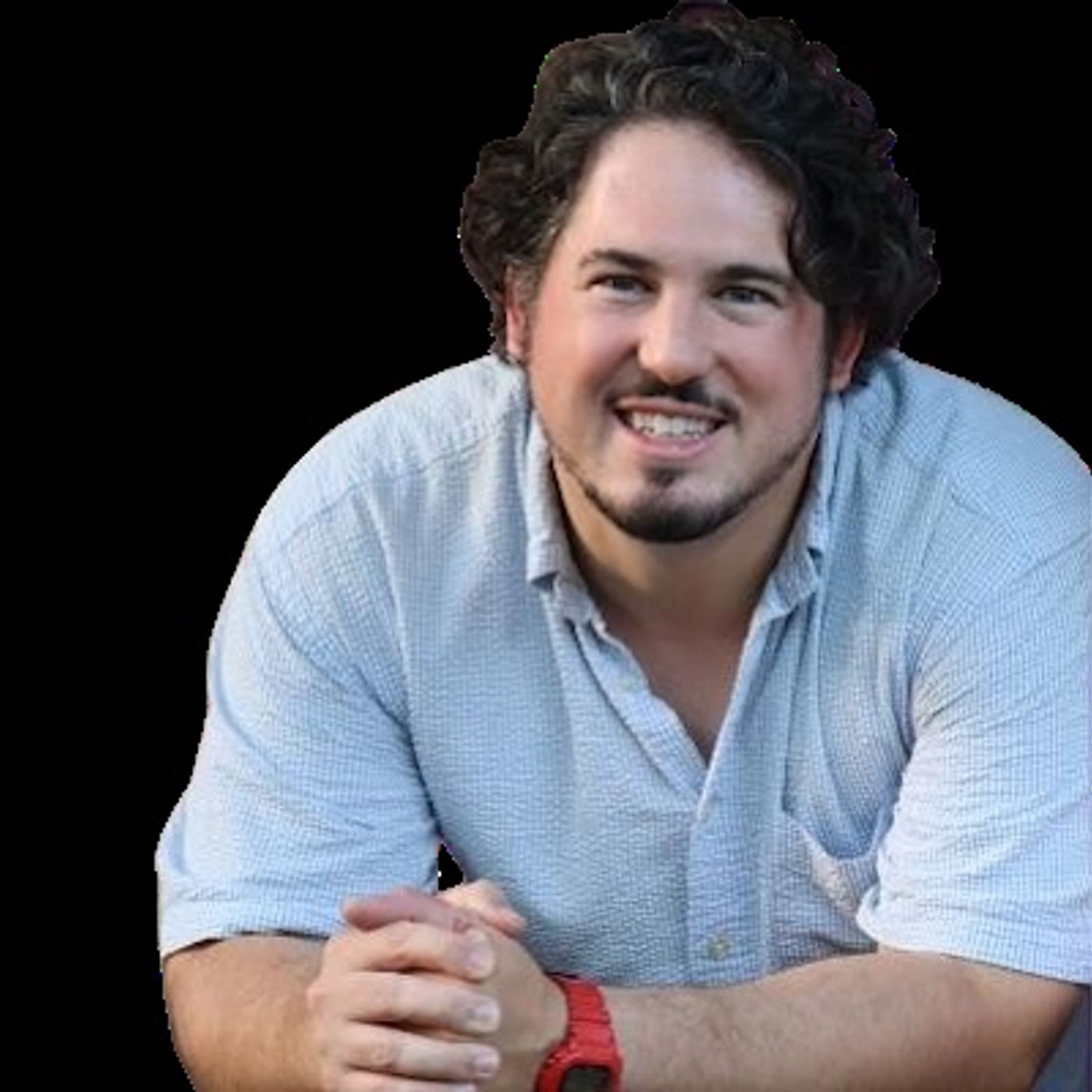
Interview with David Denning, Co-Founder of Jumpstart Go
About this Episode
David Denning is the co-founder of Jumpstart Go, along with his wife and partner, Elle. They help insurance agents and agencies build a predictable pipeline without buying leads or cold calling. Their strategies focus on practical organic social media marketing, referral partner systems, and simple processes that turn content into conversations and conversations into clients. David and his team have worked with more than 1,000 agents across all lines of insurance, and they lead a Facebook group of more than 36,000 insurance professionals called “Marketing for Insurance Agents”. Their frameworks have helped agents take control of their own marketing & lead generation to scale more profitable and have fun being authentic at the same time. David loves enjoying every moment of life and enjoys pickleball, mixology, and traveling/working around the world with Elle.
Learn more: https://jumpstartgonow.com/action-call/
Influential Entrepreneurs with Mike Saunders
https://businessinnovatorsradio.com/influential-entrepreneurs-with-mike-saunders/
Source: https://businessinnovatorsradio.com/interview-with-david-denning-co-founder-of-jumpstart-go
Learn more: https://jumpstartgonow.com/action-call/
Influential Entrepreneurs with Mike Saunders
https://businessinnovatorsradio.com/influential-entrepreneurs-with-mike-saunders/
Source: https://businessinnovatorsradio.com/interview-with-david-denning-co-founder-of-jumpstart-go
Hosts & Guests
Transcript
Welcome to Influential Entrepreneurs, bringing you interviews with elite business leaders and experts,
sharing tips and strategies for elevating your business to the next level.
Here's your host, Mike Saunders.
Hello and welcome to this episode of Influential Entrepreneurs.
This is Mike Saunders, the authority-positioning coach.
Today we have with us David Denning, who's the co-founder of Jumpstart Go.
David, welcome to the program.
Thanks, Mike. It's a pleasure and honor to be here.
Hey, so I want to talk all about what you do and how you do it and why you do it,
but get us started first with your story and background, how do you get into the industry
of working with financial professionals in the insurance sector to help them succeed in their
social media? So I'll try to keep this a little short and sweet, but actually
met my spouse at 16 in high school. We started dating, married at 21 in college.
Both came from marketing consulting backgrounds. I went to Georgia Tech and she went to SCAD,
but we started working with insurance, real estate, tech startups, local mom and pop businesses,
ran a lifestyle business from around the world, running it from the US,
why live in in South Africa for two years and then renting our place out,
living in Thailand, being on the Philippines and coming back and running kind of business just
from all over. And about eight years ago, we met a third partner of ours who we ended up
forming jumpstart. Go with focus specifically to the insurance industry working with agents
and agencies and financial advisors help them grow and scale through organic social media
and leveraging strategic referral partners and really getting away from the smile and dial or
I call it the frown and drown of just calling leads all day.
You know, I like that a lot because I've heard smile and dial for decades and decades and
when you're dialing, you ate smile and that's so frown and drink 100% true.
I mean, really, you know, you think about something, it's like, okay,
let's talk to a financial services insurance professional and say,
here's how you can get more clients and you tell them make a hundred calls a day.
Well, if someone was going to do that two, three weeks in a row,
you're going to get new clients, but it's not going to last two or three hours.
Well, and you're going to get burnt out because honestly it's not even a hundred anymore.
Contact rate drops so low people are doing three to five hundred a day.
And it's the exact opposite of what we're going to dive into and talk that I know you believe,
and I believe too, like, is a relationship industry, especially when you get to like
financial advisors and, you know, huge decisions, huge money.
It's brought around trust and authority and who you're working with.
And I can't think of a least amount of authority and trust
than cold calling up a lead or someone and trying to get them to trust you with their money.
Would their money, their insurance and the minute you say the word,
it's like, I got that. I'm good. It's like, well, hold on, but you don't realize there's living
benefits. There's all the things you don't get past square one at all.
So let's talk about that. You are focusing on social.
And I think that is such a broad term. People kind of shy away from it. They're like,
I don't know. I've tried that before. When you talk to a financial professional or insurance
agent, where are you starting with helping them understand what it really means to work in
the social media space to develop their presence to then lead to leads and and picking up
clients? I think it's first to spelling some myths and concerns of the things that keep them
from doing it or the, oh, I tried it and I couldn't really get it to work out. So some of those
things are like we focus on, you know, what's going to get them growth and results and referral
partners and seen as authority, not so much on becoming an influencer and getting paid off of
number of views and followers, right? Because that's not what they're looking for. They're not
looking to be a Kim Kardashian. They're looking to be the trusted insurance agent or advisor,
right? And so that's where we lean into, hey, you're going to be doing different things, not,
you know, funny dances and silly things that, you know, would necessarily be if you're approaching
it from an influencer side. But we're really going to take off, hey, what's the very specific
processes and steps and strategies I can take that don't take a lot of time because we're not
teaching people spend all day on social or anything. I do think that's a waste of time and ends up
actually getting into conversations with my target audience, my strategic referral partners,
and even team members coming to my team if I'm looking to do that, all through the social
strategies. So we narrow it down to things like focusing on a single platform until you're doing
things and figures off of it versus trying to do a whole bunch that all work a little bit
differently, spending why it works the way it does, all those things to give them the exact
step by steps that we help guide them through to to bring in those results, but with really the
minimal amount of time required. You know, we could break down what you just said into about a
four-hour masterclass right there, which I want to break out a couple points because I think it's
so strong. You can't be all things to all people at all times on all platforms. And I think
people would nod their head and go, yeah, of course, but then they do it. They try to, you know,
spray and pray, it's shotgun approach and post the same post on all their platforms or buy one of
those tools that you post once and then it just sprays it out there, but that's not effective.
And I want you to go a little bit deeper on something that I'm passionate about, which is
target audience. If you can pick one problem that one segment of your target audience struggles with
and really become the expert in solving that problem, now all of a sudden people start seeing you
and their understanding and you take that heart of a teacher and you create content, content that
teaches, not content that sells, sells, sells. So talk a little bit about that target audience
and creating that kind of solution to their problem. Absolutely. And we're complete agreement on
that. I mean, the the spray and pray trying to be everything. It's people are afraid to narrow
down to target audiences. They think they're missing opportunity, but in reality, they can exit
by narrowing down. It's easier to be seen as authority. You know, it's everything I can keep
relevant to my target audience is the same thing here. That's actually one of the very first things.
We help them get very in-depth with what that target audience, the psychographics, everything about
that. Not just, oh, families or homeowners or whatever. It's two is still way broad. So we help
them get very specific in that. They're always maybe a little nervous, but then they're like,
oh, my gosh, this has been a huge spike because now I know exactly what my content's around.
What I'm talking about, even it's not even educational insurance related, but it still ties
into my target audience, what they're thinking about, what they're concerned about, family off of
that as well. And so we dive deep onto that to be seen. Not only is the authority on that side
in the go-to person, but also that positioning is really great for the referral partners that
deal with those people with their businesses too to be able to send them over to you and trust
you with them as well. So we do focus on content. That's a piece of it, but we dive into a lot of
social strategies beyond just the content into the audience building, the messaging, and then even
into leveraging Facebook groups around bringing stuff through to, because I think a lot of people
get caught up on the content, which is important, but there's a lot of things to form connections and
conversations. Yeah. You know, I think that anyone hearing you say what you just said would go,
yeah, that makes sense, but then where do they start? And that's what's cool about you kind of
coming alongside and helping them, you know, craft that for themselves. Where do you feel that
story comes in? Because once you've found that target audience and that solution to the problem
they have, you cannot just go, hi, I'm Mike, I do this, call me. It's got to be presented in an
educational, and I feel like some unique story approaches, because as we know, facts tell
the story itself. Yeah, I mean, as early as you can get stories in and weave it into stuff, the
better, we like to weave parts of their lives, their interests, especially in ways that I can
relate it to their target audiences. It makes it more fun and natural for the agent or the
advisor. I mean, and then they're going to do it more to that way. And then they don't realize,
oh, I can be myself, but also be seen as authority and actually end up with the clients I want to
work with and enjoy working with them the day. So the more I can weave story in, it's the fastest
way to build trust as well. And so there's a lot of ways you can do it. Like if we're talking like
Facebook, you can actually pin a post atop your profile. So I always love that as a little story
and intro post about the person. So it's always the first piece of content people see when they come to
their profile, but weave it into their reels and their short videos they do and to their post,
you know, really naturally can leave it into the kind of copy around everything. Why still
making their points or educating just makes it more interesting versus just a here's an educational
piece real quick. Well, like who are you? Why am I even paying attention here? So the more you can
weave that in the better and like set like you know on podcasts, other things you get a chance
to dive into story a little bit more than maybe in a short post. And that's a really great way
to connect with people. Yep. Okay. So now a financial services professional insurance provider
is listening to this going got it. I'm going to do it. What do they get wrong when they start
trying to work with, you know, reactivating their social because they've dabbled in but they let
it go dormant. What do they get wrong? So the first thing is what platform I'm even going to
focus on initially. A lot of people don't realize maybe what's required by the platform
and maybe bite off more than they can chew for what they're wanting to do. Like I love a lot of
platforms like TikTok and others too, but most agents and advisors would rather murder me than do
the three or four videos a day that's really required to grow on those platforms not looking to be
content creators. They're looking to grow their business. And so we generally recommend and start
all of our clients on something that's the fastest easiest quickest one to leverage and it has
unique advantages like Facebook groups. So really Facebook not just based on the three billion
users, but the fact that groups are segmented based on audience interest demographics. I can get
to my audience is quicker off of that. And it's a lot less content creation like one post a day less
than five to ten minutes. It can make it really simple on that. And so they maybe start on something
more challenging. And then they make mistakes of not really understanding that the algorithm is all
built to drive money for the company that runs it like meta for Facebook. And so they don't really
realize what they're doing wrong like focusing on business pages when which reaches reduce down
to one percent or less because they want you to run ads or boost posts that's how they make their
money instead of focusing around the personal profile that has the opposite incentive where they're
really focused around engagement people on Facebook. So they can serve more ads and make more money
off of that versus them going off the platform like agents making mistakes of using like links and
posts to direct people to websites, book a call, policy reviews, or a video they made on YouTube,
for example, a competitor, Google, they're trying to send the air of which Facebook has no incentive
to push those posts to people that will cost the money by sending them away from the platform.
So there's little things like that that already they're working against the system,
then working along with it and making it easier for themselves.
And most of those things aren't hard. It's just like, oh yeah, that makes sense.
You know, and similar to, okay, I'm going to join this group and day one put a post in and I'm
going to say, call me because I can get you the best, whatever, whatever, whatever. That's the
temptation. That's the tendency. We have to resist that. We have to create, you know, connection,
content, teaching, and then dribble in a little bit of like, oh, if anyone would need some help
on this, just DM me, that's fine. But what are some of these other things that people tend to go,
oh, that was an easy thing. Never thought of that. And it's so simple to do, but it really does move
the needle. Absolutely. I mean, like I said, some of the things are just like simple and basic,
like off the bat that, oh, that makes sense. I should do that. And but it's kind of like basketball.
You got to, you know, learn to dribble wall for you can, you know, do a 360 dunk, right? And so,
you know, kind of starting them off like, hey, let's start off with the right setup first and start
putting that place so that we can move along there. And I think a lot of people think that even
if they are doing social, and doing it on their profile and doing the right way, not using links,
they focus on just the passive of just the content creation. If I create this,
eventually people see it, they'll reach out, they'll come to me versus all the active things I
can do to create and make conversations happen with my audience or referral partners each day
that I'm really building there. So I mean, there's activity around building the correct audience.
There's kind of three categories that I really want to build my audience with. And then also my
connections messaging with those categories, how to use value-driven things like lead magnet,
short trainings, guides that go to my target audience and like two-step post to get people to respond
and then reach out and sort of messenger conversation with them. And I mean, all these things that
are so advantageous, but you know, they build on each other as well. So that's where I find is
people take action and consistency with it, you know, they can build entire business off of it.
So in the day and age of AI, I feel like too many people can't even spell AI because it's like,
that's just too new. I don't know what to do. I don't want it weird to start. And then other people
go too much of the deep end and go, yeah, I should be doing videos. So I'm just going to make
an AI avatar and it blasted out all of the place. But then it looks like an AI avatar that's been
blasted out all of the place and that works against you for authority and trust and credibility.
And that's just my opinion. But what do you, what does your take on that?
I'm with you. It's a really happy medium that you're looking for. If you're not living
averaging AI at all, you're doing a lot more work and efficiently and probably less effectively
than the ones that are. I'm going to get left behind in the dust. But with the rise of AI,
like you're talking about that craving for human and trust and who's real, who am I working with,
is rising faster and faster to where if I'm leaning all into AI, using AI images, AI video,
copy pasting stuff, especially if it hasn't been trained in depth on the AI, it really is like
roading trust and authority than it's actually helping you. So that's that medium of using
as a tool to help you make processes easier around my content and what I'm going to be doing.
So it's quicker and easier for me to record or put that content out. But it's still me and the
images, me and the videos. And it's just making processes easier for me, especially if I take that AI
along with like a virtual assistant and have them manage 90% of those items to where I can be me
and focus on me and the conversations and connections there. But I can take some of that
a lot of that work off my plate. Yeah. And I think that it just needs to be something that
aligns with your brand and your brand needs to be real and authentic. And I've heard it said,
real is rare. And it's kind of like you've probably seen this too where you can just kind of tell
that a post was generated with AI. It's got all the emojis and it's got all the spacing and all that.
And I feel like we have to as a human, when we put those posts out there, you might use AI,
but then you need to take that and through your own writing style, just smooth it out to make it
feel like it's a human conversation. And that becomes an art form. And I feel like AI is so
powerful to give us a lot of great things. But then it never, ever will replace our brain and our
own human interaction to make sure we make the right connection to people. And I think that as
fast as AI is moving, we are always going to be struggling to make our human presence known
to our target audience. And then when we jump on a zoom with them, it's like, okay, let me turn
on the camera and chat with you because I need to be that same person in the zoom live zoom
that I was with that you read on my social media post. And I totally agree with the conclusion
of that. And I would just flip the process a little bit because it's even more work if you have
AI, you know, create something and then I've got to read, try to make it fit into my brand toys
and my image. We always have when we're teaching around that and like the programs, like we always
teach an AI is almost like an untrained employee or intern that's coming to your business, right?
You don't expect it to do things right or perfectly or even know what the business is, how it
really works. You've got to train it so that it becomes, you know, knowledgeable and can actually
perform those. And so we really get into, you know, very specifically, how am I training the AI
on me, what I'm focusing on, my target audience, how I speak, how I write and all these things. So
when the outputs are now actually what, how I would sound, it's not using emojis, it's using my
same writing style, it's using the same slang I'm doing. And it's actually like how I would
specifically answer, well, now I can actually trust the outputs and now it's going to be easier.
I don't have to rewrite things and now I can even have, like I said, a virtual assistant help leverage
some of this stuff as far as getting it posted and other things and take that off my plate. So
same, same conclusion. Yeah, absolutely. You, you want to be building that trust authority and it,
and it be you on that, but it's going to be less work if you train the AI first.
100%. So let's wrap up with this when you are talking to an insurance agent, financial
professional, what is the deliverable or the package or what is the program that you are
offering to help take them to the next level? To put it like quick and short, ultimately we're
helping them get all the strategies and everything in place with one on one and help and support
and private community all around implementing that, which is also like a community of referral
partners since they all focus on different lines of insurance as well that we encourage. But
we're helping them put all this in place to pull in prospects, referrals, referral partners,
or even team members from social without paid leads and paid ads and that they know this and
continue executing this over months and over years. We really are self empowering them to continue
doing that or even train team members around that so they can pull in that business all profitably.
I love it. Well, how can someone learn more and reach out and connect with you, David?
So the easiest thing of their insurance agent, financial professional, we do run a free Facebook
group called Marketing for Insurance Agents, get the name very simple. It's about 36,000 insurance
agents in there. We do lots of trainings in there and a lot of connections between members as far
as referral partners. It's a great education community and like you said, we want to lead with
value and as an authority first and that makes it so much easier when people want to talk to us about
our programs like the Closers Cook that we run. So that's probably one of the easiest places is
hopping in there and you'll start to learn about social and some of the benefits there or how you
can use that. Or if they want to go to our website, jumpstartgonow.com or slash action-call. Then
happy to learn a little bit more about us there or have a call with the team and happy to see how
we can help it all or get you some resources or some tools that you can leverage.
You love it. Well, David, thank you so much for coming on. It's been a real pleasure chatting
with you today. Thank you, Mike, so much for having me. I really, really appreciate it and I think
we've got a similar vision on helping them go out and build their businesses and their authority.
100%. You've been listening to influential entrepreneurs with Mike Saunders to learn more about
the resources mentioned on today's show or listen to past episodes. Visit www.influentialentrepreneursradio.com.

