Loading...
artsbookseducation
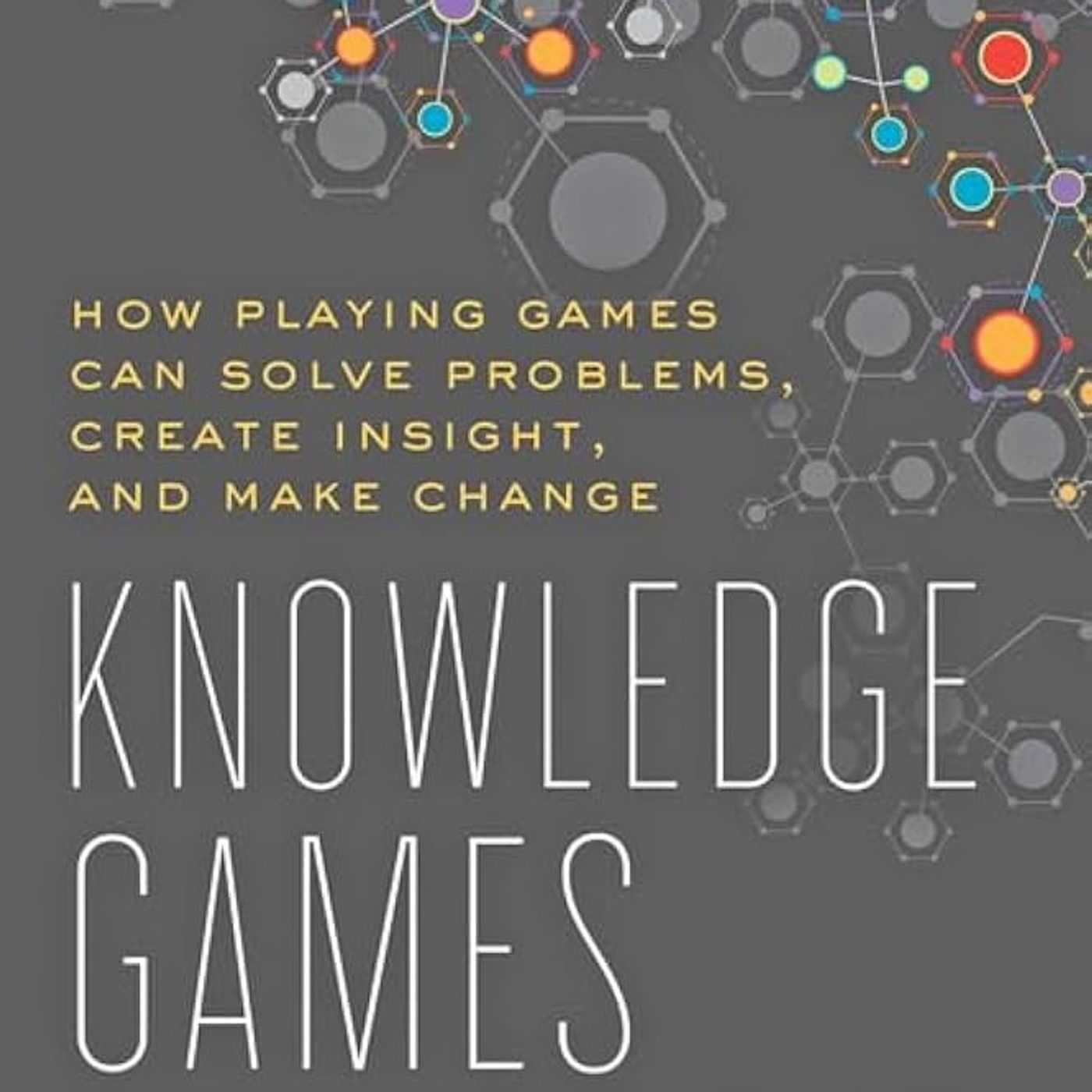
Knowledge Games: How Playing Games Can Solve Problems, Create Insight, and Make Change
About this Episode
Explores the concept and application of "knowledge games." These are defined as games designed not merely for entertainment, but with the primary goal of generating new understandings, solving real-world problems, and offering fresh perspectives on humanity. The author distinguishes knowledge games from "gamification," where game elements are applied to non-game contexts, emphasizing that in knowledge games, the problem is the game. The text examines how these games can leverage collective human intelligence, facilitate problem-solving, and foster social interaction and collaboration among players who might initially be motivated by an intrinsic interest in science or the game itself. Furthermore, it addresses ethical considerations surrounding data collection, privacy, and the evolving relationship between amateur participants and professional scientists in this new landscape of knowledge production.
You can listen and download our episodes for free on more than 10 different platforms:
https://linktr.ee/book_shelter
Get the Book now from Amazon:
https://www.amazon.com/Knowledge-Games-Problems-Education-Technology/dp/1421419203?&linkCode=ll1&tag=cvthunderx-20&linkId=6fb6fd1892948a27c7672ccca26854a6&language=en_US&ref_=as_li_ss_tl
Produced by Podcai Studio:
https://www.podcaistudio.com/
You can listen and download our episodes for free on more than 10 different platforms:
https://linktr.ee/book_shelter
Get the Book now from Amazon:
https://www.amazon.com/Knowledge-Games-Problems-Education-Technology/dp/1421419203?&linkCode=ll1&tag=cvthunderx-20&linkId=6fb6fd1892948a27c7672ccca26854a6&language=en_US&ref_=as_li_ss_tl
Produced by Podcai Studio:
https://www.podcaistudio.com/
No transcript available for this episode.


