Loading...
artsbookseducation
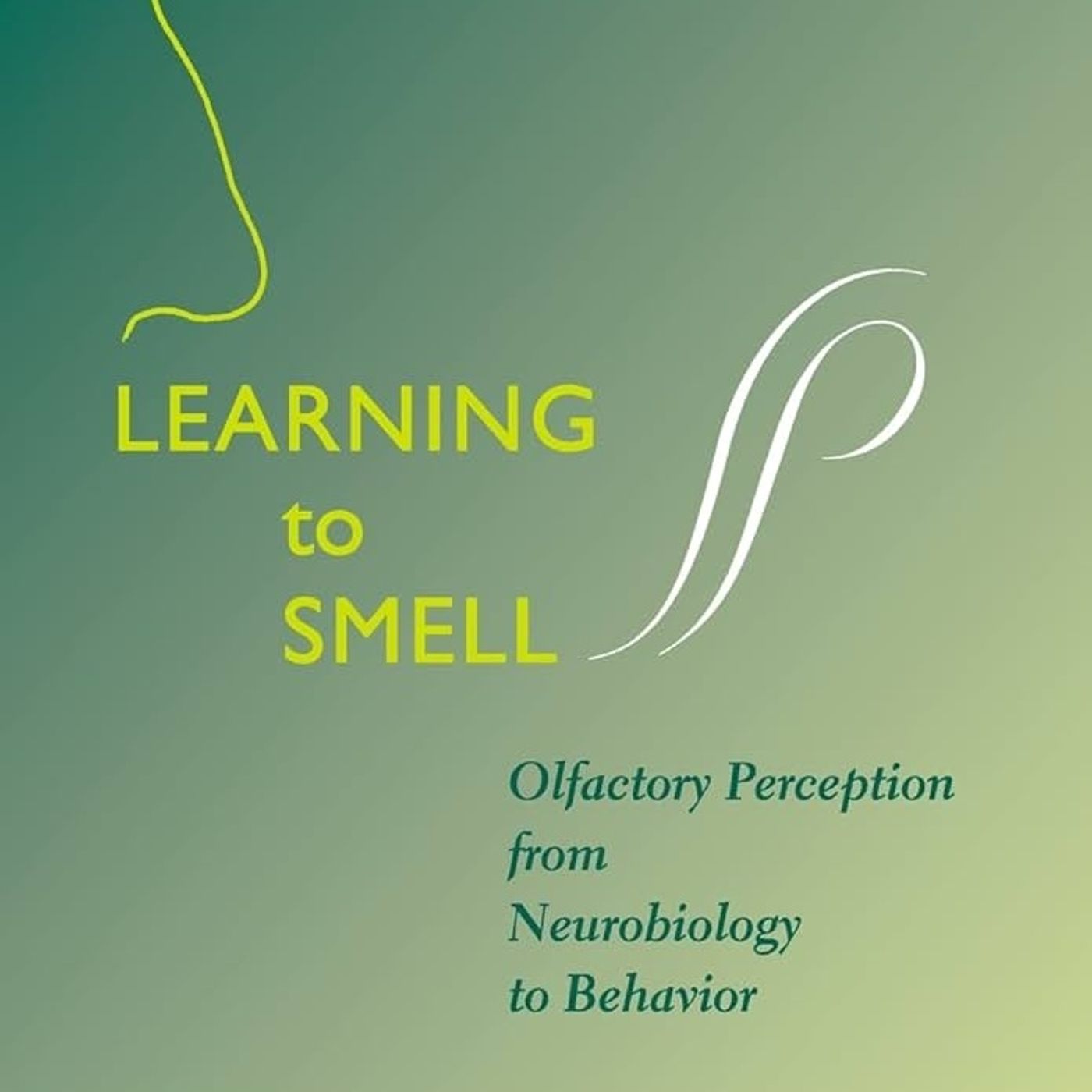
Learning to Smell: Olfactory Perception from Neurobiology to Behavior
About this Episode
Explores a novel theoretical view of olfaction that emphasizes the critical role of experience and cortical plasticity in shaping how odors are perceived. The authors argue against the traditional "receptor-centric" model, positing instead that odor perception is a synthetic construct influenced by physicochemical properties, memory, and biological constraints. This comprehensive overview examines olfactory system function in humans and animals, comparing it to visual object recognition and highlighting how learned odor objects become multifaceted, encompassing meaning and even multimodal components. The text also discusses historical perspectives on olfaction, explores detection, intensity, and quality of odors, and details the neural substrates and memory processes involved in smell.
You can listen and download our episodes for free on more than 10 different platforms:
https://linktr.ee/book_shelter
Get the Book now from Amazon:
https://www.amazon.com/Learning-Smell-Olfactory-Perception-Neurobiology/dp/0801883687?&linkCode=ll1&tag=cvthunderx-20&linkId=8baad70e9cda93f9d7776f9f43ee13f7&language=en_US&ref_=as_li_ss_tl
Produced by Podcai Studio:
https://www.podcaistudio.com/
You can listen and download our episodes for free on more than 10 different platforms:
https://linktr.ee/book_shelter
Get the Book now from Amazon:
https://www.amazon.com/Learning-Smell-Olfactory-Perception-Neurobiology/dp/0801883687?&linkCode=ll1&tag=cvthunderx-20&linkId=8baad70e9cda93f9d7776f9f43ee13f7&language=en_US&ref_=as_li_ss_tl
Produced by Podcai Studio:
https://www.podcaistudio.com/
No transcript available for this episode.


