Loading...
artsbookseducation
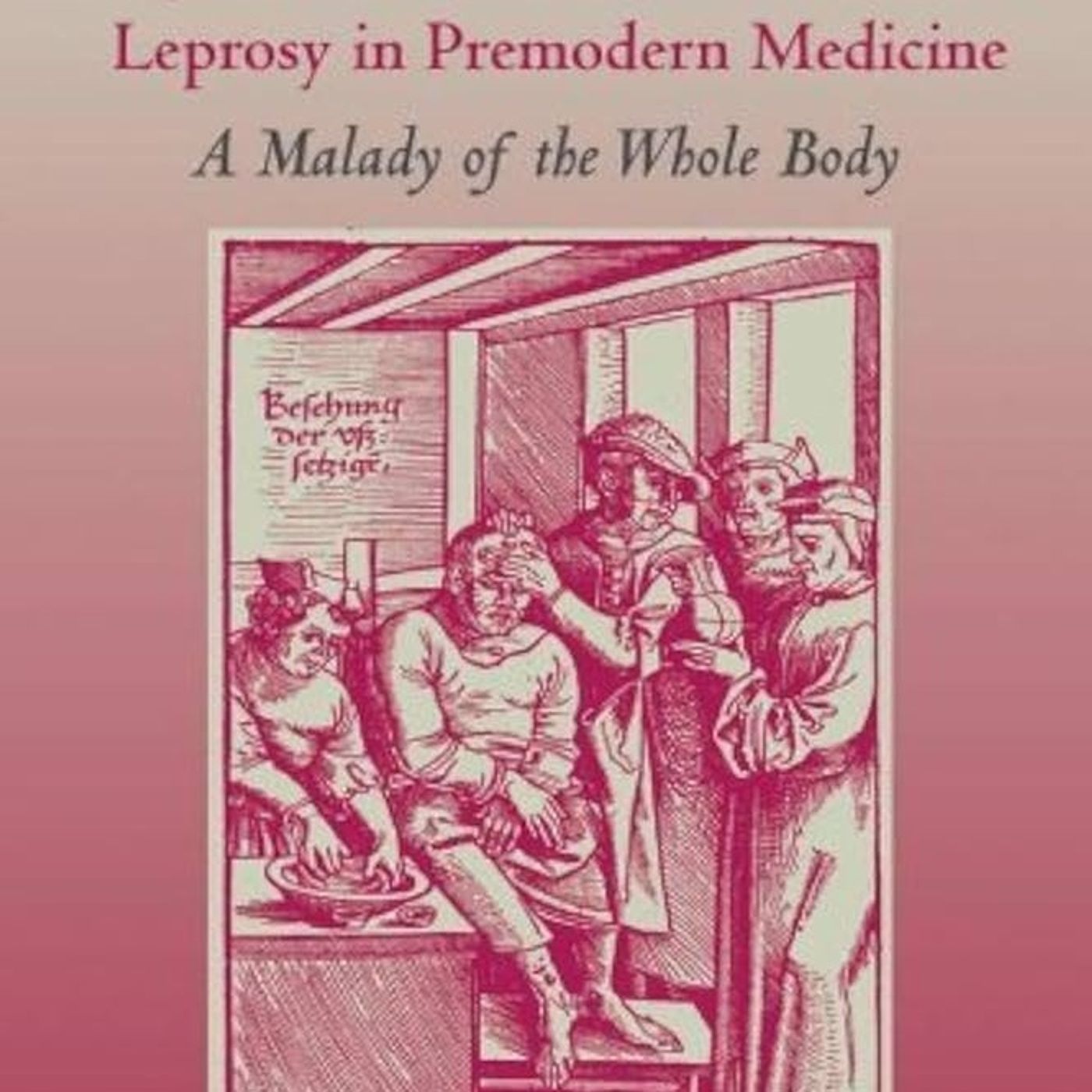
Leprosy in Premodern Medicine: A Malady of the Whole Body
About this Episode
Explores the historical understanding of leprosy in premodern medicine, focusing on how the disease was diagnosed, defined, and treated. It examines the shift from humoral interpretations to a more empirical approach, highlighting the tension between lay and learned examiners and the evolving social and legal implications of a leprosy diagnosis, which often resulted in isolation. The sources also discuss popular beliefs about contagion and heredity, the various terms used to describe the illness, and the efficacy of remedies, revealing a complex interplay of medical theory, societal fears, and personal experiences.
You can listen and download our episodes for free on more than 10 different platforms:
https://linktr.ee/book_shelter
Get the Book now from Amazon:
https://www.amazon.com/Leprosy-Premodern-Medicine-Malady-Whole-ebook/dp/B002B5571O?&linkCode=ll1&tag=cvthunderx-20&linkId=23d351a292740829cbce73b6b5559d1d&language=en_US&ref_=as_li_ss_tl
Produced by Podcai Studio:
https://www.podcaistudio.com/
You can listen and download our episodes for free on more than 10 different platforms:
https://linktr.ee/book_shelter
Get the Book now from Amazon:
https://www.amazon.com/Leprosy-Premodern-Medicine-Malady-Whole-ebook/dp/B002B5571O?&linkCode=ll1&tag=cvthunderx-20&linkId=23d351a292740829cbce73b6b5559d1d&language=en_US&ref_=as_li_ss_tl
Produced by Podcai Studio:
https://www.podcaistudio.com/
No transcript available for this episode.


