About this episode
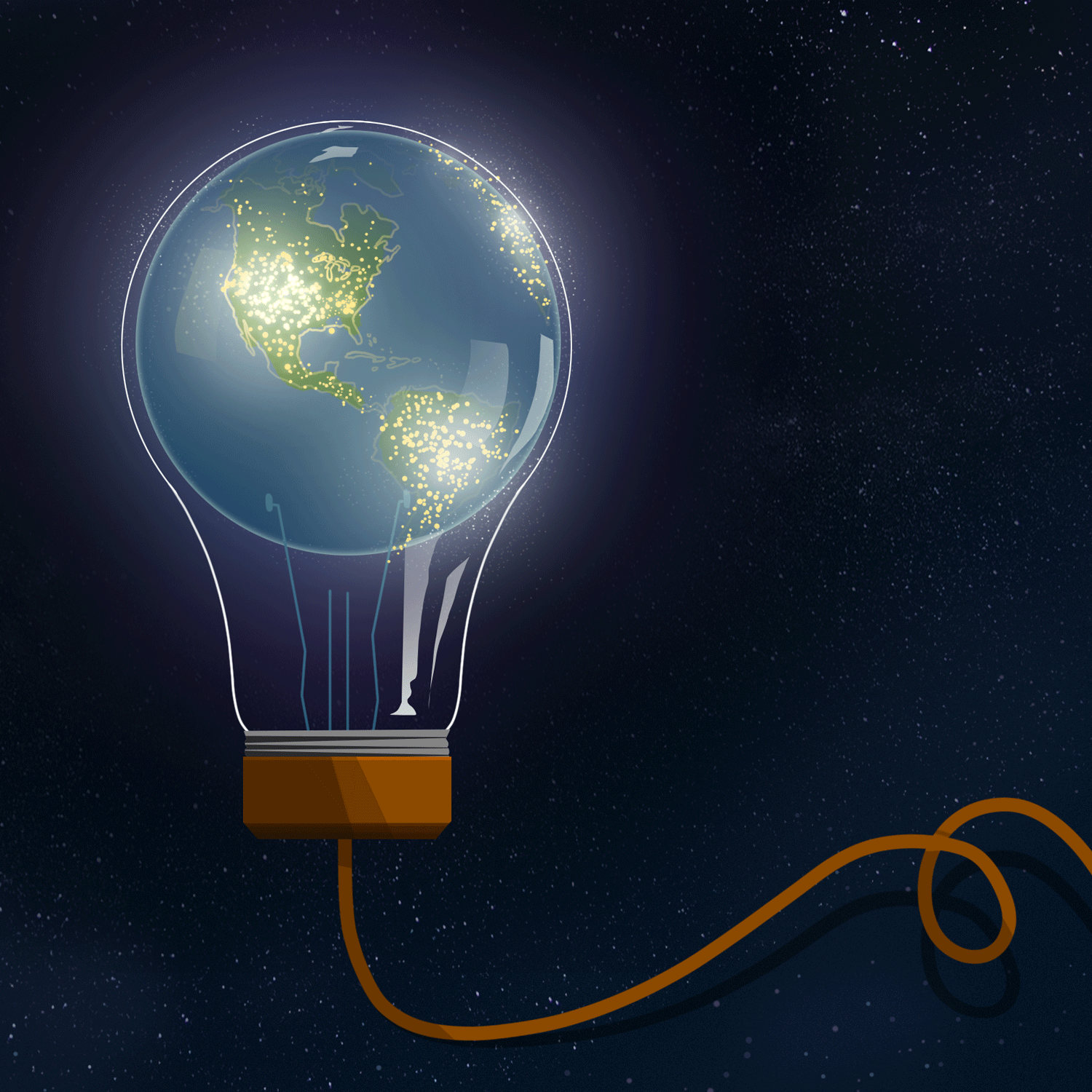
Most people in North America can't see the Milky Way. The reason? We're ensconced in a luminous fog of artificial lighting 24/7. The evolution of lighting technology over the last century has made it possible to live, work, and play at any hour - day or night. But light pollution affects all life on earth, from humans to plants and insects. So, how did we find ourselves surrounded by a glowing shroud of electricity... and can we have the dark, without giving up the light?
Guests:
Hal Wallace, curator of electricity collections at the Smithsonian’s National Museum of American History
Lisbeth Fuisz, coordinating director, Lights Out D.C.
Brian Schmidt, museum specialist, Smithsonian National Museum of Natural History
Diane Turnshek, Astronomer; Dark Skies Advocate
This episode was produced in collaboration with the Smithsonian National Museum of Natural History's exhibition: Lights Out: Recovering Our Night Sky. Through over 100 photographs, nearly 250 objects, interactive experiences, tactile models, and a theater program, discover why dark nights matter, rekindle your connection with the night sky, and consider how much light at night is enough—for whom, for what purpose, and who gets to decide?
Lights Out: Recovering Our Night Sky is open March 23, 2023 - TBA.
Get every episode summarized
Each time Sidedoor publishes, we email you a written briefing from the transcript — the topics, who appeared, and any specific claims, with the ad reads skipped.
Email me new episodesFree for 3 shows. No card needed.
Hosts & guests

No transcript yet
This episode has not been transcribed. Request it and it moves to the front of the queue.
More episodes


