Loading...
artsbookseducation
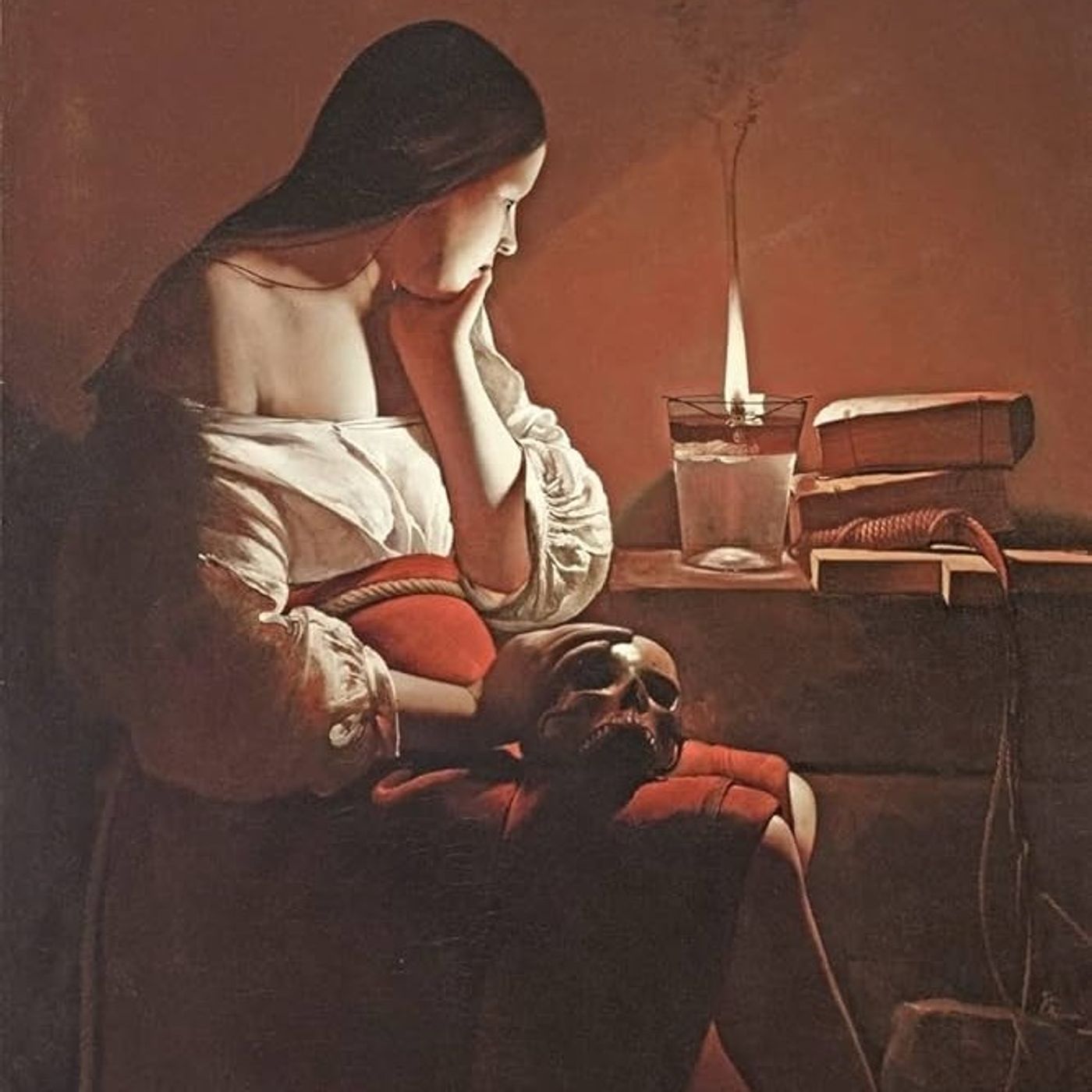
Lost Girls: Sex and Death in Renaissance Florence
About this Episode
Explores the lives of adolescent girls in Renaissance Florence, particularly those housed in the Casa della Pietà, a shelter established in the mid-16th century. The text meticulously examines the historical context, including societal views on prostitution, family structures, and medical practices, which often left young women vulnerable. It investigates the Pietà's operations, from its financial struggles and textile-based labor to its ambiguous role in providing healthcare that may have included abortifacients or treatments for venereal diseases like syphilis. The sources also question the reliability of historical records by comparing official chronicles with financial ledgers and medical recipes, suggesting that the high mortality rate at the Pietà stemmed from its mission to accept already sick or abandoned girls, a practice that ceased as it transitioned into a convent.
You can listen and download our episodes for free on more than 10 different platforms:
https://linktr.ee/book_shelter
Get the Book now from Amazon:
https://www.amazon.com/Lost-Girls-Death-Renaissance-Florence/dp/1421407728?&linkCode=ll2&tag=cvthunderx-20&linkId=ba4469818ae6c4b316e542089b87c8aa&language=en_US&ref_=as_li_ss_tl
Produced by Podcai Studio:
https://www.podcaistudio.com/
You can listen and download our episodes for free on more than 10 different platforms:
https://linktr.ee/book_shelter
Get the Book now from Amazon:
https://www.amazon.com/Lost-Girls-Death-Renaissance-Florence/dp/1421407728?&linkCode=ll2&tag=cvthunderx-20&linkId=ba4469818ae6c4b316e542089b87c8aa&language=en_US&ref_=as_li_ss_tl
Produced by Podcai Studio:
https://www.podcaistudio.com/
Hosts & Guests
No transcript available for this episode.


