Loading...
artsbookseducation
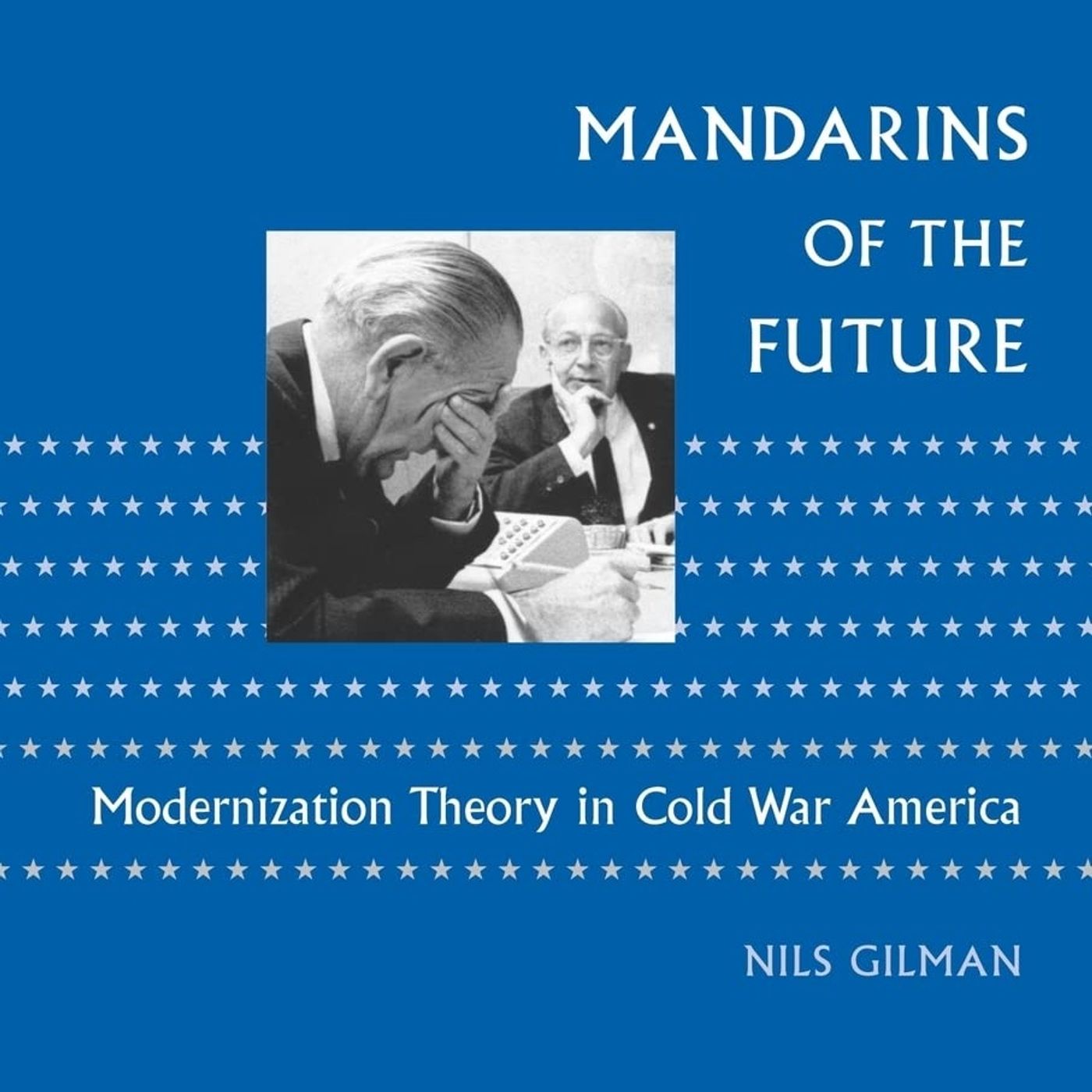
Mandarins of the Future: Modernization Theory in Cold War America
About this Episode
Examines modernization theory, a dominant intellectual framework in mid-20th century American social science, particularly concerning economic, political, and social change in postcolonial nations. It explores the theory's origins and development, tracing its connections to Cold War foreign policy, the rise of the welfare state, and a distinct American liberal vision of modernity. The text details how modernization theory sought to provide a "scientific" justification for U.S. engagement with the "Third World," often advocating for state-guided industrialization and the adoption of Western-style institutions as a universal path, while also noting its eventual decline due to internal criticisms and the impact of real-world events like the Vietnam War. The sources also touch upon successor movements and attempts to rehabilitate modernization theory in later decades.
You can listen and download our episodes for free on more than 10 different platforms:
https://linktr.ee/book_shelter
Get the Book now from Amazon:
https://www.amazon.com/Mandarins-Future-Modernization-American-Intellectual/dp/0801886333?&linkCode=ll1&tag=cvthunderx-20&linkId=486fc327120929ff60e33c230104f05b&language=en_US&ref_=as_li_ss_tl
Produced by Podcai Studio:
https://www.podcaistudio.com/
You can listen and download our episodes for free on more than 10 different platforms:
https://linktr.ee/book_shelter
Get the Book now from Amazon:
https://www.amazon.com/Mandarins-Future-Modernization-American-Intellectual/dp/0801886333?&linkCode=ll1&tag=cvthunderx-20&linkId=486fc327120929ff60e33c230104f05b&language=en_US&ref_=as_li_ss_tl
Produced by Podcai Studio:
https://www.podcaistudio.com/
No transcript available for this episode.


