Loading...
artsbookseducation
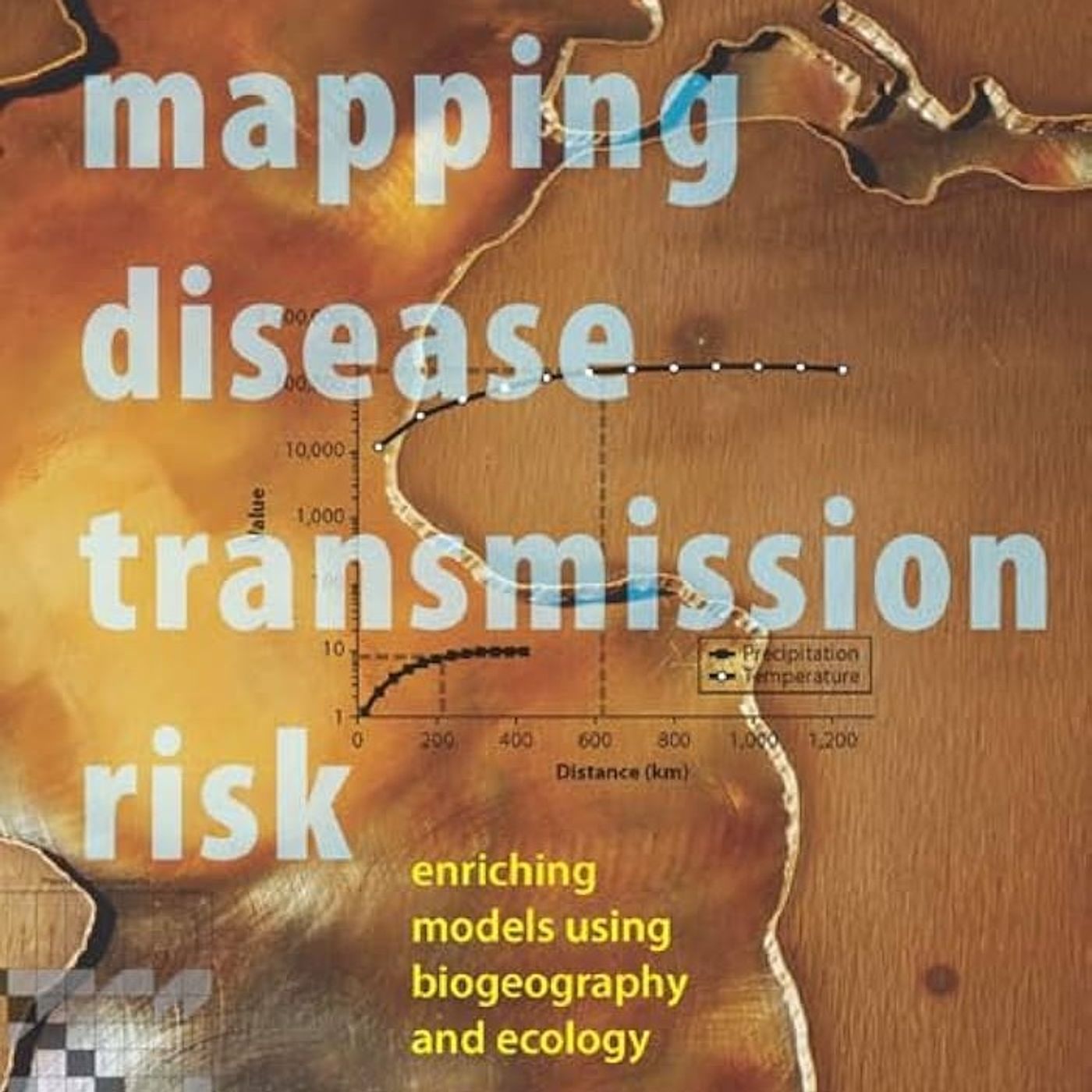
Mapping Disease Transmission Risk: Enriching Models Using Biogeography and Ecology
About this Episode
Focuses on mapping disease transmission risk through the lens of ecological and biogeographical principles. It emphasizes a novel methodology that integrates spatial epidemiology with species' ecological niches and geographic distributions. The author highlights the importance of high-quality, comprehensive data for pathogens, vectors, and hosts, acknowledging current limitations and biases in available biodiversity information. Crucially, the text discusses various modeling approaches, from component-based analyses to "black-box" summaries of disease occurrences, and the critical steps of data preparation, model calibration, and evaluation for producing robust risk maps, while also considering human factors and environmental variables.
You can listen and download our episodes for free on more than 10 different platforms:
https://linktr.ee/book_shelter
Get the Book now from Amazon:
https://www.amazon.com/Mapping-Disease-Transmission-Risk-Biogeography/dp/1421414732?&linkCode=ll1&tag=cvthunderx-20&linkId=4d13e95d83edbfa8cc45f669c124e1d9&language=en_US&ref_=as_li_ss_tl
Produced by Podcai Studio:
https://www.podcaistudio.com/
You can listen and download our episodes for free on more than 10 different platforms:
https://linktr.ee/book_shelter
Get the Book now from Amazon:
https://www.amazon.com/Mapping-Disease-Transmission-Risk-Biogeography/dp/1421414732?&linkCode=ll1&tag=cvthunderx-20&linkId=4d13e95d83edbfa8cc45f669c124e1d9&language=en_US&ref_=as_li_ss_tl
Produced by Podcai Studio:
https://www.podcaistudio.com/
No transcript available for this episode.


