Loading...
artsbookseducation
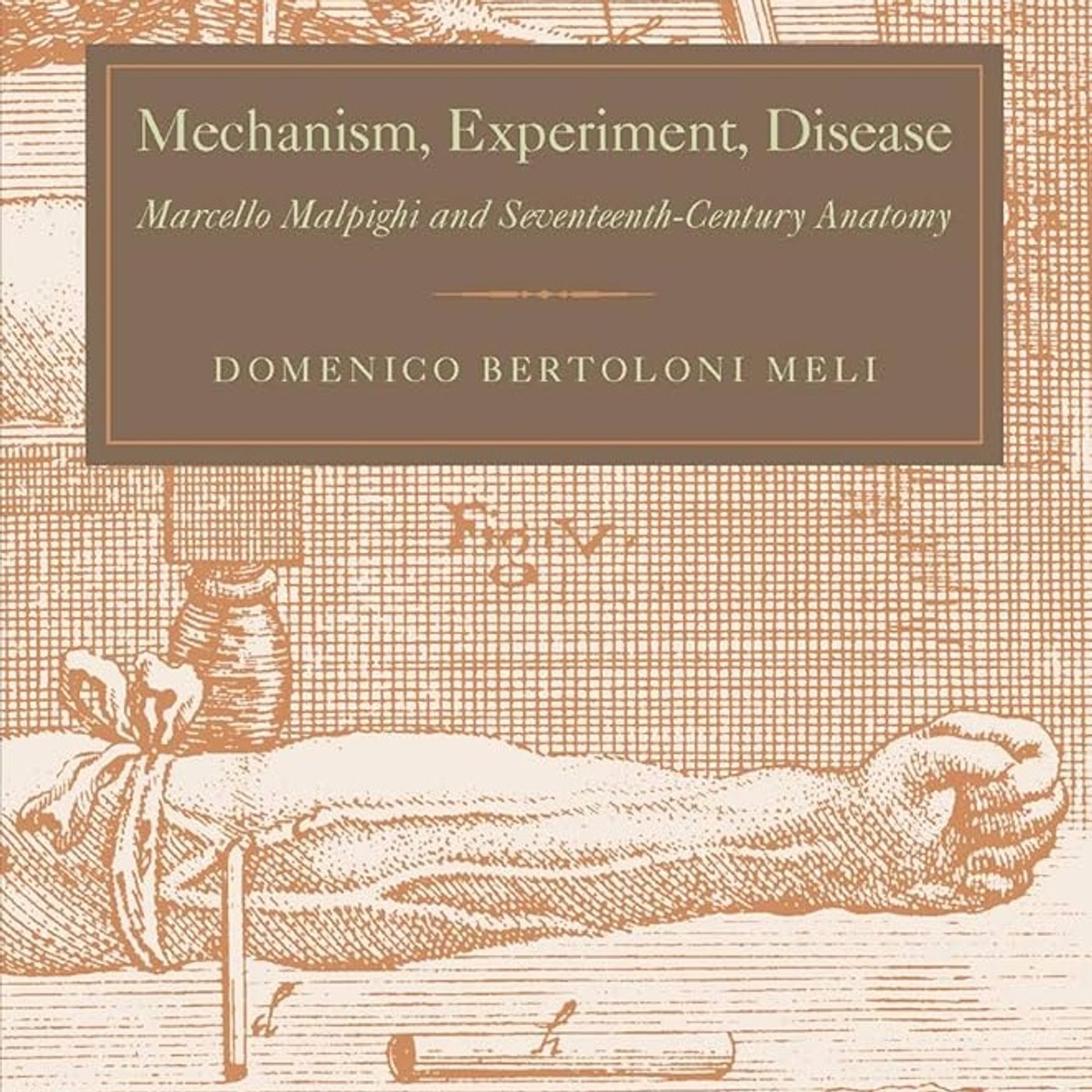
Mechanism, Experiment, Disease: Marcello Malpighi and Seventeenth-Century Anatomy
About this Episode
Explores the intricate relationship between mechanism, experimentation, and disease in seventeenth-century anatomy and medicine, with a particular focus on the prominent figure of Marcello Malpighi. It examines his significant contributions to mechanistic anatomy, including his reclassification of organs as glandular structures and his use of microscopy to understand their operations. The text also discusses contemporary debates and controversies surrounding topics like blood circulation, the nature of glands and secretion, the generation of insects and plants, and the interpretation of disease states, frequently contrasting Malpighi's views and methods with those of his contemporaries like Giovanni Alfonso Borelli, Francesco Redi, and Frederik Ruysch. Furthermore, it highlights the importance of experimental techniques, illustrations, and medical consultations in shaping anatomical and medical knowledge during this period.
You can listen and download our episodes for free on more than 10 different platforms:
https://linktr.ee/book_shelter
Get the Book now from Amazon:
https://www.amazon.com/Mechanism-Experiment-Disease-Marcello-Seventeenth-Century-ebook/dp/B07DFMWMYN?&linkCode=ll2&tag=cvthunderx-20&linkId=034c1ca7d01d8e53ac06af44e15745ae&language=en_US&ref_=as_li_ss_tl
Produced by Podcai Studio:
https://www.podcaistudio.com/
You can listen and download our episodes for free on more than 10 different platforms:
https://linktr.ee/book_shelter
Get the Book now from Amazon:
https://www.amazon.com/Mechanism-Experiment-Disease-Marcello-Seventeenth-Century-ebook/dp/B07DFMWMYN?&linkCode=ll2&tag=cvthunderx-20&linkId=034c1ca7d01d8e53ac06af44e15745ae&language=en_US&ref_=as_li_ss_tl
Produced by Podcai Studio:
https://www.podcaistudio.com/
Hosts & Guests
No transcript available for this episode.


