Loading...
artsbookseducation
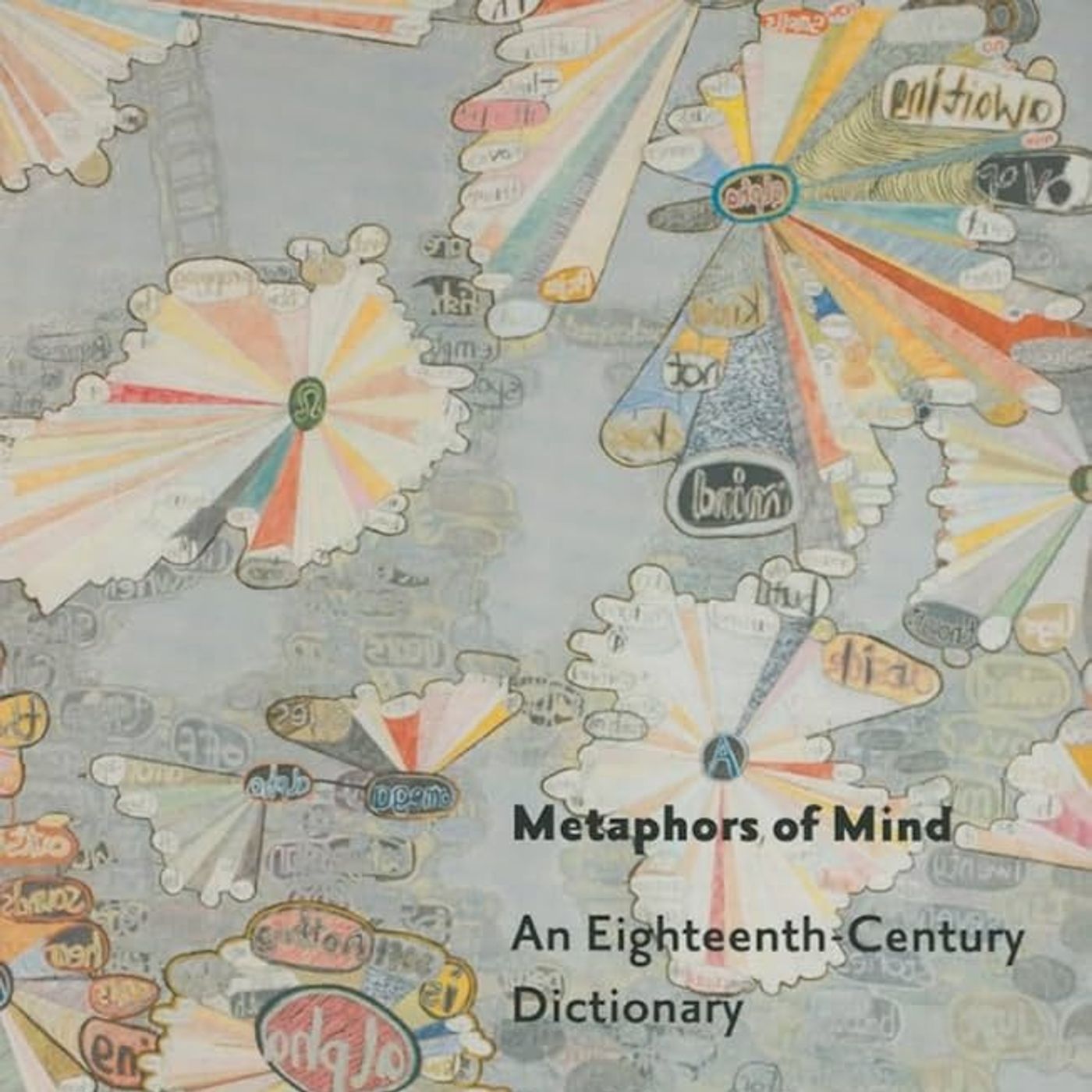
Metaphors of Mind: An Eighteenth-Century Dictionary
About this Episode
Explores the pervasive use of metaphors related to the mind, soul, and human experience in eighteenth-century literature and thought. The author details their methodology for compiling a dictionary of these metaphors, emphasizing the use of digital humanities tools and a "desultory reading" approach to sift through vast amounts of text. Key thematic entries discussed include animals, coinage, empire, legal judgment, interiority (rooms), impressions, and writing, each illustrating how figurative language shaped understanding of the self, society, and abstract concepts during the period. The text also touches upon the tension between literal and figurative meanings, and the impact of changing social and technological contexts on metaphorical expression.
You can listen and download our episodes for free on more than 10 different platforms:
https://linktr.ee/book_shelter
Get the Book now from Amazon:
https://www.amazon.com/Metaphors-Mind-Eighteenth-Century-Brad-Pasanek/dp/1421416883?&linkCode=ll1&tag=cvthunderx-20&linkId=4e01aceb328432abb3e34f18a739bebe&language=en_US&ref_=as_li_ss_tl
Produced by Podcai Studio:
https://www.podcaistudio.com/
You can listen and download our episodes for free on more than 10 different platforms:
https://linktr.ee/book_shelter
Get the Book now from Amazon:
https://www.amazon.com/Metaphors-Mind-Eighteenth-Century-Brad-Pasanek/dp/1421416883?&linkCode=ll1&tag=cvthunderx-20&linkId=4e01aceb328432abb3e34f18a739bebe&language=en_US&ref_=as_li_ss_tl
Produced by Podcai Studio:
https://www.podcaistudio.com/
Hosts & Guests
No transcript available for this episode.


