About this episode
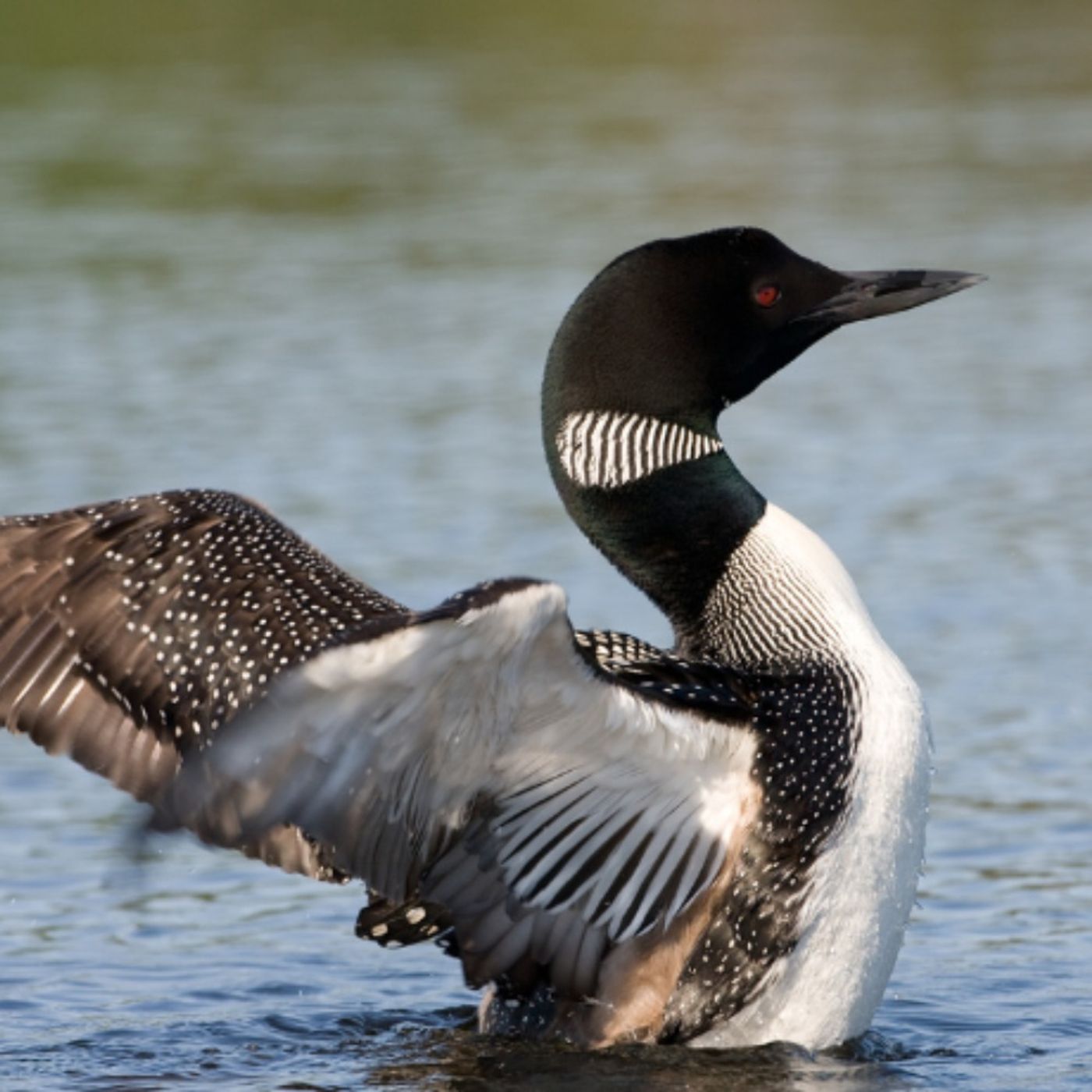
Loons are built for life in the water – so much so that their legs don’t work well on land. During migration, loons sometimes mistake wet pavement for the reflective surface of deep water and try to land there, then become unable to take flight again. If you see a stranded loon on a road or parking lot, calling a wildlife rehabilitator can help start the process of returning that bird to safety and back on their migratory journey.
This episode is brought to you by Wild Delight Bird Food, which aims to support wild bird populations with clean, nutritious ingredients in every blend. Available at Chewy.
More info and transcript at BirdNote.org.
Want more BirdNote? Subscribe to our weekly newsletter. Sign up for BirdNote+ to get ad-free listening and other perks.
BirdNote is a nonprofit. Your tax-deductible gift makes these shows possible.
Hosted by Simplecast, an AdsWizz company. See pcm.adswizz.com for information about our collection and use of personal data for advertising.
Get every episode summarized
Each time BirdNote Daily publishes, we email you a written briefing from the transcript — the topics, who appeared, and any specific claims, with the ad reads skipped.
Email me new episodesFree for 3 shows. No card needed.
Hosts & guests
Transcript ready
30 searchable segments. Every word is indexed and playable.
Full transcript
BirdNote Daily — Recognizing a Stranded Loon. Machine-transcribed; use the interactive transcript above to jump the player to any line.
This is Bird Note. Loons are built for life in the water. They're streamlined and dense to pursue fish deep below the surface. Loons' legs are placed far back on their bodies, almost like propellers, a unique advantage for life on the lake. But those legs don't work well on land. That's why if you see a loon on terra firma, something has probably gone wrong. During migration, loons sometimes mistake wet pavement for the reflective surface of deep water and try to land there. And once they've touched the ground, they're stuck. Loons can't walk more than a short distance, and they're so heavy that they need at least 100 feet of water to launch into the air. If you see a stranded loon on a road or parking lot,
calling a wildlife rehabilitator can help start the process of returning that bird to safety and back on their migratory journey. Early spring is a good time to keep an eye out for them when loons are on the move and the weather is wet. By looking out for migrating loons, people can help ensure these submarine-like birds reach their northern breeding grounds safely. For bird note, I'm Ariana Rimmel. Support comes from Wild Delight Bird Food, offering a variety of blends designed to mimic the natural resources wild birds crave, available at chuey.com. Every day, bird note brings the wonder of birds to millions of listeners, inspiring deeper connections with nature and action to protect birds.
But your support is critical. Listener support is what makes bird note possible. Without you, there is no bird note. This spring, you can help keep these stories soaring. For as little as $5 a month, you'll make a lasting impact, supporting bird notes mission to educate, inspire, and protect the birds we love. Make your tax deductible donation today at birdnote.org.
More episodes
More from BirdNote Daily

Letter to an Olive-sided Flycatcher
BirdNote Daily

Arctic Dispatch: Sandpipers Sing at Teshekpuk Lake
BirdNote Daily

Wilson’s Warbler near Summer’s End
BirdNote Daily

Migration: Long, Short, and In-Between
BirdNote Daily