Loading...
newsbusinesseducation
Spotlight | UN Assesses Health & Safety of the Nepal Tea Sector
About this Episode
A UN assessment of tea plantation health and safety in Nepal by the International Labor Organization (ILO) found few risks and food safety hazards but cautioned that the prevalence of temporary jobs without formal contracts limits worker protections.
Tea plantations drive socio-economic growth in Nepal, according to the 57-page report. QUOTE “However, despite their importance and potential for growth and job creation, the sectors are characterized by poor working conditions, lack of information and awareness of fundamental rights issues, including the right to a safe and healthy working environment, low levels of productivity and skills, inadequate access to public service, and weak trade union presence. Work in these sectors is particularly vulnerable for women who are often subjected to various forms of workplace harassment and discrimination,” writes ILO.
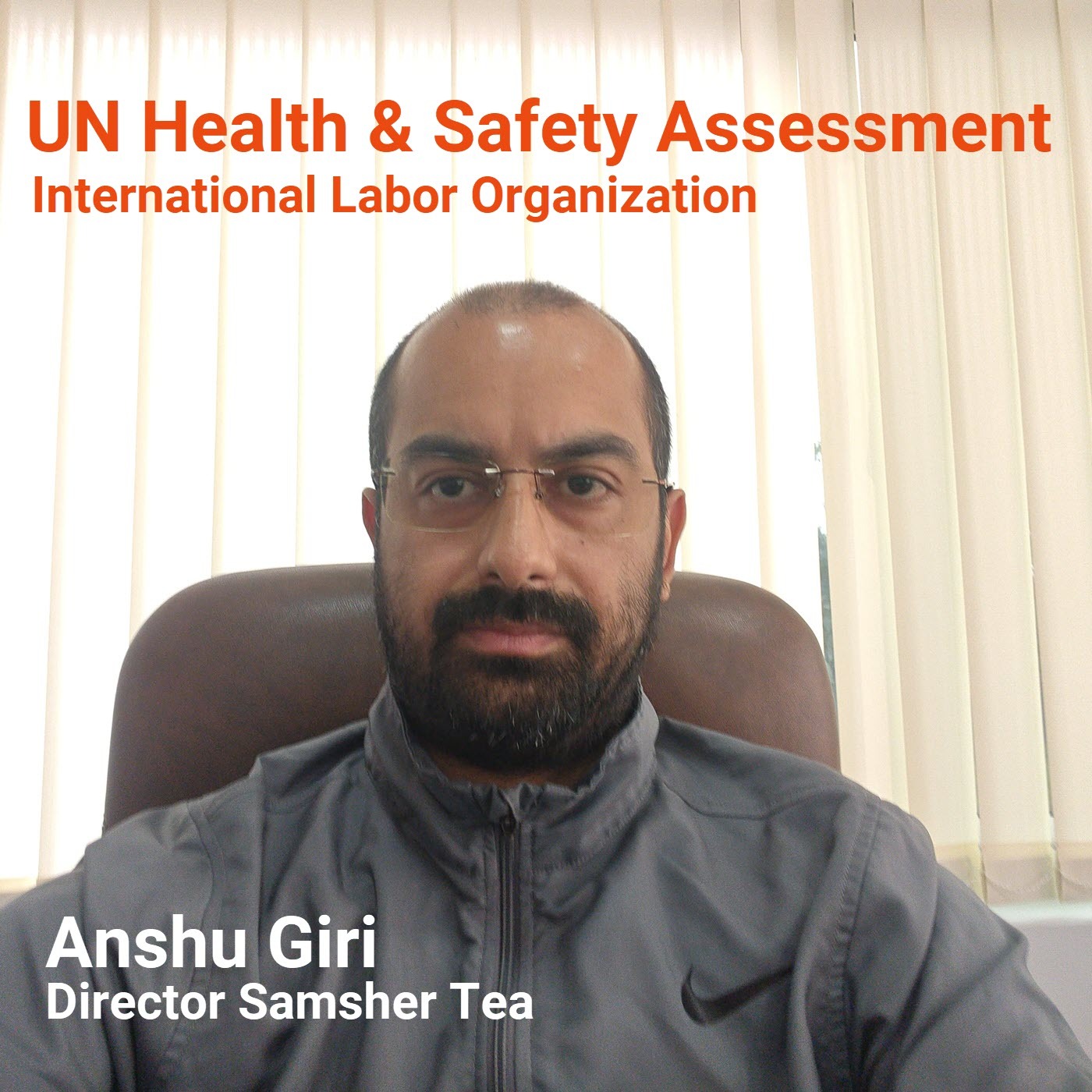
Anshu Giri, a third-generation large-scale plantation director at Samsher Tea in Nepal, is a respected progressive thought leader. He joins us to discuss the ILO assessment and a common-sense approach to compliance in the organized sector that growers at every level should employ.
BIO : Anshu Giri has managed the operations of the Giri family’s two tea estates since 2010. Samsher & Gangadevi T.E and Giribandhu T.E are Pesticide MRL compliant with EU Standards. They produce 1 million kilos of premium CTC (cut, tear curl) tea annually and 600,000 kilos of high-quality, low-grown orthodox tea exclusively for export. Anshu earned an undergraduate degree in manufacturing operations management and holds an MBA from the Herberger Business School at St. Cloud State University in the US.
Signup www.tea-biz.com
Advertising Inquiries: https://redcircle.com/brands
Privacy & Opt-Out: https://redcircle.com/privacy


No transcript available for this episode.