Loading...
businessmanagement
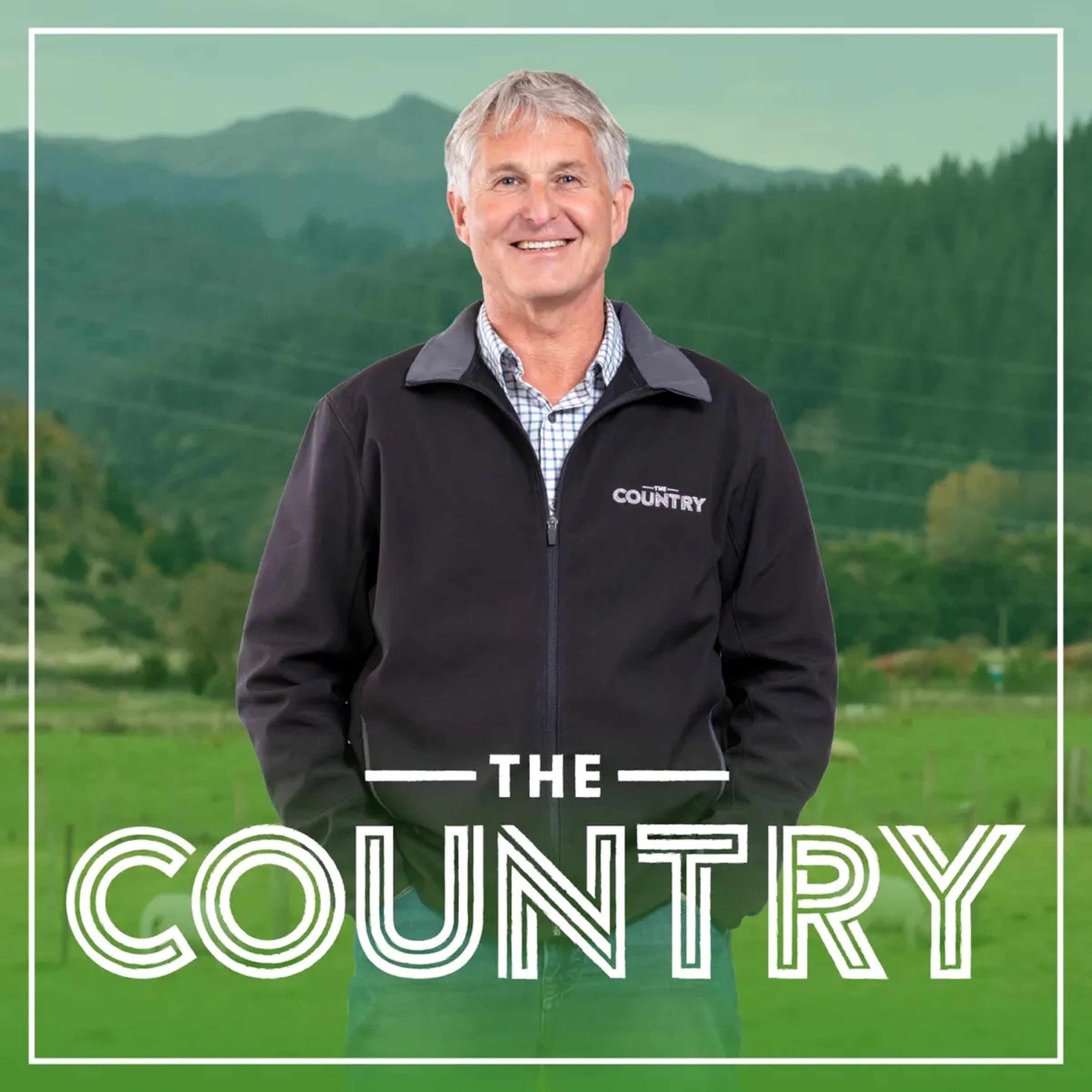
The Country 25/03/26: Christopher Luxon talks to Jamie Mackay
About this Episode
The Prime Minister comments on the fuel crisis, the tax credit relief package, Winston Peters and Halter.
See omnystudio.com/listener for privacy information.
Hosts & Guests
Transcript
Wednesdays on the country, we appreciate the time of the Prime Minister, who would want his job at the moment, running the country in this troubled world.
You came out yesterday, Prime Minister, with your in-work tax credit, 50 bucks a week for 140,000 families, very targeted, it's almost impossible to fairly target relief like this though, isn't it?
Yeah, look, I'm in the challenge, we've got Jamie here, we know it's a tough time for Kiwis, households and farms and businesses are under real pressure.
But what we also can't do is repeat the mistakes of COVID, and therefore we've got to have really clear criteria and lenses by which we think about this, because on one hand we've got to make sure that any support we offer, New Zealanders is very targeted, it's got to be timely and it's got to be temporary, it doesn't stay there forever.
And on the other hand, we're very conscious of the mistakes made in COVID, which just drive huge amounts of inflation, interest rates and put the country into recession.
Was there any sort of relief in any shape for more other for business, and I'm particularly thinking of businesses and diesel that drives not only the primary sector, but also commerce in this country?
Yeah, look, we're very sensitive, I'm aware of the challenges, particularly around these, which is actually the key fuel that does drive, as you say, the economy here.
What we've got to do first and foremost is make sure that we can maintain healthy fuel stocks, which we are doing at the moment.
That's really important, because as soon as we start to lose fuel, I'm telling you jobs and incomes for New Zealanders will be very, very challenged at that point in time.
So that's really important that we just keep maintaining fuel supply, that's really our focus of a lot of what we're doing.
We acknowledge, look, there's going to be fuel surcharges, people don't have to reflect that in higher pricing, I think about contractors with diesel.
And we've also conscious that there will be some firms that will be in a short-term cash flow cycle, whether with old prices and dealing with new prices is cost.
And Nicola, as Minister of Finance, has spoken to every CEO of all the major banks here in New Zealand and said that they will, and we expect them to stand by and support those businesses during that period.
It's fighting that balance, and I appreciate that they don't meet the needs of everybody, and we've been very upfront about that.
But we're trying to make sure that we can target and support those at this point.
I know you're not at liberty to tell me everything, you know, for obvious reasons.
But how much communication is going on with world leaders around trying to negotiate some sort of settlement in the Middle East, because Trump's basically shooting from the lip here,
stories changing our way.
And you can't say that that's me, but what's happening behind the scenes to give us some hope.
Yeah, it's very frenetic, and what we need is, we need a resolution, and we need a negotiated resolution.
Even if there was a ceasefire agreed day or tomorrow, there will still be supply chain implications of that for some time to come after that, obviously, and disruption supplied potentially.
But having said that, what we really, you're right, we need to get the regional players in the region to be able to find a way to bridge the US and Iran to actually get a negotiated settlement there.
And that's in all of our interests to make sure that that is settled as quickly as possible so that the last time I looked, there was 3,600 ships of oil basically sitting on either side of the hall moves straight way to come through or move out.
So, you know, that's really what we need a diplomatic solution, a negotiated settlement to be able to deal with that.
But, you know, that's really important, but I agree with you. It's a constantly evolving situation. From our point of view, you know, we can control that event.
It's a party to that event. They were independent actions of the US and Israel. We, but, you know, I can't control that, but what I have to control is the consequences of that and do the best that we can to manage it from here on through in the implications for New Zealand.
I know you want one of our answers to this question, but what's Winston up to? Could he be, as some people are suggesting myself included, or want to be a prime minister in a national dominant centre-right coalition?
Would there ever be a situation? No, no, just let me finish. Would there ever be a situation where you, for the good of the country, saying rather than face a centre-left government with top party Maori in the Greens, I'll step aside.
Winston, you can do the top job, but national's going to get the majority of the same.
Well, Jamie, you're ruminating commentating. It's all very interesting that I tell you the first thing from my thought at the moment because we've got a serious issue trying to deal with which is, you know, the implications of this crisis on New Zealand and how to fix Kiwis and, you know, their focus is right now, so just not a consideration.
You're happy to be the MP for Tauranga on that one by the sounds of things. Hey, I just define a word because I'm hopefully going to catch up with him on the show.
You know, Holter, Craig Puggett, and I know that you're from a corporate background. This is an amazing young man following in the footsteps of Sir Peter Beck, largest capital raise ever by a New Zealand company as companies doubled in value in the past year.
Gee, we need more Craig Puggets.
He's awesome. He's really awesome. I've put him on my prime minister's science, innovation and technology council as well last year.
And it's a business that I've followed even from before I came into politics. I knew Craig before then as well. He's done an exceptionally good job.
He's a very good leader and he's actually building out a world-class global company from New Zealand.
The challenges, often what you find is I just encourage all farmers, you know, to really look into the holster stuff because, you know, that's got their advantages on land use, on environmental benefits.
You know, like I've seen been on the farm and since and you know, when you've got, you know, people saying the cows are walking themselves to the milk shed and actually our worker doesn't need to get there for another hour later.
And you got to bed at our later. That's all quite positive stuff. And then you can get better use of your land as well through smoothing the cows around.
So it's pretty cool technology. Again, it's being adopted and picked up in the US and obviously in Australia.
We just want to see you want to see also great adoption here in New Zealand as well.
2000 farms, 1 million collars out there at the moment. Prime Minister Christopher Luxon, good luck. I'd soon have my job than yours at the moment.
Go well.
No, thank you, mate. Appreciate it. Have a good week.


