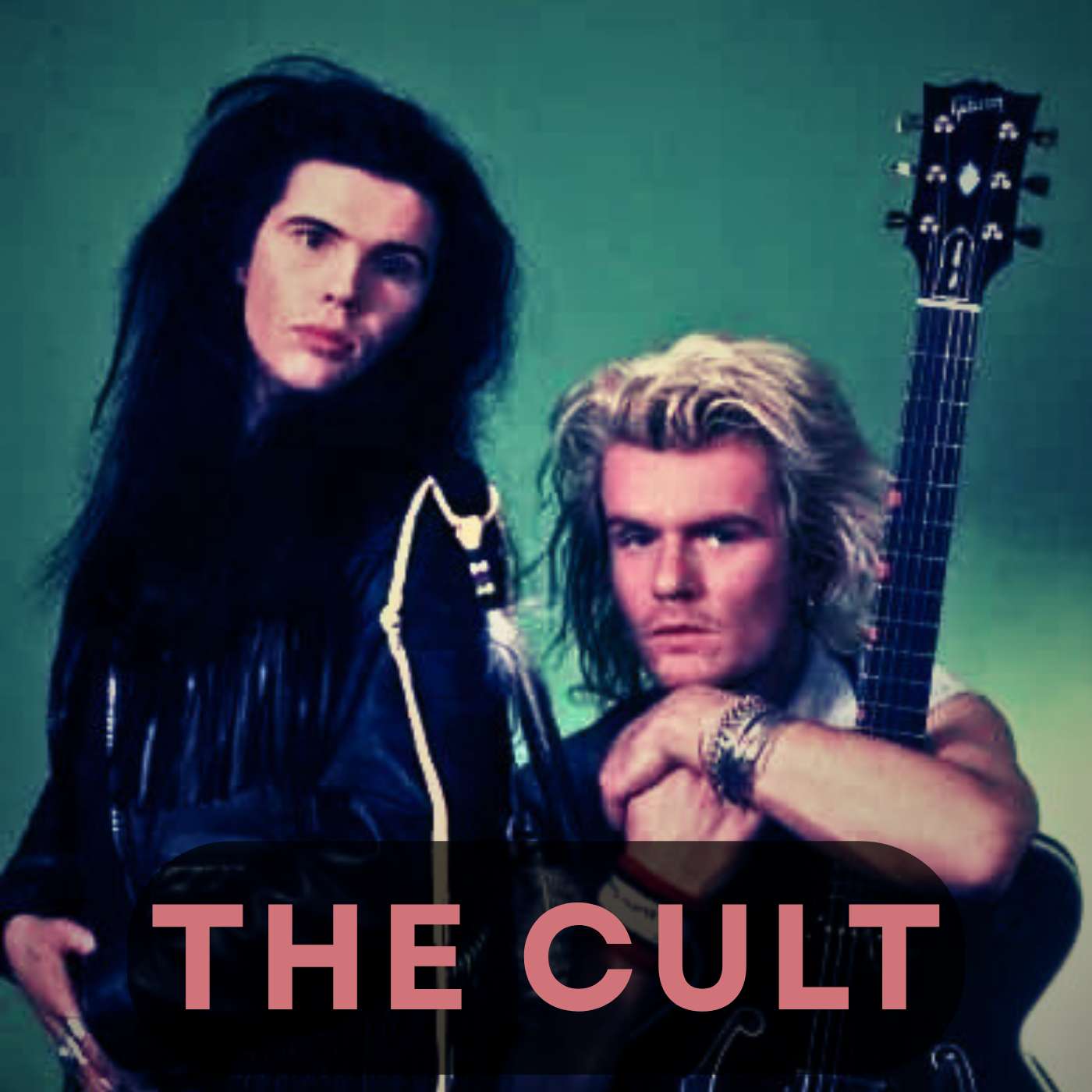
The Cult - Origins
About this episode
The Cult formed in 1983, behind vocalist Ian Astbury and guitarist Billy Duffy. Initially known as Death Cult before changing their name in early 1984, this English band would establish a following with their post-punk and gothic rock sound before changing to a more hard rock sound in the later 80’s.
The Cult's debut studio album, Dreamtime, was released in 1984 and their second studio album, Love, followed in 1985. Love was the band's breakthrough success and included the classic singles, "She Sells Sanctuary" and "Rain".
The Cult’s early work mixed dark, atmospheric sounds with heavy guitar riffs while adding spiritual themes and Native American imagery. The band would be influential for bridging the gap between gothic rock/post-punk with later 80’s hard rock as they changed their musical direction working with producer Rick Rubin for the album Electric in 1987. The Cult would finish out the 80’s with the fourth studio album, Sonic Temple, which included the song “Fire Woman”.
This podcast episode will explore the origins of The Cult from before the Death Cult days and through the first four albums as The Cult, all before the end of the 80’s.
Get every episode summarized
Each time Inside the Milky Way - A Look at Early Alternative Music publishes, we email you a written briefing from the transcript — the topics, who appeared, and any specific claims, with the ad reads skipped.
Email me new episodesFree for 3 shows. No card needed.
Hosts & guests

No transcript yet
This episode has not been transcribed. Request it and it moves to the front of the queue.
More episodes
More from Inside the Milky Way - A Look at Early Alternative Music

The Stranglers - The Men in Black
Inside the Milky Way - A Look at Early Alternative Music

The Motels - Out of Los Angeles
Inside the Milky Way - A Look at Early Alternative Music

The Feelies - Crazy Indie Rhythms
Inside the Milky Way - A Look at Early Alternative Music

Siouxsie and the Banshees II - The John McGeoch Years
Inside the Milky Way - A Look at Early Alternative Music