Loading...
healthfitnesseducation
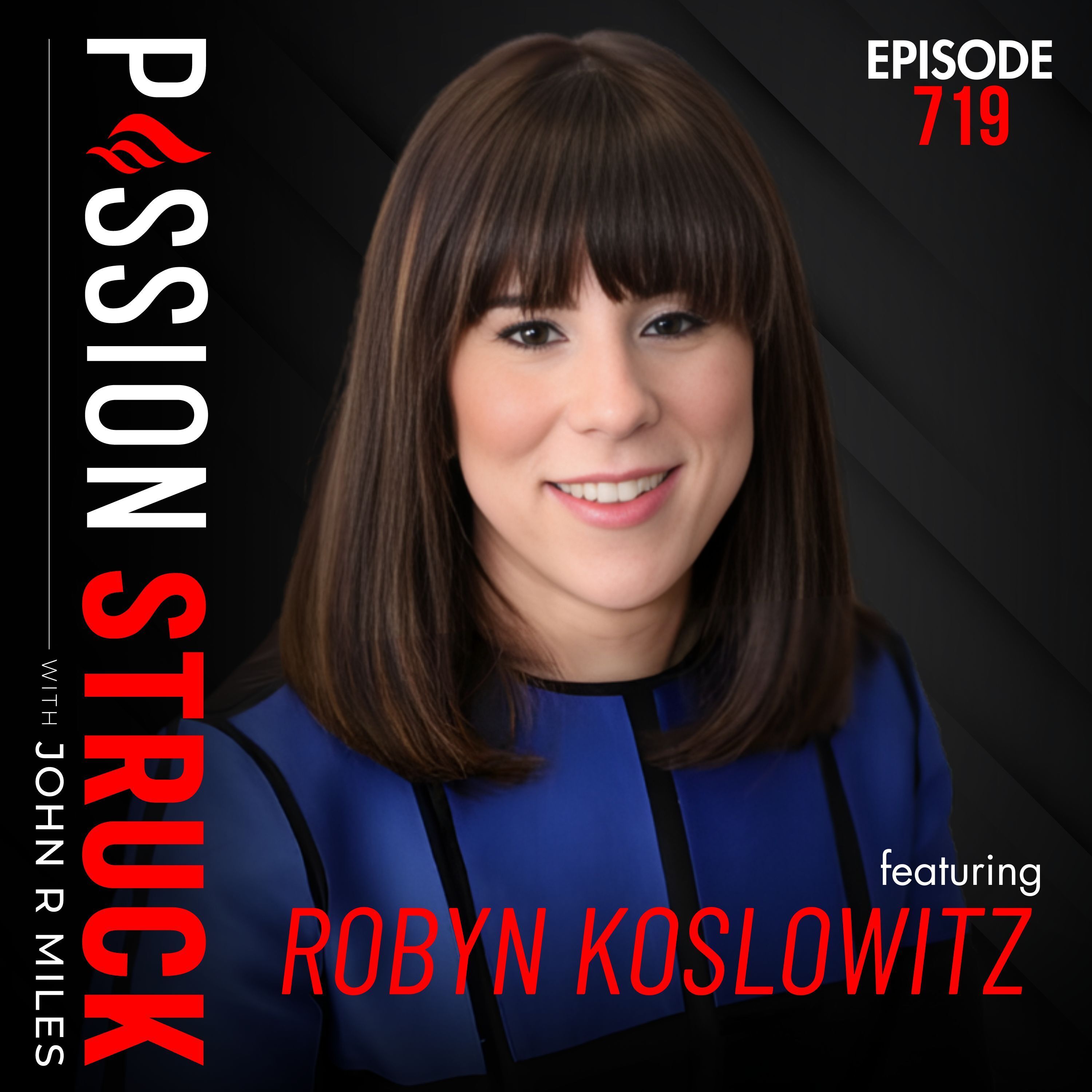
The Hidden Reality of Post-Traumatic Parenting: Breaking the Cycle | Dr. Robyn Koslowitz - EP 719
About this Episode
What if the moments where you feel most "disengaged," "perfectionistic," or "paralyzed" as a parent aren't character flaws, but the result of a "Trauma App" running in the background of your brain?
In this groundbreaking episode of Passion Struck, Dr. Robyn Koslowitz, clinical child psychologist and author of the definitive guide Post-Traumatic Parenting: Break the Cycle and Become the Parent You Always Wanted to Be, joins the show. With over 20 years of experience helping more than 10,000 families, Robyn explains why post-traumatic parenting is fundamentally different from typical parenting. She reveals how "Secret ACEs" (Adverse Childhood Experiences) and hidden trauma history can hijack your nervous system, making it nearly impossible to "share your calm" with your children.
John and Robyn discuss the neurological reality of parenting after trauma, moving past the "fad" social media trends of gentle parenting to focus on the science of nervous system regulation. Koslowitz introduces her trademarked AIM Method (Acceptance, Integration, and Meaning-making) to help parents reclaim their "admin permissions" from their trauma. The conversation centers on a profound truth: your inner child cannot raise a child, but raising your real-world child can be the ultimate path to healing trauma through parenting.
If you have ever asked, "How can I give my kids a normal childhood when mine was anything but?"—this episode provides the validation, neuroscience, and practical "hacks" needed to break generational trauma and foster an earned, secure attachment.
Check the full show notes here: https://passionstruck.com/post-traumatic-parenting-robyn-koslowitz/
Download a Free Companion Workbook with reflection prompts tied to this episode.
To contact John about Keynote speaking, his books, and podcast: https://linktr.ee/John_R_Miles
Pre-order You Matter, Luma: https://youmatterluma.com/
For more about Dr. Robyn Koslowitz: https://posttraumaticparenting.com
Book: Post-Traumatic Parenting available wherever books are sold.
In this episode, you will learn
- Post-traumatic parenting explained: Why your body reacts to your child's behavior as a survival threat.
- The "Trauma App" Metaphor: How early experiences shape emotional regulation and override your parenting instincts.
- The 5 Subtypes of Post-Traumatic Parents: Identifying if you lean toward paralysis, perfectionism, or disengagement.
- Building Secure Attachment: How to move from trauma responses in parents to creating attachment and emotional safety.
- The AIM Method: A 3-step clinical framework for intergenerational healing and trauma recovery.
- Why "Gentle Parenting" isn't enough: The importance of structure, play, and nervous system regulation for the "cycle breaker."
- Healing the Inner Child: How to stop "Trauma Poker" and start raising emotionally secure children after trauma.
Support the Movement
Every human deserves to feel seen, valued, and like they matter. Wear it. Live it. Show it. https://StartMattering.com
Disclaimer
The Passion Struck podcast is for educational and entertainment purposes only. The views and opinions expressed by guests are their own and do not necessarily reflect those of Passion Struck or its affiliates. This podcast is not a substitute for professional advice, diagnosis, or treatment from a licensed physician, therapist, or other qualified professional.
See Privacy Policy at https://art19.com/privacy and California Privacy Notice at https://art19.com/privacy#do-not-sell-my-info.
Transcript
coming up next on passion struck not only will your damage not damage your kids but your damage
can be the catalyst for you to break the cycle right your damage can actually make you into a
better parent you're not flawed in some ways you're uniquely qualified to parent because you know
what your values are welcome to passion struck i'm your host john miles this is the show where we
explore the art of human flourishing and what it truly means to live like it matters each week
i sit down with change makers creators scientists and everyday heroes to decode the human experience
and uncover the tools that help us lead with meaning heal what hurts and pursue the fullest
expression with who were capable of becoming whether you're designing your future developing as
a leader or seeking deeper alignment in your life this show is your invitation to grow with purpose
and act with intention because the secret to a life of deep purpose connection and impact is
choosing to live like you matter
hey friends and welcome back to episode 719 a passion struck we're continuing our series the
meaning makers and exploration of how meaning takes shape early develops through experience
and a strengthen through conscious repair and our recent episodes we've been tracing how environments
shape the inner life last week i was joined by Alex emis where we examined how uncertainty
competition influence adult decision making and then earlier this week shana Pearson joined us to
explore how sustained misalignment between mind and system shapes identity and self-trust today
we move further upstream into the family system i guess today is robin cazluids
clinical psychologist parenting expert and founder of the targeted
parenting institute she is the author of the new book post-traumatic parenting
herding surviving into secure connection robin's work focuses on how early experience shape
regulation catchment and emotional safety and how parents can build secure connections while
continuing their own healing our conversation centers on post-traumatic parenting as a developmental
pattern one that reflects adaptation persistence in the nervous systems intelligence we explore how
early experience shapes emotional regulation why presence and attunement supports secure
attachment how parents can build stability while honoring their own history and how emotional
safety becomes the foundation for meaning across generations this conversation matters because
meaning begins early in our relationships in regulation and in whether a child experiences
consistency in care before we begin a brief note if you're interested in this broader work around
visibility worth and matter including how these ideas translate across generations you can learn
more about my upcoming children's book you matter luma at you matterluma.com and if this episode
resonates please consider sharing it we're leaving five star review on apple podcast or spotify your
support helps these conversations reach the people they're meant for now let's continue the
meaning makers with dr robin kazluids thank you for choosing passion struck and choosing me to be
your hosting guide on your journey to creating an intentional life now let that journey begin
hey friends there's something about march that makes you want to reset your space for me that
started in the kitchen clearing out what i didn't need and upgrading what i use every single day
that's when i brought in caraway what i love is how simple caraway makes everything the ceramic
coating means food just lifts right off so i'm using less oil clean up take seconds and cooking
actually feels enjoyable again but it's not just performance it's the intentional design
the storage system keeps everything organized and i've become a lot more mindful about what i
bring into my home and that's why it's so important that caraway is third party tested and made
with high standards which just gives me more confidence in what i'm using every day it's one of
those upgrades you feel immediately caraway's cookware set is a favorite for a reason it can save
you up to two hundred thirty dollars versus buying the items individually plus if you visit caraway
home dot com slash passion struck you can take an additional ten percent off your next purchase
the steel is exclusive for our listeners so visit caraway home dot com slash passion struck
or use code passion struck at checkout caraway non toxic kitchenware made modern
i am so excited today to be joined by dr robin kasselwitz welcome robin how are you today
i'm great i'm so excited to be here i'm going to start in a place that wouldn't have been the normal
start but i understand you just did a TED talk yesterday so i'm interested about that experience
having not done one myself yet so it was a TEDx event i've been applying to give a TEDx talk for
about five years and because i really have this big idea worth spreading about trauma and how it
impacts us and i've been applying and applying and getting no after no after no i don't know if
you're familiar with that idea of rejection therapy where you just like look for rejections as a way
of inoculating yourself against them hurting because rejection actually activates the same pain
sensors in our brain that stubbing your toe does or falling down a flight of stairs does so it's
painful and i've been applying and applying and had some heartbreaking last minute knows
one event that was that actually accepted me as a speaker they then cancelled the event because
one of the organizers got very sick so that was very disappointing i'm sad for her but it was
also very disappointing and then i had other events where i was through three rounds of interviews
before i got the know so it was hard and it takes a lot to keep applying even though you get
nose and then finally TEDx union women said yes and i finally got to do that TEDx talk so yeah
five years of preparing applying getting those nose before i finally got the yes
yeah now as you were preparing for it any secrets you want to share on how to give a good
TED talk given you only have seven to 12 minutes to do it you really want to only talk about one
big idea you have this desire when you're on that stage share everything by myself i tend to talk
fast i tend to be very excited about a lot of things so it took me a long time to figure out like
what's the one big idea and there's a lot of other stuff i'd love to talk about but let's focus on
this one thing and then really write the speech say it in front of people that you really trust to
you know the kind of friends who will tell you the truth not the kind of friends we're like it's great
but someone will be like well i didn't quite get that part and keep practicing until you have
something that you're happy with and i would say i think it was brunet brown who said like write
your speech cut out 50% and then cut out 50% more like and then you have your one big idea
yeah i remember a number of years ago i was talking to Susan Kane and her talk that she did on
quiet has 35 million views and people look at her and they think it's all easy and i was asking her
what was the preparation like and she said i probably practiced that thing about 250 times before
i gave it yeah then just the wrong way yeah no well congratulations yeah it's cringe when you
practice in front of the mirror and it feels very intense but in the end it was like someone
asked me what like what it was like and i said it was so scary and so awesome and i'm so glad it's
over all at the same time well i'm not sure what your journey to becoming an author was and today
we're going to be discussing your brand new book post-traumatic parenting turning surviving into
circular connection but for me my author journey was nothing but rejection along the way i must have
gotten rejected 150 times before my first book came out yeah and i feel like we don't teach kids
that enough how to i wouldn't say not take rejection personally because actually you do need the
helpful feedback aspects of rejection but how to look at rejection as only feedback and nothing
to do with self-worth and nothing to do with you even though it does make you feel like you are
personally being rejected i was bullied as a kid so it's activated the bullied circuitry in my brain
and made me feel like once again the cool kids don't like me but it had nothing to do it the cool
kids not liking me and sometimes i did well robin i'm gonna start before we go in the book with
something i read and an article that recently published on medium and authenticity and you share
this story that i think is so relevant it was about your 10-year-old i think he's older now but at
the time he was 10 years old and your son looked at you and asked where do you go when you go away
behind your eyes can you take us back to that moment because i think based on my work and my
own life it's something that's happening to more and more of us as parents what was happening inside
you and what did you realize in that instant about your relationship and with yourself but also
with your child initially when he asked me that question and it was really hard for him he actually
started to cry i realized in that moment that what i was doing in going away behind my eyes which is
what psychologists called association it was a trauma response it's something that i do whenever
i'm very stressed out i have and it happened through my intensely traumatic childhood i would
disappear into my work and like i could be chopping vegetables in the kitchen taking care of my kids
but my brain is coding data right now and it really helps because then i'm calm i'm like that if i'm
like when i was in graduate school if i was really anxious i could focus intensely on the patient
in front of me the research i was doing a book i'm reading really anything that takes me out of my body
and then my panic attack goes away all of those yucky feelings inside me go away
but i'm not present a piece of me goes away until my son said that to me i thought that i had my
whole PTSD thing handled i knew how to breathe through a panic attack like i had figured that part
out i had done some therapy the worst of my flashbacks they existed but they weren't taking me over
anymore but i thought that this association was great i was like this is fabulous i get to get so
much accomplished i do triple at what everybody else does and i never have to feel stressed out
and i thought great fabulous i've got this covered and then when my son started to cry it just
broke my heart and i said oh no this was my biggest fear like even when my husband proposed to me
and i knew he wanted kids was like i'm so damaged how can i be someone's mom like my damage is
going to damage my kids and then i thought i had this like brilliant shortcut
until he asks that to me and i remember when i looking at him and just thinking do you want me to
feel my stress because i will yell at you i don't want to yell at you it was almost like as if
he had said to me like mommy you're five feet tall and i need my mom to be six feet tall so just
grow a foot please because i need you to dunk basketballs okay but i can't it just felt so impossible
but at the same token for him i was willing to try in other instances of my life i had a friend
who said it to me in high school she said i hate that you space out sometimes it's so weird
and i remember looking at her i'm being like okay yep i do sorry take me or leave me like
i owned it i was like yeah sorry it's this weird thing my brain does i apologize but i don't think
i can change it my boss has loved it right because i got a lot done my husband knew how to be like
are you with me i need your attention now and i could shift gears because he was asking me for my
attention he knew let's not have any major emotional conversation when she's heavy on a research
project and it worked it was only my kid that i was willing to change it for and i think that's
one of the things that we're traumatized as parents many of us and we have these trauma
adaptations that our brain does for us but the only thing that at least got me to change it that made
me even see that i needed to change it was my son yeah i used to work at lows and one of my favorite
peers was a gentleman named Steve and Steve at the time ran all of our distribution network which
was a team of about 30,000 employees he went on to run all of supply chain for lows later on
but he was one of the best leaders i had ever seen we would walk into a distribution center and
these things are about a million and a half square feet they're like a city hundreds of people
and he would literally know everyone and not just their name he would know their wife's name he
would know what sports the kids were into and the associates loved them and i loved them but he
shared with me the more we got to know each other and became friends is that he was putting so much
energy into his job by the time he got home he was completely wasted and so his kids started to do
this routine where they actually bought a brick and painted the brick and anytime that he was
phasing out they would put the brick in front of him as a reminder for him to be present but the reason
i'm telling this story is here you have a highly performing person who ended up later in his career
getting burned out like so many people are but i think what was happening to you what's happening
to him is happening to millions of parents around the world where whether it's work whether it's a
trauma whether it's something else we're tuning out on life and i call this we become invisible
in our own life yeah you describe this kind of as a disassociation or your lifelong coping mechanism
but what do you recommend for parents or even partners who are facing the same situation
so i think you first before you take down a fence you kind of want to figure out what that fence
is protecting right so the first thing we have to do is figure out why does your brain do that
because it's to me dissociation felt like malware it didn't feel like i was consciously choosing it
it took me over like it took over my brain and i did not get a choice and on the one hand that was
helpful right but on the other hand it was a little scary so i think you first have to figure out
why does my brain do this at certain times maybe its perfectionism maybe it's being really critical
of people maybe it's putting all your energies into work and having none left when you come home
which is like an adaptive dissociation like workahalism or maybe it's scrolling your phone it could
be anything that you do maybe it's people pleasing i never say no to your kids because you're so
scared of other people being upset you can't tolerate that so what you do is first you figure out
what are my if then rules if i feel a certain level of stress then i dissociate if i feel a certain
level of stress i yell at people if i feel a certain level of stress i people please and i make sure
everybody in the room is happy and then you ask yourself how do you know that you say and again
i do this in parenting but it's really in any area of life when you mean to do x but why happens right
so you say oh today when my boss asks me to do that totally inappropriate thing and gives me a
project to finish by close of work today and it's three o'clock and there's no way i'll leave on time
and every fiber of my being is saying no and i find myself saying yes so today i'm going to say no
i'm going to say sorry i need to leave on time today my kids are expecting me at home or whatever
i have another appointment after work and somehow yes comes out again what just happened and it's
like that with anything today i'm going to stay calm i'm not going to yell at anyone and then you
find yourself yelling today i'm going to allow people their own process i not control every aspect
of it and then you find yourself micromanaging again that's where we say what just happened you did
you intended to do x and why happened that tells me there's a trauma app in your brain that's
what i call it in the book the metaphor for how trauma rewires us and that gives us data which is
really helpful if you think about that scenario with your son you're a psychologist so you already
understand trauma on a professional level but that moment for you was really personal so i'm
interested in how did it shift your relationship with your own expertise but then
putting your humans self in there as a mom and an individual what did it teach you about the
two and did it help you become a better counselor it definitely helped me become a better psychologist
i'll tell you why prior to that incident with my son i looked at trauma i looked at anxiety
OCD whatever i was treating as a monster that we keep at bay so we learn techniques like debriefing
a progressive muscle relaxation behavioral techniques that can help us and i thought that was enough
if i learned those techniques every time i have a panic attack i breathe this way and i can
manage and i can get through it i thought i really thought that was enough after that conversation
with my son i realized i need to process my trauma i need to go back into the story and really
examine it and really process it on a deep level and integrate it into my sense of self and in the book
i talk about how and that's when i really started researching trauma therapies not just behavioral
trauma therapies which is a good place to start i always say cognitive behavioral therapy has its
place it's fabulous to know those basic behavioral tips a kid comes into your office and she's i'm
really shy i'm really scared of people and my school has a public speaking requirement and i can't
get out of it no matter what do i do write me a letter your psychologist say that it will
traumatize me to do it and i say or perhaps instead of writing that note we could learn how to not
be utterly terrified of public speaking and get you through that speech and imagine the sense of
victory you'll feel it and we would use these cognitive behavioral techniques to learn how to
lower her heart rate and how to reinterpret her body signals it's a great place to start but it
doesn't really help you deeply process and understand yourself so in the book i have this
model but after that i studied every single form of trauma psychotherapy and they all have these
three things in common equal at a i m acceptance integration and meaning the first part is acceptance
like you really have to accept that what happened to you you cannot undo it you can't like
think your way out of it it really did happen like it wasn't okay that my childhood was so traumatic
not that it was my parents fault my dad had a very severe heart condition he didn't choose it other
than the fact that he was a smoker and he couldn't break that addiction but he didn't choose to be
addicted right so he didn't choose that he didn't choose to have heart attacks in front of me
that was his life but i can't undo it i can't somehow go into my brain and imagine it differently
that's what a flashback is and trauma where you keep let's say you were in a car accident and
you're traumatized and your brain keeps replaying the moment of the accident and somehow you keep
seeing yourself at the corner and you're about to turn left your brain is trying to get you to
turn right because the part of your brain that houses traumatic memories can't tell the difference
between past present and future so that part of your brain is trying to get you to turn right
you can't it happened it's over it was 15 years ago you're never going to have turned right your
brain though doesn't know that so that's acceptance we undo what's called counterfactual thinking
if only i had better parents if only my dad hadn't been so angry so then i wouldn't be yelling
at people whatever it is we undo that it happened it is as it should be it wasn't great it happened
then we have integration which is we're going to integrate it into our sense of self now that
this happened to me i am this person who experienced this and also has a big life around it and it's
part of my sense of self it's not the thing about me it's offing about me and it's fine and
so that instead of me being like i am a damaged person i am a person who carries some damage
and i've integrated it into my sense of self i'm also many other things right and then mission
we make some sense of meaning or mission out of it now that i have this unique knowledge of the
world based on this traumatic experience based on it being part of my sense of self i have a mission
in life i know something about the world that no one else knows maybe for me it's like a macro mission
of teaching people about the impact of trauma on parenting maybe it's a micro mission my family
will not have a parent who will not come home to a parent who's drunk and passed out on the couch
my kids will know they matter my kids will know that they are the most important thing in the world to
me my employees will feel valued whatever that micro mission is so whether it's a macro mission or a
micro mission we turn it into a mission when you do those three things the a the i the m you've
really processed your trauma and if you look at every trauma psychotherapy out there they all
have an a i m component whether they're the very behavioral ones like trauma focused cognitive
behavioral therapy whether they're the more processing ones like em dr i movement desensitization
reprocessing or ifs internal family systems all of them have the a i m component and i think it's
important for parents to know because not everybody can access therapy and not everybody right now
can benefit from therapy sometimes you've got a whole bunch of kids and a really demanding job and
you're gonna have to do some of it on your own maybe your favorite therapist is on maternity leave
for a year or your local clinic closed down and you haven't found someone good yet so you have
to be able to do some of it on your own because we don't all have the privilege of a guide
so knowing that i think is super helpful before we continue i want to pause for a moment
conversations like this offer insight reflection turns insight into integration
inside the ignited life each episode in the meaning maker series is paired
guided prompts and tools designed to help you recognize patterns clarify values and apply
what you're learning with steadiness and care you can join us at the ignitedlife.net now a
break for our sponsors thank you for supporting those who support the show.
you're listening to passion strike on the passion strike network now back to my conversation
dr robin chaselitz for those of the audience who are not watching this video i love the background
behind you because you've got stuffed animals and children's toys surrounded by your book and i think
to make sure everyone is on the same terminology can you explain this term that you coined
post-traumatic parenting so post-traumatic parenting is just parenting after trauma
and the way i look at it is a lot of people question themselves whether or not they've experienced
trauma and i always say is there an experience that you had in your childhood that you would
cross a continent or spend your last dime to avoid your kid having to go through it
congratulations you're traumatized right whatever that experience was because if you look at
trauma checklists that like you might get from psychology right like you'll get questions like
did you ever see someone die or were you in fear of death did you experience a serious assault
like they'll have those sort of major rip from the headline stories and those certainly can
traumatize us but what's lacking there is were you fat-chamed your entire adolescence were you
completely bullied to the point that you didn't even feel like a human did you have parents who
were super critical a mom who's a functional alcoholic and one day you came home and she was
lovely and one day you came home and she was just absolutely ready to hit you that doesn't make
its way onto that list but that's also traumatic if you grew up and you said my kid will never have
a parent who does that or if my kid is being bullied i'm going to intervene the minute it happens
that experience was traumatic for you it's like as simple as that i like how you started the book
because you described the striking contrast between the endless to-do list every parent carries
and the invisible to don't list that post-traumatic parents juggling their heads and it reminded me of
my own parenting because when i started to parent my son i realized i was falling into the trap
of how my father had parented me which is something that i didn't want to do and i didn't realize
how difficult it was going to be to unlearn his parenting styles and but to completely shift
it was really a struggle to do it why you know why that is our brains are really in some ways
extremely efficient we might even call them lazy so what our brains do is whenever they can
they're going to copy paste and attachment like the attachment system the whole system of
parenting in our brain the fancy term is internal working model right you create and your brain
creates this internal working model of attachment and you get it from your own parents so your
brain is set up to have this circuitry to say i know what to do what would mom do what would dad do
do that your brain has to work really hard to say i don't want to do what dad did like you've
probably fought before you became a dad you were probably like oh yeah i'm just gonna not do that
and it'll be fine and then you find yourself doing that and it's like what just happened i didn't
want to do that because your brain was primed to do it that way that that's literally how you're
brain your neural circuitry around parenting was formed so you're fighting the circuitry that's in
there because your brain doesn't want to work hard it doesn't want to say instead of this i want
to do that your brain is like to do this what would dad do do that that's easy copy paste our brains
very often function on a copy paste system like sometimes we even call that a social skill you want
people to be able to read the room right there's a good aspect to that there's an adaptive aspect to
that but it's when your brain does not even realize like wait a minute no we're gonna have to put
in the mental energy to not do you know wwdd right what would dad do and do something else instead
that is much harder i'm impressed that you did it because like that you realized to do it and that
it must have been a lot of work i think people who haven't parents and don't realize just how hard
that is well the first thing is i have still to this day have never found a parenting book that
gives you the absolute map for how to parent and i think i had an internal working model
because of the trauma that i had faced that was insecure and so my default mode was to go back to
what i knew and it's hard as you're we're just talking about to do something that's different
to change the pattern but i knew if i didn't change the pattern my son was going to turn out just
like me and so it was really important for me to parent on a different level and to not criticize
and to not be physically i don't want to say abusive but be physical with my son and he's
we call harsh discipline because that's how i grew up and i also grew up with a parent who was
absentee who and who wouldn't let me make any mistakes because any mistake i would make i would
just get screamed at and so i realized in my own son that if you were going to make mistakes it's
far better to make them when you're young than when they count like i did so many times when i
became an adult so i started to just put myself into the future about what i wanted him to be like
when he got older and i realized if i didn't start to think about that future self i wanted him to
he was going to end up being more like me and so that's what finally got me to change
and what you did was so incredible right because one of the things trauma does is it takes away
our ability to envision a future self so you had to build your ability to envision a future self
you had to build your ability to say what do i want him to remember of his parenting when he's an adult
and you had to retrofit it and figure it out backwards because you didn't have a model of it
that takes an incredible amount of work because our brain doesn't want to do it
our brain's like what's wrong with the old system it's there like don't make me work so hard
and yet we have to work so hard otherwise we can't break cycles it's absolutely true
but if you're a parent like i was and maybe they haven't had the wake up call that i reached
what's the first self-check you might want them to try i think the first thing is and we just
said it this idea of time travel to the future what do you want your kids to remember about their
childhood or about you we call that the castle on the cloud from the thorough poem right you
should build castles in the cloud and then we have to build the staircase okay so how do we get
there from here what's staircase so if you want your kids to feel like they had a really
functional well-run home where things were stable and predictable what are some elements of
that kind of a home i had a post-traumatic parent come into me and she said i grew up in absolute
chaos my parents were completely dysfunctional we're talking like mold on the walls empty fridge
multiple child protective services visits no routine medical care i do not know the first thing
about running a home and now i'm pregnant i don't know what to do and the first thing we did was
rather than be like okay let's start from the bottom up as we started from the castle so you want
your kids what do you want and what she really wanted was her kids to feel the sense of safety someone
feels when they go into a well-run organized home where you know there's always going to be dinner
on the table at the same time like that there's routine health care the sense that the parents are
in charge of keeping you safe and so we just then went backwards from that what would be those
ingredients and she had this one foster family as a model and she was like i want it to be like
that foster family i was there really short but like it felt so homey i would come home and there
was a smell of cooking and she would say all right now we're going to do our homework and then
we're going to eat dinner and then we're going to do our chores and then we're going to go to bed
and it sounds crazy but having to do chores made me feel taken care of like a grown-up was telling me
what to do and i didn't just have to figure out myself had to pay the mortgage so we don't get
evicted and i'm eight years old this is great i want my kids to feel that so we worked on that
there might be another mom who has the opposite my friend was so authoritarian and strict and rigid
i want my kids to feel like they can breathe in this house and like i don't want meals to be at
the same time every night i wanted to feel like we're coming together for dinner because we like
each other great that's your castle in the cloud what do we need to establish to make that happen
and that's what we're really saying is your values and what blocks you from getting to your values
usually your trauma usually what you learned or the fact that your brain just wants to replicate
your childhood but once you know it once you say that that's the image that's the shining goal
great then let's just get to that castle and cloud i want to just give you a scenario so let's say
as a child you grew up in a dysfunctional family where maybe your father was very abusive
to your mom and and maybe that was a verbal abuse and it wasn't physical but it could have been
both but that's what you grew up seeing so now you're an adult and you're having a hard time
letting all of that go how do you break free from something like that
so in the book i talk about the trauma app which is this idea that in a moment of trauma your brain
creates if then rules sometimes if then rules are just like that i will yell whenever i feel
a certain amount of stress or just like that i will criticize everybody around me because
i can't ever be to blame it's too threatening for me to be to blame so i have to look for who to blame
and that's your trauma app and think of an app on your phone right in an app on your phone there's
permissions right and what you do is you go to that app on your phone and you de-select its
permission so in your brain you say trauma app today is going to be stressful let's say you're moving
right or you're making a wedding or there's something major going on there's a family thanks giving
dinner and everyone's coming over and there's a lot of moving pieces it's going to be stressful
you are going to want me to criticize people this is your default when i feel stressed i
criticize people i am deselecting the criticizing people i am not allowed to criticize anybody today
every time i want to criticize someone i'm gonna have to talk in a daffy duck voice or i'm gonna
have to think okay if i need to criticize someone if i'm like don't put that even something like
don't put that on that counter i can only sing it i can't say it and what's your trauma app
gonna do all good apps it's gonna say warning deselecting these permissions is going to destabilize
the entire system are you sure you want to proceed it's gonna do that by making you anxious and
you're gonna say yes i want to proceed and then that's what you're gonna do you have that rule
for yourself and that's what you're gonna do you're gonna interrupt that pattern i will only sing
very hard to criticize someone harshly if you're singing right i can't do it a friend of mine
has opera training because i could yell at someone while singing i'm like most people don't have
the benefit of your arts education i cannot so the idea is you come up with something that interrupts
that automatic pattern and you do that thing for me it's like gonna shut off my phone
because that's a great association engine and i'm gonna name three things that are red and two
things that are blue and one thing that's green i'm gonna stay present sometimes it's all right kids
let's all dance together so i can get some of my energy out you're also gonna set yourself up for
success right if you have making a Thanksgiving dinner and you're already stressed out because like
your family of origin has drama you're gonna prepare as much as possible in advance you're gonna
hire whatever you can you're not gonna let bake muffins yourself you're gonna buy them you're
gonna be smart about it so that day of you've taken care of as much of the stress as you can
so that those little stressors aren't so stressful that you revert to old patterns so you're
gonna do it on both levels right you're gonna open the spigot on the bottom also getting some of
that stress out beforehand but the idea is you're gonna be very mindful about it i want to break
the cycle it's really hard and then you're gonna celebrate it like you're not gonna do because a
lot of post-traumatic parents do it when the day happens and it's good and you didn't yell at
anyone you're gonna be like okay so i basically behaved like a normal human you're gonna be like
i did something amazing 14 times today i wanted to yell at someone and i didn't i deserve a
medal of honor even if it's just me and my own brain giving me a medal of honor because
i did something that's really hard to do i just rewire a neural connection in my brain
maybe you say that to your significant other maybe you say that to an adult child they know
what you've been through and it's appropriate maybe you say that to your best friend or your
therapist but you really acknowledge it because you also have to tell your brain yeah brain
that's it that's what we want to be doing from now on you did it right because your brain like
anybody else needs that feedback or it won't change oh that's what you want it to me to do great
i will keep doing it then and that's what you do it's hard work it's not easy i'm making it sound
like very simple right you just do this and like it's it's it's hard it can be done but it's
the most difficult work you'll ever do and in my own journey i i had to go through cpt i went
through e-m-d-r i went through other one through a long therapy exposure i went through other
modalities and this stuff is not it's not easy but if you don't get to those step points
it's very difficult to lead the life that you want to lead if you've got so much baggage
and i was one of these high-functioning trauma survivors that you describe in the book
i look calm on the surface but underneath i felt myself
paddling furiously yeah yeah and i think what i was doing is i was equating having control and
competence in my professional life was safety but what it was happening underneath it was
quietly destroying me and numbing me why do you think so many of us equate control and
competence was safety well i think it is safer right if you felt very out of control at a certain
point in your life and you felt very vulnerable there's a certain safety in being one of the top
executives at the company because there's not that many people on top of you can fire you right
there is a certain sense of safety there it's just not psychological safety it's one level of
practical safety and it's worked for you for so long i was a perfectionist for a very long time
in my in the book i talk about like when i actually and this is hard to hear but when i actually
performed CPR on my father during his last fatal heart attack he died in my arms and i thought
i had done something wrong i thought that and i for a long time had this like image of myself of
like robin the girl whose mistakes kill people right so therefore i must not make a mistake
and so i always lived my life doing everything perfectly and having to do double what anyone else
did because otherwise i didn't feel safe until i first of all learned that i actually didn't kill
my father there was no way a young woman like my father was a very large man he was on a bed when
he had his heart attack you can't perform CPR with enough force on a mattress there was no way like
the physics of it i could never have moved my father with the amount of muscle mass i had back then
and so there's no way i could have moved him to the floor i didn't know too it's not like my CPR
i was lifeguard but we have never told that you should move someone onto the floor i don't know
that they don't include that i don't know if if it's someone smaller than you maybe you could exert
enough force to perform CPR but if you're not cracking ribs you're not restarting someone's heart
i didn't have that kind of strength in my body back i probably weighed like a hundred pounds soaking
wet back then there was just no way i could have ever exerted enough force i didn't i knew that sort
of intellectually in my 20s until i was in my mid 40s and my very good friend who's a trauma
nurse pointed it out to me again did i really believe it well yeah perfectionism made me feel safe
for a very long time but it wasn't making me actually be safe and that's what the trauma app does
it doesn't make us safer it makes us feel safer it's perceived safety not actual safety
i'm so sorry that happened to you i had a similar situation it wasn't my parent i was
in my late 20s at the time and i had recently gone through CPR training and in the office building
we were working in we got a call that there was a person not even in our company but who had a
heart attack and a coworker and i went up there and unfortunately too much time had passed i can
still see him i can still yeah feel those moments because it seemed like eternity while we were
trying to save them but for a long time i really felt down on myself because i felt like i
should have been able to save them but we got there too late to do anything all right and our brain
does that it's like you should have been able to you should have done it better and sometimes
there's nothing you can do you just not gonna work but there's something about those moments and
i think people who haven't performed CPR don't understand just how intense an experience it is
but it really it can be a very intense thing and i think that a lot of the traumas we experience as
kids we almost gaslight ourselves oh that's not traumatic lots of people were bullied oh that's not
traumatic lots of people were criticized a lot by their dad yeah that was like old men of that
generation were like really critical and barely around and when they were around hitting you
or yelling at you like that was just like what dads were back then but that doesn't mean it wasn't
traumatic just because a lot of people went through it exactly well robin in the book you introduce
pretty early on three blunt questions to help people determine whether they're caring trauma
and i'm just gonna go through them real quick one of them is did something happen that changed how
safe in the world well did something happen that changed how safe the world feels to you the
second one is do you still live as if that event could happen again at any moment and then do your
relationships especially with your children trigger that sense of danger is there one of these
questions that you think happens more predominantly than the other or is it really do all of them work
together they do all work together i think that really that first question there's a fundamental
misunderstanding of the nature of trauma that we have in this world because of the word trauma right
and this is what i spoke about my TEDx spoke the word trauma comes from the Greek word trauma which
means a wound and really time heals wounds so we expect like it's been a long time i'm over it it's
like i'm better now but trauma's not a wound trauma is an experience you happen that makes you feel
unsafe that makes you feel whether you feel unsafe like physically unsafe like i might die or
whether you feel unsafe in the sense that i know i thought i understood this world and now i
completely don't understand this world thought i was a competent operator of this world and now
i don't get it picture a kid who's bullied right you she comes to school at all of a sudden all the
other little girls were like we don't like you anymore she used to understand things like if you're
nice to people they're nice back to you if you share your snack then your friend will share her snack
she thought she understood the world and now all of a sudden wait i don't understand the world at all
and whatever she tries to get the other little girls to like her again backfires so she doesn't
feel like a competent operator of the world so what's her brain gonna do in that moment her brain
is gonna create some form of software to help her feel safe maybe it's i don't need other kids i
can just read and be a perfectionist student as long as the teachers like me i'm good maybe she's
oh no they will like me i'm gonna figure out how to be as ingratiating as possible and i'm gonna
become a real people pleaser but i'm gonna make friends maybe she's gonna like really embrace the
i don't care about society i'm nihilistic and i don't care about anybody and lash out in some way
her brain is gonna do one of those things there's a lot of options that her brain can do in order
for her to feel like this is a safe world that i know how to operate it and once her brain does that
once your brain creates that trauma app it just rehearses that response over and over again
because that's the only response that feels safe that works that you know how to do so for me like
dissociate like whenever you feel stressed just go into this like sort of compartment in your brain
where you're thinking about something else you're fine and any experience that makes your brain
develop a trauma app is traumatic it doesn't matter if it fits on some checklist if it's ripped
from the headline it doesn't matter if it's something that other people would say oh yeah that's
for sure traumatic or if other people would say i don't know why that's traumatic it's the impact on
you that matters and your sense of safety if it's too big for your brain to metabolize
it's traumatic that's just the way it is since you were just talking about the perfectionist in the book
you describe common parenting defaults perfectionist is one of them disengaged is another entangled
paralyzed and survivor and you include a post-traumatic parenting quiz to help someone find their
default can you go through that quiz and maybe what's a tell-tell scenario that distinguishes
like a perfectionist default from a paralyzed default sure and this really came from years of doing
post-traumatic parenting classes and talking to parents and realizing that they fit into these
categories not everyone fits into one category sometimes people are like i'm this with a flavor of
that this is not a diagnosis this is just oh yeah i do tend to do that a lot so a perfectionist
post-traumatic parent is someone who feels like i'm so damaged by my childhood and i am so on guard
against ever harming my child that i must do parenting perfectly so i'm gonna read all the
bucks and i'm gonna memorize all the parenting scripts and i'm gonna go on to all those forums
on social media and i'm gonna do it perfectly because if it's not perfect it's terrible like they
have no in between aspect the paralyzed parent it sounds very similar right the paralyzed parent
is somebody who is frenetically busy but they're never accomplishing anything and it's usually
because they lack discernment like deep down in their gut they really don't trust their own judgment
so you might have uh in the book i described this woman Maria who's one minute she's her kid comes
home from school and she's helping one kid with her homework and then one of the kids is screaming
from another room but suddenly the rice is burning on the stove and then she's cleaning up because
her husband hates coming home to a mess she's trying to like keep everybody happy she's never
finishing anything she's like a real people pleaser coming from her childhood where she was
criticized so much she doesn't trust herself she doesn't trust her own ability to say
the kid who's bleeding is more important than the kid who's screaming for help with their homework
even if they're screaming loud i'm gonna go in order like maybe tonight my husband doesn't like
takeout but sometimes takeout is what we're having for dinner sorry you don't like it you can cook
and we're gonna do that trust my own god then we have the entangled post-traumatic parent that's
somebody who is so tangled up in a prior relationship they can't actually get towards their kids
i have this image in the book of a fish that's trapped in a net and their kids are out of the net
they're trying to swim towards their kids but they're trapped that might be a toxic expaus
it might be a boss or like a golden handcuffs job where you get paid really well but you can't say
it might be a family of origin you see this a lot especially with immigrant families where
one kid is the one who speaks english for the family and then they're just always functioning for
the family even in adulthood they just get that role of like i carry the burden of the family
sometimes it's a toxic best friend like it's a frenemy kind of situation and in that situation
you want to put your psychological resources into your kids but you're putting them into your
family of origin your expaus whatever it is instead maybe it's a divorce right but like you're
tangled up in something else then there's a disengaged parent and that's somebody who deep down
feels like my damage is so sharp it will definitely damage my kids will let me stay away so they might
outsource their parenting they might dissociate like i do they might become a workaholic but they're
really they might be drinking to take the edgel off because their edges just feel very sharp
but really deep deep deep down they feel so damaged that let me stay away from my kids i'm going to do
this wrong like when i have a parent who calls me and says my kids going to camp i think someone needs to
give them the body safety talk and can you do it for me i will mess it up or they'll go to the youth
pastor to do that they'll just outsource everything they can because i will mess up and the
kids just feel so lonely because all they want is the parent's presence the kid doesn't want a
child psychologist giving them the body safety talk they want their own mom or their own dad or
preferably both giving them that talk because that will make them feel safe and we work on that
like in that for me i was somewhat entangled and somewhat disengaged and i had to learn how to
be present i had to learn how to set boundaries with my family of origin to focus on my kids because
they deserve my psychological energy and then we have the survivor parent and that's someone who's
not post-traumatic they're actively living in trauma right now we call that acute stress disorder
their business is imploding around their ears they're they're about to get divorced there's a
huge illness in the family and they're just focusing on keeping the little humans alive for one more
day but sometimes survival mode can last years and years and suddenly you wake up and you're like
wait what have i been doing my kids are five years older i just had this with somebody who in the
post-traumatic parenting commute one of the one of the like membership groups she was talking about
how one minute she was living in one state with a business and a husband and three small children
and the next thing she knew COVID happened her business failed she lost her house
and she's back in her home state living with her parents and her kids aren't like five
years older and she's divorced wait what just happened
and that and she's like waking up out of survival mode and she's not post-traumatic yet but she's
about to be right so there's a lot of people and there are people who do that for 20 years
well thank you for going through all of those and one of the things i want to make sure we
talked about is you underscore a hopeful concept in the book called earn security
which is repairing our own attachment by giving secure cat attachment to our kids
what does earn security look like for a parent on a typical since it's a Friday we're doing this
typical Friday afternoon so i think like a lot of times people hear about attachment theory right
and they're like if one sentence oh man this explains so much about me i get it yeah that's my
attachment style and then you go wait a minute i have a terrible internal working model of attachment
like i'm insecure or i'm disorganized or whatever i am and oh that's it that's my attachment style
my poor kids i hope i saved up enough money for their therapy thankfully though there's this
other concept in attachment theory called earn secure attachment you can repair your own
attachment in adulthood it's not only that i had secure attachment i can give it i can repair my
attachment so in the book i have this line that resonates with a lot of people which is your inner
child can't raise a child but in raising your real world child you can heal your inner child
so you can repair attachment by parenting in accordance with your values you say to your inner
child look how this is possible yes we are we wished we would have had supportive adult
attention and now we're experiencing what supportive adult attention feels like from the
perspective of the adult giving supportive attention and something heals like we start to get
better and when we do that we really do heal our own attachment for our inner child we're not
our kids are not responsible for healing us we are responsible for healing us
but at the same token in raising our kids we can heal ourselves too and i think that's the
most hopeful thing about post-traumatic parenting that parenting is the most opportune time
for healing yourself and rewiring your own brain so yeah it's great for the kids and we do it for
their sick that's the engine that's the why that's the mission it's the only thing that may have
gotten us to be willing to do this hard work and look at ourselves and examine ourselves
but then it's for us in the end it benefits us as well and i think that to me was the most hopeful
thing from the book that you're not like you're not finished just because yeah my childhood was
terrible so that's it i'm damaged irretrievably like i can heal parenting is the vehicle and the
venue with which i heal like i use my parenting and for me at least i don't know that i would have
ever undone my dissociation had my son not said that to me because i really was working very well
and like on the surface i really looked i was so productive and i had very small children while
in graduate school traveling from New Jersey to NYU every single day managing my home both me
and my husband were students so managing like a family on a limited budget and going to work and
going to grad school and doing research and getting it all done i looked like i was doing great and
i wasn't yelling at my kids so i looked like i was doing great it wasn't until my son held up
that like mirror to me of what i was really doing that gave me the energy to even undo it otherwise
i would have stayed that way forever i think so i it's parenting that gives us that mirror
and maybe for some people it's not parenting i think it can be done you can do it for your inner
child it's just i personally wouldn't have ever realized that i needed to thank you for sharing
that robin the last thing i really wanted to hit on was you have something in the book called
r-squared parenting which is responsive and responsible and in my own book passion struck i had this
concept of the gardener leader and i described this as a leader whose eyes on but hands off and this
kind of reminded me of it because you need to be responsive to the needs but you want an employee a
child to learn from themselves so you don't want to be overly directive to them what's a quick
litmus test for listeners for how they can use connection over correction if they're in a heated
moment so i think this goes into this whole debate online between like gentle parenting and more
authoritarian forms of parenting but and for some reason the online rhetoric makes it sound like you
have to pick one or the other either you're being this like positive discipline kind of one two
three magic person where it's my way or the highway or you're responsive to your kids and you're
hearing their emotions and you're allowing them to grow and i look at it as a seesaw you got to do both
you can on the one hand be very responsive you can say to your kid i get that know is hard to hear
you really wish i would say yes you badly want to watch that movie because like your friends are
making it sound cool i get it i really see that it's hard for you i feel for you and my know is
going to stand that movie is dangerous i i know you and i know that movie will give you nightmares
for weeks so i'm going to say no you can do both you don't have to either be responsive and then
give into everything your kids want without ever saying no this is not good for you and you don't
have to only be responsible and teach skills and make sure they get good grades and all of that
there's no reason why you can't honor both sides the reason i even put that into the book is because
post-traumatic parents doubt themselves about parenting all the time it's i'm so flawed i don't know
but i saw the social media account and she sounds smart so i'll do what she says
and i want to give people that rubric for understanding that what the research actually shows on
parenting and what like good common sense and what me as a child psychologist knows is you absolutely
have permission to do both there are corners of the internet where people will talk about how like
forcing your kids to brush their teeth can be an element of coercive control i guess your sponsor
by the american dental association who really want a lot of business i don't think you should force
your kids to brush their teeth with a horse whip but i do think that as a parent perhaps you're
going to use a sticker chart and be like i get it but you don't want to brush your teeth you want
to run around and play and it's going to take two seconds and we have this really fun toothbrush
that plays a song and we're going to play the tooth brushing game now i don't think you're being
coercive and controlling i think you're being a responsible parent so there are corners of the
internet that will make you feel like doubt what you're doing whether like you're being you're
raising a snowflake and you have to like demand everything over your kids or oh my goodness telling
your kid to brush their teeth or using a sticker chart is coercive and abusive but it's not
let's get real here sometimes you got to do the sticker chart to get the five-year-old to brush his
teeth and then like when he gets an extra episode of bluey all is good in the world and eventually
it becomes a habit and you haven't harmed anybody and all is good you've taught him that yeah
we got to maintain our bodies robin if a listener remembers only one thing from post-traumatic
parenting what line do you want living on their fridge i think this idea is that you're not only
will your damage not damage your kids but your damage can apps can be the catalyst for you to break
the cycle right your damage can actually make you into a better parent you're not flawed in some
ways you're uniquely qualified to parent because you know what your values are i love it and can you
tell us a little bit about your podcast sure so by podcast it's called post-traumatic parenting
and we do one of two things we either talk to big experts in the field of trauma we talk to experts
in the field of child psychology or parenting people who've written books that are really
interesting that are relevant to the post-traumatic parenting community or people who have a back
story about trauma that's really compelling and can teach us something because we have to keep
restoring hope and remembering that trauma is the beginning of the story not the end of the story
so we just really want the whole post-traumatic parenting community i don't want anyone to ever feel
as isolated and alone as i felt when i started that post-traumatic parenting journey and i felt like
my damage is going to damage my kids and there's nobody who gets it and nobody who can help me with it
so it's like one post-traumatic parent at a time hearing what they need to hear and we were on
both youtube and on the regular wherever you get your podcasts and we try to release two episodes
a month we're about to start season three which is exciting awesome and where's the best place people
can go is there a central hub so my website is posttraumaticparenting.com the posttraumatic parenting
community tends to hang out a lot on instagram which is my instagram pages at dr castle at psychology
that's also my twitter my tiktok that's really where we mostly hang out on instagram we have a
membership we have a community a lot of conversations in there i really do my best to respond to
DMs and to people ask topic suggestions or they'll send me a real and say can you comment on what
this parent is doing and stuff like that i really do my best to stay on top of it because this
always was the mission of making sure no posttraumatic parent ever feels isolated and alone so we really
are a community and you can find the book wherever you get books okay and the last question what does
it mean to you to live a passion struck life to me it's really about the mission it's about
doing something that only you know is important that will then change the world
awesome love that answer robin such an honor to have you today thank you so much and congratulations
on the TED talk and your brand new book thank you so much thanks for having me that brings us to the
close of today's conversation robin cassilets what stayed with me is how clearly this work
reframes parenting as a relational practice grounded in presence regulation and consistency
robin shows us that awareness creates capacity when parents understand their own patterns they gain
the ability to build safety intentionally as we continue the meaning maker series this architecture
becomes more visible Alex Emas helped us understand how systems influence behavior under uncertainty
on Tuesday john a person illuminated a sustained effort shapes identity when support aligns with
need and today robin cassilets brings us to the origin point where early environments shape worth
boundaries and belonging next we move from family systems to the interdiscipline of excellence
next week i'm joined by Jim Murphy author of the book inner excellence for a conversation
on internal stability self mastery and sustaining performance under pressure fear is where you're
in self protection you're concerned with other people thinking and will I fail and that
lifetime in this is saying look the default is if you don't do anything you're going to go towards
fear that's human nature you're going to start thinking about yourself you're going to think
about everything you want but can't control you're going to start comparing yourself to others
subconscious minds can remind you of all your failures and you're going to move towards anxiety
in fear so you need a clear intentional plan and path to live an extraordinary life and that path
is based on the three most powerful resources i believe in the universe's love wisdom and courage
today's episode resonated please share it with someone who might benefit and leave a five star review
on apple podcast or Spotify if you'd like to continue the work visit the unitedlife.net
for episode workbooks and reflection tools watch the full conversation on youtube at john
our miles or passion start clips or explore intention driven apparel at startmattering.com
as we continue the meaning makers remember significance grows where safety supports truth
contained grounded forward i'm john miles and you've been passion struck


