Loading...
healthfitnesseducation
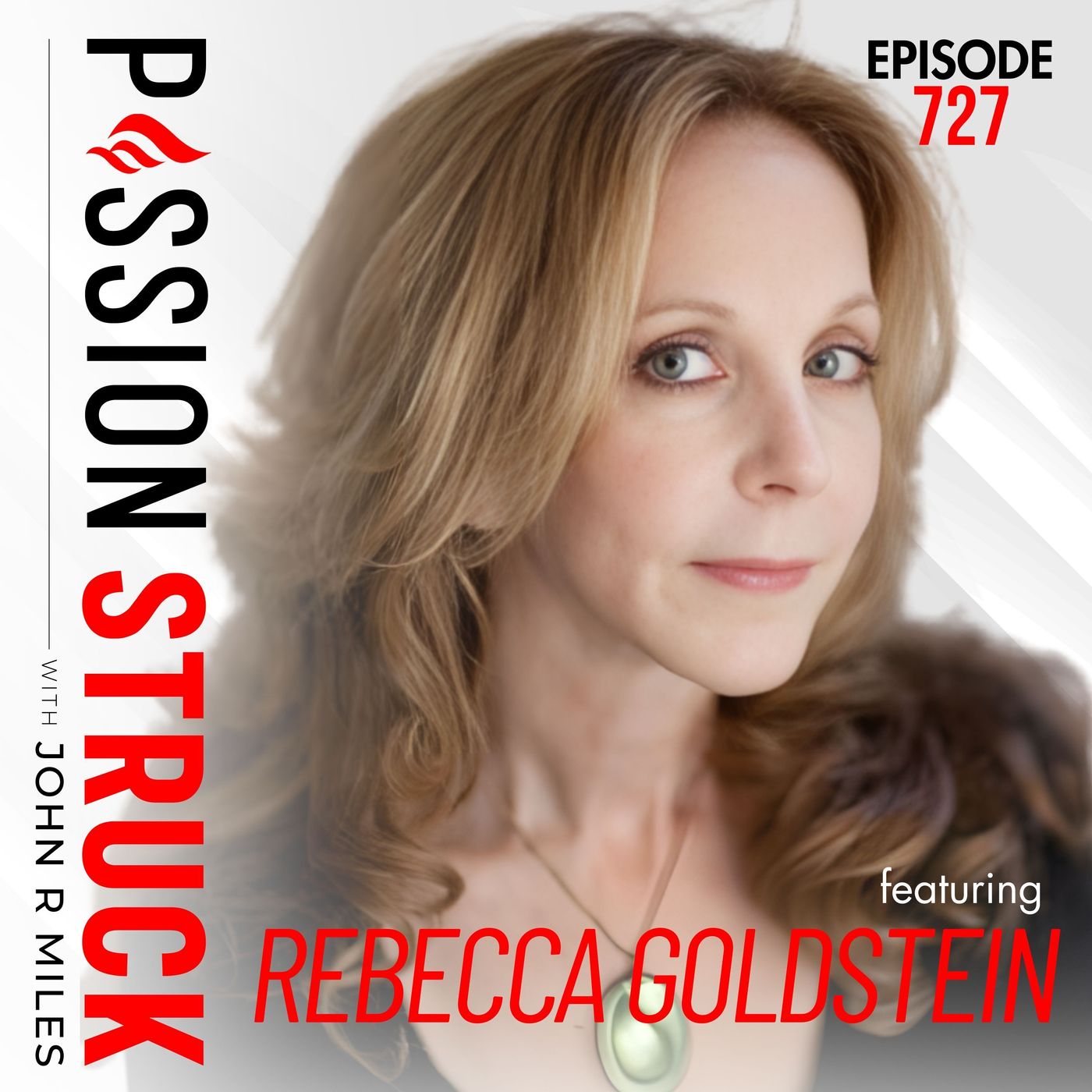
The Mattering Instinct: Why We Long to Matter | Rebecca Newberger Goldstein – EP 727
About this Episode
What if the most human thing about us isn’t happiness, survival, or even love but the relentless need to feel we matter?In this profound installment of the You Matter series on Passion Struck, MacArthur Fellow and National Humanities Medalist Rebecca Newberger Goldstein joins the show to unpack her groundbreaking book The Mattering Instinct: How Our Deepest Longing Drives Us and Divides Us (Liveright, January 13, 2026).A philosopher and novelist celebrated for Plato at the Googleplex and The Mind-Body Problem, Goldstein argues that this primal instinct is uniquely human. Rooted in self-reflection and our resistance to entropy, it propels our greatest achievements and darkest conflicts. Through vivid stories—from William James overcoming depression to a neo-Nazi skinhead’s redemption, Scott Joplin’s tragic devotion to his opera, and an impoverished Chinese woman rescuing abandoned babies—Goldstein reveals how “mattering projects” shape identity, relationships, culture, and even atrocities.She distinguishes true mattering (an inward justification of our existence) from mere connectedness (belonging to others), explores four “continents” on the mattering map (Transcenders, Heroic Strivers, Socializers, Competitors), and offers a moral boundary: align with life and flourishing against disorder and entropy.This conversation probes a crisis at the heart of modern life: In a world of metrics, performance, and isolation, how do we answer the question “Do I really matter?” and live with mercy toward one another’s vulnerable longings?If you wrestle with purpose, dignity, meaning, leadership, or why humans create beauty and harm, this episode delivers a clarifying, compassionate framework for understanding ourselves and our divided world.Passion Struck is the #1 alternative health podcast and personal growth podcast dedicated to human flourishing and the science of mattering. It is ranked #1 on FeedSpot’s list of the Top Passion Podcasts on the Web, recognizing the show’s commitment to thoughtful, human-centered conversations like this one.Caraway’s cookware set is a favorite for a reason—it can save you up to $190 versus buying items individually. Plus, if you visit Carawayhome.com/PASSIONSTRUCK, you can take an additional 10% off your next purchase.Check out Kalshi and use my code SB60 for a great deal: https://kalshi.comCheck the full show notes here: https://passionstruck.com/mattering-instinct-rebecca-newberger-goldstein/Download a Free Companion Reflection Guide: https://drive.google.com/file/d/1dy59XSRcQgovN3N-KNbHILa9GO91Tou-/view?usp=sharingConnect with John Keynote speaking, books, and podcast: https://linktr.ee/John_R_MilesPre-Order the Children’s Book You Matter, Luma: https://youmatterluma.com/Learn More About Rebecca Newberger Goldstein: https://rebeccagoldstein.com
Connect with John
Support the Movement: https://startmattering.com/. Every human deserves to feel seen, valued, and like they matter. Wear it. Live it. Show it.
Disclaimer
The Passion Struck podcast is for educational and entertainment purposes only. The views and opinions expressed do not necessarily reflect those of Passion Struck or its affiliates. This podcast is not a substitute for professional medical or psychological advice.
- The Mattering Instinct: How Our Deepest Longing Drives Us and Divides Us
- Why the mattering instinct is the most peculiar and poignant thing about being human
- How self-reflection and entropy resistance turn biological survival into an existential question of justification
- The crucial distinction between connectedness (mattering to others) and true mattering (deserving our own attention)
- How the four continents of the mattering map—Transcenders, Heroic Strivers, Socializers, and Competitors—reveal our diverse responses to the same instinct
- Why this longing fuels extraordinary creation (art, altruism, discovery) and profound harm (atrocities, zero-sum competition)
- Entropy as a real constraint on meaning: ways of living that sustain order, care, and flourishing vs. those that accelerate disorder
- The vulnerability this instinct creates—and why it demands we treat one another with kindness
Connect with John
- Keynotes, books, podcast, and resources: https://linktr.ee/John_R_Miles
- Children’s Book — You Matter, Luma: https://youmatterluma.com/
- Pre-Order The Mattering Effect: https://matteringeffect.com/
- Book John to Speak: https://johnrmiles.com/speaking/
Support the Movement: https://startmattering.com/. Every human deserves to feel seen, valued, and like they matter. Wear it. Live it. Show it.
Disclaimer
The Passion Struck podcast is for educational and entertainment purposes only. The views and opinions expressed do not necessarily reflect those of Passion Struck or its affiliates. This podcast is not a substitute for professional medical or psychological advice.
Transcript
coming up next on passion struck we are so different by temperament belief systems value systems
culture or talents our passions and that individuality all goes into how we respond to
this shared motivation that we have deep motivation that shapes our lives and we none of us
want to waste our life we want to respond in the right way to this instinct and we
all make the distinction that there are right ways and wrong ways and we want to
in appeasing this longing and answering the question do I really matter that motivates all this
welcome to passion struck i'm your host john miles this is the show where we explore the art
of human flourishing and what it truly means to live like it matters each week i sit down with
change makers creators scientists and everyday heroes to decode the human experience and uncover
the tools that help us lead with meaning heal what hurts and pursue the fullest expression
with who we're capable of becoming whether you're designing your future developing as a leader
or seeking deeper alignment in your life this show is your invitation to grow with purpose and act
with intention because the secret to a life of deep purpose connection and impact is choosing to live
like you matter
hey friends and welcome back to episode 727 a passion struck over the past several episodes
we've been opening a new inquiry here on the show the you matter series an exploration of how
human beings experience significance in a world increasingly organized around performance metrics
and proof we began last week with renowned psychologist Barry Schwartz examining how modern
choice culture erodes agency and authorship we continued on Thursday with psychologist Daniel
Ellen Burke exploring how inherited scripts of strength and emotional restraint shaped who is
allowed to feel speak and be seen today we go deeper beneath choice beneath roles beneath culture
itself to the instinct that makes all of those questions unavoidable why does a human life need to
matter at all my guest is Rebecca Newberger Goldstein MacArthur fellow philosopher and novelist whose
work has spent decades probing how human beings search for meaning value and justification
within a finite life her new book The Mattering Instinct argues that the longing to matter
is a defining feature of human consciousness rooted in our capacity for self-reflection
and our need to justify the attention we give to our own existence in today's conversation we
explore why human beings feel compelled to ask whether their lives are worthy of the time
energy and care they demand why connectedness and mattering are not the same thing and how that
distinction reshapes how we understand dignity and self-worth how different people pursue
mattering through distinct projects that Rebecca calls mattering projects and how those mattering
projects shape both individual lives and entire cultures we go into why entropy functions as a
real constraint on meaning helping us evaluate whether a life sustains order care and human flourishing
we discuss how the desire to matter can lead to both extraordinary creation and profound harm
and lastly why understanding this instinct may be essential to living together with greater clarity
this conversation sits at the philosophical heart of the UMATTER series and it arrives as we move
toward the February 24th launch of my upcoming children's book UMATTER Luma a story designed to
plant the truth of intrinsic worth early before the world teaches children to confuse mattering
with visibility performance or competition Rebecca's work offers a deeper framework for understanding
where that question comes from and what it asks us across a lifetime let's continue the UMATTER
series with philosopher Rebecca Newberger Goldstein thank you for choosing passion struck and
choosing me to be your host and guide on your journey to creating a life that matters now let that
journey begin hey friends there's something about March that makes you want to reset your space
for me that started in the kitchen clearing out what I didn't need and upgrading
what I use every single day that's when I brought in caraway what I love is how simple caraway
makes everything the ceramic coating means food just lifts right off so I'm using less oil
clean up take seconds and cooking actually feels enjoyable again but it's not just performance it's
the intentional design the storage system keeps everything organized and I've become a lot more
mindful about what I bring into my home and that's why it's so important that caraway is third party
tested and made with high standards which just gives me more confidence and when I'm using every
day it's one of those upgrades you feel immediately caraway's cookware set is a favorite for a reason
it can save you up to $230 versus buying the items individually plus if you visit carawayhome.com
slash passion struck you can take an additional 10% off your next purchase the steel is exclusive
for our listeners so visit carawayhome.com slash passion struck or use code passion struck at checkout
caraway non-toxic kitchenware made modern
I am absolutely honored today to have Rebecca Goldstein join me Rebecca is the author of a brand
new book titled The Mattering Instinct which I absolutely have just devoured given my passion
for this topic but I think we're kindred spirits and I can't wait to have this discussion
Rebecca it's so great to see you here today that's wonderful to be here thank you so much John
Rebecca I want to start out by talking about something before we get into your book around
2019 I understand you were part of a group of individuals that I refer to as the dream team some
of them I know fairly well some of them I've yet to meet but it included Marty Seligman
David Jaden, Barry Schwartz who's becoming a recent friend and a few others I understand that you
all met to have a really deep philosophical discussion around mattering I was hoping you might be
able to take us into that room with that amazing dream team what was occurring well thank you actually
thank you for bringing that up because it was really important to me and they are I like the way
describe them that they are a dream team all of them top notch psychologists no I'm not a
psychologist but I'm a philosopher that's my academic field and it was Marty Seligman but let me
go back a little I've been thinking about mattering a very long time it snuck up on me well I was
playing hooky from philosophy and during a summer vacation wrote an awful call of a mind body
problem I was a young untenured professor of philosophy and my husband at the time
and shelled in Goldstein had said you're going to ruin your career before it's struggling to exist
and because I was doing very technical kind of philosophy of science philosophy physics philosophy
math I was in what they call an analytic philosopher none of this existentialism stuff no that was
meaningless imprecise and but this novel came to me and in order to understand my character
I came on this notion of mattering that it's everybody needs to feel that they matter in the way
that most matters to them and the diversity creeps into that second half of the sentence that there
there is just abundance of ways in which we try to prove to ourselves that we matter and and I
thought well this is interesting this helps me understand my character and my character presented
the idea I know I did but of the mattering math but the interesting thing was I would never have
thought of these things on my own because I were too imprecise I couldn't quantify it I could put
it into symbolic logic I could the kind of training that I had just gone through made me think of
these as imprecise and therefore not useful but because I was inhabiting this fictional character
I could present these ideas so that was weird but these ideas began to grow in me and I started to
pay a lot of attention to them pay a lot of attention to other people and what was the most
matter to them improving to themselves their own mattering and a theory began to develop but I
never had any intention of writing about it or first of all the theory got too big and I'm
suspicious of big theories analytical answers are so suspicious of the grand theories especially my
own but little pieces of it leaked out into almost everything else I wrote and the last book I had
written was called Plato at the Googleplex why philosophy won't go away and Marty Seligman he was
able to see there are few paragraphs or two pages I give to what I call the mattering instinct I
can call it that then but I talk about it as a way of trying to explain one of the great mysteries
and the history of ideas and that is why in a certain period of time call it the axial age
all religions that are still extant emerged as well as philosophies well as Western philosophy
and I hazard hypothesis that life became stable enough so that the mattering instinct could
emerge Marty Seligman alone of all my everybody read that book grabbed onto that and he organized a
workshop around this idea of mattering for me to present this idea and it was so encouraging
to have these psychologists not philosophers psychologists pain psychologists who I knew were
top notch all of them connected with positive psychology pain this kind of attention to it and we
were supposed to write I was supposed to write a paper for it and I started the paper and the paper
just got getting more and more complicated and I saw I just had to write a book so Marty Seligman
of everybody is responsible for me writing this book and I couldn't get the paper out so the first
time I've ever been assigned a paper I couldn't complete because all the ideas connected in a very strict
deductive way almost and I had to try to get it all out in a in the most readable accessible
fashion I could and being a novelist that helped because I'm going to telling stories as well
I can tell a story this being stories about real people not made up stories I tried to demonstrate
the various ideas through stories of people but anyway it was a very intense three days everybody
started out or not everybody not Marty but everybody was a little skeptical and by the end
they seemed most of them convinced I'm not sure about Roy the Elmmeister but everybody I'll see
but that was good too because he was pushing so you need that yeah thank you for pointing that out
because it was really just personally very important to me and and yeah it was responsible for my
sitting down and writing the book Rebecca for anyone who wants to look at the output of that
meeting I'm going to drop a link to the paper that was produced by that dream team that applies
mattering to work environments specifically in work cultures I just want to touch on Marty Seligman
for a second because when I interviewed Gabriella Kellerman she was there too yes she and Marty
wrote a book a few years ago and I was hoping that Marty would be part of that interview for his book
but he politely declined I even tried to get Angela Duckworth who's a close mentee of Marty's
to see if he would reconsider but unfortunately he wouldn't what she told me which gives me so much
hope and gives this so much merit is that Marty is dedicating the remainder of his life to study
mattering which I think tells you the weight that he has given to this topic I hope somewhere
along the line he might reconsider and have that discussion I had hoped I hope so I'll add my voice
and his students have been getting in touch with me hopefully some real empirical research will come
out of this there are many empirical hypotheses that I suggest that could be tested I'm not in
that business I'm not an empirical psychologist I'm not even a psychologist but Marty had said
he wrote the first sentence of the paper that I never completed which was that some of our the
most important ideas in psychology can be traced back to philosophy that it's the philosophers who
come up with these ideas and I just the generosity of Marty Seligman is it's really something for all
of us to celebrate it's he is so many academics you find we rather competitive and I mean he know
he is so beyond that he is dedicated to ideas themselves ideas for the betterment of all of us so
it's positive psychology and a most positive psychologist I love hearing that Rebecca I want to
now go to the book you open up the mattering instinct and you go through what we just discussed
how you've been studying this for so long but you call the mattering instinct the most peculiar
and the most human thing about us what makes this longing not just a motive but something
that fundamentally distinguishes human love and the most poignant thing about us too I think the
poignancy of our life is captured by this longing that we have to matter and I really want to
ground it on solid science going back to physics the most solid of all the sciences and there
the most robust of physics the one that physicists tell us can never be negated and that's the
second love of thermodynamics that entropy which is disorder it's nature's score card for
disorder and disorder of a system means the system is you can't get any useful work out of it
so entropy is kind of a downer story and all life is in resistance to entropy to ground everything
starting with that Rebecca I have to intervene right there for a listener who might not be familiar
with entropy can you just explain this because people might not be making the connection between
entropy and mattering all systems close systems that don't have access to external sources
that can be turned into energy they just they dissipate they become more and more
disordered and useful work can't be gotten out of them so that do the extent but entropy which
means disorder is growing the system is running less and less efficiently until suddenly it can't
not suddenly gradually at the end it can't run at all it's a living system it means it dies
and all physical systems are running according to this law and it's the laws of probability
show you why disorder is much more probable than order and so that's the drift that's the direction
of all physical systems including us great news we're going to die we're going to die just like
everything else and all biological systems us included are taking in energy in food sunlides
or in chemicals in order to resist entropy all of the laws of biology are actually
deliverable from this fundamental fact about physics it's not even an instinct the fact that
every physical every biological system matters to itself it's the organizing principle of all
of the instincts derivedable from entropy but we alone of all biological systems of which we know
the least of all biological systems on this earth we have the capacity because of these
amazingly complicated big brains that we've evolved to be able to step outside of ourselves see
how much we matter to ourselves how much attention we pay to ourselves incessantly pay attention
to ourselves that doesn't mean we're selfish it doesn't mean we're self-centered it means our brains
are running as they evolve to run to defeat to push against as long as possible against entropy
we can step outside ourselves and see ourselves mattering and ask why why of all the things in the
universe do I pay so much attention to this one thing that if the measure of how much I think
something matters is how much attention I give it it seems to follow that I think I matter more
than anything else in the universe and short of lunacy I know that's wrong that's the sanity in
all of us and that sanity because of this capacity to step outside of ourselves of yours gives
rise to this longing to matter to in some way try to prove to ourselves that the amount of attention
we give to ourselves is somewhat commensurate with how much we deserve that we're we do deserve this
it's not just arbitrary that I just don't I just happen to be who I am is everything else just
happens to be what it is no there is something about me that can prove to myself that just a little
more a little more commensurate a Nobel Prize economist I mean failure is when I was discussing this
with him because I just got this with every body he said he was a economist he said but he said
I'm thinking how much mattering do we need he said a smattering of mattering you know just enough
but some people need a lot more than a smattering of mattering and we differ a lot and how much we
need and how we go about doing it and that's what makes us different from all other organisms and that
what makes us values seeking creatures we're looking for norms to justify ourselves and that brings us
into the realm of values and that ultimately I think is what is produced the greatest achievements
of our species and also the greatest atrocities that is it's deeply human
before we continue I want to pause for a moment one of the insights running quietly through
this conversation is that the longing to matter does not begin in adulthood it begins early
before we can articulate it before we can defend it that realization sits at the heart of my
upcoming children's book you matter Luma launching February 24th you matter Luma is a story designed
to help children understand intrinsic worth before the world teaches them to measure themselves
by achievement approval or comparison if the ideas in this series resonate with you especially
if you care about how the next generation comes to understand their value you can now preorder
you matter Luma to Barnes & Noble amazon bookshop.org or go to the website you matterluma.com
your help supports bring this message of mattering to the lives that will carry it forward
now a quick break for our sponsors thank you for supporting those who support the show
you're listening to Passion Struck on the Passion Struck Network now back to my conversation
with Rebecca Rebecca so two things one in my first book Passion Struck I open it up with
discussing grit by Angela Duckworth I actually had a conversation with her on this and I told her
Angela I think you're missing a very important ingredient grit alone is just grit and actually in
the book I used entropy as the missing ingredient because when you apply entropy to grit it shows
that you have to be intentional about where that entropy is being directed if not that grit can go
to either something that is going to take your life to a greater place or it's going to take it in
the opposite direction exactly so I personally loved how you used it in the book and understand
what you were saying however I want to go back to what we were just talking about how mattering is
something that really distinguishes us from all the other species on the planet because I think
it gets back to that moment we began asking ourselves whether our lives deserve the attention that
we give them and I think that's where we cross into a distinctly human problem why does self-reflection
turn life into such an existential question at that point rather than merely a biological one
because it brings us into that realm of justification that we the whole to I define
mattering whether we're talking about what matters or who matters as deserving of attention
deserving is actually both those words deserving and attention are really interesting
attention yeah that's something to be empirically explored by all the neuroscientists and cognitive
scientists it's a scientific question attention deserving that's what philosophers call a normative
concept it has to do with ought rather than is and the fact that we are asking this question of
ourselves am I just serving of my attention brings us into this realm of justification that we are
trying to justify ourselves to ourselves and we have to live with ourselves 24-7
and be very aware of how much attention we are paying to ourselves there's the default network
mode when you're not being paying attention to external stimuli when you're fantasizing and
daydreaming and what psychologists have told us what are you thinking about then yourself you're
fantasizing about yourself or you're remembering about yourself that we and we have to do that this
is what our brains are wired to do attention evolved as an adaptation to help us survive and to flourish and
of course you know we're always paying attention to ourselves when we're paying attention to the
environment or paying attention to how that environment is affecting ourselves so we have to put
ourselves front first and foremost but when we step outside ourselves and it may not be very
conscious but it's there at some level we step outside ourselves and we see how much attention
we pay to ourselves as if we're the most important thing in the universe I think it sets up a kind
of unease and we want to address that unease and then brings us into the sphere of justification
of values something entirely different under the sun I think it's beautiful I think it is what we
mean when we talk about the intrinsic dignity of every human that we all claim to acknowledge that
there's a certain intrinsic dignity to every human it is because we take on this extra burden of
justifying the application of the laws of nature to ourselves are we really worthy of we have to
act this way this is what biology has determined for us but we can ask the just of a story question
it brings us into an entirely different realm and that's what it is to be human so we take on
this extra burden it makes you in life all life is hard you got to struggle against entropy it's
hard but human life is so much harder you have to convince yourself that you are deserving of the
struggle that's amazing and that is what we all hold within us that's something estimated
that's something even when we lose patience with things that our fellow human beings are doing
it's good to remember how hard it is to be human so I want to go back to my original point on
mattering and how I got involved with this and then we'll come back I was taking a deeply spiritual
course around 2005 2006 time frame where I deeply immersed myself in a 34 week study on the
Bible I would meet twice a week in a small group and we explored all aspects of this from a
philosophical standpoint because the pastor who was guiding it not only had a doctorate in theology
but he also had a doctorate in philosophical history it was really an eye-opening experience
throughout this process I started to get these unwirly columns that I was supposed to go out and
help the lonely the broken the burned out the battered the helpless of the world and I had no idea
at the time what I was supposed to do I was senior executive at Lowe's leading the IT group
and I had absolutely no idea why I was being asked to do this thing or how these conditions were
even interrelated but now as I've seen the loneliness epidemic and the staggering statistics that
we have in both adolescent and adult rising in depression and anxiety more people burned out and
disengaged helpless I started to see that all of these things can't be isolated they have to be
symptoms of something that is much larger and when I started to really analyze this and started
looking at this from a spiritual layer a scientific layer a philosophical layer it all took me to
matter and when you lose it these are the things that start happening across society when the most
important thing about a human starts to erode we start to erode I wanted to put that out there
so you understand how I came at this it's important for listeners because you draw an important
distinction in the book I think it's an important one that people don't contemplate and that is
the distinction between connectedness which a lot of influencers are talking about today and
mattering we often treat them as the same but philosophically they are very different and I'm hoping
you might help me with that explanation thank you thank you that is I have found in trying to
discuss these ideas that is the conflation that people seem to naturally make that makes it very hard
for me to talk about what I actually mean here to try to uncover it one is very obvious to us
that we need to matter to others so the same notion mattering is used in connectedness that we need
there need to be certain people in our lives who will pay us attention whether we deserve it or not
hopefully all of us had this experience as very young children in our families that is the point
of families to make everybody in the family but most especially children if there are children in
the family to feel that they matter that they're deserving of attention we are born exceedingly
helpless more helpless than all other animals and that's because again these big brains are in order
to get these heads out of the birth canal which is difficult enough take it from someone who gave birth
that in order to get these big brains out of the birth canal they have to come out very prematurely
only 30% developed in that first year of life the brains grow enormously that's why when you bring
an infant to the pediatrician they are measuring the circumference of their heads because those
heads have got to double in size or something I don't remember exactly what the number is but they
grow really fast and so we're born incredibly helpless it takes a very long time for our brains to
develop into our early 20s when the most important the prefrontal lobes the place of maturity of
responsibility of taking being accountable of thinking before you act all of that stuff your impulse
control finally comes into being locks into place so it's like there's very little time between
your brains finally coming into maturity and the first wrinkle you know it's you start so why
because these these these brains are the most complicated thing we've yet discovered in the
universe yeah anyway so it we have got to be born into families into caretakers who will pay us
attention even if we don't deserve it how much attention does a little baby deserve they're not
doing anything extraordinary six months they finally roll over and we're all applauding that
well helpless we are right because if we don't have these caretakers taking pain us exquisite
attention we die and that need for there to be others in our lives friends family lovers co-workers
community members whoever you have in your life that continues throughout our lives that they're
my friends are paying me attention even when I screw up when I don't have to prove to them how
worthy I am they are my friends that's what it is to have people in your life and that is a need we
all have this mattering to others and it has to do with our relationship to others hopefully it's
reciprocal hopefully we also pay them attention but not everybody does they just want the attention
and they don't give it back anyway mattering instinct is something else it's our relationship with
ourselves it comes from this existential moment it's almost like a bucket play in fact Samuel
Beckett writes about this moment over and over again this kind of strangeness when we step outside
of ourselves and interrogate ourselves as if almost were another person saying well who are you
why are you so devoted single mindedly to your own survival and flourishing why are you paying
yourself so much attention you're not so very important you're you're no more important than
anybody else and then you try to do something to close that gap and that's what I mean by the
mattering instinct and you may do it through your social relationships that's what I call socializers
but you may do it spiritually religiously the kind of studying that you were talked about you
may do it in terms of your you have certain standards of excellence that you need to realize in
order to to feel okay about yourself and maybe very grand Steve Jobs had said you have to make a
dent in the universe well not all of us are born to make a dent in the universe I mean raising
prize petunias and maybe raising flourishing children and there are different ways that we
standards that we may have intellectual artistic entrepreneurial athletic military
ethical that we need to realize in order to feel yeah I'm okay I can tolerate my own existence
it may be competitive when these are the four different what I call the continents of the
mattering map and it just about everybody I've spoken to over the past 40 years since I've been
interested in this subject I wouldn't say just about just yeah everybody falls into one of these
four grand categories but then there are so many ways that these are realized so many things and
that's just so fascinating this kind of diversity in us thank you for sharing that Rebecca I want to
go into those quadrants here in just a little bit but I want to summarize what you were just saying
connectiveness concerns how we matter to others and this is how most people perceive mattering
however you and I would argue that mattering really concerns how we matter to ourselves
and this turn inward carries so much moral and psychological weight when you think of it that way
and I started to think about this because at the same time I was given that calling this group I
inherited it lows out of something like 300,000 employees was the most disengaged group in the
entire company and when I got to the root of the issue it wasn't about how they were relating to
others everyone else thought there were a bunch of buffoons and told me I should get rid of the entire
group what I realized was it was a greater breakdown because almost to a person when I would speak to
them none of the people in the group understood how they matter to themselves or how the role they were
doing mattered in the bigger scheme of lows like how does my job as a computer operator or someone in
the data center are working in a call center impact a customer experience and when they don't
understand that and this is what I think so few companies really understand they're never going
to be able to do the things you want them to and that's why I recently wrote a CEO weekly article
about this that the group of people that were not spending enough time with in these organizations
is frontline managers when I was in the military these are the corporals or sergeants or the
petty officers in the civilian world they're the frontline supervisors if these people don't
have a return on energy if they don't believe they matter then everything else in your company
is going to break down this is what I realized so when I rebuilt this group I had to start from
there how do you start making those employees those frontline supervisors feel like they matter
because then it carries the ripple effect forward and then they develop the relationship with
their subordinates and teach them that they matter too and that's how mattering the mattering
instant starts expanding that's what I found I think that is extremely interesting but I do
just want to point out that for a lot of people they really don't arrive they're mattering
from their work they work in order to make a living who support themselves and perhaps their
family and so many people I've spoken to are of that kind but that they're they're real mattering
that what do you mean this existential project that makes them feel that they have a reason to live
and that gives us them the impetus to get on with the future because it's hard to live the human
life they just can't stress that enough that they're driving it from something else so of course
it's very good to make people feel as if they matter in the workplace it's a moral imperative to
try to make people feel they matter wherever they are and to make them aware of how much they
matter in that situation you're overdrivers the cashier in the grocery store everybody to treat
them as if they matter and to make them and and point out the special things that they do that make
them matter is it's just it feeds the soul it really feeds the soul but I do want to just say
for some people for some of there's this movement that's rather big among philosophers
effective altruism and I said take any job that's going to pay the most money so you can give
the most charity work for Wall Street work for whatever even if it's not meaningful work for you
what will give it meaning is that you're doing it in order to be an altruist to make as much money
as you can in order to give it away so these are people who definitely do not are not going to
drive any their mattering from the work itself but from what they're going to do with this money.
I recently had a discussion with Joshua Green and it was basically on those same lines however
there's this interview I did a while back with this gentleman named Dr. Abraham George he came
over to the United States from India and became a prominent businessperson in New York he built all
this wealth and then actually went back to India because he saw how big a gap there was for so
many people he ended up creating this institution called Shanti Bhavan and put his altruism to work
since that time he has taken over 15,000 children who were in the lowest caste systems and these
children are now New York Times bestselling authors they've attended Ivy League schools
they're professors he has changed the complete dimension for tens of thousands of people
and I think it shows how the ripple effect that you were just talking about can change lives
on a global basis. It is Freud had said that the two cornerstones of humanists are love
and work and I think the fact that he said work where I would say
it shows us a lot about Freud no surprise he derived to sense of mattering from his scientific work
which was revolutionary and but not everybody derives their sense of mattering from their work
and to me this has been the most interesting thing to use this framework to try to understand
other people and it's to get to the core of other people what is it that's driving them
how are they trying to appease this longing. I think an interesting take on this is if you look at
Victor Frankl and how he defined the ways we achieve meaning he did identify work is one of them
but he also identified relationships that we find ourselves in so you can be a caretaker to a loved
one who's going through a terrible sickness and you can find meaning in that or you can find
meaning in the love that you have for a child or a loved one or a partner but he also finds that
you can have meaning where I would extend it to mattering and suffering it's not just about work
and I think that's what makes it unique is mattering is completely dependent on each of us as
individuals yeah so our real individuality comes out and free will is a big issue for philosophers
and I was saying if it exists anywhere it exists on this plane the plane of trying to respond
to this shared mattering instinct and which brings us into this realm of values and we choose
different values and some are choosing I tell stories of people who have choose what I would call
wrong values and I try to give the criterion for distinguishing between better and worse ways
of responding to this if I wake up tomorrow morning and decide I have to invade Poland
no my sense of mattering demands it well then my sense of mattering may demand that but I must be
stopped because this is a destructive way of responding to the mattering instinct and we do see
very destructive ways of responding to it and I would say some of the worst atrocities we've seen
throughout history and if we open today's newspaper we will see very damaging ways of responding to
this but it's deeply unique so no wonder it can lead to atrocities and no wonder it can lead to
beautiful acts of altruism and achievement and scientific discovering artistic creativity and all
of that let's take a break here before we go into the four quadrants I definitely want to go into
them but I want to explore one of these stories maybe I'll let you pick one in the book you talk about
Spinoza you talk about William James you talk about Freud who you brought up earlier but is there a
particular story that you feel might resonate the best for the listeners yeah I pre-got these stories
in to illustrate different aspects of this mattering longing but perhaps William James because
I think the story of William James the great philosopher and psychologist in fact
and Harvard down the street from where I am now the psychology building was called William James Hall
Harvard is very proud of him I think he illustrates it especially when you could put him in
a combination with his sister Ellis James but so William was born into an amazing family his younger
brother by 18 months was Henry James the novelist William James is the oldest of five children and then
there were two other boys after Henry and then a sister Alice James and William James a father was
kind of he didn't have to work for a living he had inherited money but he was an independent scholar
Swedenborgian mystic and William James was extraordinarily talented intellectually artistically
scientifically philosophically a very close-knit family the connectedness was there super there when
William decided he wanted to be an artist they all took off and moved from Boston to Newport
Rhode Island so that he gets the study with a famous artist there the whole family decamped and he
certainly in terms of connectedness it was all in place and he suffered he said he was not going
he wasn't a good enough artist and there's nothing more contemptible than being a mediocre artist he
had these already this is a heroic striver right said that he has these standards of excellence that
must be met in order for him to live in peace with himself so he then he goes to medical school and
he's not inspired by medical school he goes through it he becomes a doctor he never practices
he goes into a deep depression almost like had a tonic depression where he would just lie in bed
and contemplate suicide for months and months on end right and he does not commit suicide because
he wouldn't do that to his family but that is how tenuous his hold on life was his engagement with life
and it's such an amazing he doesn't he writes about it in one of his great books the varieties
of religious experience he says it he tributes it to a French doctor but he told his son and also
his translator his French translator that it was himself that he was describing here it was a
first person account of what it is like to be in a deep clinical depression and then he pulls himself
out of it he decides his first act of free will be to believe in free will and he will act as if
his life is worth living and he latches on to what I call a mattering project he becomes a
philosopher and all of that energy was that was all over the place and is focused on this one area
which then merges into psychology and he is a man of extraordinary energy everybody writes about him
he was physical energy and mental energy and social energy he is but constantly battling a kind of
melancholic what they called the 19th century a melancholic depressive temperament when he
accomplished a tremendous amount his principles of psychology still read it's magnificent and
he's a psychologist who who writes like a novelist and his brother Henry James is a novelist
who writes like a psychologist to extraordinary talents he was a heroic striver he needed that
project to to carry that so that he could accomplish these great things in order for him to be
able to live with himself his sister on the other hand Alice was a Victorian woman but there was
no outlet for her when she she kept a diary and it was finally published in the 1970s it was
feminist project to bring out this diary of this Victorian woman and she did suffer her entire life
from depression constantly was fighting off suicide she became a permanent invalid couldn't
leave her bed and did get a lot of attention from her family in this way but was was life was
not a joyful endeavor for her and when she actually got breast cancer at the age of I think 41 or 42
she greeted it with glee now she could retire now she had a diagnosable disease and she could
just retreat and wait for death it's almost like a controlled experiment two people raised in the
same household the same close-knit connected household and the same kind of temperament neurotic
yes both of them had weird neurotic but one was given a way to find himself to a manoring
project that could allow him to live with himself and feel like he was realizing what he was
meant to do and the other was it and you see the results you know how it was so for me this family
this amazing family especially these two siblings really demonstrates something about the distinction
between connectedness and the mattering instinct I wanted to share a couple more things about this
because this is one of the things I loved about your book is how much detail you put into these
stories so what you just left out that I think is important is that out of these five kids
William James father chose the two oldest to be his heir apparent and the ones that he wanted to
glorify the James family name that he wasn't able to do in his lifetime so he did extraordinary
things for William and Henry including the fact that he moved the whole family just so that William
could try to pursue his artistic ventures and then what followed is he moved him back and when
William James went to Harvard Harvard back then isn't what we think about today Harvard was stumbling
not nearly as well respected when William arrived there and I think he in many ways put them on
the map but another distinction that you really make is that the father allowed the two younger
boys to go to war when they were just 16 and 17 years old which caused both of them to end up
leading unfulfilling lives because of those experience that they had in battle and in many many
ways then the daughter Alice who was brilliant as brilliant as the two older boys was never given
the same mattering foundation as the two older boys were which I think impacted her own self
mattering in huge ways and it was only in the twilight of her life when she found her partner
who made her feel like she mattered that I think she truly became alive so I think those are other
really important parts that you bring about in the book yeah well actually the most fulfilling part
of her life when she just did not have the ideation the suicide ideation was a brief period when
she was able to teach other women there was a some kind of group that allowed women to teach other
women and and then she felt fulfilled and then what she was and she did it's true that did
her Katherine Lauren partner towards the end of her life was it was a very fulfilling
relationship but she needed when you have that much talent you need a way of expressing it
of trying to develop these ideas or develop your beautiful sentences she had the writing gift
and she had that heightened consciousness of consciousness that all of the James siblings had
but yeah they're extraordinary family but I have a novel called The Dark Sister in which William James
is a character right there but the way that William you know that the way he was
able to pull himself out was just I'm going to commit to life and that means committing
to a certain project it turned out to be a highly intellectual project not artistic but he was a
heroic striver and I think there's some there is some evidence comes from the psychology of
personality that we have a a structure to our temperament so that some of us are more interested
in close relationships some of us in achievement some of us in power this so there's this theory the
Marie McClellan theory of personality that groups us into these three different types and there's
some correlation with my quadrants my continents the four continents of the mattering map
transcenders what I call transcenders those who seek it in some matteriness and religious or
spiritual way is not included in this but transcenders I think come in three different forms
and affiliate or those who are driven by need for affiliation those who are driven by achievement
and those who are driven by the need for power so the religious impulse can express itself
in many different ways this is where I really wanted to go great so in the book in the mattering
map you bring out transcenders which you just mentioned socializers heroic strivers which you
mentioned William James was and competitors and the reason you do this as I interpret it is you're
trying to show how widely different human responses to the same instinct diverge and another thing
that I thought was really important is that mattering instinct is not circular what I thought
is the fact that we long to matter doesn't automatically justify how we pursue mattering was an
important distinction that you made so with that setup can you take us through the four quadrants
thanks for mentioning it's not circular that would be very damning if it was and I gave that a lot
of thought that it not be circular so transcenders heroic strivers socializers and competitors and I
can say they can all go right and they can all go wrong then I talk about how I try to distinguish
between right and wrong responses but transcenders this is a very this is a kind of yeah religious
spiritual response to mattering it requires the person the transcender to have a belief that there
is some transcendent trans empirical beyond space and time being to whom one matters that the trend
whether you call the transcendent being god or something more spiritual and vague but yet that the
universe is permeated by the goals the intentions of this being and this being intentionally
created oneself that you exist by reason of this transcendent being god or whatever you call it
and that and that that means that this being thinks that felt that you have a purpose to play
in the narrative of eternity this is the grandest narrative that could possibly exist and that
this results in a great sense of mattering using you cosmically matter that which created
heaven and earth and the moral order created you I was born as an into a transcendor feel of family
that's my background I was born into a very religious family I was raised very religiously
and I was very religious I'm a serious nature so when I was religious I took it very seriously
in my tradition for example men are required to pray three times a day every day women are not
I did right I took that on myself and and the sense of mattering I've experienced it is very
strong I felt then I did something wrong and I violated one of the many laws that go into the
the demon it a Jewish Orthodox life Orthodoxy is what I was brought up in I felt that I was
displeasing god himself that god was paying attention that and that was terrifying but I never doubt
how much I matter I matter to god I very actually all my actions matter to god that is a very
strong sense of mattering and and people as we well know transcendors will give up their lives
that's what religious martyrs do what they feel that that is required by what grounds they're
mattering which is one of the points I make in the book that our our need to matter is stronger our
will to matter stronger than the will to life itself you will you can sacrifice your life if
you think that your mattering demands that so those are transcendors and they're really interesting
to make especially given my background Joan of Arc is a great example of someone who gave up her
life because she pursued her mattering yes exactly and she says as the fire is lit hold the cross
so that I can see it okay I'm going to start crying because it's very long hold the cross up
so I can see it through the flames this is very moving you know that this is many members of our
species have this is the way they ground the right and I think one of the reasons that we feel
this crisis of mattering is that most of us are no longer religious in that way we may go to church
synagogue mosque but we don't ground our very mattering on on these religious beliefs and other
things have moved in to take its place fame power money these sorts of things shallower and that also
I should say that not everybody can achieve not everybody can be famous not everybody can be a
billionaire not everybody can be powerful but when the days of religion or spirituality really
grounding the sense of mattering everybody could have a part in that and so that is so that has
some things to do with why mattering is a lot of other things have to do with it as well but one
of the factors that goes into why there is a crisis of mattering not that I'm in favor of or all
be right it's interesting I'll get this literature sometimes saying showing that believers religious
believers have the greater sense of meaningfulness in their life of mattering this life this is not
surprising to think that you have a role to play in the narrative of eternity nothing else can compete
with that you I'll get this literature and it's put in the guise of so therefore be religious as
if that's not how religion works it's not it always reminds me it's like joining the health
club you'll be healthier well become a religious believer I feel like you matter more it's not how
religious belief works I know because I was once a believer so there are heroic strivers
and heroic strivers also very interesting these are people who have some it's not mattering to
God it's not mattering to others in a heroic striver true heroic striver it really is a matter of
there's standards of excellence that you have to fulfill or at least feel like you're getting
closer to making progress toward in order for your life to feel meaningful in order for you to
have a purpose and for it to make sense and I do pay a lot of attention to a heroic strivers in
the book and maybe that shows something about me but these are a kind of person I understand very
well but I'm particularly interested in those who were really not trying to impress others
that were to really show that this is about realizing a standard of excellence for yourself
and so that you can respect yourself respect redeem yourself and your own eyes and one of the for
me most touching stories comes from my personal life I have a very good friend she's a writer and
Megan Marshall she's a Pulitzer Prize winning biographer and she had a partner who had once
named Scott Harnie who had hopes of being a poet and studied at Harvard with Robert Lowell
and it wasn't going at all well he sent out his poems they were not published he tried to get
entered every contest he did not win and then he turned away from poetry and after unfortunately he
died young and he after Woods Megan found his stash of poetry on which he had been constantly
working he never sent it out again the rejections were poisoning it for him right but he worked
just as hard and he and his poems are magnificent and you see all of the effort and that was his
mannering project he was going making progress towards this and it was not to win other
peoples applause or anything like that it was just to feel like he was doing something with this
life that it was not a waste he was in dialogue not with his contemporaries but with the great
poets of the past and so this really to me this story really demonstrated what it is to be a heroic
striver it's the applause they may come they may not they couldn't come for him because nobody else
not even his partner knew what he was up to after his death his book was published too great a client
that reminds me of this story I recently had Mark Nipa on the show and he was telling me that
people now are very aware of his book spiritual awakening because it sold like 30 million copies
but it wasn't his first book it was one of many books at that point he had written and up until
Oprah discovered it through her yoga teacher he told me it had sold maybe a thousand or 1200 copies
and it was really her who amplified it so he's another one who you think purpose was more in the
master of what he was trying to put into his words than it was ever the global attention and recognition
that he derived from it that's how I took my meeting with him yeah so should we go on to the next one
I could talk more about her role yes no let's go to the next one socializers most people who I
speak to and I tell you if you sit next to me on a long trip on a bus or a train or a plane
sooner or later I'm going to be asking you questions about what you see up in the morning what you know
what could go wrong in your life that would make you feel like you're living your life all wrong
these kinds of existentially probing questions and everybody eventually has a story to tell me
about it but most people as soon as I start talking about mattering they just automatically supply
the term mattering to others now part of that is because of this connectedness that is a need for
all of us without deep connections people in our lives to whom we matter what do we feel lonely
that's what loneliness is when you don't have people who are just going to pay you attention who
think that you matter but mattering when it's mattering the result of not feeling like you matter
as we see from William James's story is depression it's and in fact the suicide help line in the US
is www.umatter.gov and you matter.gov and I have spent a lot of time talking to depressed people I
since heroic strivers by the way are very prone to depression of this sort it's hard to be living
a living thing it's even harder to be human it's extremely hard to be a heroic stripper right to
have these standards of excellence that you have to feel like you're making progress towards
otherwise you feel disgusted with yourself that's what depression is it's self-discussed you don't
want to be in the presence of yourself any longer it's like a psychological autoimmune disease
you're fighting against yourself so how did I get back on heroic strivers yeah there you go
but if we're talking about socializers for socializers it's the mattering to others that really
satisfies the mattering instinct and it might be mattering to others who are in your life so that
the need for connectedness and for mattering are really collapsed into one so a mother who's living
for her children or romantic partners who are living for each other or that really that's what
the mattering is grounded on or it could be mattering to others with whom you who are really not
in your life who may be a bunch of strangers that's what the desire for fame is and the desire for
fame I found especially among young people is very strong that many young people I've spoken to
they want to be influencers they want to be paid a lot of attention I a lot of people most of
whom are strangers that's what fame is and it makes sense if you're trying to convince yourself
that you're deserving of all your of of your own attention the fact that so many others are paying
so much attention it's good evidence that you're deserving it makes you feel like you matter
it seems to quench that existential need so it's understandable I've spoken to a lot of famous
people and some of them find that fame is the piss they don't like it and it's very obscure
I'll tell one story about that that to me captured it again it was something I personally
witnessed I was at a party and there was a very famous writer there it was an academic party but
this was a writer in residence extremely famous the name would be known by everybody and a fellow
philosopher came up and was in the little conversation cluster and his philosopher he's clueless
and he asked her name and she told it and then he said oh and what do you do she said this
conversation is over turned on her heel and walked away and that really to me epitomized
what an insecure grounding thing is if you can tolerate one clueless philosopher not knowing
what you do and that that would hurt you that shows the kind of insecurity of going after your
mattering by way of fame it's nice to have a lot of people paying attention to you and there's
one straight it's a movie star I forgot his name he's a famous movie star I can't remember his name
but anyway he wanted it he was a little sick of always being swamped when he went out and
everybody wanted to take selfies with him so he put on a prosthetic nose and glasses and changed his
hair and he went to a mall in LA and he said yeah this really sucks nobody was coming over to me
and I wanted to tell me how much they love me and how can I curse on this
well no well he just said nobody nobody had weighed online to get a freaking cup of coffee
this sucks I want to be famous that's true when people treat the famous very nicely and for some
people it works and for some people it doesn't but it is a kind of insecurity the public is
fickle they're paying a lot of attention to you today but as it dips if that's what your
mattering is found it on you can find yourself in a very bad place so yeah and then the calls this
also has to do with mattering a lot to the cult leader and there's a bit called trickle down
mattering there are socializers coming there many different flavors as well and then there
are competitors that that's the last and those are the one kind of person that when I would talk
about mattering they would become uneasy and a little defensive because sensitively questioning
it is revealed that they think of mattering as zero sum they are in competition with others
as to their mattering to the extent that others matter they matter less
what's it piece of the pie and here too I know there are two very different kinds of
competitors some of which are individually competitive and it may be in one sphere for example
one scientist who I know who won a Nobel Prize and is another friend of his a mutual friend
said to me that ex was happy for all of 15 minutes when he got that call from Stockholm and then
he remembered that other people had also gotten Nobel prizes end of happiness he was a very
strong competitor but he did very wonderful work he contributed to science so even he's contributed
something you can do wonderful things if you are driven by competition then there are those who
are group competitors they feel like they belong to a group that most matters and and there
are in zero sum competition with other groups especially if they feel that these other groups
matter less but yet are being regarded as mattering more it's taking away their mattering
and one person that I go into great detail telling his story because his story is amazing
is a former neo nazi skinhead who grew up rough and bad in his family his mother was a addict his
stepfather was a brute and frank dropped out of school by the age of 13 he came into contact with
some neo nazis is it him look in the mirror you matter you are a white male heterosexual american
you matter more than anybody else in the world because of this group identity and these other
people whom they call bum mud people of color they are taking away your mattering
and the jews are behind it the great replacement theory so he became a fervent and a full-time
neo nazi activist he did terrible things he'll be the first one to tell you he came out of it
he saw the fallacy the idiocy he would say of his ideology but he grabbed hold of this way of
trying to answer his own need to matter with all of his life force and devoted everything
to it and terrible things as he would tell you and has spent the rest of his life doing penance
for that this is one of the most amazing stories of somebody who changed his location on the
mattering map he lives for something else now he lives for you I call him a heroic an ethical
heroic striber anyway those are the four types Rebecca thank you for taking us through that
I wanted to hone in a couple things that I think are important one is that you argue that the
mattering instinct is responsible for both humanities greatest achievements and its greatest
atrocities and you brought up through your last example the atrocities that it can cause but the
divergence here is really binary in many ways you could look at mother Teresa and then you could
contrast that with Hitler to show how both of their mattering instincts drove completely different
outcomes why is this so important for a listener to understand in today's world that we're living in
I think look we are so different by temperament belief systems value systems
culture or talents our passions and that all the individuality all goes into how we respond to
this shared motivation that we have deep motivation that shapes our lives we know
none of us want to waste our life we want to respond in the right way to this instinct and we
all recognize we make the distinction that there are right ways and wrong ways and we want to
end up piezing this longing and answering the question do I really matter that motivates all this
we wanted to it in the right way and it we never there's never the voice of a god oh some people
think there is the voice of God but most it's not the voice of God saying yes we're back up this is
the way this is the way to do it there's a tremendous amount of uncertainty we have to live with
and and it's better to recognize the uncertainty than not because if we don't and then where
you start thinking like everybody ought to be living the way I'm I'm living and they're living it
all wrong and they maybe will even go so far as to say and they don't matter they don't matter even
they're enumins they're they just are not worthy of any respect or dignity we want to get it
right and so what I try to do is to offer give in all of this diversity and it's always going to be
there and it's a beautiful thing one of my favorite quotations is from the Islamic mystic
Sufi mystic rumy you know that there are a hundred ways to kneel down and kiss the ground that
there are just so many ways that we can appease this longing in creative in beautiful ways and
there but there are ways that are ugly and are and how do we distinguish because from the inside
the ugly ways be in the right way so how do we distinguish and again I want to I don't want to
I can't in times past we would have put this down to our beliefs about God the word of God of
course we differed about the word of God and what he wanted from us and we differed in often
bloody ways how about that is there's some way of adjudicating of the difference between the right
and the wrong way that doesn't require us to put our faith in something that we can prove and
that we can all agree on secularists religious people the spiritual the non-spiritual the republicans
the democrats all of us and again I go back to that supreme law of physics that motivates this in
a convoluted way this longing to matter but I think that they can give us to this distinction
entropy is destructiveness it's death it's decay life is putting everything we have against this
thing so you know it so that we can live so that we can flourish as all living things do I think
it's better to be on the side of life than on the side of entropy on the side of disorder
destructiveness and death and ever a mattering project is such so that it's serving us so that
we are living with a sense of flourishing with living true to our potential living fully living
engaged that's good but we have to look beyond ourselves as well are we is our mattering project
such as to in general be on the side of life's struggle against entropy it's we're living in such a
way as to increase suffering increase confusion increase ugliness increase ill health as opposed to
health this is not a good mattering project even working for you even if it's working for you
it's increasing entropy disorder and suffering on a very local level when I talk about for example
a love bomber who I tell the story about one of my acquaintances had an experience with this love
bomber left a whole trail of very sad women behind him increasing disorder increasing suffering
or you could be on a grand scale a Hitler a Paul pot a king leopold a Belgium a Putin and maybe some
of our own leaders but who are increasing chaos disorder suffering and that's not a good way to
live and I think this sort of captures what we intuitively know about morality and about values
that be on the side of life that can be the meaning of life you are on the side of life itself
that's not arbitrary and I end the book by talking about an obscure woman I'm just happy to learn
about her a Chinese woman incredibly impoverished I was an orphan at three years old survived by
scavenging garbage and bringing it to recycling stations and this was during the period in China of
one baby policy and she found a lot of babies who were thrown out she found them in dumpster she
found them in public toilets she found them on the side of the road they were female if you could
only have one baby you wanted it to be male you wanted it to be a male and so she brought them home
this woman who could barely keep body and soul together and she brought up over 30 little girls
and she brought home more babies that she could find homes for she could find homes for them
she did and those she couldn't she raised with the bearous means possible she was dead by the time
I learned about her but I had the great privilege to be able to speak to one of her daughters
who threw her in a interpreter and she when I asked her and she was a found baby she was found
I think in a public toilet when I asked her did you ever want to find your birth mother and she
started crying I had the best mother of anybody could possibly have and everybody every child who
passed through her hands had the best mother that anybody could possibly have and this is such a
story of what it is to lead a good life she was entirely on the side of life of flourishing here
or generations now as usual has her own children generations who are alive because of her you know
what you know what more yeah that story reminds me of Schindler's list and there's this moment
where he's sitting in a movie theater and they ask all the people around him please stand up
if you were someone who Schindler saved and he looks around him and the whole room is filled with
survivors and that's how you realize the ripple effect of your actions on generations
yes yes and again I've quoted Rumi and from my own tradition the Jewish tradition ancient rabbi
rabbi Hillel who had said if I'm not for myself then who will be for me but if I'm only for myself
then what am I and if not now when and I think this both Rumi and rabbi Hillel had captured
neither of them by appealing to an Almighty God but what it is to really live a life that matters
what matters to yourself so you can live with yourself but matters in some more objective sense of
being on the side of life against disorder entropy all the things worth living for a knowledge
as opposed to ignorance clarity as opposed to confusion health as opposed to ill health
kindness as opposed to cruelty beauty as opposed to ugliness all of these require our resisting
entropy they all require order these are good things these are all good things love as opposed to hatred
these are the things we know intuitively are right so I want to close on this
Rebecca one of the mattering instance its most human implications is that
mattering makes us vulnerable to being wounded by the world how should that change how should we
judge one another yeah it's hard to be human really it's hard to be human it's just crazy I still
makes us vulnerable to say it again to being wounded wound up by the world so that how does that change
that woundedness how does that change how we judge one another that it might be that our mattering
project makes us dependent on on others even if we're heroic strivers we tell the story of
Scott Joplin of the great ragtime composer but he wanted to do something so much grander he
composed operas couldn't get them produced gave everything to this and they're marvelous there's a
tree we know about tree munitions which was one of the operas and but he was a black man in Jim Crow
times nobody was going to produce his opera ragtime jazz that was acceptable but so sometimes
there is a sort of clash between what we need to do to feel that we matter and what the world
wants from us and they don't want that from us and we need them to want this from us or sometimes
a romantic longing this is the person who's love you need in order to quench your thirst to matter
and maybe they like you for a little while but then they leave you or maybe they never it makes us
depending on what our mattering project is you can make us dependent on getting the right response
from the world and that makes us that can wound us deeply and we have to think about how to
respond to that we sometimes we have to change how we seek our mattering AI now faces us it may
be stealing our mattering away from us able to do our creative tasks better than we can so all
creatives will be facing an existential dilemma can they really matter when AI can do it better
so there are all sorts of things that can go wrong here which is I think there are practical ways
that we can try to meet this depending how it plays out in our lives in the lives of others
but one thing we really ought to be giving freely is our kind of mercy toward one another
in realizing this burden that everybody faces wherever there is human life there is the quivering
longing to matter that makes us vulnerable to being wounded by the world and we should have
mercy on one another Rebecca my last question to you and I'm interested to hear your
reply is what does it mean for you to live a passion struck life yeah well my passion I think
is obvious I love knowledge I'm going to tell you the truth I want to know everything I just want
to know everything and I want to be able to fit that all together in some meaningful way that
will be helpful to add something to enough for myself and who will be for me but if I'm only
for myself and what am I I live by that and but for me personally it's understanding things
trying to understand things on a large scale how it all fits together yeah that is that that's
my passion my passion is also to love others and that's is very hard sometimes we are all extremely
flawed and this framework that's allowed me to I think try to understand others it's not to
forgive everything about others we do terrible things to each other by getting I think this wrong
this mattering instinct wrong but I would say love and knowledge these these are my passions
Rebecca it was such an honor to have you today thank you so much for joining me on passion struck
congratulations on this amazing work mattering instinct that you have brought into the world
well thank you so much for understanding what it's about thank you very much
that brings us to the close of today's conversation with Rebecca Goldstein if this episode
lingered with you it's because it's named something fundamental the human need to justify our lives
not just to others but to ourselves here are three reflections you might carry forward first
mattering is an inward moral relationship belonging tells us where we stand with others
mattering asks whether our lives are worthy of the attention they require second the instinct to
matter is powerful and dangerous it fuels care creativity and endurance and it can also distort
into competition exclusion and harm when misdirected third entropy places a boundary
some ways of living sustain the conditions for life others quietly accelerate decay the
difference matters Rebecca minds us that the longing to matter is not something we outgrow it is
something we learn to live more wisely more mercifully and more honestly if this conversation
expanded your thinking consider sharing it with someone who wrestles with questions of meaning
value or worth or leave a five star review an apple podcast or Spotify it's one of the most
meaningful ways to support the show to continue the work visit the ignitedlife.net
for guided reflections from the you matter series watch the full conversations on youtube
john or miles or passion struck clips explore intention driven apparel at start mattering.com
on Thursday we continue the inquiry we started today with Daniel Coil in his new book
flourishing where we examine how environments culture and collective practices shape
who grows who quietly withers modern experience i think to feel like you're just a cog in a machine to
feel like you're not mattering i find it to be a little almost near dystopian extent normalize
that kind of thing where we talk about people and treat people as if they're simply computational
beings and simply machines but what it looks like is isolation what it looks like is loneliness what
it looks like is anxiety and depression i think in the end when you know we are social animals we are
animals made of meaning without meaningful connection without mattering to use the language without
mattering we're hollowed out where it is a core need of us to be in community and growing
until then remember you matter not because of what you prove but because of who you already are
your heart counts your full self belongs and the people who need your real presence most are waiting
for exactly that i'm john miles and you've been passion struck


