Loading...
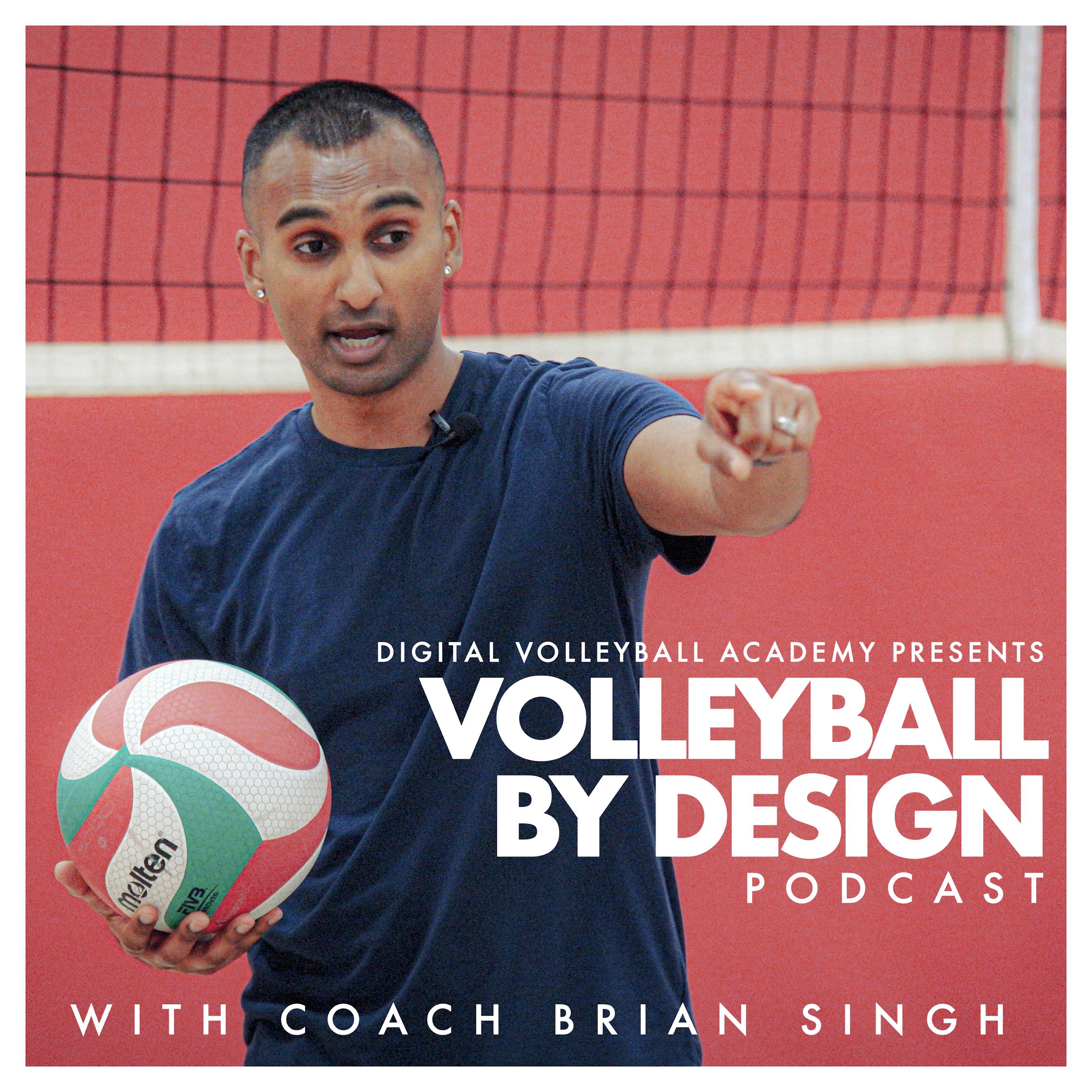
sportsvolleyball
The Mental Game: Building Confident, Resilient Volleyball Players With Paige Tonz
About this Episode
In this episode, we go back into the vault with Mindset Coach Paige Tonz, who works specifically with female athletes helping them improve their mindset, confidence and so much more. In this episode we discuss:
- How to prepare mentally for serve receive
- How to bounce back after committing an error
- How to not dwell on the mistake you just made
- How to deal with a player with low confidence
- How to get players to believe in themselves
- How to prepare mentally for a game and practice
- How to maintain a positive mindset when things aren't going well in a game
If you're interested in getting in touch with Paige, you can find her on Instagram @PaigeTonz
Click here to join Digital Volleyball Academy - www.digitalvolleyballacademy.com
Click here to join my workshop - www.volleyballworkshop.com
Reach out via Instagram @BrianSingh_CoachB
Hosts & Guests
Transcript
You're listening to The Volleyball by Design Podcast.
Today, we're going to dive into the mental skill aside of our game.
And this is a topic that is becoming more and more prevalent as we dive more into volleyball.
I think maybe eight years ago or so, mental skill has started really becoming a forefront
of volleyball and just sports in general.
And now we're finding people are going to school, they're getting certified, they're becoming
mental skills coaches.
There's a lot more research done in this area, but for us as coaches, it's something
that we have to implement in our programming if we don't we're leaving a lot on the table.
So in this episode, we're going back into the vault of interview I did back in 2021.
So we're talking five years ago, and I did it with a mental skills coach, Paige Tons,
who's fantastic.
I've been working with her for years, by the way, and she does a great job at just, we're
going to dive into so many great concepts, like we're going to dive into how to prepare
mentally for serve receive, how to bounce back after committing an error, how do we train
our athletes to not dwell on the mistake they just made, how do we deal with low confidence
for players, how do we get players to believe in themselves, how do we mentally prepare
for a game in a practice, how do we maintain a positive mindset when things aren't going
well in the game, literally all the things that us as coaches think about when it comes
to mental skills, like specifically for volleyball, I make sure we dive into all these questions,
and it's a great episode.
Definitely want to let want to take some notes from this episode, and it's something
that again, like I said, mental skills is one of those things that as as coaches need
to really put into our programming, because if we don't we're leaving a lot on the table.
So enjoy this episode, take some notes.
If you have any questions, you could always feel free to reach out to myself or Paige
as well.
And yeah, enjoy.
Hi, I'm coach Brian Singh, and after a number of years, coaching competitive volleyball
and as the head coach of the biggest college in Canada, I've become obsessed with helping
coaches improve their knowledge and skills of the game by teaching them how to coach efficiently
and effectively to ultimately reach their volleyball goals.
I created the volleyball by design podcast to give you simple, actionable, step-by-step
strategies so you can get clarity and apply what you learned right away.
This is the volleyball by design podcast.
What's up ladies and gentlemen, welcome to episode 293 of the volleyball by design podcast.
How was everyone doing out there today?
Another week of volleyball in the books, what's going on to my new listeners?
My name is coach Brian Singh, and I'm the host of the podcast and to my regular listeners,
as always.
Thank you so much for tuning into another episode where the goal just like every week is
to deliver tangible step-by-step strategies that can get you results in your gym right
away, and I'm hoping that I can do it today as well.
You've already heard in the intro, we're going to listen to an episode with Page Tons,
Mental Skills Coach, amazing, amazing episode.
But before we do that, I just wanted to do some housekeeping things.
This past weekend, we had the luxury of watching some amazing volleyball in Canada, so Canada
had the U-Sports as well as CCAA national championships.
For my friends around the world, this is the best volleyball in the country at the collegiate
level for both college and university.
We had both championships, so it's different in the U.S., where the men's and the women's
are at different times, and Canada, the men's and the women's are at the same time.
Therefore, we had four national champions.
We had two for the CCAA and two for the U-Sports.
U-Sports is equivalent to your division one in the U-S, and CCAA is equivalent to your
NAIA lower divisions.
Mind you, they're still great volleyball, still really, really good volleyball.
First of all, on the CCAA side, I want to congratulate Red Deer on winning the national
championship out on their side.
Great run, they dominated pretty much the entire national championship tournament, so that
was incredible.
I watched some of those matches and talked about, yeah, so their coaching staff should
be extremely proud, great job for those players.
On the women's side, this apparently is a little bit of a record here, or rather a dynasty.
For the fourth time, fourth consecutive year, Lakeland College Russellers, congratulations
to you guys for another national championship.
Well, the fourth in a row, which is unbelievable, so congratulations on that part.
Then on the U-Sports side, so this is our Canadian division one side, we'll start off
with the women's this time, women's national championship, so congratulations to Sherbrook.
Oh, no, not Sherbrook, I'm sorry, congratulations to Alberta, I apologize, Alberta sweeps Sherbrook
for the first national title since 2007.
So congratulations for Alberta, really, really great job, and well, I do want to mention
the bronze medal just really quickly because historically, Brock University, this was a huge
historic bronze medal in a five-set win over Trinity Western, so congratulations to Brock.
On the men's side, really exciting fifth set win here, congratulations to Trinity Western
as they beat UBC to capture their eighth, well, to capture the eighth national championship
trophy, and unbelievable volleyball guys, just just be honest, unbelievable volleyball
in Canada.
If you are listening out there and you would like to watch any of these games, highly recommend
them.
They're on YouTube, you can go on YouTube and just search them up and you'll be able to
watch those games.
Okay, so last thing I want to mention before we get into our episode, I'm going to try
to get some of these coaches on here to talk volleyball, because I know every year I try
to do it, and I know coaches love hearing how coaches got to the championship run.
So we'll definitely try to get them on.
And then the one thing I want to mention too is lately, I got to tell you in the last,
I'd say the last couple of months, we've been really inside my mentorship academy, DVA,
we've been really pushing a lot more like community and just, you know, I jumping on coaching
calls and diving in and engaging in conversations, and one of the best pieces of advice I got
from a coach was if you, like, you're a result of your environment, and it's so true
in so many aspects of your life.
And he said was he's like, if you go at coaching volleyball alone, what's going to happen
is you're going to, you're going to plateau.
You're going to hit a point where you're not going to grow as, and you won't even know
where you need to, like what you need to do to grow.
And he's like, you always need to be around like minded individuals.
You always need to be around a group of people who are in the same boat or going along
the same journey as you are, because that's truly how you're going to, you're going
to see results.
And the one thing he said to me though, stuck out was, and you've probably heard me say
this on the pod was sometimes you could be in a conversation with a coach or you could
be on a coaching call or you're at a clinic or something, and a coach says something,
or something, or something comes up in conversation and it sparks an idea.
It sparks that one thing, and all of a sudden, it changes the trajectory of your future
or it changes the trajectory of your program.
And you never know where that one idea will come from.
It can come from another coach, it can come from a question, it can come from anything.
But if you're not around to hear those conversations, you're losing out.
So how can we as coaches create that?
How can we as coaches put ourselves in those positions?
And that's true for any profession by the way, right?
And that's where, you know, that's one of the things where I'm super proud of my mentorship
academy, DVA that I've been running for the last six years is because we're able to
have these conversations on a bi-weekly basis.
And I love it.
I love it for our coaches, and I love that I'm able to provide that.
And that's something that I didn't realize six years ago when I started DVA.
When I started DVA six years ago, I was thinking more, you know what, I'm very lucky
where I have a wealth of knowledge in the game and I want to give back and I want to
share it with coaches.
And that's where DVA started, started as a platform where I'm going to train coaches
on how to be, you know, high level and how to bring championship programs into their
gyms.
And don't get me wrong, DVA still does that.
But I think what is really special about it now and what it's evolved into is an amazing
community where we can have these conversations, where we can jump on Zoom and coaching calls
and engage and not only live training in Q and A, but just do hot seats, have questions,
have coaches put questions out there, and if you need coaches don't have questions,
they just come and listen.
And I can't tell you how many times coaches leave a call with new ideas, with new excitement
to try something in their gym.
And that's what I love doing.
So that's part of the reason why I don't know if you guys know this, but I have DVA open
24-7 now because I want everyone until I hit capacity.
This is, I mean, I don't know how long this will be, but until I hit a capacity where
I can't have it open anymore 24-7, then I'll close it.
But right now, the Academy's open, I really encourage coaches to join because you've got
to see the results that I'm seeing other coaches get.
And I'm seeing, so what an amazing place where coaches feel safe to come and get feedback,
listen to conversations, and just grow.
And the more you're around the conversation, the better you're going to be and the faster
you're going to grow.
And that is just proof in the putting and I've seen it in us and I've seen it in other
areas as well.
So I really encourage you coaches to join this community if you're going to be a coach
long-term or you just want a place where you can go and get some guidance and feedback
and training as well, join digital volleyball academy digital volleyball academy.com.
And the only reason I bring this up now is because I'm seeing it more and more and how important
it is.
And yeah, I highly encourage you guys to really be part of a community and I hope it's
mine for that matter.
Okay, that's enough about DVA, digital volleyball academy, really join and sign up.
I can't wait to see you guys in there.
And let's dive into today's episode with Page Tons.
This was a super long intro.
I apologize.
But really good one.
Get ready to take some notes and let's dive into it.
All right.
Enjoy.
Cool.
So as you know, my name's Page.
I have, I feel like I have a lot of different titles, mindset, girl, athlete, mindset, mentor,
confidence, coach, you know, life coach for team and pre-teen girls.
I just happen to be athletes all the above, but I'm just really passionate about the mental
side of the game, whether you're a softball, volleyball, I mean, it can range from all
different sports, but I was, my primary sport was softball.
So I played a lot of softball growing up.
And that's what I played in college at Northwestern University, but I also played some volleyball.
Well, not some.
I actually played quite a bit.
I played all through high school, played varsity, volleyball in high school as well.
And volleyball was always like a really fun outlet for me because there wasn't as much
pressure.
And I wasn't trying to get a scholarship and go to college for volleyball.
So volleyball was always really fun for me, which maybe a lot of, maybe some volleyball
listeners can feel that way about a secondary sports that they play.
But I just really struggled with the mental side of the game.
And if you would have asked me when I was going through it growing up and, you know, through
my middle school, high school college years, I probably wouldn't have said, like, oh,
I'm not confident or, you know, I'm struggling with this, but it really was clear to me that
I was towards the more the end of my career.
And was like, wow, that, and once I started learning more about the mental game and actually
thinking differently about myself and the way I played and the game and just having
different thoughts about that, all of a sudden I was playing a lot better.
And I was like, wow, if I would have just done that a little bit earlier, that would
have been nice.
I probably could have been a lot better and I don't just don't think we realized how important
and how powerful and how much weight that has on us as athletes.
So my goal is to help more athletes learn and work on their mental game way earlier
than I felt like I figured it out.
So that's kind of how I got to where I'm and today working with female athletes.
I have boys come to me all the time or like parents that want to help with their sons
and I'm like, totally get it.
But I'm like, I have my go to person to send the boys to a guy that does very similar
work that I do.
Great.
Yeah, that's solid.
So let's talk about, um, so our sport.
When I think of, you know, the mental side of our sport, the first thing that comes
to mind is like when when do athletes mentally break down or, you know, those mental blocks
and that starts with serve receive.
So all the time in our sport, you see athletes get us get a ball served to them.
They may shank it.
You know, they may get a serving a serve received air and then all of a sudden it's like,
whoa, like all the pressure is on them.
It's really tough to get back out of that.
And then the server will notice that and then just keep serving at them and then they
get served off the court.
And the sub, then the math gets subbed out and you know, all these crazy things.
So what, what can't you tell coaches out there or athletes for that matter?
Um, you know, how do we prepare mentally for serve receive?
Yeah.
It's funny when before we even hopped on live, you had mentioned this was like the main
thing for volleyball.
And I was like, oh, like that was totally me as a volleyball player because defense was
definitely not my thing.
And I just remember like, it was like all these like memories were coming back from
my high school and like, I'd miss a serve or they've missed a serve received and they
just like, pick on me and pick on me and then I was like crumbling.
So I definitely can relate to that piece, maybe not as high level as some of your listeners.
But, um, yeah.
So I think that, you know, some of the tools that I think could be really helpful are some
things to do in those, um, pressure situations because that, you know, I can compare it to like
and at bat or softball is like all the pressure is on you.
Like it, even though it's a team sport, you're the one that's having to perform in that
moment.
And, um, something that's been really helpful for the girls that I work with is a little,
I call it a pre-performance routine.
So, um, for volleyball specifically, we talk about before serves and before serve receive
because, um, those are those like two main things where you actually have a little bit
of a break in between.
I feel like the rest of it is just like, you know, go, go, go, volleyball is much faster
paste.
Um, but having that pre-performance routine can include anything like taking a deep breath.
It sounds really easy and simple, but it's supposed to and, um, I went through my
girls like, you already know how to breathe.
It just, you forget to be a little bit intentional about it.
So taking a deep breath before that serve receive, allowing your like body and mind
to just relax because if you're all tense, it's hard to move and react.
And when you're relaxed, it's much easier to make those adjustments, um, visualize.
So just quickly visualizing yourself, uh, making that past here a setter or exactly where
you want it to go.
Um, there's like little glimpses of visualizations, um, because oftentimes if, you know, it is
a shank.
Now we're covering and we're going, you know, we're getting ready for another serve
receive.
Some, a lot of times we'll think about, we'll visualize what went wrong and not on purpose,
but you're thinking and like, replaying, oh my gosh, I can't believe I did that or you're
like already being yourself up over it and you're just like thinking about it and then
the next vlog comes and you do it again, right?
So visualizing what you want to happen rather than what you don't want to happen.
And that's just like a little tiny shift there.
Um, sorry, do you, do you do that after you've made the serve receiver or can you do that
before the service even made, uh, of course, attempts?
Yeah, both.
So visualizing before the first serve comes over to you at the first serve receive or it
could be like a failure recovery is visualizing what you want to happen and like telling yourself
the adjustment that you want to happen rather than what you don't want to happen.
Because I think a lot of times it's that it's where always like, um, I don't know, what
it's like a, what's like a go to adjustment that you give someone that maybe just shanked
a serve or receive, uh, like if it's a spin serve, move back, if it's a float serve, move
up.
Yeah.
So a lot of times in our mind, we'll be like, we'll tell ourselves what we did wrong,
which is good, right?
Because it's like making that adjustment.
But what you just shared is like move back or move up that that's something that is
like a positive adjustment or, um, stay low or stay loose or, I don't know,
that's just little things that are what we want to happen rather than what we don't want
to happen.
So breathing visualization, some a little bit of self-talk and adjustments that are, um,
what you want to happen rather than what you don't want to happen.
Um, I think those are, those would be like the main simple things that you can start
including in that little routine.
And then of course, like, you can throw in those little things that you do before every
serve received.
Like, I know, I don't know, maybe I don't know if they still do this or maybe the courts
are a lot nicer, but I just remember in high school, like the courts seem dusty all the
time for some reason.
So you're like wiping your socks and stuff.
Like that could be part of your routine or that you, you know, communicate with so and
so on your team.
So you can have like a little pre-performance routine, um, that way it feels good.
It feels comfortable.
Um, it's something that you can control rather all, all the elements and volleyball that
you can't control, um, because as athletes, we like that control and we, that's just one
thing that you can control.
So using that routine, right, which that's, that makes a lot of sense.
So just to recap, so breathing, breathing is an easy thing that everyone knows how to
breathe like you said.
So that's, that's a simple fix.
And when you, when you make that or when you're about to serve receive or you, you've made
a mistake, don't dwell on the mistake but visualize what to do next or what the next,
what you want to happen and then whatever kind of routine, uh, before a servicie that
you would, you know, typically do.
So that this kind of leads me into my next question, then, um, and you may have already
answered it, but if you can add on to it, let me know what, you know, if an athlete makes
an error.
And so we just, we talked about servicie, but what happens, you know, how do, how do athletes
bounce back after making an error?
What do they focus on?
Mentally, how do we approach that situation?
Mm-hmm.
I think it goes back to that, you know, like, I, I can attest to this because I was like
so hard on myself after I made mistakes and I was like, so frustrated, like, because
we have those high expectations of ourselves, we want to be perfect, but of course, like
any sport, there's going to be failure and I think just understanding and knowing and
acknowledging that failure is part of the game and it's just, that's, that's it.
Like it's a piece of the game and if you can start to shift your mindset to, okay, it's
going to happen.
What do I do when it happens?
It can be really helpful.
So just that awareness factor in general, that's like the first thing that a lot of the
girls that I work with start to notice, like, oh, yep, I'm like going down like negative
road over here and beating myself up and it's just that, that in that instant, choosing
something, choosing thoughts or choosing, like, to visualize something that's going to
serve them.
I don't know, like pun intended with the serve, but something that's going to help them.
And whether that's like changing the negative adjustment to a positive adjustment, something
that they want to happen or one thing that I actually heard from a, a really successful
collusion softball coach, Sue Anquest from UCLA, she, I heard her on a podcast recently,
she was talking about how she basically like made her, her players after a mistake.
They would, first of all, like, acknowledge it and like take responsibility for it, like,
hey, like my bad.
And then they would communicate how many outs there were.
So like, in volleyball, maybe it's just communicating like where they are on the court or what
the plan moving forward is or just something to communicate on the court with your teammates.
It could be something really simple.
And then getting back into what they're doing.
So it was like this little routine.
So it's kind of like an overlying concept here of routines, like just having those little
routines and those things that you do when you experience failure because when you have
a plan for failure, then you know what to do.
And you're not dwelling in all the like frustration and like just beating yourself up and making
yourself worse and being your own worse than me.
Yeah, I know I like that.
And just to think like how many players actually have a plan for failure?
Like if it's inevitable, you are not going to go a season without making one serve
receiver.
It's inevitable.
So do you have a plan in place when that happens?
And how do we bounce back?
That's actually a really good idea because I can tell you, I don't even think my players
have a plan when they they commit an error.
So that's something that I'll be adding to my arsenal.
So that's good.
Yeah.
Having a plan in place for when that happens so that you're not kind of flabbergasted
or all over the place.
I like that.
Something I do that can be even more proactive than when you're in the midst of failure is like
I was working with a girl yesterday and she has a tournament coming up.
And I one of the like I would do a lot of journaling questions.
I had her just think about when I when I get down on myself or when I mess up or when
I fail, like what am I going to do or how am I going to respond?
And just thinking through that because I don't think we like we never really think about
that just naturally.
So just to actually like write it down, think about it, see what that looks like, how
they're going to come back, how they're going to respond or how they're going to give
themselves a little bit of grace in that moment can be really helpful for preparation before
the game even begins.
Journalizing.
Yeah.
Journalizing is huge.
I know a lot of coaches that swear by journaling.
I haven't I haven't done it in a while actually with my college team, but I used to do a lot
of journaling.
Maybe I should go back to that because yeah, you've seen some positive like results from
journalizing.
Yeah.
Yeah, for sure.
Yeah.
I know I like that.
So I like the, you know, if you make a mistake, you know, preparing, you know, mentally
for certain skills and stuff like that, let's go to, how do you, how do you deal with the
player that already has low confidence, you know, it's just, there's always those type
of players on your team that, you know, you're not going to have everyone being great confident
players.
So how do we address and how do we work with the players with low confidence, what can
you do to help them?
Yeah, that's really, that's a really great question and topic and something that I've been
thinking about a lot as I've listened to other successful coaches, mostly coaches sharing
their experiences is this concept of like, I feel like the best coaches are able have
this like gift, I guess, or maybe it's a skill, maybe it should be a skill, so we can
learn this, like skill, this gift of instilling belief in their players.
And I think that goes to just really knowing their players and like on a personal level
rather than just like as an athlete level and like they actually care about their players,
which I'm sure so many coaches do, but it's just something that I keep coming across
the really successful coaches, like we keep hearing these athletes sharing that, well yeah,
like I know that my coach, she trusts me or he believes in me and I, you know, I am
doing a lot of work helping the girls create confidence for themselves and a lot of that
is to like, you know, who are they as a person, not just, you know, the results as an athlete
or the outcomes that happen out on the core or the field or wherever they are.
So there's a lot of that that is helpful to start instilling confidence, but I think
that that, especially since we're talking like how can a coach or even a teammate, you
know, having those coaches are teammates that believe you in you and being surrounded
by those kinds of people can like, I can make a really big shift in change for that athlete.
Sometimes it's out of their control, that's why I'm working with the girls specifically,
and I think if coaches and teammates can do more of that and also just like that relatability
and being like, hey, like I know, like today sucks, but like here's what we're going to
focus on.
Like I'm here for you.
Let's work through this.
I think that goes such a long way for the athlete.
Yeah, I 100% agree and I can attest to this because like I always, one thing I tell my
coaches all the time is we're in the business of building relationships and creating relationships
that's just that's just what it is.
And the better relationship you have with your players, the easier it's going to be for
them to not have that confident, not have that low confidence because they're not afraid
to like make a mistake.
They're not afraid to do this.
I'm not going to take away from this interview, but basically we had a player years ago who
we went into a tournament in Ottawa, Ottawa is the capital city of Canada, and we played
we had two games that weekend and the first game he was just shanking every ball left
right inside.
He was so scared looking over at the bench, he wasn't having fun.
So we had a one-on-one with him that night and long story short after we got out, we basically
asked him like, why do you play this game and he was like, well, why wouldn't you have
fun today?
Because I was playing like crap and I was, you know, that all that pressure and we said,
okay, tomorrow, which was our next game, go out there and I don't care if you shank
every single ball.
I want you to have fun.
I don't care.
If you look over me, you can shank every single ball, you will not get pulled, you're
not going to get subbed out, you're going to be fine, you're going to play.
Went over there and he shanked the first ball, looked at me, I was like, continue, like
yeah.
And he passed his best game of the season because that pressure was just all like, when
you have the confidence of your coaching staff to go out there and I'm telling him to
have fun and play the game, it was, it was nine day.
And that situation could have easily turned like the other direction if I was yelling
at him and I was like, come on, do this yesterday, subbed him out, did it, did it, which,
unfortunately, I'm not picking on any coaches out there, but I see it a lot where I think
you've been making a ton of mistakes and you're like, what are you doing, like get out
and you're subbed out or whatever, or you just yell at them and, you know, and I always
tell my coaches, no athlete is trying to play bad.
They're not purposely trying to play bad.
So if that's the case, that's another conversation, but they're not doing that.
So, you know, the yelling and the, and the, the embarrassments, I was not going to help,
but yeah.
Anyways, I, I 100% can relate to that because it's so true.
Yeah, totally.
And I'm just like, my poor dad, he gets thrown under the bus a lot with me.
I love him way beyond that.
But like, I'll never, like, and it's kind of like this ongoing joke as athletes.
Like you get in the car with your parent after whatever.
And they're like, like, why would you do that?
Or like, why would you swing at that pitch over your head?
And you're like, yeah, it's definitely trying to do that.
Thanks to that, I really appreciate that.
Yeah, yeah, yeah, that's so true.
And it's just innate, like we just, yeah, that's our natural instinct to just, you know,
like, what's wrong with you?
Come on.
Yeah.
So yeah, I love that.
All right.
So how do you, so here, how do you maintain, this is another one that we dealt with?
How do you maintain a positive mindset, you know, in the game, when things aren't going
well, yeah, throughout the whole game, when things aren't going well, how do you maintain
that positive mindset?
Yeah, that's a really, really good one.
And because sometimes it is extremely frustrating and you're like, I, like I put in all this
work and I just want my performance to match what I'm trying to do.
And that can be a really, really just overall, incredibly frustrating time.
And it's really hard to be positive.
So my, my suggestion, my advice for girls that are struggling or just athletes that
are struggling to be positive in those difficult moments as well.
And throughout their performances is it takes practice.
Just like your physical skills and the work that you do on the court or on the field
or wherever you're competing, it takes practice to like work on positive self-talk and affirmations.
And even that, like the visualization, the breathing, all those things take practice
before, you know, they're consistent.
And like the same with your, like your practices to games and competing physically.
So either as times like we'll be working on affirmations and I'll, you know, be like,
okay, like who, do you, does anyone like kind of like writing them down, like I just don't
really believe this positive self-talk that I'm telling myself?
And a lot of them are like, yeah, I don't know, I just like, I don't totally believe
it.
I'm like, that's okay.
Like that's totally normal.
But the more that you practice it, the more that you write it down, the more that you
tell yourself those things.
It's going to start shifting your thinking because a lot of us have these limiting beliefs
or these old beliefs or these old stories about ourselves as athletes, how we show up,
how we perform.
And we have to, we have to basically like create this new path and create this new belief
and create our own stories for ourselves, the ones that are going to actually, you know,
help us and help us perform and play at a higher level.
So I would say it's, I mean, this is like not the very like fun answer, but it's just
takes consistency in that practice before being in those hard moments and working through
it.
Yeah, I know.
100%.
Yeah.
You got to practice.
There's no, there's, yeah.
I like that.
So we kind of talked about like dealing with low confidence, right?
Like so, you know, it's, it's going to take it, whereas the coaches, we got to get
to know our players, but also how, so getting to know your players is one thing to help them
with their confidence, right?
But are there specific strategies that we can use to get players to believe in themselves?
Mm.
Good question.
Yeah.
And so something that I talk about with the athletes a lot is communication with their
coaches because I know for a fact, even in college, I was nervous to have, you know,
to have those conversations, ask for help, those tough conversations with my coach.
It was always like, I mean, nobody likes to have like a, like an intense conversation
or something that they're, they're asking for and they're not really sure how their,
that other person is going to respond.
It's like not conflict, but we don't really, like it's against our nature to want to have
those conversations.
So something I work on with the girls is having those hard conversations and having that
good communication with your coaches, and when you understand and know and have that
communication with your coaches, which obviously can go the other way, because like my college
coach, and she would always, we would have these one-on-one meetings kind of like you're
saying that at the night of your one player was struggling that day.
And I would always like be so worried and nervous about what was going to happen in those
conversations.
And whether I had cried in that conversation or worked through tough stuff or just talked
about it, I always felt so much lighter after and I felt like I was heard and understood.
And I think that that's like the biggest thing is to make sure and, you know, make sure
that your, your players and your athletes are being heard and understood, because that's
really what anyone really wants is to, to be understood and have a clear, you know,
communication line of like what's expected or, you know, that it's okay not to be great
all the time or it's okay to have problems, it's okay to be struggling with certain things,
but just knowing that you have that person and those people that are going to support
you no matter what.
Right.
So one-on-ones, one-on-ones are super important.
Yeah, I believe with them too.
Like I think one-on-ones are an absolute must and not even just with myself and the players,
but with the entire coaching staff and the players so they know that everybody kind of has
to shut this back.
Okay, we're going to wrap up here, just a couple more.
So the last thing that I want to ask you in terms of the mental toughness side is, how
do you prepare mentally for a game or a practice?
Like what are some things athletes can do to prepare for those games and practices?
Yeah.
So I, I really like doing some journaling and doing, I call it like kind of just like randomly
coined with a stern, but like some mindset prep questions.
And they're just a couple of different questions to go through to just kind of check in with
yourself and it's, you know, how, some of these questions are like, how do I feel right
now?
And then how do I want to feel in this tournament or in this game or whatever it is coming
up?
Or maybe I have a lot of girls that go to camps, like how do I want to feel in this camp?
And then what do I want to give myself permission to do or to, what do I want to give myself
permission for?
And then another one is the preparing for failure type thing.
So if I get down on myself, what do I want to remind myself of?
And then I'm drawing a blank of the other one, but just some simple questions.
And for that, how they want to feel in the game is like, okay, how do I make that happen?
So how do I, how do I, if they're say, you know, I want to feel confident, I want to
feel energized, excited, whatever it might be?
It's like, okay, how do I get there?
How do I, if I'm feeling nervous or air or whatever, in the moment, how do I get myself
to where, how I want to feel in that game?
And that goes back to like those kind of like fundamental tools is taking some time to
just breathe and slow down or visualizing what you want to happen in that game or writing
down some more affirmations or some positive self talk about yourself.
Or maybe it's like having a little dance party with your teammates.
I don't know, like whatever, like, makes you, whatever you need to get to feel like
where you want to be is something that you can, like, it's, I mean, it's kind of like
a pregame routine, really, again, just love routines, apparently.
Right.
Right.
No, that's solid.
So just to recap, we've talked about, we've dived and talked about a lot today.
But basically some of the major takeaways from what I got was, you know, breathing is
huge, okay, breathing is significant, you know, you should be practicing it, you should
be doing it.
I know, I know in a lot of gyms, I, we practice, we do breathing before we even step on
the court as a team.
Yeah.
Visualization is huge.
You know, when you make a mistake, don't focus on the mistake, but focus on what you
want next.
Yeah.
And then routines, right?
Like you said, routine before service, routine plan for failure, plan for what is your
next step after something happens, journalizing is a big takeaway from you too, journalizing,
journaling or not journalizing, but journaling, journaling is, is such a great skill and it's
a great thing to do as a team, so you can do it as a team and get those things out.
Relationship with your players, big, big must out, that definitely helps with the mental
game, your players knowing that the coaches have their back, they have that relationship
with them, they can go to them with anything and more importantly, that you can let the
players know that you're there to support them and you care about them and stuff like
that.
That's huge.
That relationship is for sure.
And you do have to practice this, you have to practice to maintain a positive mindset.
So that's, that's really good.
And then to finish off with your mindset, prep questions for coaches out there, these
are some questions you got to talk to your players about, but you know, how do they feel
right now?
How do they want to feel for this game, right?
What permission are they going to give themselves, you know, what do you have to, what
do you give yourself permission to do?
And then if you get down yourself, what do you do, which is kind of like, you know, planning
to remember that last one, what do you want to let go of?
So what do I want to let go of going in next game, that was the other one.
Oh, nice.
I was like, yeah, though, this is all great stuff.
This is like, like coaches, if you, if you're driving, you're going to have to come back
and relisten to this and take some notes because these are great, great tools you can
use with your players throughout the entire season.
All right.
So page, I got a couple more for you, these are kind of quick fire things.
If you could go back in time, what would you tell your, your younger self?
Mmm.
So good.
So many things, but we'll keep one, one thing is just don't, don't take things so seriously
and having fun because that is the whole purpose of living and playing and competing
and as an athlete at standpoint, yep, 100 percent.
If you had one thing, one thing that you would want coaches to leave this with, what would
it be?
They were to take just one thing away from this whole interview, how would it be to really
work on, you know, how to create, how to create that belief in your athletes.
So I don't think I'm just explaining that right, like allowing them so that they know
that you believe in them.
So what does that look like and how, like, what are some like, you know, action, it's
kind of goals that you can do to start working on that a little bit more, just going like
a little bit extra on them.
Oh, I like that.
Sit back and ask yourself, what can you do to make your players feel comfortable?
What can you do to make your players know that you believe in them and that that relationship
is there?
No, I love that.
And my last one for you, dead or alive, one person that you would have dinner dinner
with and why?
Oh, gosh.
These are good ones.
Well, man, this is going to sound so funny, but I totally love to have dinner with Taylor
Swift.
Okay.
And why?
I'm just a really successful person, but I also know that she's gone through like lots
of struggles and the mental health space and, I don't know, I think it would be kind
of cool.
Yeah.
No, that's a great answer.
Yeah.
Nothing wrong with that.
All right.
Well, Paige, thank you so much for coming on the pod sharing your knowledge and there's a
lot of tangible things, which I'm a big tangible guy.
I want our listeners to be able to write things down and take tangible things away for
them that they can apply right away and see results and help their players and we can
also ultimately create better players.
So that I appreciate.
That's great.
Last any last minute words?
I think that's it.
I mean, shoot.
I talk about this stuff for hours and hours, but I love like the tangible things that we
were able to create for these coaches, I hope, or for anyone listening.
Right.
And if coaches want to get a hold of you, how can they work with you or get a hold of
you?
Yeah.
For sure.
So I'm working on a lot of fun things and actually one of those is I will soon be coming
out with that kind of like that mindset crap, like game ready confidence.
So those questions and those journaling problems and things that they can grab, but I do have
some other like free downloads and things that they can use on my website, but my website
is probably the best place to land if you're trying to grab some different things.
And I like to have fun on Instagram too, so that's probably a good place to.
So page johns.com or just on Instagram at page johns.
All right.
Perfect.
And we'll make sure that we link it in the show notes on all the links.
So listeners, you can just find those links in the show notes and you'll be able to talk
to page hope maybe you can talk your about coming out and talking to your teams or figuring
out how that works and all that stuff.
So that's great.
Well, Paige, thank you again.
It was great.
I loved it.
A lot of great stuff.
And for our listeners, I hope you got some value at today's episode and we will see you
next week on another episode of the volleyball by design podcast.
Take care.
All right.
Queue the music.
Look, are you at the stage you want to be in your volleyball journey?
How would it feel to get clarity on your training?
And instead of taking months to get better, you could improve in weeks if not days.
When I was a young coach and player, I felt this way all the time.
The truth is, after I got some great advice on how to be efficient, my learning curve grew
exponentially.
Let me show you how to be more efficient and effective in this game.
I invite you to check out coachbetraining.com for more resources that you can use to take
your game to the next level.
I look forward to helping you reach your volleyball goals.
More from The Volleyball By Design Podcast
View all episodes →
Why Your Players Can't Pass To Target (It's Not What You Think)
The Volleyball By Design Podcast
Apr 27, 2026·22:50·failed
How To Use Multi-Skill Drills To Maximize Player Development
The Volleyball By Design Podcast
Apr 20, 2026·26:47·failed
They Lost Last Year… Then Won a National Championship with Carolyn O'Dwyer
The Volleyball By Design Podcast