About this episode
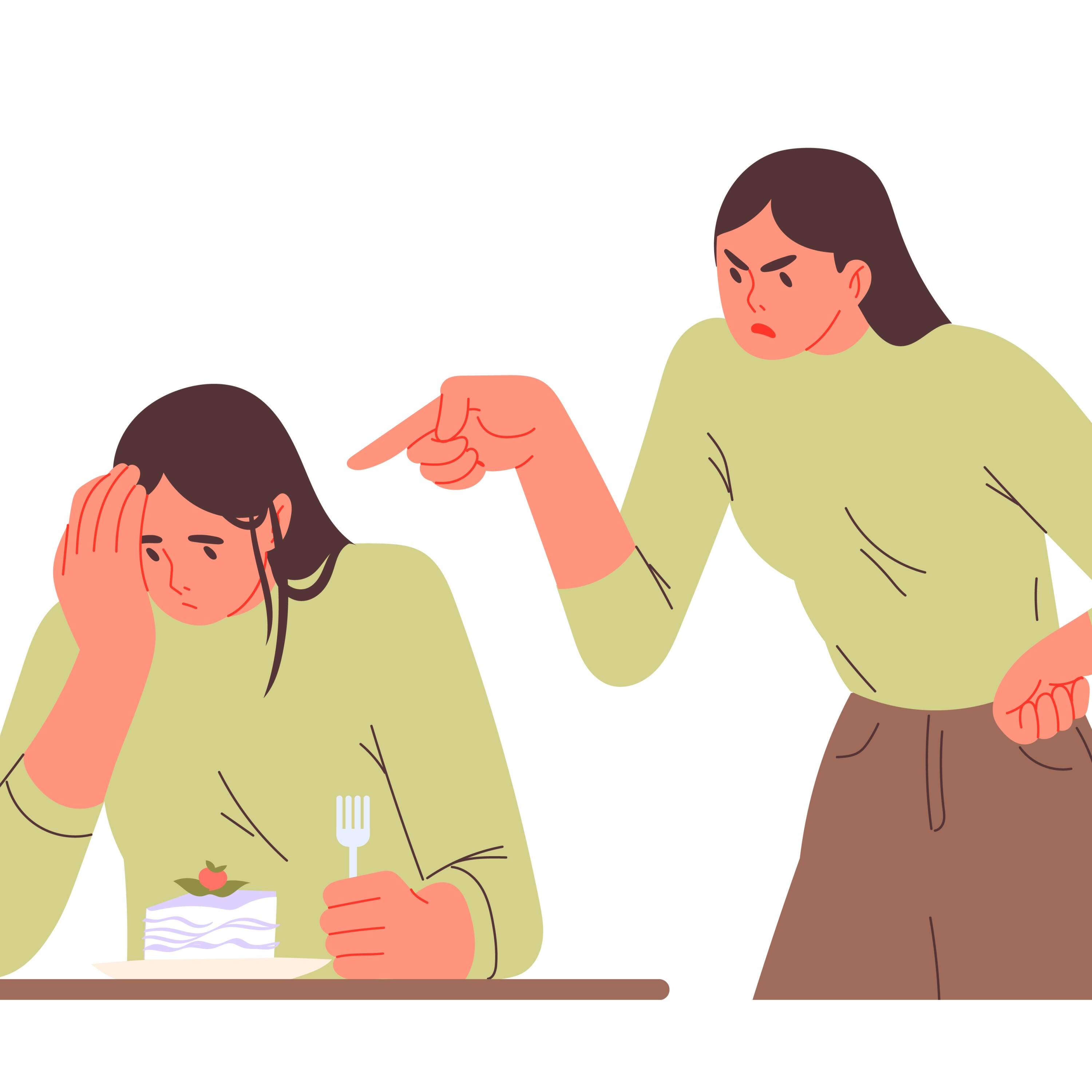
It’s likely you have at least one “guilty pleasure.” Maybe it’s romance novels. Or reality TV… Playing video games… or getting swept into obscure corners of TikTok. Neuroscientists say the pleasure response helps us survive as a species. So why do we feel embarrassed by some of the things we love the most? Even if you don't have these negative emotions, experiencing – and studying – pleasure is not as straightforward as it might seem. For a long time, neuroscientists thought the concept of "pleasure" referred to a singular system in the brain. But as research into the subject grew, scientists realized that pleasure is really a cycle of "wanting" and "liking" – each with separate neural mechanisms. Today on the show, producer Rachel Carlson explores this cycle with researchers, who weigh in on the science of pleasure. Even the kind that makes us feel guilty.
Read more of Rachel’s story on guilty pleasures.
Interested in more brain science? Email us your question at [email protected].
Listen to every episode of Short Wave sponsor-free and support our work at NPR by signing up for Short Wave+ at plus.npr.org/shortwave.
See pcm.adswizz.com for information about our collection and use of personal data for sponsorship and to manage your podcast sponsorship preferences.
NPR Privacy Policy
Read more of Rachel’s story on guilty pleasures.
Interested in more brain science? Email us your question at [email protected].
Listen to every episode of Short Wave sponsor-free and support our work at NPR by signing up for Short Wave+ at plus.npr.org/shortwave.
See pcm.adswizz.com for information about our collection and use of personal data for sponsorship and to manage your podcast sponsorship preferences.
NPR Privacy Policy
Get every episode summarized
Each time Short Wave publishes, we email you a written briefing from the transcript — the topics, who appeared, and any specific claims, with the ad reads skipped.
Email me new episodesFree for 3 shows. No card needed.
Hosts & guests

No transcript yet
This episode has not been transcribed. Request it and it moves to the front of the queue.
More episodes
More from Short Wave

A new investigation shows heat is even deadlier than we thought
Short Wave
Sep 4, 202614:45completed

The science of emotional regulation — and how to do it better
Short Wave
Sep 2, 202612:29pending

What can seashells teach us about the health of our oceans?
Short Wave
Sep 1, 202613:10pending

Football is here – and so is a new study on CTE
Short Wave
Aug 31, 202615:01pending