Topic: From Idea to Paycheck: The Brutal Truth About Patenting & Licensing Your Inventions
About this episode
Ever wonder why some great ideas never hit the store shelves while others become household names? In this episode of Invent America TV, Rita Crompton and Michael King pull back the curtain on the "messy middle" of inventing.
We’re diving deep into the real-world challenges solo inventors face, including:
The "Sandman" Solution: How one inventor turned 30 years of auto-mechanic aches into a revolutionary sleep system.
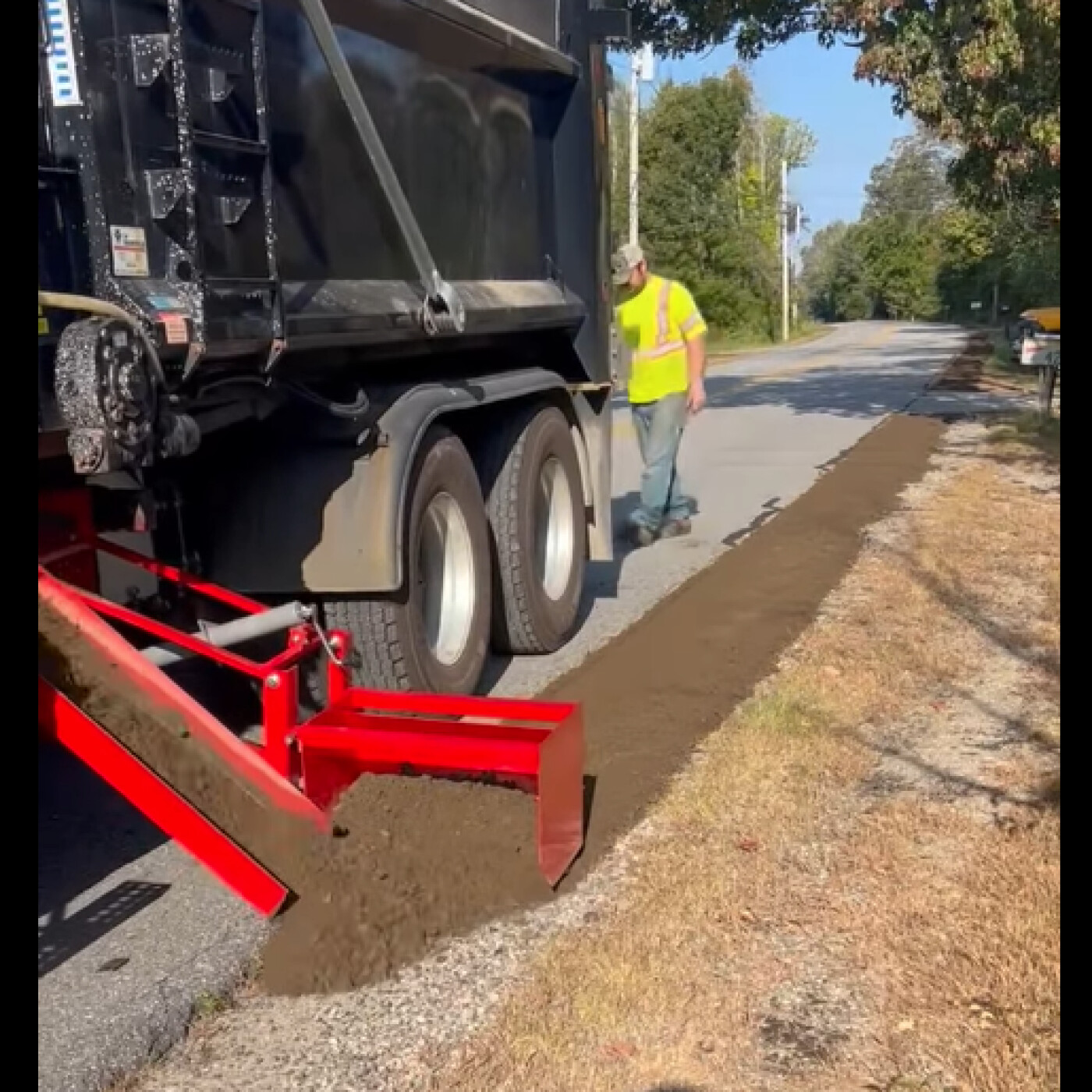
The Gilly Grader: A masterclass in solving massive industrial problems with simple, cost-effective design.
The IP Minefield: Why your patent expiration date is the most important number in your business.
Licensing vs. Manufacturing: How to decide if you should build it yourself or let a giant corporation take the reins.
If you’re a solo inventor working out of your garage or home office, this episode is your roadmap to avoiding common pitfalls and understanding the "Gatekeeper" reality.
Subscribe for more inventor insights and hit the bell to never miss a breakthrough!
Hosted on Ausha. See ausha.co/privacy-policy for more information.
Get every episode summarized
Each time Invent America Podcasts with America's Inventor Lady, Rita Crompton, and the Cajun Contractor, Michael King, Founder of HomeTalkUSA publishes, we email you a written briefing from the transcript — the topics, who appeared, and any specific claims, with the ad reads skipped.
Email me new episodesFree for 3 shows. No card needed.
Hosts & guests
Transcript ready
516 searchable segments. Every word is indexed and playable.
Full transcript
Invent America Podcasts with America's Inventor Lady, Rita Crompton, and the Cajun Contractor, Michael King, Founder of HomeTalkUSA — Topic: From Idea to Paycheck: The Brutal Truth About Patenting & Licensing Your Inventions. Machine-transcribed; use the interactive transcript above to jump the player to any line.
Hello America and welcome to Invent America because America Invents. This episode of Invent America TV is brought to you by America's Inventer Lady and Home Talk USA. Home Talk is a proud member of the King's Broadcasting Network and has been bringing to you the best of America's home-based product innovations since 1998. This segment of Invent America TV is brought to you by the Law Offices of RP Barrasca. RPB Law Offices have been bringing corporate-level legal expertise to the independent Inventer Community for more than 20 years. For all your Inventing Legal Needs, trust RPB Law Offices.com.
Welcome America! That's right, all of you that's now tuning in from Home Talk USA. We want to welcome all of you to the Invent America show here on Invent America Radio with the Cajun Contract of Michael King and the one and only the Invented Lady herself, Miss Rita Crompton. Rita, how are you doing? I'm fine. How are you today? I've got to mention that great affiliate. We always like to mention our affiliates all across the country because Rita, as you know, people think we're just a podcast, but no, this is terrestrial. I know. This is terrestrial radio. We actually, you know, somebody's actually putting us on the air, you know, so, but hey, I want to put a big shout out to that Oregon station, KSLM104.3 FM and they also sign the casting on the AM station on 12th, 20th, AM. So to welcome all of our Oregon listeners out of the West Coast, we haven't forgotten you. Eventually, you know, I can only go one a week and we've got so many radio affiliates across the country.
I can only, you know, but hey, we enjoy you. You've been carrying our show for a long time and we want to thank all of you. But this is the Invent America show and want to welcome all of you. Rita, like going on, we really got to go right into all of this. I know you wanted to talk about, you know, how hard it really is to get to market. And I think we overlooked this, but I need to know why or some technologies and some products are really harder than others, though, it seems like, you know, you've been doing this a long time and we've been, you know, talking to all our affiliate partners. We have in getting products to market from, you know, A to Z, but it seems like sometimes it's just some of what just hard to do or just, it just seems like, I don't know, is there a reason for that? There's a variety of reasons and, you know, we try to help inventors understand sooner
rather than later what they're going to run into. For instance, if this is a some, you know, your invention is something that's got to be licensed used by a company. So, you know, for example, you know, it's got to go in a car when a car is being manufactured. Okay. They're nasty to deal with. They want to infringe on intellectual property. You know, if you get a company, you know, my industry expert used to be with Dango, Dango licenses intellectual property, they're going to let the inventor own the intellectual property. So when we look at then different industries, it is easier to do a car product that you're going to sell at auto zone or pet boys because now you can get a company that wants to say nan or nan or big auto companies, we're going to do this and sell it to a regular consumer. It does not have to be put into the car when the car is being manufactured. We had, you know, an inventor years ago that invented a new tractor. Oh, holy cow. He built a full-size running tractor. It was so cool. He wanted to license it to John Deere. So he painted it John Deere green.
And when I went down and met him and took a ride on the tractor, it's like paint the thing yellow. We are going to go to caterpillar. John Deere is notorious for doing not nice things to inventors. So we look at, you know, what intellectual property expires. You know, we have had four decades and that's what we're talking about on our show today is intellectual property, new versus old and what a challenge it is on each end of that spectrum. Back in the early 1800s, a patent would last three years. Well, shoot, you can't even get an issue in three years now. So now it lasts from the date of filing to expiration 20 years. Well, that's great. But then what happens when you start ticking down on those years and you haven't really done anything with it? Yeah. It's harder to get it licensed. Well, what happens on the front end if you don't have proof of concept prototypes and you've sold any equally as hard. So there are so many points, Michael, that are challenging for the inventor and the more they know when they get into it, the better job they will do.
Well, I'll tell you Rita, that's what made the history channel. To be honest with you, everything you just said, you know, I was watching the history channel yesterday on peanut butter, you know, how peanut butter evolved, you know, it's exactly exactly what you said, you know, you had the big giant of hinds who had a really horrible peanut butter, but it was hinds. I mean, you know, there's big a mega giant and then you had this little guy who came up with Peter Pan and bought, you know, it changed everything and he had to fight and then he losses intellectual property to because he decided to license it. So now he came up with what skippy peanut butter? So I know I'm talking peanut butter here, but it's exactly what you're saying and it does really matter the product you're talking about because this is, if this is just a peanut butter, just a man and you know, God, it's got that tractor. I'm just saying. So you're right. Not like he could hate someplace, you know, I hate to lose your Rita, but I will put
your resume in the history channel is looking for, oh, so I'll throw your resume in there, you know, but you understand it and you're right. It just depends on the technology or product that you're talking about and how's it going to be implemented into the market? Is it going to be something you can sell right off the shelf? It's going to be pretty easy. You just got to get it on the shelf, but at the end of the day, if you have an intellectual property or technology that has to be, you know, integrated into something else, then it's, but then you have the government's going to get involved and you have the safety commission is going to get involved. So I can see what you're saying now. Yeah. I mean, you get somebody something that's a healthcare product. Yeah. So where are you in that arena of healthcare? Is this something that you're going to be inserted into the body? Is this something that's going to lay on top of the skin? Is there, you know, all over the counter products, you know, that are, you know, already
out there. So you don't, they've already got the approvals. Is it something where you have to go after the approvals? There's so many different things in the different industries. And that's what we try to help inventors understand. When we look at saying, all right, if you get out the door, you've got about 18 months before your patent is published and nobody can see it. Man, you got to run like crazy to get it out there because at that point where it's published, now people can see what you're trying to do. And they go, oh, this is a cool idea, you know, let's hurry up and get to market. Well, you, and we've said this over and over time is not your friend when it comes to inventing. It doesn't matter if it's on the front end or the back end. We had a guy that had been getting royalties for 15 years on his product. We had licensed it to a company in Utah, not anymore because the patent expired. And he didn't have any new intellectual property to file on it. So the, the royalty stopped and that's part of the agreement when the patent expires and anybody can make it, the royalties are over.
And so he just said, meaning he said, so the royalties are over, huh? And I said, oh, honey, you expired in October and done. That's the way it is. So he goes, all right, good run, but, you know, we're done now. And that's the truth. So when we look at intellectual property that's gotten older and isn't out there, well, who's been running with it? Who's been using it? And because it's public. And so we look at then, you know, what can we do with it? How can we hustle it up and get it out there? Something that's brand new and say, you know, all I've got are renderings, renderings are drawings. I can do life on Mars in renderings. It doesn't mean that there really is life on Mars. So again, time is not the inventor's friend when it comes to hustling it up and getting it out there. But life gets in the way for everybody, you know, and so you just got to do the best you can do. Yeah, I tell you, I hate to bring back that peanut butter analogy, but again, you, you say it again, because what happened also, hydrated oil was not when peanut butter was invented hydro or didn't exist, that's the oil that they shoot with hydration to make the peanut
butter last and won't spoil, so on and so forth. Well, the guy was, he spent two years coming, he finally got it and then somebody beat him to the patent who came up with hydrated oil six months before his patent came done. So again, I know I'm doing peanut butter again, but it's exactly what you're saying, you know, just in a six month span, he lost his ability, but then now he had to go to the person that invented that hydrated oil to shoot into the peanut butter because it changed the whole game, you know, but we had a lady that filed a provisional patent application filed the non-provisional went to market and found out that someone filed a provisional patent two days before her, and it was a partner who had been working with her. That was stinky. Well, skipping peanut butter is out there, we could use a sponsor, so hey, I know I plugged you alive. So hey, we're going to take a shot, right? We got a great show, great guest, just stay with us right here.
This is Home Talk USA right here in the Venn America radio all across the country with the invented lady herself and the Cajun contractor, Michael King. We've been back with our first guest, stay tuned all over the country, all over our national radio affiliates all across this great country. We're going to be right back, y'all stay tuned now, y'all come back, now you're here, y'all. Man, we go past a good time here. This segment of In Venn America TV is brought to you by SearchQuest Patents Search. SearchQuest provides for a comprehensive patent search that searches the entire world and not just the U.S. patent office. Make sure that before you spend those big bucks having a patent written, you've done your due diligence by getting a comprehensive patent search. Use SearchQuestPatents.com for all your patent search needs. They scour the world for you. Welcome back to Venn America here on Venn America Radio on the King's Broadcasting Radio Network. All right. While Rita, I tell you, we've got to get the show going here.
I really want us to talk to Ken, so I know he's your first guest, so tell us what's going on with Ken. Ken Parsons is my first guest today. He is an inventor, obviously, that's why we do invent America because America invents. We see a problem, we find a solution, and Ken has got a product called Sandman's Sleep Systems. Ken, thanks so much for being with us today and tell everybody what is Sandman's Sleep Systems? Well, I was an auto mechanic for 30 years, and I got tired of waking up with that pinch that goes on in your neck and your shoulder and then hangs out for a couple of weeks. And every night when you go back to bed, it irritates it again and kind of starts it over. So I got tired of that, and I said, there has to be a better way. And so I thought, and I thought, and I said, well, take the body weight off the shoulder. Well, it worked.
And so I made a mattress that allows your shoulder to sink into it and nobody weighed on it. I eliminated the pillow also. It, I've seen the pictures and everything of it and it's thinking, oh, wow, that, because then I started paying more attention. I sleep, I always sleep on my side, and I get that pinch in my shoulder and, you know, so there you go. All right. So where are you in the inventing process? How long have you been working on it? What have you done with it? I've been working on it for like six years and life happened like you were saying. And I got it patented, but then I kind of had other things going on. I had to let it go for a minute. But I pitch it to big companies, small companies when I can find them. Everybody is either too busy or they're changing positions next week, because I'll hit
them up again. And now they've been promoted and they've moved on and all you got to find this guy now. So it's kind of hard. And I guess corporate America, you know, people get promoted in the switch positions a lot. So it's been kind of tough to keep up. It is. And you know, that's one of the challenges that a lot of inventors face and say, well, you know, I've been calling these companies, but I can't get through the gatekeeper or, you know, I've talked to 20 gatekeepers, you know, and it's like, we'll get back to you and nobody ever does. And, you know, some of that is just their normal training on keeping people out. They go shopping at professional tradeships. And that's where, you know, the CEO, the head of marketing, they're standing around having coffee, you know, they're willing to talk because that's what they're there for. And you know, they go around looking for new things because that's what they're there for. And then they go play golf. But you know, when they're, you know, at work, they've got layers of gatekeepers. But it doesn't really matter how cool yours is.
Someone has been taught to say, oh, he's busy today. He's got an appointment today. He's being promoted next week. Call us back. So yeah, that is a very common problem. So what is your goal? You're looking, do you have prototypes? I have a prototype and it's the one pictured on my cell sheet. I don't know. I don't have a copy in my phone, but the, um, um, it was, it was lovely. You did share it with me. And, um, you know, that was where I was able to say, oh, get my dots connected with what you were explaining and what we could visualize. So that was terrific and, you know, certainly made sense. Um, do you see that, you know, they would need to be different, different sizes versus men and women? And what if you don't sleep on, obviously, if you're a married couple, you don't want to be sleeping on twin mattresses, how's that going to work? Well, um, it, it kind of helps to cuddle easier, um, well, you know, because think about
it when you, you know, when you spoon say somebody's laying on somebody's arm and then fingers start tingling, okay, and everybody's got to get disrupted and move and all that. Uh, they, you know, say away half the night after that. Um, but, uh, you, it's just, it goes across, um, it, it, it is fine. And you can go from your back to your side and from back to your other side and on your back or you can get on your stomach if you want and put your arms in the groove. And every, it, it just kind of works out all the way around, um, you know, it's, it's one of those perfect ones. It's like, duh, you know, why didn't they come up with something like this, you know, 50 years ago? Yeah, it, it, it amazes me because beds have been flat since the Flintstones. So yeah. I mean, yeah, and innovation, right? Well, exactly. And when they were sleeping on the ground, they didn't dig a trench for their shoulder. Well, maybe we don't know. We did find, uh, and, uh, and, uh, and, uh, you know, authorized ditches and little grooves
in the ground. No, um, I don't know what you never know. You never know. Maybe they were smarter than we are. So what's your goal, Ken? What are you trying to get to? Well, I'd like to get it licensed, um, you know, and, uh, has, you know, see it hit market and see people have a better attitude during the week, you know, after sleeping on their shoulder all night, you know, um, it's, it's amazing how those dots get connected, you know, nicer person. Oh, yes, because I slept all night and I wasn't in a lot of pain. Exactly. So yes, I, I, I get it. And especially for folks that are getting older. Yeah, yeah, everything hurts. So it doesn't matter how you lay, but this seems to work pretty well. Uh, I mean, it could be fine tuned, but it'd be kind of like for everybody. I know, uh, there's a queue company out there that makes orthotics, uh, that you step on them on a platform and it has different colors on the screen.
And until here, where all your weight is and this and that, well, if they did that and they do do that, uh, with mattresses, but they could use that and then really dial in the foam densities and whatnot, uh, for, you know, your hips, your shoulder, your torso, um, legs, you know, with the, uh, we are going to see what we can do to get the word out there about the sleep system that you invented. Um, I think it's really cool. And so we're going to try to help you out and see if we can't get that licensed and, um, that you're kind of in that, all right. You know, patented and, uh, so let's run with it and see what we can get out there before that patent gets any older at all. So thank you so much for being with me today. We will be in touch later this week. And if you are out there and you know an inventor, um, who needs some help, who has some questions or somebody says, I've got an idea. What do I do now? Have them give me a call, um, I answer my phone. So stick with us everybody. We are going to be right back with another really cool inventor.
If you're an inventor or you know an inventor out there who would just like to be able to have a conversation with other inventors, join the inventors around table. It's free. The meetings are virtual so you can be anywhere in America and talk to another inventor. And for a lot of folks out there, understanding the process, being able to ask questions, getting good service provider information is critical to the inventing process. So got questions, want to join it's free inventors around table dot org. Thank you so much for being with us for this segment of invent America because America in vents. And we will continue to solve consumer problems, um, probably for at least the next two to 300 years because that's what we do. We like it. This segment is brought to you by TrueView. It is the only accurate rear view image product out there so that when
some big truck is coming up on the driver's side, you know, those mirrors that show them in the wrong position. TrueView shows it in the right position. So is it it's pulling out of the mirror? It is pulling into your peripheral vision. It is a perfect way for you to see what is right next to you. So no more jerking over is something comes up and surprises the daylights out of you know what is coming up right beside you, um, saves the life. So anyway, TrueView at cargo catch dot com. So my next guest is George Gilmett and he has got a road fixing crew product called the George tell everybody what it's called. I've got the gilly greater down. Um, it is the gilly greater road worker. It's a, I designed a piece of equipment to do shoulder work actually right off the side of the dump truck and eliminates a lot of handwork. Uh, you have of course this particular truck is designed.
It's used for the highway departments around the country to salt their roads. And I just take what they use for salting off the spinner and stuff and mount my greater right there. We have a shoot and there's a chain coming down the left side of the truck party that feeds the shoot and puts gravel out. And this greater remind grades it down and all in one, you know, one time deal. So you can adjust the height a bit so you can leave it above the road a little bit. So you get compacted and make it work. I've been dealing with this for 10 years now. Having the problem getting you into marketing because of financial issues. But, uh, I have sold several and quite a few states here in the area. And I'd like to get it into the market over nationwide. Okay. So let me ask you a couple of questions. And so your patent is a little bit older. It issued 10 years ago. Yes. My patent with, I got my patent back in 2016, I believe.
Okay. So that's, that's kind of where you are. So it's a matter of hurry it up. We got to get this done. Um, so, you know, have you seen any, you've manufactured some? Are you, do you make them one at a time as you can sell them or do you have an inventory? I have, now I have four of them in stock. I try to make keep both five at a time so I can, you know, like, I've done two or three in a week at one time installing and putting them on a truck and stuff. It's a very simple install after you get the measurements off the truck. It's actually being installed in five minutes and we moved in five and, you know, less than five minutes. So if you have an issue out the road and you need to, you know, get a wash out or anything along the edge of your road, you can install this greater within five minutes of time and get out and do the project. So it would be basically for saying different size gravel, that kind of thing, basically for a road crew. So now you can have a truck and a driver do it.
You don't have to have the whole crew out there. Moving stuff around. Right. It's eliminated a lot of handwork by the way, and when I first came up with this idea, we were out doing shoulder work in the highway department where I was working the main. And we dumped gravel on the side of the road and have to break it by hand to get it to where we wanted it. And, you know, and get this stuff done right and just thinking about there's an easier way. And I walked into the shop and there was five dump trucks sitting there that all we had to do is put a shoot on it, put the gravel to a dumps into the shoulder and then have this greater follow it and then all you had to do is follow it, either a roller or a compactor and your shoulders were done. It's cost effective. It's not an expensive piece of equipment. One of the products projects I'd done in the town, when I was the road agent, we saved $18,000 on a project. Because we didn't have to pay somebody to come in with another piece of equipment to do the job.
I mean, $18,000 for a little town is a lot of money. And that's why I designed this. It's actually to make the job easier for everybody and to get the, you know, get these jobs done. When you rent these pieces of equipment to do the job, just spending almost $4,000 a month, I mean, a week. And that's that's also pretty expensive for a town. And when you look at where they need to do the road work, you know, in the, in the mountains, in the national parks, you know, where, you know, all of a sudden, you get a torrential rain and they've got to get it out there. You know, a lot of times there's not enough crews to go out and do that. If you can just do it with the truck, when I was in college, I drove a truck. I hold asphalt and gravel. So I truly do understand, you know, driving a dump truck. And most people find that, you know, amazing that it's like, oh, yeah, no, I, all gravel and asphalt in the black hills of South Dakota and, yeah, it's, it's, it's, you know, it's, it's operating on the driver's side of the vehicle for you going against traffic when you're working, however, when you're doing a construction project, the road is, you close down that lane of traffic anyways, you know, you have some people that complained about that being on that side of the truck, but let truck is designed to have the salt a little bit on the right.
So on the driver's side of the truck, so this made it more convenient. You can see the, what you're doing a lot better. So, you know, that is one of the reasons, you know, having this just saves a lot of time and work. I'll be small departments. So you would go to then any, any trucking company that's manufacturing the trucks that, you know, has the add on tools and materials. Any town that's already got the trucks that wants to save money, any type of transportation department. So who am I missing, George? Well, I, your state highway departments, your, your local highway departments, some companies, some trucking companies, you know, that do plowing in the winter time would have this type of truck. And they could actually make it usable for seasons instead of just using it for the winter work, if they just bought it to do snow plowing and sanding, they'd have another option to go out and do, you know, start a business doing shoulder work for towns or
if you have long driveways that need some, you know, that have shoulders, I mean, the edge of your driveways, you can fill in the edge of your driveways with gravel. This is, you know, it's available to be used by several companies. Also, with this product, I, they have a different truck that has the chain in the middle and does the same thing, but it brings the product to the back of the truck. I designed, use this same product by just making a different bracket off the back of the truck that can put the greater out, out in the back for the, and they can use this to do the shoulders also. Also, with the slide in sand is that a lot of towns have just by building a bracket off the back of the truck, you can, you know, make that other, you know, it can be made for use with a lot of different type of trucks. So wonderful. And so, you know, as you've gone out there and you've been working with this, have you noticed any of any competition out there as far as new gadgets.
Nope, I haven't seen no new gadgets out there. And when I went through the process, I mean, I was shocked that there was nobody building anything like that. And in the, in the world, actually, that's why I decided to go ahead and, you know, go ahead with the patent process. Uh, because I didn't want to infringe on anybody and I don't want nobody to infringe on me. But after, you know, I mean, it's just a few more things that we could do to this product and make it even easier to use right now. I use a hand crank on it to bring it up and down, but most trucks have hydraulics in that area. So if they want some, some of the towns that had bought it, they actually put a hydraulic cylinder on it to operate it up and down. So it's, you know, the product is there. Uh, I have it available and I'm trying, like I said, I'm trying to get it in the manufacturing more than anything. Because I just received a call a week ago that someone wants to be a distributor. However, I cannot build them fast enough for that type of work.
Yeah, it's, it's hard for you to have a distributor when you don't have manufacturing setup that's mass manufacturing, not two or three at a time. So I certainly do understand that. George, thanks so much for being on today. We are going to do what we can to help you get that product out there. It is an honor to meet you and have that as something that we can use. So stick with us everybody. We're going to be right back with our industry expert. He has done a lot of this with patents new patents old and one of his products, the patent probably just expired and it's sold still all over North America. So stick with us. We'll be right back with Michael Miller. True up, easiest way to hang your pictures. We all know how stressful picture hanging can get. True up comes with everything you need to level and hang pictures with no damage and no mess. Just peel. Apply adhesive to the back of the true up mount and press firmly. Remove the remaining adhesive. Use the level and press and hold for three to five seconds to attach the true up mount to your wall with a strong hold. The true up frame adapter is compatible with most frames on the market. The private adhesive strip to the adapter stick and your frame hangs easily on the wall mount.
This lets you adjust your picture side to side for perfect placement every time. The possibilities are limitless and it's easy on your walls. Picture hanging can be truly a one person job. True up, the future of hanging is here. Thank you so much for being with this for this segment of Invent America because America loves to invent. And my industry expert is Michael Miller. Michael, thank you so much for being with us today. I appreciate it. And you've been working with Inventors for a long time. So intellectual property is an absolute must in your world. What's the advantages of, you know, or disadvantages of too soon or too late? Oh my gosh, it can go both sides of this spectrum. I have as you know, Rita, the thing with having a patent that has been issued for a period of time is that you can actually look back and see and look forward and see who has issued other patents
that are even close to it. What are other inventions that have come that have started being competitors to that product? If there's not a lot, that's great. It's a great patent to start moving forward with and do more with. With a new patent, of course, it's new, it's fresh, it's out there and it also lends itself to additional patents to being added to it to develop a little bit of a portfolio of patents around a particular invention. You know, it's so funny because I always think somebody will ask me, it's like, so what did you ever work on? And it's like, you know, go Google Disposal Genie and tell me what you think. It's like, okay, how fast can we sign up now that we've looked because it is still listed as being sold everywhere? Yes, absolutely. And you'll also see a portfolio of products around it as well and different inventions that followed on to that initial invention.
So as you know, a company that I work for is the one that licensed that product for, oh my gosh, a lot of years. And but then we also developed other patents that actually were follow on patents to the initial one and just kept that whole ball rolling for many, many years. And I think that that's where a lot of inventors kind of drop the ball is if they don't, they don't keep paying attention as things change the way it's made changes. I mean, we had a lady that got a patent on the machine and a gentleman who's still selling his product and selling it all over the world got a patent on the machine that makes it because the machine that makes it is so unique to get the product where you need it to be. And, you know, as you bring on additional products, you know, a lot of times that those, you know, additional things, you know, as you're developing the product and getting it out there and people are saying, oh, what about this and what about that? It keeps then the original alive longer because now, you know, a lot of times the new one is related
to the old one. Absolutely. And you keep on thinking about how can somebody work around my patent? And what would be new innovative ways that they can work around? What is it solving? How is it solving it? And are there new ways to do that? And you can just keep on building upon that or are there new unique ways to use that patent, which is also very, very important. Is there other, you know, industries that it can be used in other parts of your house that it can be used in? Those are really critical questions to ask yourself all the time. I know over this last weekend, we had a big team meeting and one of our new products is called Slice Away. And it's originally intended to be, you know, a disposable pizza slicer. So it's sold with all the pizzas. All right, but we're all sitting around the table and we're trying to get this cake out of a pan. It's like, okay, who's got the slice away? We should be using it on this,
you know, and then we start talking about all the different ways we could use it. And it's like what about when you have a whole tray of plants you've just planted? Now it's a gardening tool. And everybody is going holy cow. We didn't think about that originally. But there's a lot of things out there that when you start really thinking how it can be used, one of the biggest crossovers we see is surgery versus a mechanics car tool. And when a mechanic comes up with a new idea that's like, I really don't understand why surgical tools are in conflict with mine or why I'm infringing on somebody. It's like, you know, you remove a boundary and we remove an engine. You're still removing something that you've got to be really careful of. Yeah, absolutely. And I think the other thing too, from a licensing perspective for an inventor, that's one of the critical reasons why whenever you do a license agreement to really think hard about whether it's going to be completely exclusive or if you're
going to be able to license that product possibly to various different industries and those would each require different license agreements and then be non-exclusive for each of your license wars in each different industry. Yeah, we run into that from time to time and we look at then as it best to license through the licensee or as it best to, you know, have the licensee saying no we're exclusive in this area, go ahead and do the other one. So we always look at the first licensee is kind of being able to have some of that guidance because it's about the numbers. And then we look at different different packaging. Absolutely, absolutely. So there's, you know, ways that we can do it out there, but the big hitter then is the licensee. And for a lot of the independent inventors, the only way for them to really have a chance is to go through then somebody who's got the bigger back. Oh my gosh, yes. I mean, you know, you cannot have all of the knowledge that would be in a company
that would license your product. You don't, you're not a marketer in many cases. You're not somebody who does online sales, shipping departments, regulatory departments, you know, legal departments. Oh my gosh, it just goes on and on and on. Somebody that just develops packaging and the verbiage on the packaging, somebody that designs the packaging. I mean, oh my gracious, for you as an independent inventor to now go and look at each individual segment and get knowledgeable about that by the time you are patent starting ran out. I know, it's tough. So Michael, thanks so much for being with us today. It's always a pleasure to have you and your insight on. Thanks everyone for joining us today. We will be back next week with more stories on getting products from mind to market. We will have new inventors and industry experts. So join us and have a wonderful week.
More episodes
More from Invent America Podcasts with America's Inventor Lady, Rita Crompton, and the Cajun Contractor, Michael King, Founder of HomeTalkUSA

Topic: Navigating the Inventor’s Journey: Lessons Learned, Market Realities, and...
Invent America Podcasts with America's Inventor Lady, Rita Crompton, and the Cajun Contractor, Michael King, Founder of HomeTalkUSA

Topic: How To Scale Your Invention Internationally (And Avoid Getting Ripped Off...
Invent America Podcasts with America's Inventor Lady, Rita Crompton, and the Cajun Contractor, Michael King, Founder of HomeTalkUSA

Topic: How an HVAC Contractor Patented an AI-Powered System (And Why Ben Frankli...
Invent America Podcasts with America's Inventor Lady, Rita Crompton, and the Cajun Contractor, Michael King, Founder of HomeTalkUSA

Topic: What is "Suitcase Selling" and why will it get you banned? 🚨
Invent America Podcasts with America's Inventor Lady, Rita Crompton, and the Cajun Contractor, Michael King, Founder of HomeTalkUSA