About this episode
Episode 77: Turtles
Mike Neumann and Dr. Tim Jurgensen discuss various topics in episode 77 of the Mike Neumann Show. They reminisce about childhood games and experiences, including Tim's recollection of jumping into a deep ravine and Mike's son's imaginative play. They also touch on the unpredictability of weather, with Tim noting extreme temperature fluctuations in Oklahoma; aka Springtime. The conversation shifts to the impact of AI on personalized shopping, where Tim explains how he strategically buys items from different stores to take advantage of price differences. They also discuss the manipulative nature of online content, particularly YouTube videos, which use bunny trails to extend video length and increase ad revenue. The episode concludes with Mike encouraging listeners to support the podcast through the value4value model.
Go Podcasting!
-- Mike
The needs are still there, folks. Please consider supporting these organizations with your time, treasure, and talent if you are able!
Texas Hill Country July 2025 Flood Relief Efforts:
Get every episode summarized
Each time The Mike Neumann Show publishes, we email you a written briefing from the transcript — the topics, who appeared, and any specific claims, with the ad reads skipped.
Email me new episodesFree for 3 shows. No card needed.
Hosts & guests

Transcript ready
625 searchable segments. Every word is indexed and playable.
Full transcript
The Mike Neumann Show — Turtles. Machine-transcribed; use the interactive transcript above to jump the player to any line.
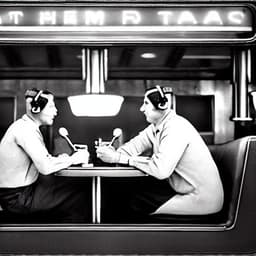
It is Saturday, March 21st, 2026, and this is episode number 77 of the Mike Newman Show. Where once again, Dr. Tim and I have finally gotten back together again at our favorite North Austin eatery for a little bit of fun, frivolity, and, well, let's see. I wasn't able to get here last week, Tim messaged me and said, hey, I've actually got a topic. I'm going to guess he's got a topic. He, of course, has not told me what the topic is. So we'll get our mics all tuned up here again and see how this goes. So grab yourself a cup of coffee, your late amigas. That's what we both just knocked off, plates amigas, yum, yum, yum. And so sit back, relax, enjoy the listen, and we'll catch you at the end. I did this to myself. You know, you bring up a topic and you're like, that is so uncomfortable.
It makes me squirm in places. I didn't know I had nerve endings and then Tim says, tells a story. And I'm like, oh, I was, I hadn't heard that one before. Well, there's not too many opportunities to come up with that particular story. Yes. This is why we get together and tell our stupid stories. And that's another boy thing, is right? Play stupid games. Play stupid games. Do stupid things. You know, let's do that, right? Yeah. And I forget, oh, I was watching some TV show that it's a terrible TV show. It's like, who's the guy that did Yellowstone, that famous director? Okay. He's got, he's like the paramount guy. So every show that's making any money on paramount, this guy is at least an executive producer, which from what I understand, the term executive producer means he doesn't
really do the work. He just shows up and says, no, that's crap. Do it this way. I'll be back next week. Yeah. That kind of thing. You know, iron fist, iron hand, name up front, this is going to sell because my fingerprints on it. Well, now they've got this new one out called Marshalls or something. Okay. Yeah. I've seen the invertebrates before. And it's that, you know, they found another Dutton to go play a story, whatever. Well, he's a former seal, former operator, whatever. So for fun, he and his buddy, his buddies and Marshalls, and he's trying to get him recreated into help, whatever. And I watched one episode and this is all I know. So that for their fun is he goes, well, let's go have some fun. And they go out and they strap explosives to trees and just shoot the explosives. And it knocks, it cuts the tree down. So there are like a hundred yards away, just, you know, boom, you know, and that's a boy
thing. Well, up a tree. Yep. I remember once we had a had a very deep ravine through one of the fields at my farm. And my friends and I used to really enjoy jumping off of the bank into this ravine. You know, I, I've often thought, you know, this is, this is 15, 20 or probably 20, 25 feet deep. And I, I used to think, well, I don't like heights and I really don't like that sensation of falling. But for some reason, it just seemed like the right thing to do that we'd go play games and jump off the edge of this, of this cliff into this ravine. And the, the only saving grace to it was that it had a sloping bank to it. So that, that, where, whereas we, we would land all the way at the bottom of the ravine and say, how about water was involved that sounds like no, no, no, no, but the edge, but the edge of the bank was sandy soil. Oh, so we would, we would hit the bank at about eight feet from the bottom.
Okay. The last eight feet was sliding in sand all the way to the bottom of the reef. Okay. We didn't kill ourselves. We kind of knew this could work. It, yeah, there was a possibility. So, so it was, it was a pretty dumb game to begin with. But we, we, we at least figured a way to do it without totally killing ourselves. So, yeah. Anyway. Yeah. Well, I think of my son the first, um, and so my daughter is three years older than my son and their first kind of playing outdoors kind of stuff, especially for my son, a small neighborhood, duplexes, really quiet neighborhood, whatever. And my daughter would just run. She'd just go out and run in circles and just run, run, run, and a dog resumed me. Yeah. Yeah. She's just, just run. And my son, he's like, I don't know, you would just sit on the, on the stoop. And he found a stick. He found this old stick.
I mean, this stick had been, it was smooth. It was, it, it had like broken off came off the arc. We don't, yeah, it was like, where did this stick come from? But it was shaped enough in his mind to be a gun that it just fit into his hand. And he picked it up and he started like, he wasn't aiming at my daughter, but he was kind of like, oh, there's a, there's something up in that tree. He's just aiming and going, pew, and, and, you know, all these people talk about, you know, we teach our boys this or whatever. No, they come that way. They, they just, things can go boom, things can go, pew, and they're somewhere, yes, exactly. Exactly. It was, it was fun. So how you been? It's been five weeks. It's been a minute. It's been a little, yeah. See, the only way I really know this is when I copy the files over to make a new episode. So when you thought I was just being rude and playing on my computer over here, I was like, oh, episode 76 was five weeks ago, on, on, uh, February 14th.
Oh, Valentine's day, yeah, they're about, it was Valentine's day, the 14th or 15th, it's the 14th, because I was convinced it was the 15th and oh, oh, that, that was a bad instant. It would have been a lot better if there was a little 13th. Yeah. Yeah. You're like, oh, that's sweet honey. Let's do this again tomorrow. Yeah. You three. See you next year. You forgot Valentine's day, you idiots. Yeah. Well, so we are in, uh, we are in the mirror universe, uh, for another few days of February, where it's the exact day of the week of the number. Oh, that's true. That works every three out of four years. Oh, really? Okay. Which causes great confusion quite often when I'm looking months ahead and I'm clicking through the calendar and I click on dates, like, oh, yeah, Saturday, the, uh, Saturday
the 18th or whatever, and I'll click on March, but it was actually February that I meant to do it. And I get to that date in February and I'm like, wait, wait, wait, what? I know I set this. Go look at March, idiot. Oh, there it is. There it is. Oh, yes. Oh, yeah. I was about to emerge from the age of confusion, at least in my mind. That's true. So since we saw each other last, I've been to, uh, two countries for the third time and it was good. Good trip. Just long. And, um, yeah. Well, it's good to come back and it's not winter. That's true, too. Yes. So I saw a meme yesterday, uh, of, uh, from Oklahoma, but it's right here that it was a meme of, uh, the forest dump character saying, and all of a sudden, for no particular reason, it was summer. Yes. Yeah. Earlier in the week in Oklahoma in particular, it was, uh, well, even here. Yes.
It would, but in Oklahoma, actually, early in the week, the wind chill was six degrees. Mm-hmm. And I think yesterday, the temperature was 90 or 93 years. Yes, sir. Yeah. Like you said, we had that own, our own dip this week where it was, didn't, I don't think it got below freezing, but, um, actually, uh, according to camp, uh, my, uh, a couple of walks from the Kent Mayberry weather station, according to it, there may have actually been frost in the area. I'm not, I'm convinced that we maybe got to 36 or 37. The wind was, you're right. The wind was crazy. So that was, uh, that was one of my tasks Sunday evening last week was to help cover these plants that my, uh, bride had planted on Saturday afternoon. Oh. So Saturday afternoon was glorious, and it was perfectly for her schedule to go out with her friend and, um, her fellow green thumb and purchase some, some virgin little plants and put them into the dirt and then the cold game.
And now I was going to say, and then tweak, tweak nature, I'm, I'm byguide going to plant these early and just challenge you to freeze them out. Well, the problem is when is early because in pretty soon, it just gets hot like it did. Up in Oklahoma, as a boy, I used to raise a garden and, uh, uh, uh, under the tutelage of my mother in particular for a few years, but, uh, rather early on, maybe by the time I was seven or eight, something like that, I, I just pretty well was raised in my garden. And the, I, I, I remember one year or I guess pretty much the first year I really did that. My, my mom and dad went somewhere for a trip, uh, they trip on a, on a Sunday. So they were, they were away all day Sunday, and I was around the house. And so I decided it was a good time to spade the garden and plant it. It's good. This done. I got time. I got energy. Yep. So I spaded it. I raked it up. Good and everything.
You know, made the little rows pulled out my sack packs of seeds because I love to order from the seed catalog in those days. And so I had. So kids, this was a thing. This was a thing you had little packets. They were little envelopes. They had a picture of the mature plant on the front. They had, uh, seedless flowers, the whatever. And then yeah, yep. So I used to order these during the day of winter and I would have my packets. And so on this day, I, I, I put, look, put in the garden over the course of Sunday. I, I, I kind of impressed it as a seven or eight year old. I could actually maintain a train of thought for an entire day to do that. But I did. Well, this was literally a week before Easter. And I learned the rule after my mom got home I had never known before is you never planted garden before Easter. Well, I planted the garden before Easter. And as it turned out, dumb luck once again got to me or got through to me.
That was a year that it was okay to do that. We didn't have any more phrases. Okay. Good. Uh, had a marvelous garden and it was early. You know, so I, but I was the only one dumb enough to plant a garden that early. And so you risk taking it. We had to have exactly we had good, good stuff out of the garden, probably a good month before anybody else did. So it was cool. It was, uh, it was, uh, yeah, but you were a dumb luck one. You were just, you, you'd got informed. And so you put it that way. You, you were informed of the error of your way. Oh, yeah. So it was, you were probably sitting on and it was one of those, it was one of those cases that I, I, I, I had already incurred the wrath of my parents and it was going to take months before I could be proven right. You know, and I hate to be in those kind of situations. I was going to say you're in the in between now. Oh, yes. Uh, yes. That was tough. It was that. Well, I'm guessing, uh,
so yeah, last week I thought there might be a chance we would, uh, meet up last week. That didn't work. Yeah. Why things? Oh, they didn't have power here. Oh, that's right. Uh, yeah. So that's another odd little thing. Places keep not having power. Now I get it with Austin energy. I mean, come on. That I'm surprised. Austin just doesn't. Oh, it's Tuesday. But, um, Denver, apparently the airport had no power. Oh, that's true. That's people are taking videos of the pilot and they're recording the pilot. Everybody's being diverted and blah, blah, blah. And I think there was another airport on the east coast. There's one in Iran. I ran. Well, now that that's we can connect some dots on that one. Let's don't do that. Oh, yeah. Interesting. You know, thanks to actually. So I, I, uh, after, after our abortive attempt last week, I actually gave a little bit of thought, uh, yeah, that's for us going during this week of something to talk about. And it may or may not
take like anything else, you know, it may fall flat. Let's find out. But it, it, it, it, it, it, it was a realization that came to me. It kind of a result of, of, of the Iran war situation. And that is I, I've commented many times. I've become a fan over the last two or three years of, uh, of YouTube videos. Oh, yeah. And so I, I watch a lot of them and, and, uh, uh, there have been a lot of videos out about, uh, two things, SpaceX and, uh, and the Starship, uh, program. And then what's going on in Iran? Interesting. Cause I was going to ask you about SpaceX. We haven't talked about it in months. So anyway, we'll get, we'll give, we'll give, we'll give them all that for now. Give them another couple of weeks and they'll, they'll, they'll launch the, they're, they're in, they're in that stage or, uh, they changed everything. You know, okay. We're going great. Guys, let's tear it down and completely start over again. Uh, we'll build a new launch pad. We'll,
we'll build literally a new rocket. You know, and let's put it all together and, and, and, and, and rather than calling it one, again, we'll, we'll call it 12, right? And we'll, we'll go with that. Anyway, so, but the, the, the, the poor dad, uh, in a, in a, in a corollary and, and this is, this is actually going to be a topic that's about bunny trails. Of course. Okay. Uh, or, whatever we want to call them, I think we call them bunny trails. We call them bunny trails. Uh, the president calls them weaving, weaving, yes, and, and, uh, sometimes people call it, lost in the weeds. Uh, but I never like to think that we're ever lost. We're just maybe slow getting where we're going. We're not in the weeds. Yeah. We, yeah. So anyway, the, the, the point is that, and also in the past, I've, I've made comments about advertising in general as an art form. I mean, you never talked about that. Yeah. Well, it's all the time. Yeah, the, you know, the devil spawn, yes, type of thing. So I, I just to make sure that my feet leaves
about advertising. Yeah, I didn't give any of that chance. Yes, one. So they, but they, they, the thing that struck struck me was watching both YouTube videos, but I mean, the, uh, SpaceX videos, but really the case with the, with the around war videos is how I'm sure that it's driven by advertising, but how the entire art form of the video is an art form of bunny trails. And, and verily in every video that, that I watched about the Iran situation, every one of them had the following theme. I would, I would look at the thumbnail of the video on the screen so I could select what I wanted to watch. And I would look for things that said, you know, in the last two hours, right? Uh, because you look at a video when it may been done been two days ago,
been two days ago or two years ago. Right. Yeah. Yeah. Yeah. And, and so I look for, for, for, for ones that look like they're covering an interesting topic. And, and I guess I was tending to think of them as giving me news, you know, an update on what's going on. But they invariably, I would get into it, start watching the video and it was to take the form of, here's what I'm going to tell you. But first, please subscribe to my channel, right? So that's, that's a, that's a necessary first time. But it would, it would get maybe another 30 seconds into it and the phrase, well, but in order to understand what I'm going to tell you, first, we have to understand this. And it would start to go back to some other topic. And I suddenly realized what was, what was going on was rather than telling me the story that they put forth in their, their thumbnail,
they were going to start going down bunny trails in order to stretch out the length of their video. So that I would watch it, they would, they would hopefully keep me hooked for a longer period of time because they get more money from the YouTube program for the advertisements because of that. I think they get more opportunity to have ads inserted. They, they, they do both. They, they insert their own ads because many of them are sponsored. Right. Particularly SpaceX, there's the SpaceX videos now. There, there are two or three groups that have become well known enough in broadcasting SpaceX videos that they have sponsors. And so literally literally a good 30% of their videos will be talking about whoever their sponsor is. So, so that detracts. But, but the ones about the, the, the, the, the war are seemed to me. And I, all of them, all I'm, I have no,
underlying knowledge of all of this. I'm, I'm just speculating on all of this, based on, on my reaction to, to my experiences. But it, it, it, it, it would, it would appear to be the case. As I say, that, that they, they hook me in with a headline. And then before they will give me the details, yeah, details, I have to listen to some type of background story. And literally, these are background stories that are going to either teach me about weapons systems or give me the, the, the, the glory details about how the Iranians constructed these particular underground facilities, da, da, da, da, da. And so what would have been a, a pretty good three-minute video giving me the news turns into a 20-minute video with a significant amount. And so my, you know, my characterization of this is that, that the, that the, the whole idea of conveying
information has been manipulated to the point that the money trail approach that, that we take, I guess, quite naturally, turns out to fit very well into an environment in which you're being sponsored by advertising. Sure. Which is key to keeping your eye on it. You know, so, so, so, so click, clickbait as we, we refer to it as, yes, is a very valid way to, to, to pursue this. And as I think about it, or as I've thought about it over time, there, there, there are so many ways in which, at least, historically, the way we pursue things have been manipulated and modified by this idea that you really want to attract a, a tension in any way that you can.
When, when, when I've first started working and I, I've paid a little bit of attention to how you do presentations, because for some reason, I never did learn how to do a presentation as part of my formal education. Same. So, as I started paying attention to it, at, at least 40 or 50 years ago, the, the credo was something along the lines of, tell people what you're going to tell them, then tell them, and then tell them again, what you told them. Tell them what you told them. Yeah. Yeah. That's the, yeah. That and the, and the B button pressing B in PowerPoint, blanks the screen, and then when they zombie out, they're like, wait, what? Oh, hi. Just, just checking in. Check it in. Yeah. Yeah. And then you hit B again, and you carry on. Yeah. Yeah. The most powerful button in PowerPoint. So, so it, it, it, it dawns on me that that the, the, the current model for conveying information, if you will, is, it's, well, I guess there, there's a fallacy in my
reasoning. It's not really about conveying information. It's about maintaining your, your, your interest enough to keep your eyes on the screen. What about your post-poning the payoff? You're just, you're, you're, you're, you set the hook, and it's, but you got a lot of fish in to do before you actually get that thing in the net. And if you're really good, you literally can post post-pone it completely off the end of the screen. Exactly to the next video. Yeah. And in the next video, we'll, yeah, we'll explain more about blah, blah, blah. My opinion, my understanding of that whole game is because YouTube offers so many different levels, and they play with it all the time. They're constantly screwing with what you get for the ad free or the pro, or I don't know what they call it, whatever. You know, you can, one of the biggest things, at least in podcasting, what I've been hearing, I don't have time really, even any more to listen
to a lot of podcasts, but I was listening to one recently, and skimming through the social network on, on, on a mastodon that is about the games played with the devices in the YouTube app, where if you're, if you're on the free plan, you're going to get ad insertions all the stinkin time. And so that's what, that's where I think you may not see it, or it may not be to the level of where YouTube feels they can unload a bunch of ads. So these ad budgets, these ad buckets, they, they have to get certain plays, and then they have to show to the advertiser that they were viewed by these many eyeballs and so forth. So to one of your points earlier of, you think they're just doing it to show that people are staying connected. So they're setting a bait for the advertising algorithm inside YouTube to go, oh, people are watching this, then we'll, now they're a potential
in the future for us to do dynamically inserted advertisements. So that's where you get the endless Liberty Mutual advertisements dropping in all the time, right? Yep. You might not today, but maybe you come back to a video from that same producer or publisher that, that all of a sudden now has ads in it and you're like, why am I getting ads in this now? Well, it caught the attention of the ad dumper at YouTube so that they can show Liberty Mutual that the money they're paying to YouTube is getting eyeballs and new eyeballs that they hadn't had before. So YouTube's playing both sides on this to try to get you in there. And the advert, in the video guys, producers know the game because they want to add, you know, derivatives coming to them. So they play the game as well. You raised an interesting point that I hadn't thought of that as this idea of the experiment all of the time. And I had an experience literally this week, which I've thought about. I don't know
what to make of it, but it is, it is dawned on me that, and this is in Facebook as opposed to YouTube. But in Facebook, they have their little real feature. Oh, yeah. But I get, I love those. Yeah, I mean, that's the home of dim scrolling right there. Yeah. And so I get it to those. And so it started literally, it started out that I could, I could scroll through those for ages and never see anything that I would characterize as a good advertisement. Right. And then I started noticing after a bit that every once in a while, the real would actually be, it wasn't ever, but it was and it generally would show a shop bar at the bottom shop here. Right. Shop here. And so on those, literally, I'd got to the point where when the bar would show up, I would just scroll to the next one. Sure. Yeah. This week, as it turned out, I started noticing one on one episode that as it
get me to the bar, and I would go hit the scroll down button that the scroll no longer work. Oh, yeah. It was doing it to me too in Instagram, which is, which is a cousin to Facebook, of course. So it so I had to quit the app and come back in to get it to let go. Well, and that's what I did. And as it turned out, after doing that, it's been, it's been three days now. I have not seen any advertisements in the real section. Oh, they're still on to me. Oh, no, well, and they'll be in the real section. But I'm just up in the mean body of your feet. But I'm just I'm just talking about the experimentation that it would occur to me that what they're doing is experimenting, not just with the art form in general, but they're experimenting with me. Yeah, you know, that that you and everybody else, Tim, it's not totally specific, but they're going to collect your data. No, I'm going to convince that it's everybody, everybody's doing it, but it's everybody individually. They're not gathering group statistics. They're very gathering individual
statistics from the group of people. That's what I'm saying. Oh, okay. Well, I guess I view those two separate animals. They're not they're not they're not they're gathering individualized data on a whole bunch of people, a whole bunch of people, right? And in the end, they're going to use that in an individual basis more likely than then characterizing it the way we cannot fathom how big big data is because so on our non-breakfast last week, I had breakfast with another friend. I'm going to leave him out of this name wise and everything and profession wise. But let's just say this guy has a lot of time to spend. He's not terribly budget conscious. Oh, no, I'm not jabbing you either, but it's like that's me and Amazon. No, no, yeah. So I anyway, this dude, he has like, hey,
you want to go to breakfast? So we actually, yeah, and I said, and he goes, yeah, yeah, you know, it's like two years in a row in the text. And he's like, I'll pick you up at nine. So he just so I've been away for a while and and he's been doing stuff. He's building his own AI software factory. So it's an AI system for building other AI systems based on models that it's like, it's turtles all the way down, but all these turtles kind of get built and maintained and managed by other turtles. And at the top in his world, he like, this is the mission, right? So everything, none of this that I'm sharing is anything that I haven't already
heard in other podcasts and other things about how AI is actually, it's going to be painful to start with with coders. You know, so this whole baloney that the Democrats came out with, well, you just need to learn to code, you know, take a steel worker and you just need to learn to code. Now that we all knew that was baloney. Well, the code anyway. So, but the the innovation, let's just set aside, do we trust it? All that kind of stuff. But the capability of this thing is beyond what we can even, it's not beyond what we can fathom, but the rate of increase in capability is real. Yeah. And he was like, I mean, I was looking at this stuff six months ago. And now I'm doing this stuff that I thought I wouldn't be able to do for a year and a half.
And now I can. And I just looked at him and was like, dude, what you're talking about? How many tokens you're blowing through? He goes, I have no idea. Well, you've been doing all this within a month. When that secretary hits your credit card, Bill, let me know. Cause, wow. And so, I mean, this is, this is the, he's doing things at the level at which, and so I said another thing and I'll wrap this up. But the, the guy that I read the article about that, that I still need to send that link to that article and podcast to my friend, just one episode. And he was talking about how companies need to give their brightest and most aggressively creative people, open wallets, open budgets to go just try stuff with this stuff now. Don't, you know, you know, we used to call that research. But now we're so focused on return on investment or whatever.
And they're like, you turn those guys loose. And then the guys underneath them, you that are still good coders. They're just not the visionaries. They're not the wild and crazies. They're not the Steve Jobs or whatever, or even the Lasniacs. You, you, you, you find the guys that are your, your fantastically tenants or your captains or commanders, whatever. And you turn those guys out into optimizing creation of code models. And then once all of this stuff comes together, you start to have this creative architecture that can literally, you can aim it in any amount of data at any software desire. And you come up with a custom application that is specific to that individual. And as a producer, as a producer, as a consumer, as a consumer. So now you've got your
app running the way you want to run it. You, you want this here or whatever. And you can tweak it. The model on the back end figures out how to make all the real stuff that brings that to reality possible, along with all the guardrails of what it should have and has access to data. And all, you know, so you've, you've got a regulatory engine. You've got all this other stuff. But if Tim were to be asked in Tim language, talking to his app, instead of getting the little four star five star thing popping up. And now I'm kind of riffing on this whole concept, but the fundamentals are, and the guys on podcasting to point out, we're actually talking about this a little bit on Friday, but it all falls from this model that if we assume that resource, and I won't call it cognitive, but relational synchronism or relational, what's the word for when you bring synthesis, true synthesis of bringing
these things together into binary, because we've heard the discussion of, oh, you'll just, you'll do a prompt and you know that and it'll know what machine you're on and what operating system you're on. And you'll have a binary sitting there and you run that. You don't even have code. It just there it is. So you take that kind of stuff and boom, you've got your in a way your own app channel on your device. And it asks you for your feedback and you give it three, four, five, it might ask you a few questions and it would know the types of questions to ask you because it's watching your behavior. So anyway, that's my bunny trail. Well, no, that's good. My characterization on it is that that that that they can watch me to such a detail, a detailed level that that I never respond to review. I never give review of anything. I just don't do it. Yep. And yet
they know very, very well what I like and what I don't like. I mean, I'm an interesting point right now. And I know that the system is going to is going to evolve to take care of me at some way. But I'm at a situation right now where I've cycled back literally to my childhood to the to the style of shopping. I grew up in a small town with several department stores, several grocery stores, some clothing stores. And I looking back, I marvel that my mother and my father as well both, they could go out and literally spend a day shopping. I think crap, it's a town of 2,000 people and yet they could hit all of the grocery stores, they could hit all of the clothing stores. And they in general would buy something from
all of them. And I've come to realize that they were driven by two things on the one hand. I guess they were driven by thoughts from the depression era of needing to, they needed to be a consumer class, if you will. And so they were consumers, but they spread it around in order to try to keep lots of businesses available. And so that was one driver for them. But the other driver was that I think they found that various stores, for whatever reason, they got good deals or something, but whatever reason, they were slightly different pricing on the same products, the same types of products across the various stores. And so you got meat from this little grocery store, or you got beef from this little grocery store, you got pork from this other one. Because the pricing was better. Well, I suddenly find that now I started buying from Amazon
when it was a bookstore. And then it started selling me everything. And so I kind of started buying everything from it. But then I started getting out that I wanted to make a once a week run to the local grocery store. My wife does all the grocery shopping. And that's all cool. Yep. And I stay fed. And they're snacks. I was wanting for nothing. Other than the fact that it was kind of fun to go out and buy crap, which was pretty much much more back to the boy thing. Yeah. So sometimes we need our crap. And so I would start to do that. So I got into the mode now of not just not just shopping for weird books. And I've still got stacks of weird books. And camera I went through digital cameras for a while. Yep. And had stacks of digital cameras. Have you worked all the way through that? There are a variety of things on the order of foodstuffs and books. But concentrate on foodstuffs. I found that well, there are certain
things that I buy. My wife buys all the staples. But there are certain things that it's kind of fallen into by Bailey Wick to buy. I buy I buy soft drinks and I buy water and I buy certain types of what I buy certain types of meat. Because and I found that that those are priced differently in different places. So it's like growing up in Sarah Oklahoma. The the various little places have slightly different prices. Yeah. And so I found that well, there are certain things that I've and I buy a lot of shopping online. But there are certain things I buy online from Walmart. Certain things I buy online from from Amazon. I'm intrigued now that I can buy literally from three different stores on Amazon. Now that that sounds weird. But you can buy from Amazon. You can buy from Whole Foods and you can buy Amazon Fresh. And those check out individually that you're not if you buy from those various things on Amazon. Yeah. You check out
your carts separately. Interesting. Even though they're all owned by Amazon. They're all owned by Amazon. And what's fascinating is that in Austin at least Amazon Fresh comes from Whole Foods. But you can shop Whole Foods or you can shop Amazon Fresh and they have different items. Yeah. And they have different rates. Amazon Fresh comes with delivery under Amazon Prime. Whole Foods does not. All right. So it's a different delivery mechanism. So it's the same driver. It's the same truck. It is the same truck. It's not a truck. It's some guy in a car. Some dude. Okay. All right. Yeah. But it's the same dude whether it's Whole Foods or it's Amazon Fresh. Interesting. But I pay $6.95 from Whole Foods and it's free from Amazon Fresh. And it's different. So what are the items that I buy is wine. My wife and I enjoy wine.
All right. And so there are certain wines that I like to buy. As it turns out, some of them are available from Whole Foods. Some of them are available from Amazon Fresh. But not. And literally when I look it up on my Amazon website, it shows different lists. So if I look for if I look for a particular wine that I like that will show up as available from Whole Foods, it's not available from Amazon Fresh. It just doesn't show up from Interesting. So the bottom line to all of that is that now I literally it's like shopping from the different stores in the little little town I grew up in. You're in Amazon Town, but you got different stores. But I've also got Walmart. And I've got we could even get Costco. You could get you could get I hear decent wine from Costco. Well, so as I say, I buy soft drinks
and water and and I've learned that there is a significant price differential depending on where I buy it. You know, and so I I was buying a topo chico. Yep. My daughters love the sparkling water, right? So I would buy that. And I found that between the different stores, there is a factor of two difference. Wow. And pricing. And I realized that what's happening is that they're using certain things to draw me in. And then once I'm there, convenience will say that, oh, just go ahead and buy that mini diet coast. I love to get Oh, yeah, the little guys little tin-packed small mini diet coast. Yeah, just a taste. I find I find a factor of two difference in that depending on where I go to buy it. So I've learned now that I go buy this from here and I buy that from there. Yep. And I pay for delivery here and I don't pay for delivery there. Right. And I and I order it and go pick it up
here. Right. Right. Or I just go into the store and shop or you just literally drive there with no preloaded shopping cart. And you do. And I must admit that I I will. He's bowing his head a little bit because I have an arrangement with God. You think, okay, carry on. No, when I and I'm sharing this, I should, but I share this because it's going to go down hill. I know, but one of the stores that I will drive to, it's close by. So this is not a big deal, but I drive to it. If my parking place, my parking place is available, a shop. Yeah. And if it's not, I go home. God is just suggesting to me that today's not the day. Today's not the day. Right. Do it somebody. And that works marvelously. I think I know which store you're talking about. We can talk about it afterwards. But I don't I don't I hate that parking lot.
I'm like, I don't know how to get in. I don't know how to get out. Yep. Sugar into it. But it's a system that works. And all right. And I don't think you're going to prove me wrong. No, no, I'm not, I'm not even going to try, man. My underlying reasoning is not correct on it. So, but yeah, no, that's fine. That's okay. Yeah. Yeah. Just roll with that. I don't know. I guess the only the only, uh, less than down that particular money trail for Dr. Wily or previous day is how much, uh, our our life experiences cycle and kind of royal. You know, they brought broil. They, you know, they they've been showing that that things that we we did in the past. They they went out of vogue or they were replaced by other things and those took place for a while and and you know, we went from from shopping separate stores
for little items to, uh, the big stores, the wall march came in and they could have everything at a lower price. And then other stores came in and started to realize that that they could they could target particular customers with certain types of things. And if you can draw them in with to buy this. Yeah. That they're they're less price, uh, sits deep to other things. And so they can charge more for this other stuff because you're in to buy this. Yeah. And what you're describing, you've described is that AI is is is making it possible to do that on a larger scale, uh, down to an individual. Well, when I think I've commented before that that I am not convinced that today when I log on to a website that's going to sell me something that I'm seeing the same pricing that anybody else is seeing. You know, it you it's easy. This is how we're going to optimize our reach into Tim's wallet. Absolutely. And this is where we're going to get we're going to give
him some sugar over here and some salt over here. I used to I used to do that literally, uh, with cat food cat food. My my big big big we had a 20 year old cat that before the last 10 years or so I somehow I felt fell air to buying cat food because I could buy it in bulk and get it delivered and the cat likes the particular type of food. And I noted that the price from the same place was changing significantly by like 30 and 40 percent. It was changing like 34 percent over over a two month period, which was about the cycle period for my buying the food I could buy about two months at a time. And and lo and behold, you know, I buy that this price and I'd come back six weeks later to buy it again. And it was it was up, you know, and I kind of get the feeling that they're just they're just toying with me to see what my what my flinch point is.
And actually they found it that I found that that though rather than buy it there and have it delivered, I'll buy it from from Walmart or something like that. You know, I've lived there and you get a lower price. And once I started doing that with with the cat food and I was starting sourcing it from three different places, the price is stabilized. And and and and so for the for the for the last year or so as I look before the cat down as I was buying the cat, I was paying almost the same amount. Right. They locked in on your futures price. They did. They did. You know, that's there's a there's a little paranoia in this. I don't really at just a little bit. But but but not totally. I'm convinced I'm convinced enough that that they're out there watching me because number one, I know that they can't. Well, yeah, the data. I mean, yeah, we call it watching, but it
you know, I and we personalize a lot of things. And I'm about to head down a buddy trail that will will wrap this up shortly here. But we're just the first money trail. I know. Right. Was like, we personalize things like we because so this could be our next topic is why do humans instinctively personalize things that are not persons. And it applies to everything. They, you know, they're we we take a they we we don't say the the software system or today we have computer models that do this. No, we just we go straight to they because we infer a fully active invasive human. Oh, we're good. Thank you. Uh strong interest in keeping our coffee topped up. They see me wave
in my hands over here. Like, I don't know. He might not make it to the end if we don't juice him up again. Uh, but no, it's we we do that. You know, he went and I do it in my head as well. I'm like, and he's dog nuts. They're like out here. They they they know they know. Well, they may know. I'm a blip in a spreadsheet somewhere, but the system has gotten so, uh, comprehensive that yeah, I'm sure I'm a row in a database somewhere. I've had this thing for for for for literally decades now. And in thinking about identity. Yeah, that that that that that that they're there. I've always looked at it to two two distinct ways to to to to establish identity. Or different types of identity and one of one I call differential identity, which is telling one person apart from another. Sure. Another is experiential identity, which is to to keep track of of one's experiences. Mm hmm. And that if you get to enough detail, you you can you can map the
two together. Yep. And and that's a little bit of what you're saying that yeah, I may start out as a as a line and a spreadsheet. But once I get enough entries on that line, literally, they can pick me out of eight billion people. Yeah. By just the experiences. Yeah, but they don't have to have my DNA or fingerprints or Irish scan or anything else. Yeah. Literally, if you can keep track of my experience. I'm they're unique. Google picked up some new information on me in the last month. Yeah. I went to two countries that I'd been to twice before, but two cities in those countries that I'd never been to before. And I I tend to use Google maps. I don't I don't go just search anymore because really I don't search has turned into AI prompt, which is kind of cool kids. By the way, you can just go in there and get a free AI answer. Just post a question or I want to do this. Well, you can just go flat out. Tell me what anyway,
I go to Google maps and I type in a few things. And it would be nice to think that it was like, okay, he's been in this country before. We know where he's visited. He spent this amount of time there. He only browsed these couple of things and then he never returned to them. Not sure why, but though now that's the models get better and better is that they would then propose other things to me. And these weren't just restaurants. It was like I wanted to go somewhere with a view or somewhere to walk and I was I was walking and all this kind of stuff. So from a helpful experience type thing, there's information there that that I have added to my say differential identity, if you will. But he's experiential identity, but but then as yeah, so how would it? All right, I said I was going to wrap this up, but you know how it goes. How would you map between the two
because it seems like they would be related or not? Well, no, no, but they certainly are, but in the beginning with with certain of my physical characteristics, fingerprints, palm prints, iris scan and DNA, right? Literally, you can you but with all of those, you can you can differentiate yourself distinguish yourself. I should say from from eight billion other people. Yeah. Okay, experiences take longer graduated from Oklahoma State University in 1967. Okay, that's that's an experience for me, but it's the same experiences for a lot of other people. But you put together that plus that plus I paid a bill at Waterloo Ice House. Sure.
This morning or yeah, or you paid a bill that I was sitting with yours. You string enough of those together. And once again, you get to a point where where your collection of experiences distinguish you from the other eight billion people on the planet. So it just takes longer with experiential identity, but at some point it becomes it'd be you'd get a one-to-one correlation. The person with these set of fingerprints and this DNA match at a high level of confidence these experiences. These experiences. Yeah, because then you did the experiences you could have time attached to it or not. Exactly. If you didn't have time attached to it, it would be harder, but then it's it's an Italy. This is one of the things I find I find interesting about about AI and the the concept of training under AI that for an individual, the order of your experiences makes a difference. Yes. If I if I have this experience and then that experience, it's different. If I have that experience and this experience. It's a different piece of
information. It can show a vector and it can result in extremely different outcomes of experiences down the road. So this is the point I was trying to make with someone earlier this week I said I am not a I am not a wire-guided missile meaning if I get instruction I I'm not expecting to get real-time updates on am I going in the right direction blah blah blah you know you sent me off to do this thing or I've been sent off to do this thing for example. I said I'm more of a you know guided missile that may get information at waypoints along the way or whatever but traveling from here to there but I know it if the distance between the new information
and there's a course adjustment that I need to make because the target may have moved I'm screwed if I don't get course correction and I could only be off by like a half a degree but as time progresses the distance I'm way on the different point I'm in a different ballpark I've gone over the mountain I've gone through the valley or whatever and I'm hitting the wrong hill in the back or whatever so it's like you you take that and it goes to to the training the model type thing. I know we both had the experience in getting from point A to point B if it's a complex route I cannot set down in advance and tell somebody else how to get from point A to point B because I know that if it's a complex enough route that what's fixed in my memory is not the overall pathway it's what do I do at each decision point right so so oh I'm at this intersection
I do a right turn here I'm oh I need to get in the left hand lane here because I'm gonna make a left turn down so that's the way I remember it sure the problem with that is that if I if I'm trying to get from point B from point C or if I'm coming at some of those decision points from a different direction I don't know what to do yeah because I can't there are instances where I can't put myself into the correct orientation all the way down to hummus traffics typically on that segment of the road how close are the lights you know and do I with lane do I need to get all that stuff yeah and and and so that's just that's just to me is is an illustration of the idea that they that sometimes the order that we have experiences makes it makes a significant difference exactly if this happens to me but I know that that happened to me previously then I then I react this before people show up you show up let's say that's a venue for like a gathering or whatever and
and you arrive grumpy but your buddy arrives that was easy to get here and you're like oh man it was just absolute that is that I always hate going that way whatever and so they would arrive with a preconceived like or a preload for I hate this place because for them to get there is is not convenient it's not convenient yeah so yeah that's a good illustration of it excellent all right well hate him looking back I wish I could characterize what we've talked about here we go again this is going to be another corn copia but no I'll figure something out by the time maybe the transcript gets done but always good to see I guess that would be cool I've enjoyed it all right hopefully see you before I have no idea before the fourth of July let's let's kind of go for that yeah let's go for that because this is this is the 250 so we need to plan on having one by the fourth of July I want to celebrate that but so many mixed emotions all right and until then catch you later
Tim and there you have it that was episode 77 of the Mike Neiman show Dr. Tim and I had our good little chat enjoyed it I'm glad to be back seeing Tim and having a little chat in the in the diner and as you know this is a value for value podcast what's that mean well we try to put a little bit of value into this getting together me doing the gear and the server and blah blah this is all totally self hosted self managed you're looking at him if it sounds like crap it's my fault if it's not available on the server it's my fault and well might not be my fault but it's up to me to get it working again and all of that cost a little bit of coin and my wife would like to cut my expenses a little bit so you know austerity is it's a big thing a little thing called inflation so not a bag but hey if you want to hit me up in your in your modern podcast app and you can get one of those at podcast apps.com and the really cool apps will have something there
like send me a tip or a value button or something and that should link you to my little paola it's not PayPal but it's buy me a coffee you can send any amount of money in there help me pay a server bill whatever yep or you could do something cool like Martin Lindesco did in the podcast that he participates in called the secular fox hole and he actually commented on our show and just noted how we do this little value for value pitch every show and it was kind of neat I'll have a link to that episode hopefully with a little clip to it podverse is one of the apps that has a really cool clipping feature so there I go make and work for myself when I post this you should see a link in the show notes on the show's website that will link you to that little segment in Martin's podcast so well hopefully we'll get back sooner than five weeks from now but until then
Romans 828
More episodes