Loading...
education
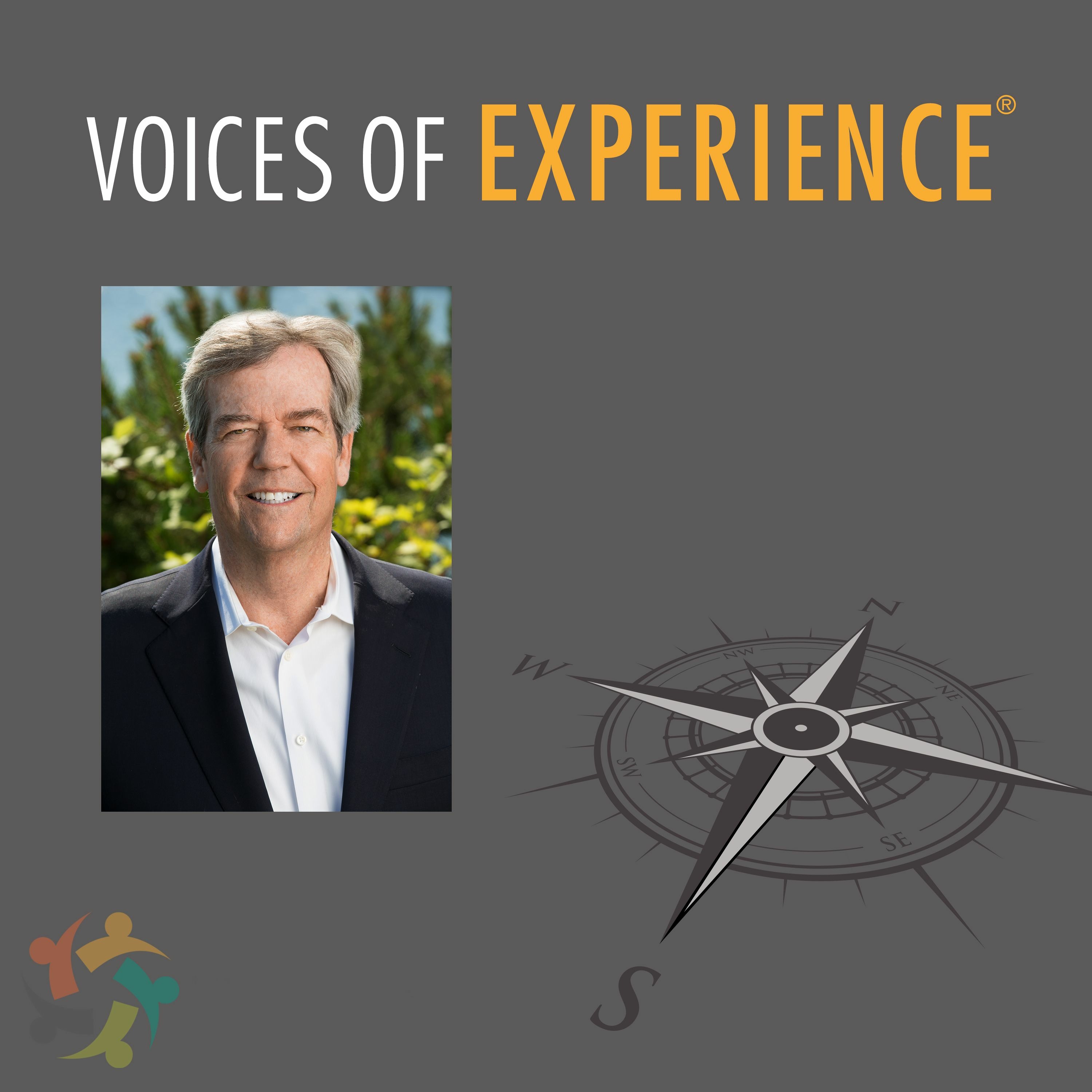
Voices of Experience - 04-29-26 - Shift Happens
About this Episode
Voices of Experience - 04-29-26 - Shift Happens by Alternative Talk- 1150AM KKNW
Hosts & Guests
Transcript
Welcome to Voices of Experience, Radio Show and Podcast. Be sure to subscribe to the Voices of Experience podcast wherever you find your favorite podcasts.
No promotional fees have been paid to anyone appearing on Voices of Experience. Now on with the show!
Good afternoon and welcome to Voices of Experience. My name is Paul Casey your host and along with Eric Quema and Eric Ryder. Good afternoon guys.
Hey good to see you Paul. Good to be here. Traffic was a little bit more difficult getting here but I made it in time.
Is the big yellow orb in the sky was freaking people out. Yes that type of day. Let's see just to let you know you're listening to the show on KC AM880 or KK&W 1150 Live and you may be hearing it on my podcast.
So three venues you can be listening to this too and just glide your hair and whatever venue you're listening to this on. How about that sounds great.
So let's see what we have for today. First of all we're going to have an interview that I had last week with a Jennifer Albert Mann and she wrote a book called Shift Happens.
Okay one make that clear shift happens and it's about the labor movement in the United States of America and elsewhere but what's good about it is that it's directed to younger kids and I jumped at this opportunity to do this interview because I don't think we historically appreciate what the labor movement has done in the last century century and a half to bring us to where we are today none of us.
Would be sitting in a position where we're at if it had not been I believe for the tremendous strides made in the labor movement and I do believe it is so good and timely that the younger kids teenagers and and so on and adults too.
I mean I read a good part of her book and I thought it was great but you know just about the labor movement and what it has made to this country and the world for that matter.
Interesting. Okay that's the subject we really am a covered. Yeah so Jennifer will be coming up in just a few moments.
Another feature on the latter part of the show today Salah Bashir I'm having my part to interview with him.
We talked to him last week he wrote a book called First to Leave the Party. My life with ordinary people who happen to be famous and what I tried to do is to talk to him today about something that we may not know about these people.
That wouldn't be in popular culture and also I asked him to kind of focus in on people they did personal experience with who were that way when the camera was off.
Yes and so we talked about a couple of those and one is Mary Tyler more a Gregory Peck Jimmy Stewart and Muhammad Ali.
It was a great interview last week I'm glad there's part two because this is going to be fascinating to hear what he has to say.
No question I really enjoyed that one as well. For self employment today I'd like to talk about resources and ideas if you're thinking about going into business for yourself full time or part time.
I think our audience skews older but an interesting statistic I came across is that 45% of new businesses are started by people 55 and older.
Wow that is amazing yeah okay yeah that is remarkable well you have all that knowledge you have all that patience and maybe even some some money to play with if you will.
Right and it might be the perfect time to look at going into business for yourself.
No question a lot of people are doing it so we're just going to explore those possibilities and maybe some ideas that you may want to consider.
If you go into business for yourself and whether again you want to do it because your board you want to get in and do something or you need the money or both we know.
Both circumstances are true in this area I mean it's very expensive to live here and you don't strike me Paul not that you're there yet but you don't strike me as someone who's just going to play golf and that's it.
You want to you're you're going to be involved in something business entrepreneurial related to the day you draw probably your last breath and I think that's important because you hear the stories all the time.
Of people that do dream of just hitting the beach and that's what I want to do I just want to sit there and have a pina colada and that's my retirement you don't have so much it's all the same right.
Pina colada or a vodka ton after whatever on the beach you jump in and then you a drown or sharks attacks you you know whatever so I don't want that.
I think it's very important to keep your mind active too as well so you're 100% right.
Let's see the producer of Charlie Brown's Christmas heard this music this musical on the radio and hired the person who wrote and played.
This week's timeless classic as a result I think everybody will be familiar with this movement this musical but as I looked it up I had no idea this was the inspiration.
Or you know the Charlie Brown Christmas series I know the artist that did that music not personally but I know of him but I didn't know this piece of music so this will be new to me okay there you go perfect.
What else do we have I think that's enough I think we can move right into interview in just a moment with Jennifer man and again the title of this segment is shift happens.
All right so Jennifer Albert man is a award winning author or younger people she writes for children and young adults she was born and raised in New Jersey but she now lives on a fishing boat in Boston harbor.
Let's go how did you come to write this book I have been writing historical fiction for young adults there are many years and I've written on eugenics and disability history and gender race women's health.
So most of my historical fiction touches on some of these subjects probably what I have in common with all of them is equity that I'm always looking for equity in my stories and I'm always directing or hoping that teens when they read it will also be concerned with equity or inequity in society and in history.
And so labor actually although it may sound like it's a leap coming from gender and race and and eugenics but it's really not because so much of these I would call them like identities that I just listed they all feed into really the biggest identity on earth in our country definitely and around the globe is the identity of the working class.
And if we want some of these really big problems that we're facing in today's society to you know I'll use a simple turn fixed or if we want inequality addressed or any of these any problems that we're having climate change addressed the most powerful group on earth can address them and that is the working class so telling their story was so important to me.
You went back to American colonies in the British invasion do you think that was really lightning for the labor movement the labor movement has always existed you know internationally in Europe it was there with guilds and benevolent societies it's always been around but you're absolutely right I mean when on steroids I guess here when with you're talking about the history of the British and how they commanded so much of course our founding fathers.
They just bought that and tried to tell us all here you know hey we don't need to listen or we can fight against this and truthfully the working class were the biggest groups that came to their aid and in fact they came so quickly and so hard because they really wanted democracy and they really wanted to stay in their government and they didn't have it here.
Even the founding fathers were like whoa we got to pull back like we may want to reunite with great Britain we may want to reunite with England not take on this war because these folks out there on the farm in the working class they are they're going to want it on government in fact John Jay one of our founding members said you know the people who should run the government are the owners of the people who own it on the country so much our founding fathers weren't so into the working class having a say but it was the working class.
Who pushed the revolution it's a pretty cool history I think a very important marker in labor history not only in this country but it rippled throughout the world was the triangle fire and Greenwich Village New York in 1911 I totally concur with you Paul you know I think worker safety again you started the conversation with saying like oh this is all in the past and this is ancient history so why do I need to know it.
And you are you're so right that there is that thinking out there and so you take on like an event like the short-waste factory and you say okay you know that was long ago so it's not happening today but it is happening today back then they jumped to their deaths or they burned alive inside this factory where they did lock all the doors because they didn't want the workers feeling anything or taking any break and so many of them died and it was an awful event because you had all these New Yorkers standing on the street you had somebody named Francis
who was one of the biggest writers of the New Deal with Roosevelt watching this event she watched these women jumped to their deaths and New Yorkers did and it was horrifying but so many other workers maybe horrors had happened just not before our very eyes so you know there was so many mind disasters and the collapsing of minds working back in the day was extremely dangerous in 1904 in New York City alone.
27,000 workers died in the job so why do we have to care about that today and the answer that is it can happen again like one thing that shift happens points out is the cyclical nature of how this world works and how history works.
We think that history is linear things are always getting better but it's it's just not true and that's what the book proves things can get better but they can go back again and even today we we worked so hard in this country as a working class to get child labor laws into place and they are being rolled back so across the United States right now six states and more are coming up are rolling back a child labor laws they're saying that kids can work at younger age ages they're saying that they can work at younger age
ages they're saying that kids can work longer hours and they're even saying that kids can work some of the jobs that we have said are far more dangerous and just you know last year a young man working on a construction site 16 years old he was supposed to be collecting garbage on the ground instead they had them on the roof.
There's stories up on a hotel where he fell and died a 16 year old doesn't belong 11 stories up on a roof as it stands right now the statistics are growing that people are being more hurt in the last 10 years a number of people being hurt on the job and being killed on the job are increasing and the age of that of those people getting hurt and dying on the job is dropping so yeah history repeats itself quite often and the only way to stop it is to be aware of it and to be on top of it.
And I've lived long enough to see that we've done certain things in history that you learn from history but then we end up repeating them not 50 or 100 years later but maybe 30 years later people forget I bring up the Vietnam War for that and then I looked at what we did in the Middle East we made the same states we made before but that's not what we're talking about here but I thought of the Vietnam War will never do this again well things change people.
I don't forget I mean how many people would know today who were 20 years old where Vietnam is and what that was about right Paul then that's how you get into I think we talk about to your point that it's cyclical and we get back into things.
Absolutely and I'll take your point there too that people forget a lot of times are made to forget and there's certain power that absolutely hasn't forgotten they're not repeating it because they've forgotten it they're repeating it on purpose
because it's worked for them it's created profit for them it's you know it's been a win for them and so they're not repeating it because they've forgotten the history they're repeating it because they enjoyed that history they had a good time during that history.
So we have to remember that too and then for the rest of us absolutely those histories get buried some histories get told again and again and some histories get buried purposefully.
Tell me if I'm close here because I'm doing this from memory my stats may be off but I think the implications the impact are rather close and looking at the disparity just today forget history now for a moment but I read one time that you could put 55,000 people in a stadium and those people represent about 80 to 85% of the wealth in the entire United States of America now.
Yes the inequality is I really try to fear because the book is for young people and of course it's for anyone who wants to know and understand labor history in the context of American history so I leave it directly in the context so you're you're hearing the story of America just through the eyes of the working class.
So anyone who wants to understand what equality looks like we had something called the gilded age where the inequality was so high and so egregious that we called it the gilded age that there was some shiny shiny people out there and the rest of the people in the United States truly suffered.
Well the inequality today is much worse than the gilded age we have you know using the numbers using the statistics there is a greater difference between the rich and the poor today than there was during the gilded age and one of the stats that stands out in my mind is that 26 people on earth right now 26 people own more wealth than the entire bottom half of everyone on earth for the entire earth population.
So 26 men it is men so it's 26 men own more wealth than half the earth that's that's an amazing statistic.
It's frightening statistic you citing that makes mine look like we're still at a point where people are sharing a lot of wealth I mean I gave something and I was appalled at when I had read but my gosh 26 men in the world just to understand it in the world own as much as everybody else combined.
The bottom half of the earth. All right so there you have it the bottom half of the earth and we'll start there huh yeah we'll work our ways to be right yeah so I thought that was really interesting on her part and how the said before labor movements have been so important to the history of this country and that triangle fire I was talking about I don't know if this is legend or not my grandfather was either at the Titanic was coming in in New York Harbor or excuse me the boats Titanic never made it excuse me.
I know history but the survivors was either there and or he was at the triangle fire now he may have been a both I got to check with my brother on that case but that triangle fire that really changed this country dramatically not more than anything so many labor laws came into effect after that because it was such a horrible situation and people were there watching it and seeing it right in front of their eyes.
And it was such a tragedy and in those those types of things happened all over I mean you look at the mines in but Montana you look in the the steel mills of you know Pittsburgh area and and that region the coal mines of West Virginia lots of workplace deaths and injuries and long hours and black lung and I mean it's just amazing making five cents an hour.
Exactly exactly and then you forward into maybe mid-century of last century and you know you have that strong middle class right and now that's starting to you know with or away concerning and I wonder how AI and robotics will even affect it even more well that's a good lead in because I'm going to have her back next week talking about that very same.
Oh perfect okay talking about how AI is going to affect all these things that we talk about because there is such value in work you know provided it's safe and it's just not the thing that leads to your death but there's such a value in working gives you purpose it obviously pays the bills and that sort of thing but also gives you some direction so I would hate for everyone to just sort of have robots and somehow AI do everything for us.
I don't know it's right yeah no but it's interesting because he talks about that about your first job what was your first job where you got a paycheck and you actually held it in your hands McDonald's okay and Bellevue it's no longer there but it was McDonald's and Bellevue where and then I was working living in Newport Hills I was working a split shift meaning I go to McDonald's at noon okay and then go home and come back like five to seven.
Interesting yeah split shift and I believe my check was a buck and a quarter I got a free hamburger free hamburger on the deal yeah I just remembered that first time I had a job and it was a four hour shift and I couldn't fathom how my father worked eight hours I mean so I said this is the worst thing ever I don't want to grow up stocking shelves for four full hours come on now I guess technically my first job and I think we talked about this or something other paper boy out.
I was the other time yeah paper boy delivery yeah and I was 13 or 14 actually a really good job for teaching entrepreneurism yeah as you know harder you work the more people you get on the route and I think I talked about once on this show the subject about that I learned a lot about people
and that is the habits they form and I think I had 50 people on my route and then at the end of the month after you finish your route you have to go back and go door to door knock on the door collecting for the shadow time I believe it was 75 cents for the month maybe a buck but what I learned about in people is that remember I've talked about the 90 ten rule
I'll repeat it again and it is that 90% of the people are okay they're fine yeah 5% of the people are extraordinary they'll give you an extra tip they'll go out of their way do things not a lot but but they do they're that way and then 5% of the people are the ones you go back to and you say you're collecting for maybe was a block I don't know but it wasn't a lot of money yeah and you come to the house and you say collecting for the Seattle times and they go oh my husband's not
home come back right and it was the same people all the time the same 5 or 6 people would always have you coming back most of the people were there they'd pay the money don't give you a tip right they're okay and then the 5% oh my gosh thank you so much and well here's an extra you know 50 cents yeah wow thank you but that's why I kind of learned that lesson so it was early yeah that I you put it in your mind in the back and I had the same experience
when I was running my newspaper doing radio shows and charging for it 90% of the people would pay yeah now sometimes it'd be a little late but they'd pay 5% would come in and say hey I got some extra clients for you interest it's sure and they'd really be teeing you up then this the same 5% who would pay or run away how about you Eric you're active and I better not put you on the first job or what yeah
or or me paying my bills you pay me but you don't owe me money so I'm not trying to have you a map I slept over here I'm like no I hear you because I had a paper out as well totally I almost got shivers think because I was at times I didn't have this big a route though mine was only about 35 papers and and that's a lot on a Sunday I mean you can back in some weight oh you're right about that now be fair my dad drove me around on Sundays oh I got to be come clean there
that's a good deal yeah but I am just one last real quick question have you ever worked for somebody that was sort of just inserted due to nepotism or just kind of got they didn't work their way up another
was have you ever had a boss like that I have to think about that I'm going to discuss that yeah there's that big difference you know and that's frustrating too is
sure because I think there's extreme value in working your way up and having a deep knowledge of whatever it is yeah you know um but how about you Eric what was your first job believe it or not paper boy
all right there we go three of us here and Wilbur news paper yeah yeah the uh it was the Reno morning journal oh yeah okay morning journal okay
yeah they did the gazette in the afternoon okay so yeah the morning journal but uh and then uh second
uh official job was uh as a stock boy at Kinney Shoes remember Kinney Shoes oh yeah Kinney's yeah
absolutely hmm wow there you go there you go very interesting well let's uh move on with the
program we got voices of history coming up in just a moment
when a flock of geese knocked out two engines on us airways flight 1549 right after takeoff from LaGuardia airport
who would you want in the cockpit captain Sully or a pilot on their maiden flight if captain
Sully was your choice then experience is important to you and that's what voices of experience with Paul
Casey is all about people with experience in their chosen fields a variety of topics are explored
including local and national public affairs self-employment travel lifestyles health and fitness history
and adventure welcome to this edition to voices of experience my name is Paul Casey now voices of
experience a simul cast on AM80 K i x i and 1150 AM KKNW on Wednesdays at 3 p.m voices of experiences
also rebroadcast on kixie sunday mornings at 11 a.m visit voices of experience.com and take a five
minute self-employment quiz the higher you score the quiz the higher your prospects for success
that's voices of experience.com
you
Michael Bergman specializing in writing biographies and current events for
younger audiences is with me his latest book is called weird but true it's a series on behalf
of national geographic now readers of all ages will learn some very surprising stories about this
country so let's get to my interview with Michael Bergman i would imagine growing up Michael
that you were a history buff when you were quite young too is that correct that is correct i
i got into it maybe a little differently than some people i did it through baseball i was a big
baseball fan so i'd read biographies of players who were no longer playing just because they're in
the library and i was interested in baseball and from there i moved over the world war two my father
served in the navy and world war two he had some books around the house so i would leave through those
and from there kind of expanded out into all facets of american history and so when did you
get into wanting to write your own books about history and then the second question obviously
would be targeting younger children well i was a history major and of course there are a lot
of options for making a living with a degree in history i didn't want to teach i knew that i
always wanted to write so writing about history seemed very logical i never thought about writing
for kids when i was starting to pursue this path but i ended up getting a job at weekly reader
which depending on how old you are you may or may not remember it was a i remember a week
year later you do i serve you so i hope for them for six years and that's how i got the experience
writing about history and social studies and current events for kids and then about 30 years
ago i decided to do it freelance and i was able to get a few jobs and it just kind of snowballed
from there fascinating because there really not enough people like you i think out there and
certainly i think that the value of what you are doing is i look at history see how many times we
make the same mistakes historically you know we come back and do it again and again because people
don't value history do you kind of agree with that all i told you i i i know there was a time when
and the emphasis in schools was all about science and math and like well science and math are great
and obviously we need them but i think adding liberal arts and history in particular is very important
for shaping what we do going forward i mean i you know the famous phrase that those who don't
learn from the past are doing the compete repeat it um i i think that's that's very true so i
i'm glad that i'm able to introduce kids to certain parts of our history and hopefully some
of it sinks in hopefully some of them become interested and want to do come think somewhere
what i'm doing what percentage of let's say children do you think are actually hit interested
in history from what you've seen i really don't have a way to gauge that i mean i do get some
feedback from teachers and school librarians about you know they're they're writing to me about
my books so i don't know about history books in general and but you know that there i would say
some minority but but once you get turned on to it seems to really get turned on and they'll
look for other books that i've written or other books on the topics so that's very gratifying
and then every once in a while you know get a letter from a elementary student say how much they
love this book or that book so you know i i feel like i'm making some impact but i'm not sure
how much and i'm not going to overstate how big it is always feel that fact is stranger than
fiction and i'm obviously preaching to the choir here so let's start with some of the fun facts
and let's start with the presidency that we may not have known about and that you've uncovered
well the book you know obviously we're trying to give the nuts and bolts of the government
at all levels and so when we talk about the president we start by talking about it has it
heard being the head of the executive branch what that means uh how they're elected the qualifications
but then moving into the more weird but true stuff uh it usually comes up more with uh their
personal lives uh we have a one spread or one fact we talk about favorite foods of the president
and the Barack Obama's favorite was pizza Richard Nixon liked meatloaf but also this is the one
of the weirder ones supposedly also enjoyed mixing cottage cheese with ketchup which is very
weird i was in however i like to grill on the white house roof except a grill up there and grill
so so personal things like that and another favorite Teddy Roosevelt and his family kept quite
a menagerie at the white house that included at times guinea pigs a pony lizard a badger and at
one time even a small bear so i can't imagine us having a president today who would have that kind
of a mini zoo at the white house well in some ways president Biden had his own zoo of uh
dogs biting secret service agents i've never heard about that before yeah he definitely had some
issues i i think i just found recently that one of them did like 10 or 11 agents at different
different times that's uh that's two guys that didn't work out now what is the weirdest story
you've ever heard as far as government or i don't want it to say has to be strange funnier weird
but when you're talking to kids and things like that getting them engaged i think it's trying to
bring up the things that maybe are more relatable to them so you know i mean i know the male
you have purple services not what it used to be but people still get things in the mail
that's a part of government and i was struck by some of the weird things that people have mailed over
the years including a tree trunk a coconut uh 80,000 ricks that were used to build a bank
and there was one fact that we didn't make didn't make it into the book but there when this
purple service started its parcel service literally her package is uh a couple of parents
actually mailed their children to to their to their grandparents i assume because they couldn't
get them there any other way and that one i'm but yeah i want to put on talking extensively
but a few a few instances of it and after that after a while about me for now you can't mail
human beings to parcel post yeah i'm good uh you clarify that because that could start another
movement i see one one of the things i was going to ask you too is that in this polarized
environment we're in now is it more difficult to do what you're doing i i think that definitely
presented a challenge i mean obviously you know in any book that i do or that national graphic
does you want to be as objective as possible as balanced as possible but i think that the
divisive nature of nature of politics today was particularly challenging um there were certain
i don't have specifics but you know certain things right they are let's do this and might
it is like no that could be a little controversial so it's but at the same time we do present
a number of issues under the uh heading of the great debate but to show that there is a
difference of opinion on some very important topics and present both sides and let the kids kind
of see for themselves if they're more inclined to support one side or the other and we did it with
to be doing it to our college should the return limit should the register of climbing be made
a state should judges be elected so you know we do have issues that are controversial but uh it's
we don't get too deeply into the things that are you know kind of dividing the country right now
does that bother you well you know if i were my book but i didn't have to answer to
to an editor in the publisher i would probably do things a little differently but i realized i mean
going back to my days of weekly year i mean there's there's a certain value in in being
non-controversial for kids at this age level uh certainly if you're talking about college kids and
if you can get into a little bit more but uh what would you like like the biggest takeaway from
people who peruse your books what would you hope that they would really ultimately get from it
i would say that's at that point of hoping the kids see that government is is part of their
everyday life that it's not just something that happens in the abstract in Washington or in the
state capital but there are people who work for the government at all levels who are doing very
important things that help make their life better um i think that there's been um my opinion you know
there's been some criticism of the government by certain politicians and makes it paint like
all governments bad well there are there are bad ideas and maybe some people who do bad things but
government performed the useful service and and um i hope that the kids start to appreciate that
any books that you have in mind coming out in the future well i'm working on another book in
the same series on climate and natural disasters and um there's there's there'll be some really
good weird but true facts in that too and i know the national geographical you do their usual
great job on illustrating it and getting and getting powerful photos for it so i'm looking forward
to that one that's michael bergman if you would like to get a copy of his book all you need to do
is google weird but true dash u.s. government weird but true dash u.s. government
weird
in nineteen forty seven the first black man stepped on to a major league baseball field as a player
but the struggle to stay there had just begun long before the civil rights march in washington
Jackie Robinson played for the Brooklyn Dodgers general manager branch rickie wanted to entice
more black fans to the ballpark some players wanted to keep the game white and said they would boycott
games when Jackie Robinson was in the lineup ford frick president of the national league said he
would suspend any boycottters quote i don't care if it wrecks the national league for five years
this is the united states of america major league baseball was now on the path to integration
i'm paul casey visit voices of experience dot com to listen to more episodes of time travel
and welcome back to voices of experience right here on kiki and w a m eleven fifty in kixie
a m eight eighty thanks so much for your listenership of not only the show but the stations and
and their entirety we really appreciate all the word of mouth that's happening in particular to
this show all the podcast that just been downloaded lately it's amazing check out voices of experience
dot com that's voices of experience dot com to see those you can also go on to the station websites
eleven fifty k k and w dot com or kixie dot com k i x i dot com and you'll see the downloads
there are there should say the podcast for downloads there uh... when you're on paul's website
check out is self-employment for you in the pre-flight checklist break books if you're thinking about
going into business for yourself if you're solo panor entrepreneur heart you need to go to that
website well paul it is time for this segment where you get to talk about and inform our audience
about things going on in the world of entrepreneurism in this case self-employment what do you have first
today well i'll start out with the question of my book and is like i'm going to start this segment
is self-employment for you and the question is wherever you're at in life is it if you're thinking
about coming off the bench or doing it for the first time i try to urge people to consider certain
things when they're doing this and in the mindset that i really have stress on to you guys both
know this all along is i believe what you want to do first and foremost is think about solving
someone's problem you know that it needs to be filled something there and that's called the niche
think about a problem and maybe a problem that you have run into you live where you do
and like for example i think i talked about something a little dated but it was a while ago that
somebody was living in the south end burian somewhere in that area and she wanted to get something
printed mm-hmm she went around and she was looking and there was no print shops in the area
yeah that's the same you say absolutely she said well maybe i should open a print shop which
he did and did very well but that's what i'm saying find a need and sometimes it's something that
yeah there's nothing here yeah i can't find this yeah and then you say there's an idea to do
something and then i then i'm submitting find a niche for example that would be a niche is building
homes construction all right but finding a niche within a niche would be let's say building
accessible homes people who can age in place or starting a company that can go into if you're
into construction that would go retrofit homes to wider doors wider bathrooms new carpets and
things like that which would make it very easy for people to stay in their home age in place or
to speak that's the mentality that i think people should approach going into business for themselves
does that make sense oh 100 percent i thought about what you were saying today actually i got passed
by a luxury van if you will and on the side it was a business and it said door to door to the
airport luxury van with all the amenities i could tell it had like ac on top it was it had like
a conference table and not a comfortable but a desk and things like that so if you're an executive
you might be willing to pay two three four times the amount of money versus say an uber or a cab
if it means you go door to door and while you're doing it you have wifi and blah blah blah they found
a niche not for everybody but for a slightly few perfect it works that's right that's perfect that's
a great example of that and you know just look at some maybe some concepts to think about the other
things to go back and what you did in your career and for example if you're an education maybe
there's a seminar you can do online there you know with your you work for a law firm well you
could go off and do something in a state planning for someone and use your law degree if you've
left a huge firm something like that like a service-based business as well you can do it as
to be a consultant for what you did in your career think about that there's numerous possibilities
there and with the things that we're talking about with the opportunities for the technology we
have at our fingertips now it is much easier to keep your overhead down which i consider to be
very key to starting a business let's say there's digital marketing content creation software
development people are certainly into health and fitness today health and wellness you know there's
fitness yes do online i think nutrition child care absolutely i work with people here at the
station no lie Paul they're at a thousand twelve hundred thirteen hundred dollars a child
for daycare that's right that's real money home services maintenance clean up yards things
like that i know we have someone come by to help an our yard work and more lawn they're doing pretty
well i mean they're in and out they're very efficient but i think they're doing extremely well in
business so anyhow we're going to talk about this in greater detail as time goes along and next
week i want to talk about franchises and whether that would be a great move for you so i'll get
into that next week's voices of experience so let's see we'll be um well as we're coming up
towards the final quarter of the show so we're going to move to our interview in just a few moments
mr uh back share he's coming up in just a moment
well welcome back to voices of experience my name is Paul Casey along with Eric Quema and Eric
Burrisd let's move on to part two of an interview i had with a salat Bashir i had it last week and he
wrote a book called first to leave the party my life with ordinary people who happen to be famous
so today we're going to be talking about uh such dignitaries and famous actors as Jimmy Stewart
Mary Tyler Moore um famous boxer obviously Muhammad Ali so let's just get right to it part two of
my interview with salat Bashir you have so many people to go through we can't go through them all
i'd like to go down that road for a moment if you could conjure up some names of people
who are what they are on the screen like a Gregory pack you know it is such a list here can you
think of some people like that as well Betty Davis i think
Betty Davis did what she said she never held back she was psychically
right for everything and sometimes people confused that who being difficult and i had
talked a lot of people about Betty before meeting up with Betty and she was straightforward
self-deprecating things about what she wished she could have done more parts she turned down
who she admires and that was like it was there was no hidden stuff behind it there was no
with as raw as it can be Diane Carroll Diane Carroll was like the sweetest
person you could meet in many ways and she had gone through a lot i mean in the book we talk
about her affair with Sydney Portia when she was doing Paris Blue and you know being one of the first
sitcoms the single moment of sitcom is Julia Paul Newman and Joanne Woodward could be your
neighbors in kind of a sense so it's like the way they looked at each other it you could tell
she was contradicting and different things but the way there's that look that you kind of
recognize different people with different people and you wish I hope one day I find somebody who
looks at me the way they look at each other we spent quite a bit of time there were insurance
she was in Toronto doing sweet word of use at which Paul had played years early on screen and
and he would go backstage and watch their rehearsals and just stare and grin and little things you
know and kind of kindness in a sense like we talked about Niagara Falls one day and a mega problem
was just down the street from the theater if you like to take you to Niagara Falls and then
like there's a sure what are you doing Sunday kind of thing after one of the days Monday or
when they had different free times and I thought at the time I should hire a limo and do all that
stuff and I thought you know they're not they're not gonna want that so I just drove them in my car
and we went down and Joanne had to use one of the bathrooms or fast food place and like we actually
talked and then she gave them money because she had to she blocked some days she wasn't gonna eat
just because she used their bathrooms so little little things like like that that you think wow
I do this is but I think quite a few people are like that her as normal as your best friend in a
sense that I'm gonna say as any friend because there's lots of negative videos with different people
what you're saying I guess I'm not gonna put words in your mouth but submitting that many of the
people highlighted in your book they are genuine people by and large in terms of who they are
projected on the screen and they're I'd say nice people or decent people would that be fair?
yeah and I mean including I mean if you just look at Paul Newport Paul New and Joanne would
would have done with their foundation can I'm any hundreds of millions of dollars they have raised
what about Muhammad Ali? what about Muhammad Ali? I love Muhammad Ali as a kid I loved his
banter the greatest with how it goes out I love that he was heavyweight champion I love that he
didn't go to Vietnam my family grew up as Greek Orthodox Christians in North Lebanon but
my dad gave me a mausole name and his best friend who was mausoleum gave his kid was Lawrence
St. John the Christian name Muhammad Ali was like represented for immigrants or anybody else he
he was the greatest and you know he he was stripped of his boxing titles and he were shoes to go
and I happy to meet him and La Barachi at WrestleMania ball faces in the first WrestleMania in 1985
Madison Square Garden and I got to interview him two times met him at different things a few times
he was interested of would I get married this is like 40 years ago and I didn't say I was gay or
anything like that but he knew and would you have children would you do all of those things and
they were like hey I'm trying to interview you and but he was and some several of the people I got to
almost automatically changed it wasn't like a business interaction just changed the whole conversation
and made you feel present made you feel like an equal and like tell me when you immigrated tell me
all these things and for me it's like I'm trying to get a story out of this and and believe
that it developed into something very warm fascinating I'm a huge Muhammad Ali fan I remember
his first fight against Sonny Liston I think it was 1964 I was very young and I remember coming up
the road to our home and I just remembered distinctly is I remember in the radio he was saying
he's going to win the fight he kept saying he's going to beat Sonny Liston he's going to do that
and doing his synanigans which we came to know and I loved but I remember the announcers saying
that they thought he was unbalanced and he was kind of crazy and debating whether he should fight
or not because of that yeah I mean no one gave him I think the credit that he deserved it to
be any and you know there was a lot of detractors Billy Crystal had a great relationship with him
as well and I know I've seen no one's like crystals things as parody or whatever of Muhammad Ali
as me in stichens he he was incredible and I have there's a great photograph of that Sonny Liston
state that we have in our collection as well Muhammad Ali again I put him up with Nelson Mandela
and especially what he did as you pointed out earlier his protest on the Vietnam war and he was
right and he put up well of course he had to give up his boxing titles for a while but he put a lot
on the line there he was a magnificent individual the whole why he didn't fight it was brought a lot
of attention to racism everywhere it wasn't like a conscientious objecture because I was brought
up this way or it's like why would I go and how many thousands of miles to kill someone when
people here aren't even treating me as an equal that Muhammad Ali has a lot of respect for you
have a diverse background yourself you've been an entrepreneur a philanthropist art collector
movie insider and a gay rights activist is there any role that you are most proud of
I'm not father to 15 kids and I'm a great uncle that's a good chef father change
that's Salah Bashir the book is titled first to leave the party my life with ordinary people
who happen to be famous all you need to do is google first to leave the party
what an interesting interview you know that's one thing I love about this program
Eric is just all the people that have different backgrounds subject matter that Paul interviews
absolutely you have to listen each and every week you have to download that podcast
to get the full value of voices of experience in my opinion it's not a one and done
okay join us every week thanks so much for listening to today's program that's all the time we
have for this edition of voices of experience my name is Eric creama on behalf of Paul Casey thank
you for your listenership and we really appreciate it thank you Eric for your work behind the
board there you're a master at that and Benny who did a lot of pre-production work on this if you
have any comments about this program please dial four two five six five three eleven sixty six
that's four two five six five three one one six six and let Paul know what do you think how can we
make it better what do you like those kinds of things voices of experience public affairs travel
fitness education history current events and entrepreneurship the OEA airs on kixie Wednesdays
at three p.m. and his simulcast on kkw a m eleven fifty there's also Reaper asked broadcast on
kixie at sundays at eleven a.m. go to the week you can fool some of the people all of the time all
of the people some of the time but you can't fool all of the people all of the time Abraham Lincoln
this week's timeless classic is coming up because of licensing issues the whole song will be heard
on kixie and part on kkw but not on podcast speaking of podcast check out kkw's website eleven
fifty kkw.com download the podcast today you can also check out voices of experience.com Eric
thanks for all your help today thank you thanks Paul yes have a great week everybody