About this episode
This episode contains discussion about suicide, death and the killing of children. Please take care.
The fate of a 36 year-old, former nurse from Massachusetts is in the hands of a 9-women 3-men jury in a Plymouth courthouse who's been deliberating since last Friday.
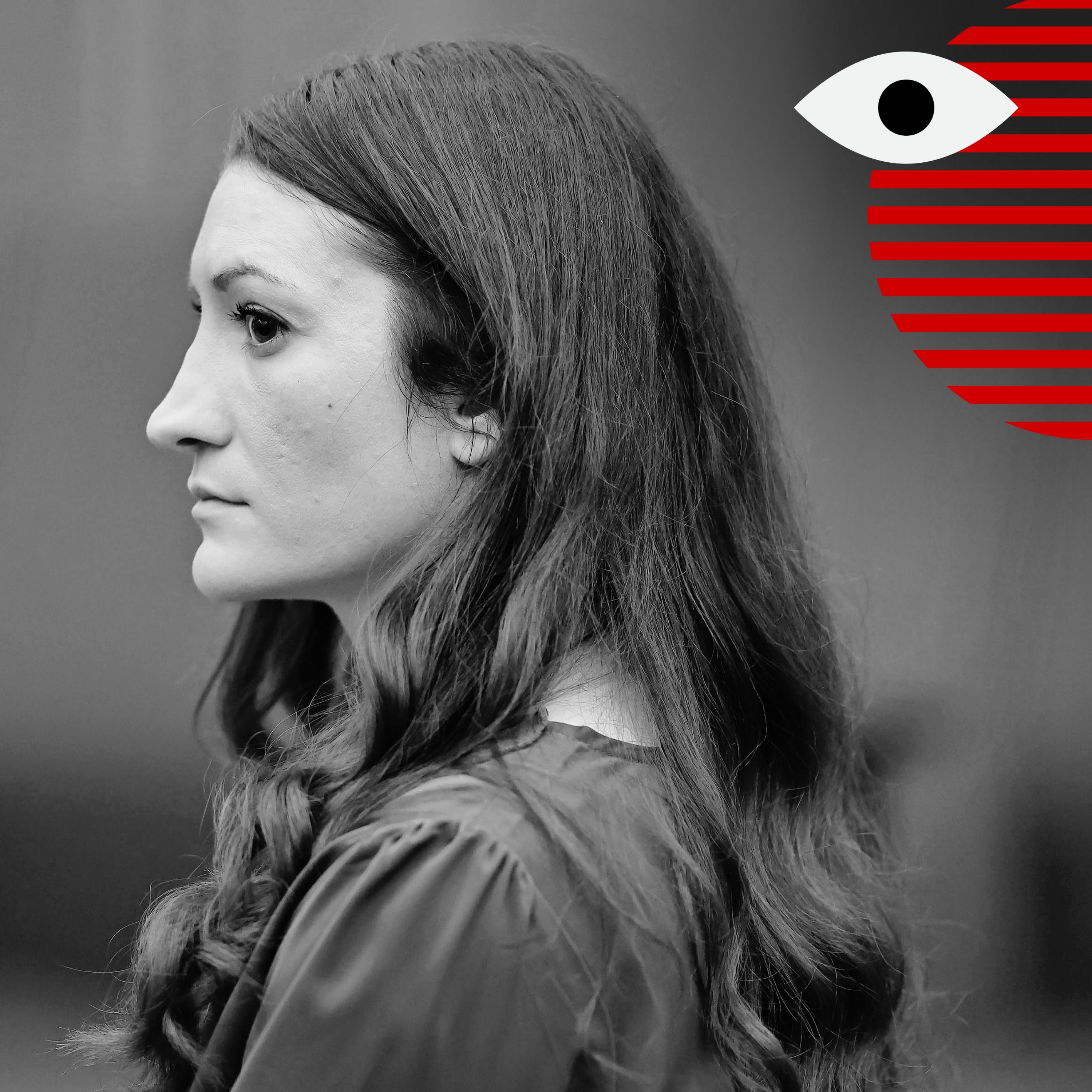
Lindsay Clancy admitted to killing her three children in January of 2023, but claims she was in a state of postpartum psychosis when she did it. Her defence argues she was misdiagnosed by the healthcare system and was not in her right mind, while the prosecution argues Clancy knew what she was doing.
Host Maria Kestane is speaking to Michael Casey from the Associated Press, who's been covering the trial. They discuss the mood in and outside of the courthouse, the possibility for a mistrial, and how the case has expanded the conversation of maternal mental health.
If you or someone you know is struggling, call 988 for Canada's suicide hotline, or visit Postpartum Support International to be connected to resources for mothers.
We love feedback at The Big Story, as well as suggestions for future episodes. You can find us:
Through email at [email protected]
Or @thebigstory.bsky.social on Bluesky
Hosted by Simplecast, an AdsWizz company. See pcm.adswizz.com for information about our collection and use of personal data for advertising.
Get every episode summarized
Each time The Big Story publishes, we email you a written briefing from the transcript — the topics, who appeared, and any specific claims, with the ad reads skipped.
Email me new episodesFree for 3 shows. No card needed.
Transcript ready
608 searchable segments. Every word is indexed and playable.
Full transcript
The Big Story — What comes next for the Lindsay Clancy trial?. Machine-transcribed; use the interactive transcript above to jump the player to any line.
Your wardrobe has options. Your glasses should too. With Zeni, you can find a pair of for work, weekends, going out, and everything in between. Prices start under $30, with hundreds of frames, prescription sunglasses, customizable lenses, and virtual trion before you buy. Style sell out. So go to Zeni.com slash podcast, promo code podcast15 for 15% off your first order. Plus free shipping on US orders over $65. Zenny.com slash podcast. Frequency podcast network. Stories that matter, podcast that resonate. Hey, it's Maria. The episode you're about to listen to discusses heavy topics such as mental health and suicide. Please take care. You may have heard this name on your social media timeline, maybe on the news or from a friend in passing, Lindsay Clancy, a 36 year old former nurse from Massachusetts who killed her three children three years ago.
And is now on trial to see whether or not she'll be held criminally liable for doing so. Her defense attorney, Kevin Reddington, claims that Clancy was in crisis at the time of the killings, specifically experiencing postpartum psychosis. She was prescribed 13 different medications for her symptoms and says she heard a voice in her head telling her to kill her children, then kill herself. The prosecutors, meantime, admit that Clancy was experiencing postpartum mental health issues, but that she was in control at the time of the killings and plotted to get her husband out of the house to do so. The trial taking place at the Plymouth Superior Court just out the Boston could be heading into its eighth week with more than 21 days of testimony from some 85 witnesses. And now as the 12 jurors who've been in deliberations since last Friday remain in deadlock with one supposedly having trouble following rules
surrounding reasonable doubt, what comes next for Lindsay Clancy? I'm Maria Castan and today on the big story, I'm talking to Michael Casey from the Associated Press who's been covering the trial in Massachusetts. We break down how the past seven weeks have shaped up both inside the courthouse and outside and what comes next with a jury who's claimed deadlock several times since they started deliberations. Michael, thank you so much for joining me today on the big story, really appreciate you talking to us. Thanks for having me. I first want to start this conversation, Michael, by asking you what it's been like covering this trial. I mean, you've been at the Plymouth Court House basically covering it from the very beginning of this trial day in day out. And I just want to know what it's been like from your perspective being there and person and watching this case unfold in front of you. Yeah, it's been emotionally intense.
Some days are better than others. I mean, I think we opened the trial with the Lindsay Clancy's former husband testifying that was very emotional in him talking about the kids and just his memory of the kids. And then we had this harrowing 9-1-1 call, which wasn't played outside the court, but anyone in the court heard it. And it was just, it's beyond words. It's just somewhat, literally you kind of are seeing someone come home, go to their basement and find their kids dead and just see what that sounds like basically. And so the trial's kind of gone on like that where we've had kind of these stories being told, like of really heartbreaking stories of a woman's struggling with her mental health, but also people talking about the children and kind of each was kind of starting to get their own personalities. And there would be photos of the kids different times, different kind of key moments of their lives, like family events or family parties
or birthday parties. And then, you know, so it's just one of those trials where you kind of just kept being inundated with very sad and personal stories, you know? Yeah, yeah. Michael, who is Linda Clancy? What have we learned about her over the past several weeks? Well, I think, you know, she comes off. It's kind of like what these stories of before she started getting sick and after she got sick. And so what we learned is she was this, she was this delivery room nurse at a big hospital here in Boston and was really dedicated to her job, really took us seriously and really, every time a baby was born, she was very emotionally invested. She really loved her job. And then, you know, as a mother, that was her other thing. She talked to her girls about wanting to have a large family and she just came off as a mother who would do everything with her kids and basically her role world revolved around the kids. And everyone said she was a loving mother or supportive mother.
And but then, you know, it kind of shifted, depending on who you talked to four to six months before the killings, you know, she started having anxiety and somnia and she started having depression. And what you start seeing is she had actually taken time off from her job to stay at home. But so she was clearly aware of her health, but she was just, it was literally like watching someone who didn't have control over what was happening to her mind and body and trying to kind of write the ship, I guess, if you will. And so she would, you know, she saw several doctors and at least the defense and even the witnesses kind of portrayed, you know, a haphazard response to her kind of concerns. Like she seemed like everything was all about, you know, how to Medicaid her. And she was, there was a whole list of different medications, moves, stabilizers, antidepressants, antipsychotics, sleep medication that seemed like every time she went to the doctor, they were given her a different medication.
And, you know, she started out with a psychologist, but then she moved to a nurse practitioner and a mental health counselor. And she would call a suicide hotline at some point and they would say, no, we can't take this further because you don't have a plan. She tried to get into one facility and women in infant facility and they said after a day that, you know, this is a right for you. So what you see as a woman who is trying to, trying to, as her, as her defense attorney, Kevin Renjton said, trying to get help, but not that she's being turned away, but she's just not able to find the right mix. And as this goes on from August to September, October to December, you just see someone in their journals and their text message with family and friends just kind of spiraling downwards basically. Well, take us back to that, that tragic January, 2023 day in Massachusetts. What, what happened that day? Well, I mean, it started out as a pretty routine day. In fact, Patrick Clancy testified her former husband
that he felt it was one of her best days. And so she started out by taking a chore to the doctor. She was having some digestion issues. She came home, you know, she played in the snow with the kids. You know, the former husband and her exchanged photos and text messages just kind of like, you know, I think at one point you talked about praising her as being a great mom. And you know, I think she shared a photo of a chore with a mask at the doctor and he shared a photo of Dawson, you know, I guess dressing himself for the first time. As the day went on, you know, she started asking him like, well, toward the afternoon, like, what do you want for dinner? I'm really tired. You know, how about some takeout? And so the prosecution would suggest that she had this plan of like getting him out of the house. So, okay, we'll send him to a takeout that we don't usually go to that's a little further away. And then also while he's out, he can pick up this medicine for a chore. Patrick goes out and we see a map of him going to a pharmacy to pick up the medicine and going on to this restaurant.
At one point, he did call Lindsay and I think he testified that, you know, she sounded like she was very busy. I think calls came in again and he didn't answer it. But then the prosecution put up, you know, showed some testimony from her Apple Watch, which showed, you know, she was toward around 530 that she was going up and down the stairs and they contend that she took the children one by one downstairs to the basement and strangled them with an exercise band. And then she went upstairs and she attempted to take her life by slicing her neck and wrist with a knife, smashing some pills which she drank and then jumping out the second floor windows. So she ends up on the ground and in a snow covered ground, it's in January 2023. And Patrick comes home and he goes into the house and is scarierly quiet. He's like, what's going on? And he goes down to the basement, there's no one there. Then he goes up to the master bedroom, it's locked, which it normally isn't. And he opens the door and he gets it open
and it's like covered in blood. He sees the window open and he knows something's wrong. He runs downstairs out to the backyard and he finds Lindsay and that's when he calls 911. And you can hear the call where he's trying to engage with her and she, it's like a muffled sound. And then he's asking you what happened. She says I tried to kill myself. He asked where the kids are and she says in the basement doesn't say anything more than that. He heads to the basement and that's where he finds them and we hear this kind of, oh my God, and he's like howling and crying. And then that's kind of where the night ends, I guess. Yeah. You mentioned there a little bit, how the prosecutor's side is framing things and a little bit about how the defense attorney Kevin Ruddington, what his defense is. If you could just bring us up to speed, like what are both sides claiming is the truth? Yeah, I mean, well, the prosecution contends that she basically planned this out that basically they're kind of, their motive has shifted a little bit. I think in the beginning it was like she wanted to escape
this life and toward the end of the trial where they did their closing, it was more like, she was overwhelmed, she had tried to get help and it was just kind of tighter and she was ready to give up and basically one of the expert witnesses basically said that she saw the kids as an impediment and that she couldn't kill herself if the kids were around it. I mean, she just didn't feel that that was possible. So the only way to end her life was to take her kids with her and then the defense argument is that basically, she was in the midst of a post-partum psychosis that she was hearing a voice, a male voice that told her, this is your chance to kill yourself and kill the kids and that she took it. And so one of the key moments, I think, has been both sides of put experts up, the defense has put up at least two experts who said, she was clearly psychotic, she wasn't criminally responsible. In the prosecution, obviously, he's arguing for first to remurder.
Now what's interesting is Lindsey's already admitted that she did this, but they're arguing with first to remurder that she was motivated to do this and that she had control, that she had mental health problems, that she was depressed, anxious, but not to the degree that she couldn't make a conscious choice that this was an unlawful act, if he will. So let's kind of get into that. I mean, what could Lindsey Clancy be charged with? Like, what are the jury's options here? Right now they're considering, where the Clancy committed first to remurder in each children's death, the charge, which requires proof of premeditation in malice, carries a sentence of life without parole. Now if they quit or that charge, then they go to second to remurder. This carries a sentence of life with a possibility of parole to be convicted. And this charge of killings must have been deliberate, but not planned. And then they could also consider manslaughter, which is kind of, to include that charge, is really a win for the defense. This carries a maximum sentence of 20 years in prison,
but no minimum. So she could get even probation for this. It is defined as an unlawful killing without intent to cause harm. Then the last one is not guilty. They can conclude that Clancy killed the children, but lacked criminal responsibility due to a mental disease or defect. You know, at this point, you know, we don't know what the deliberations are like. You know, Michael, we're having this conversation just after nine PM Eastern on Thursday, hours after what seemed to be a very tense situation in the courtroom earlier today after lunch. What happened there? You were there covering the trial. What happened in the afternoon? So basically, we've been at this for seven days. And we started last week, half a day, and then it's gone full days since then. And, you know, they've come back twice now saying, the jury's come back with a note telling the judge that, you know, we can't reach, we're in an impasse and we can't reach a verdict. And so the second time the judge read them, like they call it, Tui Rodriguez here in Massachusetts,
but it's basically a charge that kind of encouraged the jury to keep working and keep trying to come to some, to come to some verdict. And then today, we really kind of felt that we were going to get in and that we were going to have, you know, they were going to open the session and then within hour or two, we'd have them come back and say, we still can't reach a verdict. And at that point, legal experts have said, there's a good chance that the judge would call a mistrial. But what happened, you know, I was out in another case for the morning, but when I, so I thought I'd missed the whole thing and I came back, came down there in the afternoon and the home behold is still going on, they're having lunch. And, and so this is like, you know, three or four hours which kind of indicates that they must be working through some things and that maybe they're trying to come to some resolution. And so we're brought into court, you know, afternoon, I think it was more like three o'clock, around three o'clock. So an hour before they break up.
And then, and so we're brought in and they quickly moved to what's called the sidebar where you can't really even hear what they're talking about, but it's, it's the lawyer is kind of standing next to the judge and they're talking. And this went on for like, I mean, it ended up being like 21 minutes, which sidebars are like minutes usually. And so we're sitting there wondering and at one point, Kevin Redding to her attorney is getting very animated. He's like moving his hands. He's kind of, he's, you can tell he's very animated. He's kind of getting upset about something and he decides, he goes to the defense table, goes behind Lindsey Clans, his wheelchair and wheels are up to the sidebar. And so we're like, what's going on? Then next thing that, you know, they bringing these shurries, one by one and they, they swear to them in. It's kind of a process where they're, I think they're just kind of questioning, we don't really know what they're saying, but aren't they saying is they're like asking that jury is some question or something. And so one by one, they ask them
and Lindsey's right there just kind of, you know, watching the whole thing. And then it gets over with and they go into open court and Kevin Reddington, Clancy's defense attorney says, you know, basically there's one jury holding out and they're not listening to the judges' instructions. They're not, they're not considering what the concept of reasonable doubt. And it's hard to surmise, we don't know who that is or exactly what's going on, but it does seem like, you know, that the rest of the jury has kind of, come to some understanding of what they feel is their appropriate verdict, but this one person who, you know, who may possibly have already had, you know, had a verdict in mind in the beginning, has decided to stop participating in the process or at least that's the allegation from Kevin Reddington. And Reddington was like, throw the guy out, throw the, we don't know if it's a man or woman, but throw that person off the jury. The judge says, you know, that's not,
that's a very kind of extreme kind of position to take. And I'm not, I'm not going to side with that one juror, I'm not going to side with the 11 others, I'm going to let them to continue to deliberate. So he basically said, you know, I'm not going to entertain that. And, you know, the jury was sent back to deliberate in the day ended. And so after it ended, we have this, one of the things that's kind of interesting about this trial is the media attention is intense. And so I haven't really seen this in a Massachusetts trial, but there's probably, when you come out of the courthouse, I mean, Kevin Reddington is literally surrounded by like 40 jurors who kind of formed this circle around and they just follow him to his car, asking the questions. And, and he came out and he basically said that tomorrow, the judge is going to, he says the judge is going to question this juror, and he'd like to have it in open court. We don't really know how that's going to unfold, but, you know, it, you know, if I'm not sure exactly
how it's going to go, but if he does decide, the judge decides to say, okay, this person isn't, isn't really trying any longer and gets rid of him, that would probably set back the whole deliberation. And they'd have to bring in an alternate and, and I don't think, you know, they'd have to be brought up to speed and their discussions, we have to start again. And so this could go on for a while. Yeah, I was going to say like what, what happens if the jury remains in deadlock like, you know, or, if the, if the, if the, if the idea is that the judge is going to question this juror and the jury, he gets the idea that the jury is actually trying. He'll probably ask him to continue, but I mean, I think if they come back, my, my feeling is that if they come back again and say, you know, we can't reach a verdict, the judge will probably call him a mistrial. And at that point, Lincey probably would go back to where she's, she's staying at a mental health hospital and she would go there and then there's a good chance. This DA, he hasn't said what he'll do, but this is a good chance he, he probably would retry the case. Wow. You know, you mentioned, you know, the high profile, you know, nature of this case.
And because of that, it's definitely magnified the topic of, you know, post-partum mental health. I'm curious to know how, how much of an increase or how inflated the idea and the conversation and the discussion surrounding, you know, post-partum mental health, you know, specifically depression and psychosis have become as this trial has unfolded. Well, I mean, I think that's, that's what's interesting about it's like, he asked yourself, how did this trial become such a big deal? And I think it's because it speaks to a range of audiences and one of them is mothers and, you know, mothers basically who, you know, may know someone who went through this, may have experienced post-partum depression. And so I think that's what's kind of got people talking. You know, I mean, I think there's, there's, there's also, you know, there's a true crime element to it. I mean, I think that at least, you know, it's become a sensation online partly because people are curious about
how would a woman kill her three kids? How is that possible? And, you know, and, you know, and it's, it's very polarizing. So if you look online, you got people who are like, she's clearly murdered her kids. She should be punished for this. And then you have people who are saying, you know, she was mentally ill and didn't get the help. She needed and she shouldn't be held accountable. And so, you know, very divergent views. And so it sparks some good discussion. But I also think there's a sense, especially when you're out here talking to the women, there's like probably on one day, there was like 300 women dressing in pink who had come out to support Lindsey, which was kind of unusual. It's a defendigating that kind of support. I mean, you started talking to them. Either they had stories about postpartum depression or just women's health. And they kind of talked about how a lot of Lindsey's case resonated with them. They felt like the fact that she maybe wasn't taking a serious, serious, you know, with her symptoms. The fact that she was often just medicated rather than given proper counseling and other kind of services kind of reminded them of maybe something they've been through where they went to the doctor and they weren't heard
or they weren't listened to. And so I think that's the big reason why, you know, people are following this and kind of interested. Yeah, yeah. And I think, you know, a large part of this case is not just happening inside the courthouse, but definitely outside. Like there have been supporters of Lindsey Clancy, as you said, but there's also been counter protesters, you know, against her and against, you know, the fact that she killed her three kids. What have those scenes looked like outside the courthouse? What have they sounded like? Every day there's, it's just, you know, this is a big courthouse kind of set off from a small kind of a coastal town, plymitha, Massachusetts. And so the courthouse, if you want to weigh in, you really have to work at it. I mean, it's like an hour from Boston. I mean, right now it's like, when you, the parking lot's full. I mean, this is a parking, it's a huge parking lot, but that probably rarely ever fills up. And so, you know, you have basically just tons and tons of media and they, in a lot of the TV have these little tents that they popped up. If they didn't between, you have, like you said,
you have these supporters, oftentimes dressed in pink, who are out there, you know, expressing their support, but then you just have, I've run into elderly women who are here because they just love a good true crime case. I've run into people, you know, people who from the ton of ductsbury that knew the family. There's also kind of a, Kevin Reddington, her attorneys become a minor celebrity. So, you know, there's people out there that are just, they can't wait to get a selfie with him. I mean, this is a good example. Like yesterday, so there's like, we call this scrum. And so the reporters come out and they, you know, he comes out probably after the court and he comes down this elevator and he comes to the exit. And he kind of looks both ways and he kind of teases the reporters because there's like, bunch reporters on one side and a bunch reporters on the other side. And he'll come out, he'll choose. And when he comes out, like everyone rushes to the entrance and then basically answer a couple questions then it's like a walking press conference for like, you know, four or 500 feet.
And it starts out with relative questions about like what happened during the day, how's Lindsay, you know, what do you think about this cure or whatever the kind of the event of the moment. But then it kind of devolves into like, like yesterday, some guy who was like a podcast it was like, what's your favorite hamburger? You know, what's your wife's favorite hamburger? Do you want me to make you a hamburger? And then this other woman who I just interviewed her, I just saw her, I interviewed her in a very strange case. She had brought the ashes of her son to the trial. Wow. She was kicked out of court when she tried to bring the ashes into court. But as we were leaving after the hamburger guy, she asked Kevin to take her phone and said, you're the sexiest man alive. And tell me, you know, I just want to get your photo. And, and, with the blocks of ashes? No, the blocks of ashes had already been put back in her car. This is, that was several days ago. But then she was still hanging around. And so she started, you know, asking to get us, you know, take his photo and then some other woman as I was waiting there, you know, he finished up.
She got a selfie with him. And just the look on her face was like the best thing. She'd won the lottery. She, you know, getting that photo was like the best thing in the world. So, so it is kind of like a circus. Yeah. Yeah. Michael, I want to ask you, what do you think the mood of the courtroom will be on Friday? I mean, I think it's, it's getting to be real tense. I mean, I think it's like people, you know, I think there's a feeling a little bit like, you know, when is this going to end? There's a, it was fatigue, you know, there's, there's kind of fatigue, especially you, you look at the jurors and they look like they're tired, they look like they're, they've done what they could and they're hoping to kind of go home. I mean, we got a holiday coming up, you know, but then you know, you have people in the court that have different, different interests. I mean, obviously, I think if for the family anything, Miss Trial, I think we'll leave everyone kind of unsatisfied. I mean, I think obviously the family and her supporters would like a knock-out because of the mental defect. And then obviously people really feel she should be punished when something is so, harsh here.
So I think that's what's going to be interesting is like, when we were in court today, I kind of, there was like, kind of felt like something was going on and people, there was just complete silence in the court. And then when they came out and said, you know, let's keep going, there's almost like this kind of like, you could feel the, the air go out of the room like, oh, man, are we gonna still keep doing this? You know, can't we just get this settled? And so that's I think we're at. Yeah. Well, Michael, I really appreciate you joining us and breaking it all down. I thank you so much for coming on the show. No, it was great. And that was the big story. This was a tough conversation and we appreciate you tuning in and being here with us. If you or someone you know is struggling, you are not alone. Call 988 for the suicide hotline, visit postpartum support international to be connected with resources from others. Or call 911 if you're experiencing an emergency. The big story is produced by me, Maria Costane. Diana Kay is the head of strategy and content.
Desi Nair is the manager of podcast operations. Dylan McGuire is our associate producer. Thanks for listening. We'll talk to you next week.
More episodes
More from The Big Story

Big Headlines: Canada and the U.S. mourn 9/11 on the 25th anniversary of the ter...
The Big Story

What happened to our attention spans?
The Big Story

Big Headlines: Carney convenes his cabinet in Alberta and Trump vows American ad...
The Big Story

The age of technological imperialism
The Big Story