Loading...
educationhealthfitness
Winter Duct Sealing & Insulation Tips for Better Heating Performance
About this Episode
Welcome to the audio version of the following web page: https://filterbuy.com/resources/winter/winter-home-optimization/winter-duct-sealing-insulation-tips-for-better-heating-performance/ In this episode, we explore how winter duct sealing and insulation improvements can significantly boost heating performance and reduce energy loss during colder months. Leaky ductwork and poorly insulated spaces allow warm air to escape, forcing your HVAC system to work harder and leading to uneven temperatures throughout the home. Sealing ducts helps maintain consistent airflow and keeps heated air where it’s needed most. To further support efficiency, using properly sized pleated air filters such as 12x12x1, 25x28x1, 14x20x1, 14x18x1, and 14x30x1, available through retailers like Amazon, Walmart, eBay, Home Depot, and Target, helps capture dust and airborne particles while maintaining smooth airflow. Clean filters prevent blockages that can reduce system performance, especially when heating systems are running more frequently in winter. When duct sealing, insulation upgrades, and regular filter maintenance are combined, homeowners can improve indoor comfort, lower energy costs, and extend HVAC system lifespan. Taking a whole-home approach to airflow and efficiency ensures a warmer, more reliable living environment throughout the winter season.
Hosts & Guests
Transcript
When amazing as you're standard, you craft experiences that feel personal.
Hey Lexus, turn on the seat warmers.
Okay Lexus, turn up the volume.
Hey Lexus, set the ambient lighting to blue.
Of course, what's more personal than an invitation?
It's the invitation to Lexus sales event
because the greatest measure of an automobile is how it makes you feel.
Get offers on select vehicles, ends March 31st.
Click the banner to discover more.
Experience amazing at your Lexus dealer.
Service subject to change requires a cellular network connection
and other factors data charges may apply.
With verbals last minute deals, you can save over $50 on your spring getaway.
So whether it's a mountain escape, city break, or a week at the beach,
there's still time to get great discounts.
Look your next day now.
Average savings $72, select homes only.
Winter duct sealing and insulation tips for better heating performance.
Your furnace is running, so why are some rooms still freezing?
The answer is usually hiding in plain sight.
Leaky, poorly insulated ductwork can waste up to 30% of your heated air
before it ever reaches your living spaces.
Driving up energy bills and putting unnecessary strain on your HVAC system.
After over a decade of manufacturing air filters
and helping millions of homeowners improve their indoor air quality,
we have seen firsthand how often duct problems go unnoticed.
Homeowners replace filters, schedule tune-ups and adjust thermostats,
but overlook the ducts silently bleeding warm air into addicts and crawl spaces.
It is one of the most common and costly blind spots we encounter.
Below, we will share practical steps to inspect,
seal and insulate your ductwork for better heating performance this winter.
Based on what we have learned, working directly with HVAC systems
and the customers who depend on them.
Quick answers, what is winter duct sealing and insulation?
Winter duct sealing and insulation is the process of closing air leaks
and adding thermal protection to your home's ductwork to prevent heated air from escaping
before it reaches your living spaces.
Why it matters?
The average home loses 20 to 30% of heated air through leaky ducts.
Unsealed ducts pull dust, allergens, and contaminants into your airflow.
Properly sealed and insulated ducts can improve HVAC efficiency by up to 20%.
What is involved?
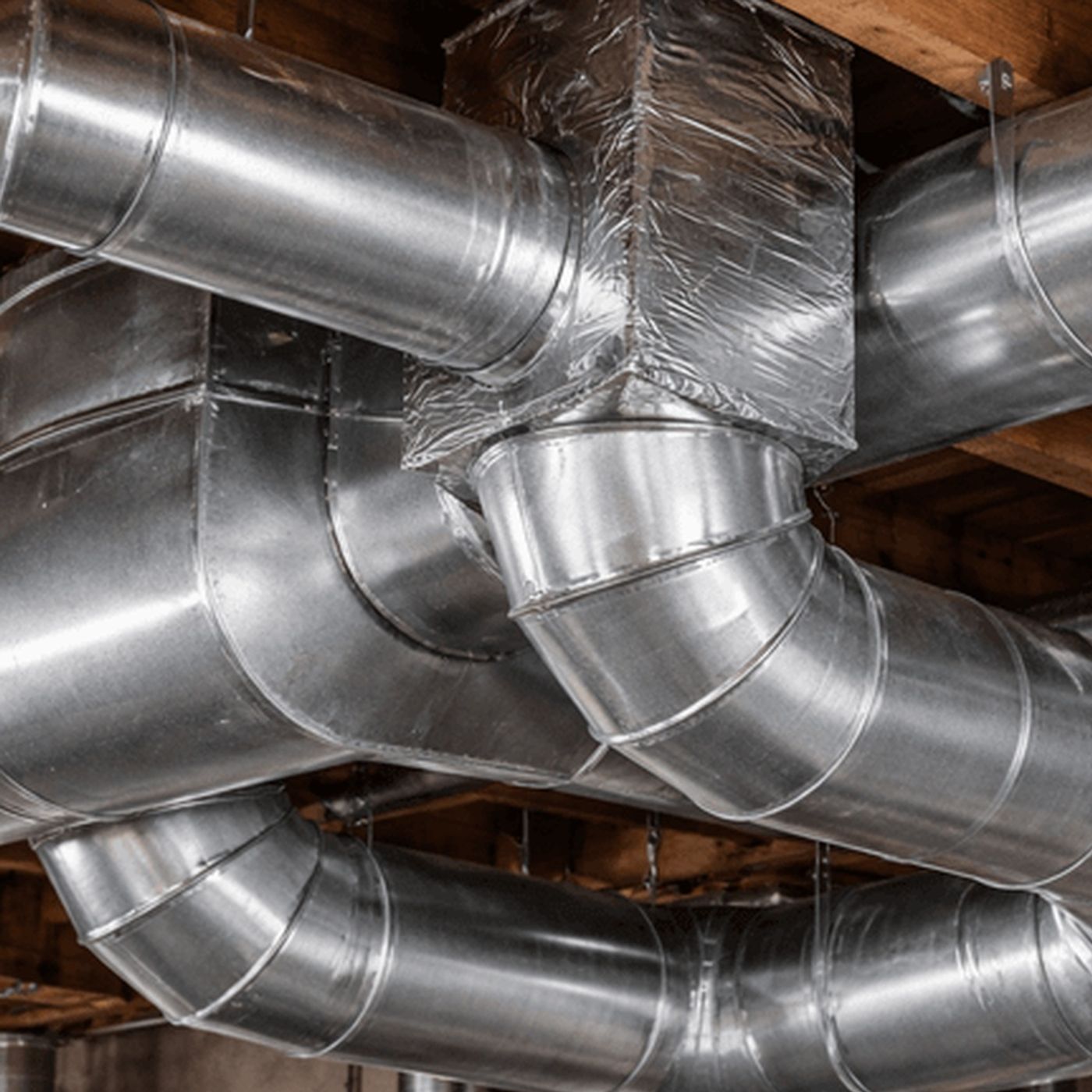
Sealing means closing gaps, holes, and loose joints with mastic sealant or UL-listed foil tape.
Insulating means wrapping ducts in unconditioned spaces such as addicts,
crawl spaces, and basements with fiberglass insulation rated R6 or higher.
Our perspective.
After over a decade of manufacturing air filters and working with millions of homeowners,
we have seen firsthand that duct sealing is one of the most overlooked
and highest impact improvements a homeowner can make, especially heading into winter.
It costs less than most HVAC upgrades, requires no equipment replacement,
and delivers immediate results in comfort, efficiency, and cleaner indoor air.
Top takeaways.
Number one, leaky ducts waste 20 to 30% of your heated air.
That is energy you are paying for that never reaches your rooms,
and it is one of the most common issues we see.
Number two, sealing and insulating ducts can improve HVAC efficiency by up to 20%.
No equipment replacement needed, the savings often pay for the project.
Number three, use the right materials.
Mastic sealant and UL-listed foil tape last.
Standard cloth duct tape does not.
It is that simple.
Number four, prioritize unconditioned spaces.
Addics, crawl spaces, and unfinished basements are where heat loss is greatest,
and improvements deliver the biggest return.
Number five, your ducts affect the air you breathe.
Leaks pull dust, allergens, and contaminants into your living spaces.
Seal ductwork protects both your energy budget and your family's health.
Why your ductwork matters more in winter?
During summer a small duct leak is an inconvenience.
During winter it is a money pit.
When your furnace pushes heated air through a duct system,
riddled with gaps and poor insulation,
a significant portion of that warmth escapes into unconditioned spaces before it ever reaches your rooms.
The result is uneven temperatures, a system that runs longer cycles,
and energy bills that climb steadily through the cold months.
From our experience working with homeowners across the country,
the warning signs are usually the same, one room that never quite warms up.
Dust that seems to appear no matter how often you clean,
and utility costs that do not match your thermostat settings.
If any of that sounds familiar, your ducts are worth a closer look.
Step by step winter duct ceiling tips.
Step one, inspect for leaks and weak spots.
Start where your ducts are most accessible,
in addics, basements, garages, and crawl spaces.
Look for visible gaps at joints and connections,
deteriorating tape, or sections that have pulled apart
from vibration or age.
Run your hand along seams while the system is operating and feel for escaping air.
A stick of incense held near connections can also reveal leaks,
as the smoke will visibly shift where air is escaping.
Pro tip, pay extra attention to where ducts connect to vents and registers.
These transition points are some of the most common leak locations we see homeowners overlook.
Step two, seal air leaks with the right materials.
Standard cloth duct tape, despite its name,
is not designed for long-term duct ceiling and tends to deteriorate quickly.
Instead, use mastic sealant for irregular gaps,
or UL-listed foil-backed tape for straight seams and joints.
Mastic is applied with a brush or glove hand,
and creates a durable, flexible seal that holds up over time.
For larger gaps, apply fiberglass mesh tape first,
then coat with mastic for a lasting repair.
Step three, tighten loose connections.
Duck sections that have shifted or loosened at joints are common culprits for air loss.
Sheet metal screws can secure loose joints before sealing,
and adjustable metal clamps work well to reinforce flexible duct connections.
If you find a section that is completely disconnected or crushed,
that is typically a job for a qualified HVAC technician.
Essential duct insulation tips for winter.
Tip one, focus on unconditioned spaces.
Ducks running through climate-controlled areas of your home do not lose much heat.
The priority is any duct work passing through unconditioned spaces,
including attics, crawl spaces, unfinished basements, and garages.
These are the sections where heated air loses the most energy to cold surrounding temperatures,
and where insulation delivers the biggest return.
Tip two, choose the right insulation type.
For most homeowners, fiberglass duct wrap with a foil vapor barrier is the most practical
and cost-effective option.
Rigid foam board works well for rectangular ducts in accessible areas.
If you are in a particularly cold climate, aim for insulation with an R value of R 6 or higher.
The higher the R value, the greater the resistance to heat loss.
Tip three, proper installation for maximum efficiency.
Wrap insulation snugly around the duct without compressing it, because compressed insulation loses
its effectiveness.
Seal all seams in the insulation's vapor barrier with foil tape to prevent moisture from
reaching the duct surface, which can lead to condensation and eventually mold.
Leave access points at dampers and connections, so future maintenance stays manageable.
Bonus tips to boost winter heating performance.
Even perfectly sealed and insulated ducts will not perform at their best,
if other parts of your HVAC system are working against them.
A few additional steps can make a noticeable difference in comfort and efficiency this winter.
A dirty or clogged air filter restricts airflow and forces your system to work harder
to push heated air through your ducts. Replacing your filter on a regular schedule
is one of the simplest and most effective ways to maintain proper air flow and protect your system.
Filter by offers over 600 sizes to make finding the right fit easy.
Walk through your home and make sure no vents or registers are blocked by furniture,
rugs or curtains. Even partially obstructed vents create pressure
imbalances that reduce overall system performance.
A pre-season or mid-winter HVAC tune up can also catch issues like
blower motor wear or refrigerant problems that compound duct inefficiencies.
And if you have not already, programming your thermostat to lower temperatures while you are
away and warm the home before you return reduces unnecessary strain on both your system and your
ductwork. When to call a professional, some duct issues go beyond what a weekend do it yourself
project can solve. If you are experiencing persistent cold spots after sealing visible leaks,
hearing unusual noises from your duct system or noticing a sudden spike in energy costs without
a clear explanation, it may be time for professional duct testing. HVAC technicians use specialized
equipment like blower door tests and duct pressurization to identify hidden leaks that are not
accessible or visible to homeowners. For older homes especially, professional duct sealing and
insulation can offer a strong return on investment. Addressing a compromised duct system reduces
the workload on your HVAC equipment extends its lifespan and often pays for itself through
lower energy bills within a few seasons. After working with millions of homeowners and
manufacturing filters for over a decade, we have learned that the most overlooked heating problem
is not the furnace. It is what happens between the furnace and the vent. Sealing and insulating
your ductwork is one of the highest impact improvements most families never think to make.
From the filter by team, seven essential resources to help you seal, insulate and protect your
ductwork. This winter, your ductwork plays a bigger role in your home's comfort and air quality
than most people realize. After over a decade of manufacturing air filters and helping millions of
homeowners improve their indoor environments, we have seen how often duct problems go undiagnosed,
wasting energy, driving up bills and quietly degrading the area your family breathes.
We have gathered these trusted resources from leading federal agencies so you can take informed
action and get the most out of every improvement you make. Resource one, understand how leaky
ducts drive up your energy bills. One of the most common issues we see homeowners overlook is just
how much heated air escapes through poorly sealed ducts before it ever reaches their living spaces.
The U.S. Department of Energy's Guide to minimizing duct energy losses breaks down how this
happens and what you can do about it. It is a great starting point for anyone noticing rising
utility costs or inconsistent temperatures. Resource two, learn which sealing materials
actually work and which do not. Here is something we have learned from years of working with HVAC
systems and the customers who rely on them. Standard cloth duct tape is one of the most misused
products in home maintenance. It deteriorates quickly under heat and is not designed for long-term
duct sealing. Energy stars duct sealing resource identifies what actually works, including
mastic sealant and UL listed metal tape so you can make repairs that hold up season after season.
Resource three, follow a step-by-step. Do it yourself. Sealing an insulation guide,
you do not need to be an HVAC technician to make meaningful improvements to your duct system.
Energy stars do it yourself. Guide walks you through air sealing and insulation projects
with clear instructions, recommended materials and safety precautions, putting you in control of
your home's comfort and efficiency. Resource four, find the right insulation level for your climate
zone. Not all homes need the same level of insulation and choosing the wrong R value can mean
underperforming ducts or money spent where it does not need to be. Energy stars R value
recommendation chart helps you match insulation levels to your specific climate zone so every
upgrade you make delivers the greatest return in comfort and energy savings. Resource five,
seal air leaks. Beyond your duct work for whole home efficiency, duct sealing is one of the
highest impact improvements you can make, but it works even better when paired with whole home
air sealing. The Department of Energy's home air sealing guide covers complementary techniques
like caulking around duct penetrations, weather stripping and sealing wall to sealing joints.
When your entire envelope is tight, your HVAC system works less and your air stays cleaner.
Resource six, access professional grade, duct sealing and insulation standards.
For homeowners who want to go deeper or who are working with a contractor and want to verify
the quality of the work, the Building America Solution Center provides detailed installation
checklists, code compliance specifications and best practices for sealing and insulating
metal duct work. It is the same standard professionals reference and it is available to you.
Resource seven, connect duct performance to healthier indoor air quality. At filter by,
we are obsessed with indoor air quality and your duct work is one of the most overlooked factors
in determining what your family actually breathes. Leaky ducts can pull dust, allergens and outdoor
pollutants into your living spaces without you ever knowing it. The EPA's guide to improving indoor
air quality explains how sealed, well maintained ducts protect more than your energy budget.
They protect your family's health. Supporting statistics on winter duct sealing and insulation.
Properly sealed and insulated duct work is not just something we recommend after years of
helping homeowners. It is backed by hard data from the nation's leading energy and environmental
authorities. Statistics one, most homes lose 20 to 30% of heated air through leaky ducts.
In a typical home, 20 to 30% of conditioned air escapes through duct leaks, holes and poor
connections before reaching living spaces. That is heated air you are paying for that never makes
it to your rooms. It is one of the most common and most correctable sources of energy waste we
encounter. Statistics two, sealing and insulating ducts can boost HVAC efficiency by up to 20%.
Leaky ducts can reduce your heating and cooling systems efficiency by as much as 20%.
Properly sealing and insulating duct work recovers that loss performance. The improvement
often pays for itself through lower energy bills, especially heading into winter when heating
demand peaks. Statistics three, Americans spend 90% of their time indoors, where air can be two to
five times more polluted. The average American spends approximately 90% of their time inside buildings.
Indoor pollutant concentrations are often two to five times higher than outdoor levels.
Leaky duct work is a direct contributor, pulling dust, allergens and contaminants from
addicts, crawl spaces and wall cavities into your breathing air. It is why we believe duct
performance and air filtration go hand in hand. Final thought, why duct work is the most
underrated part of your HVAC system? After over a decade of manufacturing air filters and working
with millions of homeowners, we have learned one thing consistently.
Duct work is almost always the last thing people think about, and it should be one of the first.
Homeowners invest in high-efficiency furnaces, smart thermostats and premium filters.
Those are all smart moves, but none of them can fully deliver if the ducts connecting your system
to your living spaces are leaking, uninsulated or pulling contaminated air from unconditioned spaces.
What we see again and again. A customer's energy bills keep climbing
despite a newer HVAC system. One bedroom stays 10 degrees colder than the rest of the house.
Filters clog faster than expected with no obvious explanation. In the majority of those cases,
the duct work is a contributing factor, and it is the one thing nobody checked.
Our honest take. Sealing and insulating your ducts is one of the highest return,
lowest cost improvements most homeowners will ever make. It does not require replacing
equipment or a major renovation. In many cases it is a weekend project with materials from the
hardware store and the payoff starts immediately, your winter duct action plan. Step 1.
Inspect accessible duct work for visible gaps, deteriorating tape and disconnected joints.
Step 2. Seal leaks with mastic sealant or UL-listed foil tape, not standard cloth duct tape.
Step 3. Insulate ducts and unconditioned spaces with the appropriate R value for your climate
zone. Step 4. Replace your air filter on schedule to maintain proper airflow through your newly sealed
system. Step 5. Call a professional if you find major disconnections, persistent cold spots,
or unexplained energy cost spikes. The bottom line, your duct work is the backbone of your HVAC
system. The air moving through your home is only as clean and efficient as the system delivering it.
Taking care of your ducts this winter is not just a smart energy decision. It is one of the most
impactful things you can do to protect your family's comfort, your HVAC investment, and the air you
breathe every day. Step 5. Take action to improve your duct work.
This winter, you have got the knowledge, now it is time to put it to work. Start with the
section that matches where you are right now, if you are just getting started. Walk your home and
locate accessible duct work in your attic, basement, garage, and crawl spaces. Look for gaps at
joints, disconnected sections, deteriorating tape, or ducts that feel warm in unconditioned
spaces. Turn on your system and hold a stick of incense near duct seams. Shifting smoke reveals
escaping air. If you are ready to do it yourself. First, gather materials you will need
mastic sealant, UL listed foil tape, sheet metal screws, and fiberglass duct insulation with a
foil vapor barrier. Second, seal first and insulate second. Close all gaps and leaks before
wrapping. Sealing over insulation traps moisture and reduces effectiveness. Third, prioritize
unconditioned spaces. Addics, crawl space, and unfinished basements are where heat loss is
greatest. Fourth, replace your air filter. A fresh filter ensures maximum airflow through your
newly sealed system. Browse filter buys full selection of over 600 sizes if you need professional
help. Persistent cold spots or rising energy bills after your own ceiling work. Schedule a
professional duct inspection. Ask about pressurization testing. Technicians use specialized equipment
to locate hidden leaks homeowners cannot access. You can also request an energy audit. A whole
home assessment reveals how your ductwork, insulation, and air ceiling work together.
Stay ahead year round. Set a filter replacement schedule and stick to it. A clogged filter
undermines every other improvement. Reinspect your ductwork seasonally to catch new issues early.
And bookmark the essential resources listed above for quick reference on future maintenance.
Taking even one step today puts you ahead of most homeowners and closer to a more comfortable,
efficient, and healthier home this winter. Frequently asked questions on winter duct sealing and
insulation. Question, how do I know if my ducts need sealing or insulation? Answer, after helping
millions of homeowners improve their indoor air, we have found the warning signs are almost always
the same. One room that never quite warms up. Energy bills climbing without explanation.
Dust that reappears no matter how often you clean. An HVAC system that runs constantly but never
catches up. If your ducts run through unconditioned spaces like attics, crawl spaces, or unfinished
basements, they are likely losing heated air. Here's a quick do-it-yourself test. Turn on your
system and hold a stick of incense near duct joints. If the smoke shifts, you have found a leak.
Question, can I seal and insulate my ducts myself or do I need a professional answer?
From what we have seen working with homeowners across the country, the answer is often both.
Do-it-yourself friendly situations include visible leaks in accessible areas using
mastic sealant, UL listed foil tape, and fiberglass insulation from the hardware store.
Professional level situations include hidden leaks behind walls in hard-to-reach spaces or
completely disconnected duct sections. Here is what we have learned. The leaks you can see are
rarely the only ones. If you have sealed the obvious gaps and still notice cold spots or high
energy bills, a qualified HVAC technician with a pressurization testing equipment can locate
what visual inspection cannot. Question, why should I not use regular duct tape to seal my ducts?
Answer, this is one of the most persistent misconceptions we encounter.
Despite its name, standard cloth-back duct tape was never designed for actual duct work. It
dries out, peels, and fails, sometimes within a single heating season. Heat, humidity, and
temperature swings break it down quickly. We have seen countless systems where duct tape repairs
failed within months. What to use instead? Use mastic sealant for irregular gaps and joints.
Use UL listed foil-backed tape for straight seams and connections. Both are rated for sustained
thermal exposure and hold up reliably year after year. Question, what are values should I use
for duct insulation in winter? Answer, the right are value depends on your climate zone and duct
location. Based on our experience, R6 is the minimum for ducts in unconditioned spaces in
moderate climates. R8 is the standard recommended by the International Energy Conservation Code for
Colder Zones. Common mistakes we see homeowners make include compressing insulation tightly around
ducts, which reduces its rated effectiveness. Leaving seams in the vapor barrier unsealed,
which invites moisture buildup and blocking dampers and access points, so always leave room for
future maintenance. Energy stars our value chart is a helpful tool for matching the right level
to your specific climate zone. Question, how does duct sealing affect indoor air quality? Answer.
This is where our obsession with indoor air quality really comes into focus.
Leaky ducts do not just waste energy. They create pathways for a contaminated air to enter your
home. Every unsealed gap can pull in dust and debris from addicts and wall cavities,
allergens, and mold spores from crawl spaces, and fumes and pollutants from garages and basements.
We have worked with homeowners who could not explain persistent allergy symptoms or rapid filter
clogging, and the answer was leaking return ducts, drawing in dirty air from unconditioned spaces.
The most effective solution we recommend is a two-step approach. First, seal your duct work to
close contamination pathways. Second, pair it with a quality air filter on a consistent replacement
schedule. It is a connection most people never make, but once you see it, you cannot unsee it.
Start with what you can control. Your air filter sealed and insulated ducts perform best when
paired with a clean, properly fitted air filter that keeps airflow moving efficiently through
your entire system. Browse filter buys full selection of over 600 sizes to find the right filter
for your HVAC system and get the most out of every improvement you make this winter.
Tyler Reddick here from 2311 Racing, another checkered flag for the books. Time to celebrate
with Jamba. Jump in at JambaCasino.com. Let's Jamba. No purchase necessary, BTW Group,
voidware prohibited by law, CCNC, 21 Plus, sponsored by JambaCasino.
When amazing as you're standard, you craft experiences that feel personal.
Hey Lexus, turn on the seat warmers. Okay Lexus, turn up the volume.
Hey Lexus, set the ambient lighting to blue. Of course, what's more personal?
Then an invitation. It's the invitation to Lexus sales event because the greatest
measure of an automobile is how it makes you feel. Get offers on select vehicles.
Ends March 31st. Experience amazing at your Lexus dealer.
Service subject to change requires a cellular network connection and other factors data charges may apply.