Loading...
businessartsdesign
1163: BEST OF SHOW: Sarah Magness: Practical Strategies for Talking Budgets
About this Episode
Today with Sarah Magness
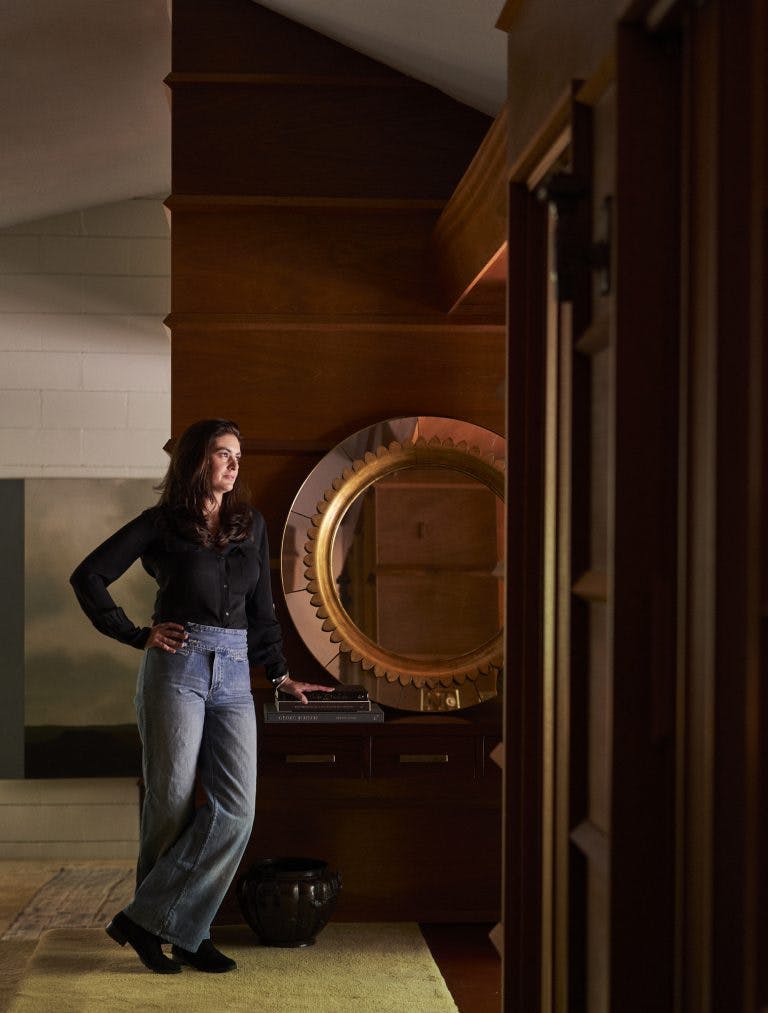
Welcome to today’s episode! We’re really glad to have Sarah Magness, of Magness Design, with us today. Eight years ago, Sarah hatched as a ‘baby designer’ and launched right into the luxury market.
Today she talks to us about the real-life experience she gained during this time, before opening her own firm. She also talks about the “New Heights” program at Marymount that she came to spearhead through her involvement with the Institute of Classical Architecture and Art. And today we also have an excellent conversation with Sarah about the best way to talk budget with clients. This is often a really tricky area of business, so listen in to get Sarah’s very straightforward and clear advice.
Magness Design began in 2010 with a focus on residential design. It is located in New York City and its current focus is on the preservation of historic properties, by saving them and making them livable. Their major projects are in New York City, the Hudson Valley area, and on Long Island.
Sarah received her undergraduate degree in Architecture from the University of Texas at Austin and her graduate degree in Interior Design from Pratt Institute. She is a House Beautiful “Next Wave” designer and she’s also been featured in Architectural Digest for a very large townhouse project that she saved and renovated. Listen in to find out more.
Show highlights: Working for three or four different design firms is a great way to learn the business aspect of running your own design business.
The different people that Sarah first worked for, to gain real-life experience.
The type of apprenticeship that architecture undergraduates are required to do.
Sarah’s recommendations for getting to work for the best firms, after graduating from school.
New York has a really supportive and talented design community.
Budget is always an issue with clients.
How Sarah approaches budget conversations with her clients.
How to estimate a budget for your client on the spot.
The importance of having really clear communication with your clients.
It is often the clients’ choices that cause a project to go over budget.
Giving the client an itemized list with the cost of each item on it.
How to talk to your client about going over the budget for certain items.
When and how to discuss fees with a high-end client.
The language to use in order to get the best response from clients when dealing with multi-faceted projects.
Sarah discusses the passion-projects that she’s involved with.
Sarah has created a twelve-minute documentary called The
Town Home, about a seven-story
1911 New York townhouse renovation project that she did.
Other episodes mentioned on the show:
Andrew Suvalsky #28 Christie Leu # 182 Dr. Ellen Fisher #71
Links: Website Instagram Facebook Twitter
Reference: Click the ICAA organization link find your local chapter.
Hosts & Guests
Transcript
Welcome to a well-designed business.
My name is Luanne Igarra and I'm so glad you found this podcast.
Together with my husband Vince and our partner Bill, we have grown our company Windowworks
from the ground up.
So I know and I understand the challenges you face in running your interior design business.
I also know that your talent alone isn't enough to ensure your success.
So on this podcast, we talk about strategies and practical steps to help you grow your business.
But make no mistake about it.
We have our share of fun here too, mixed in with those aha moments that I love so much.
This isn't fluff, nobody has time for that.
Whether you are a new interior designer or a seasoned designer, I am here to help you
create and to manage the kind of interior design firm that you dream of.
It's straight talk and it's action.
Are you ready?
Let's get started.
Hi, welcome to a well-designed business.
Before we get into today's episode, I want to let you know that we're doing something
a little different over the next several months.
We're bringing back the most downloaded, the most talked about episodes from the last
nine years of a well-designed business.
These are the episodes that built businesses.
That sparked aha moments that turned you into an action taker.
Now if you're wondering why we're revisiting these episodes and what's changing with
the show overall, well, I walk you through the full vision in our April 25th, 2025 episode
titled The Big Shift.
What's changing on a well-designed business and why?
That episode is linked for you in the show notes.
Now a quick heads up.
These episodes are airing as they originally did.
That means the music might sound familiar or it might be vintage.
That means the event dates will definitely be out of date that I talk about.
And it also means that any offers that are mentioned may or may not be valid still.
But the insights still golden.
So whether it's your first time hearing this episode or your fifth time hearing it, there's
something in this conversation for you right now in this season of your business.
So here's the show.
I hope you enjoy it.
Hi, welcome to another episode of a well-designed business.
Sarah Magnus joined me today and I for one and very glad she did because in addition to
Sarah being a house-beautiful next-wave designer and her being featured in architectural
digest for a massive townhouse project that she saved and renovated, Sarah and I get
into a conversation today about how to talk budgets with clients and I think you're going
to love her straightforward answers and her advice for this tricky area of business.
Her firm Magnus Design which is located in New York City focuses on preservation by saving
historic properties and making them livable and she has major projects in New York City,
Hudson Valley area and on Long Island.
In addition to telling us how she gained real life design experience before opening her
own firm, she also tells us about the New Heights program at Marymount where she teaches
middle school girls the principles of design and architecture.
Sarah came to the spearhead this program through her involvement in the Institute of Classical
Architecture and Art.
In the last four years the program has been so successful that it's now spreading nationally.
There's a lot to learn in this episode so be sure to let me know either in the Instagram
post for this episode or the Facebook post for this episode what your favorite takeaway
is.
On Instagram follow me at Luanne Niigara and on Facebook at a well-designed business and
be sure to follow our sponsor article.com on social too.
As a matter of fact after you check out their fabulous line of mid-century Scandinavian
inspired furniture and you sign up for their trade program at welldesigned.article.com
that welldesigned.article.com be sure to let them know on social that you found them through
this podcast and maybe give them a high five and thank them for helping me bring this
podcast to you.
Alrighty let me introduce you to Sarah Magnus.
Hi Sarah thanks so much for joining me on a well-designed business today.
Hi thank you for having me.
Yes so Sarah you have a very interesting body of work here you seem to have been hatched
as a baby designer eight years ago right into the luxury market.
You seem to have bypassed that hole I'm going to do every Tom Dick and Harry in my neighbors
you know guest bedroom for free.
I did it a little I'm not going to I had small small instances of that but I was very
fortunate to have the opportunities to have projects that really were very intensive long
but also very exciting to work on.
Okay so let's pick apart a little bit about how that came to be.
So the thing is that coming from your background in both an architecture degree and a post
degree in interior architecture when you first started to work you didn't necessarily go
out on your own you you went to work from some some firms in the beginning if I understand
it correctly is that right correct correct okay and were they architecture firms strictly
or interior design firms how did the beginning go for you.
So when I was in my graduate program at Pratt I had a really amazing thesis professor
that gave me some amazing insight into initially having my own firm and as most people know
that's sort of the best way in business to be profitable.
So his suggestion was to work for four or five different firms of varying sizes to you
know get real life experience to see what scale of a firm I may want to operate as one
day but also to see how they operate their day-to-day you know tasks of how they run their
business how they communicate with clients and so forth.
So that's exactly what I did and I worked I focused mainly on architects that had a similar
background to me educational wise so almost all of them had backgrounds in architecture
but focused more on interior architecture for a profession.
Interesting okay so I love this professor I love this professor at hello right because
that's so true is to come out I mean we've had interior designers on the show that recommend
spend a year working at retail you know whether it's a furniture showroom or a kitchen design
showroom or something but also for this professor to suggest that you work at specifically
four or five different size firms so that you it's like doing reconnaissance it's like
and truly what it is I see if you agree it's almost like the completion of the art of
the design education that the schools are not able to do because they can't keep you
there for eight years right yes correct and I mean most students that have an architecture
background they have to go through an apprenticeship I like to call it worth you know they have to
follow with national guidelines they have to file with NCARB as far as just you know filling out
it's sort of a time sheet of all if there's 16 categories of components that you have to accomplish
and have signed off by by your superior in order to take an architecture exam and interior design
doesn't necessarily have that type of program so I was sort of trained initially to focus
in that way and and work with different architects and study under them so that I could eventually
go out on my own so the thing is now that's that's interesting like obviously with architecture you're
describing you have to do this sort of apprenticeship but an interior design that's not a
requirement and so we've had interior designers that go out right from school onto their own
for crying out loud we have interior designers that put a sign up and say I'm an interior designer
right but I love that again I'm gonna go back to his advice because I remember when I interviewed
Dr. Ellen Fisher who at the time was the dean of the school of New York school of interior design
I said to her why don't you teach business why don't you teach interior designers you know
how to run the business how can how can you leave such a gaping hole in the education
and she straight me right out she said to me Luan we have to teach commercial residential you know
sustainable floor plans sourcing like she went through 90 things that you guys have to learn
in a interior design course for your course and she said we just can't get to it she said however
we do always recommend that the students go and work for other firms before beginning their own
firm even if it is only for a couple of years to try and learn that business component and so
this man's advice took it a step further he said for four or five years okay so I love it I love it
and so what happens now you have some pedigree you didn't just go out and work for Sally Smith and
your designs here no no I was very selective on who I chose to work with because I admired their
work and I wanted to you know learn from the best so when I first came out I worked for really
big architecture firm called Corrigan which was international firm that you know it was great
just to get exposure to see kind of big big scale projects that I could be working on but then
decided to focus more on residential and began working with Deborah Burke who I really admire
and love she's a great boss great person so she was very supportive of me and and then when
it worked for Benjamin Noriega who's also an amazing mentor to me and also Christopher Maya who
is a true decorator and introduced me to a world of the decorative arts that I would have never known
without being sort of boots on the ground with him to visit all the different stores and vendors
that exist in New York City to be exposed to that so very grateful to all of them that's a
terrific like I said that's at some pedigree there and the question I have for you is somebody
listening who's getting ready in the next year or two to graduate from architecture school or
interior design school or something and or even is out there now and a year or two in the industry
three years possibly how do you get a position at a firt like so I understand how possibly getting
the second third and fourth is easier after you have the resume with the others but that first
one is it is there any magic trick there is it I was you know straight A's in my class or I just
was persistent or I actually had a friend of a friend look what happens with that well in the
residential world it's not as intimidating I would say to interview for prospect job I mean in
the architecture world interviewing for big companies I mean most universities have career day
I know for instance at Notre Dame University of Texas Yale New York School of Interior Design
RISD have amazing career days where a lot of very high-end residential interior design and
architecture firms participate so it's I strongly suggest that you know you make your appointments
to meet with the firms you should study the list of firms that are participating before they arrive
because it's being you know my own business owner now it's it's very nice to interview
future prospect employee that actually knows my work right are you know understands the way I work
what my interests are as far as my work so you know I don't necessarily think it's very hard to
get your foot in the door but you have to do the due diligence of you know studying different
firms that you might be interested in and really just picking up the phone or emailing them
could really go far okay you get in so the big advice there is if you you are in school and have
the opportunity to do the career day don't you know pass that off that day and you know go to yoga class
right get to the career day number one but yeah but the thing is what I hear what you're saying too is
and they say you know this is the advice for every person interviewing for a position is to get to know
the company and the firm but the idea is that for you you appreciate now on the other side really
having more than just a passing understanding of that firms aesthetic they're what their culture
is what they're designed you know in print is and so forth like that is that right yes very
and residential design is so personal more so than I think any other facet of interior design
so it's it's it's you need to have a connection with the employees that you have
how many in these other firms so the first firm core again is big big firm Deborah Burke how big is
her firm diverse about probably 35 employees now whoa okay that's a big firm and how about Benjamin's
firm Benjamin's about eight okay yeah I thought his was smaller and Christopher Christopher's three
okay so much harder to get in to be picked at Christopher and Benjamin probably okay not that
Deborah is a walk in the park I'm sure she has high standards and so forth but when you have 35
employees and probably a dozen or so our combination of juniors and senior designers there's a
little more wiggle room there but these other guys are probably really only narrowing it down did you
spend a year two years at each of these places what did that look like I spent a minimum of a year
and a half at each place so Deborah I worked for her year and a half Christopher I was with him three
years and Benjamin I was with him for three now this is a funny question that occurs to me is it
weird to leave a firm like Deborah's or Benjamin's or Christopher's in that especially one and a
half year period is it or are these individuals that know that they are bringing in new younger
talent and they're going to you know move them through their system and constantly do that like
is there a culture because I know I've talked to Andrew Svalsky he was episode 28 he worked for
Benjamin Noriega and he just raped about this man as a mentor and he what I particularly remember
about the conversation that Andrew had when he mentioned Benjamin he said that he personally
was starting to feel a little bit like maybe it was time to go on his own and when he went to
broach the subject with Benjamin Benjamin just looked at him and said why are you still here
it's time to go he said you know go fly you're ready and so what what is that like this is Deborah
Burke's firm the same or hers you she hopes or thinks I know you don't know what you can't answer
for her but you don't want to talk about the culture yeah no the culture is for bigger firms yeah
there is a turnover rate in that way because there's many people like me especially if they come
from an architecture background where they're learning from the best and being in York you're
surrounded by a huge pool of talent so you're also being sought after by other firms so it's it's
definitely part of the culture it's understood for the larger ones the smaller ones it's again
much more intimate and your relationship with your superiors and your bosses you know you create
more lasting friendships you know with and connections with the people that you work with so with
Benjamin it was a very similar story as Andrews in that the first day I walked in the door Benjamin
said to me Sarah if you work for me longer than three years I taught you nothing and uh you know
that sort of took me by surprise yes but I remember when three years came up I sat down with him
again same as Andrew did and I said you know I have this possibility of a project but I don't want
to take it you know if you don't think you know and it was more of a dialogue of really just saying
do you think I'm prepared and ready to do this and what was very supportive about Benjamin
into the stay because I see him on a regular basis is that uh he said Sarah you're ready but he's
like if it doesn't work out you can come back so you know I didn't have the fear of you know you
have your your normal fears of just you know starting something new but like I didn't it wasn't it
wasn't like I was jumping off a cliff and hoping to land on my feet you know it was just it was
there's a lot of support in the design community especially being in New York as long as I have now
uh it's really an amazing community of people in New York that support everyone that's uh can
you think about that now Sarah how do you feel about that now that you're been running and
building your own firm do you because that is a I what I'm hearing I have not met Benjamin
Norega yet and hopefully one day I will but he sounds like his particular mission in addition to
creating beautiful spaces for his clients but that he has this dual mission of mentoring teaching
and kicking out of the nest young inspired talent and so that's a different mission than somebody
who had could be everything equal at the same level of notoriety same level of talent same level
of years in business but wanting to keep their team with them for 10 and 15 in 20 years two different
points of view right what where do you fall for me based on just where I am in my business right
now it's definitely you know if the right person came you know for that type of partnership
you know I would definitely embrace it but I'm just not at that scale yet and my clients are
much more hands-on they want to especially in residential they want to spend time with me
so you know it's sort of a balance and it is it's a constant dialogue amongst my peers
and particularly in architecture because it's much more common to have partnerships and
architecture than it isn't interior design so it is a constant dialogue yeah no I have to say
I think that's an interesting it like I said the second time if there's two of you that I've met
then there's probably three dozen others that Benjamin has brought in mentored and said
that same sentence too if you're here in three years then I haven't taught you anything which
and and and being a business owner for almost four decades I I I am very interested in mentoring
in teaching too but I love it when they stay and grow up and then become you know my equal sitting
next to me doing it as well as I do and so many things better than I do and so I don't think one
is right or wrong but it is there is a different mindset as the business owner of what your mission is
when you meet your your next new employee and so I think that's very interesting and and gracious
of him to always have the um thought to teach you as much as he can teach you and then send you on
your way exactly so but here's what happens when you get sent on your way from as I said firms like
then you are not with your first projects where you are scrambling and trying to argue price and
how many hours it's going to take you actually launch your firm at this luxury level you just take
everything you've learned from these four or five firms and of course it's almost you know
ten years that you spend doing this yes yes right you're not brand new when you leave and start
your own firm so I love that too um what happens Sarah when you do so you have the chops you come out
you have this eight or ten years plus your two degrees you have as he said that you're you're ready
he said you can do it and if it doesn't work out come on back but we understand that you have the
technical capabilities and probably you've learned the business side of it as well from this
experience but do you still have to have what had you still have a conversation about budget I
mean that's that's has to happen on every project but the conversation is just about if it's a
one million dollar budget or a two million dollar budget I mean talk to us a little bit about
that yes so I always say in residential uh because most of my projects are between three to five
years okay duration so they're very long because we're doing all facets of design so we're doing
architecture sometimes we're doing landscaping and we're doing interior design and decorating
and sometimes you know lifestyle so yeah it can be you know all encompassing and to you know
take a very long time but as far as budget goes every client is different it's like meeting a new friend
and their personalities are you know their own and you know you as a business owner you you
know you adapt and understand their their nuances and who they are and budget is always the first
one of the first topics of discussion and the way I approach it is to really you know sit down
talk through uh more from an architectural background the phases of design and because a lot of
times clients don't understand the vocabulary the definitions of certain terminology within the
design world you know when you talk about design development schematic design construction
documents you know bidding all of this thing so I kind of really break it down for them uh in my
initial proposal to them uh based that includes you know my fees and whatnot so that they understand
somewhat of the the vocabulary of design uh so that they don't feel as intimidated by the budget
and I try based on their scope to give a estimated amount of you know timeline for how long certain
aspects will take it's not a guarantee of course because people change their minds
right and you know you may be like well you know I don't really like that anymore let's think about
this so um you know that's part of the process as well but I really try to keep a very open
dialogue but also to educate my clients uh just about the process of design you know it's kind of
if you think about it if you're going in for surgery you know for procedure you want your surgeon
to explain the whole process to you so that you're even though you're asleep during the whole
thing you want to know that you know you can go in saying okay I know this is going to happen
and I'm going to come out and I may have this feeling I may not but you know at least you're prepared
and I kind of approach it the same way I love that I've used that same example on the on the show
before I love that example and I think that is one of the places that an designer misses makes a
misstep and sometimes when their lesser experience is knowing that you know what is going to happen
that you are going to have a design development segment you're going to have the schematic design
segment you're going to have the drawings and then you're going to put things out a bit you know it
but we don't know it we as the consumer don't necessarily understand each detail and each
what what goes into that section of the project what goes into that section of the entire plan
and I know that when you get to the level with as a designer where you can confidently describe that
to me without talking in circles and without losing me in the conversation then I already
trans start to transfer my trust to you because I feel in here that you know exactly where this is
going and then secondly not only do I start to transfer my trust to you but I start to value you
and start to think oh you're probably going to cost some money but that's okay because you sound
like you know what you're talking about right so I start to get over little hurdles and then
of course we do have to get to what exactly is it you know projected to cost and so forth like that
and so did you were you in your time that you spent with these other firms where you must have
been able to be privy to these presentations where the topic of budget comes up so that you you
gathered a confidence of in the flow of discussing it oh yes definitely right I mean particularly
with Benjamin you know because it was always you know you're there from the get go usually from
the first initial meeting to the end okay so so here's what happens when you are a newer designer
and you don't have pedigree like this and you don't have the the luxury and the ability to have
worked with firms that are really as you said top of the game and executing it you know as a system
each time this is part of the thing well oh well how much do you think this will cost well I don't
know how much it'll cost you know it could be between a hundred and two hundred thousand dollars
for this renovation well a client is not going to sit with that that's just too gray for them
so how do you when you're dealing your projects are much much more expensive than that
how how would you suggest and advise a designer that is not looking at say simply a room but maybe
a home and maybe it is not architecture but it is the design plan maybe so the home is being built
you're working in unison with the architecture and the builder and then your part is the designer
and the homeowner looks at you and says okay this is a 6,000 square foot home what's my design
budget gonna be what do you suggest how do you suggest that get handled so first off what I would
suggest is ask what the construction budget is okay because it gives you a precedent of their level
of quality okay for whatever there if it's you know a pool house or a house whatever it may be if
you're saying a 6,000 square foot house then if you understand the budget for construction it's
going to vary obviously on region but the price for a square foot is a good way to sort of
start engaged with the clients level of quality is okay and from that in my experience the
interiors budget ranges between 15 to 18 percent of the construction total of what you would spend
on furniture okay and you know again that's also there's going to be in my in my business
particularly there's clients that they want things that no one else has they want bespoke
the spoke pieces that are designed specifically for them and they understand that comes at a
huge premium but they want to pay for that and and that's different you know so yours might be
25 or 35 percent of the construction budget or even possibly higher yeah but that's a very good
way to gauge you know just if you're asked on the spot I love that if you like okay what's your
price for a square foot okay now I can estimate that you know 15 20 percent gauge of what that's
a very actionable tip thank you Sarah I have to say I love that because for somebody that
his first time experiencing that that gives them because what happens typically when your first
time experiencing that you're doing this whole dance of well I'm not sure and how do I know if
you're going to pick courts or horrible if you're going to pick you know this or that and what happens
is is that is all absolutely true the designer does not know what they're going to do but I love that
you have this this very specific way to estimate it and the simple fact is is is that it does what I
said a moment ago when you come back with a direct answer from a question it it instills confidence
and portrays your value it's like oh she knows what she's talking about yeah okay awesome I
that's that's I love it and I also feel that clients you know budget as we're talking about it's
always a huge issue with every client um they may say they have you know they have a large
budget but then you know everyone cares about their dollars and cents so right it in the end
what's important is that they have one number in their head you know they add up everybody
yes and they say I'm going to spend X right and you as the interior designer have to realize that
you're just one of the line items within that big number and you know I feel that clients when
when you articulate to them that you understand their one number balance and that you are a part
of that and you know to break it down almost almost like a grocery list of you know what needs to
be done for the house they they're much more receptive to accepting you know things that may
cost a little bit more but it will enhance the house and you know also the client specifically
to who they are so um you know I think it's important to kind of really look at it from the full
picture of the process of design and who else is involved to get it done so what you're describing
if I'm hearing it correctly is ultimately understand what their one number is so they might just
start out with what is my budget for what do you think my budget should be for interior design
you come back and you say well what's your budget for the overall construction you calculate 20%
of that throw it at them if they give you big eyes right then you might say well what what was
your one number what was the number that you expected to spend on the entire thing you know and
if it's a minute and a half above the construction budget then you can easily tell them they're out
of their mind like how can I furnish a 6,000 square foot house we have to be realistic right yeah
and that's the thing is like you know everybody's it's there art of negotiating so you know no one's
no one's going to want to tell you well I want to build you know I want to build this house for
three million it's like you know it's really a five million dollar yeah so you know it's a
conversation of understanding that as well but it's like look you know you like in a residential
you can have these conversations it's like you know you want really nice things you you know appreciate
these finer things and to do that this is you know this is the time that's going to take to get
those things and this is what they're gonna cost and you you know in my experience I have real life
examples of projects you know based on square footage costs of what things are and they can see
photographs of the quality of work and walking it through them and you know most of the time they'll
get that you know I have a project now where the client came in really under budget and we've
tripled it so because they want nice things and you know it it happened that almost every project
I have the budget goes up because they enjoy the process of design and they want to make their home
specifically if it's their primary home very special the difference between going over budget
because the client is making choices along the way is very different than going over budget because
you have not respected the budget right so you what you're saying is that they have their one number
you pitch them the 15 or 20 percent it's either agreed or they're gonna negotiate back and forth
but two things are happening if you tell them it's approximately 20 percent and they say that that
pushes over the overall budget then the discussion is well based on the portfolio that you've seen
of mine this is what I expect it's not going to look like this I don't think this is realistic
you know where can we move what can you do and of course they'll probably reach for it but then
when you have this budget in mind as you go through the process Sarah if something that they describe
to you is something they want and you know that's gonna push start to push the budget and now they
push the budget in one day and they push the budget correct me are you saying to them listen to me
I love these things that we're doing I love these things that we're creating together but this is
hitting this is going to consider we keep pushing the budget are you good with it yeah you keep
getting the agreement right oh yeah I don't buy one single thing until I get the deposit for
no but that's different than yeah see that's different than apprising them that we budget it's
a hundred and fifty thousand dollars for this kitchen and this is going to put it over ten thousand
dollars are like in other words just having the deposit is different than advising them when
they push the budget you do that correct no yeah because I you know was through my bookkeeper
and accounting they're they're updated with one a preliminary budget to start and we'll have
placeholders for items that we necessarily maybe haven't selected right but they have a pretty
solid full budget of every single item that is going to be purchased for the house initially right
so they can see again back to that grocery list of ideas like okay I have to buy you know
fifty lamps and you know a hundred throw pillows and it's you know when you really knock it down
where it's itemized that way they see the amount of quantity that's needed for their house
and then it becomes a discussion well okay the guest room you know I don't need to buy a higher
in quality furniture that I can buy that maybe from a catalog and you know that dialogue begins
for things that maybe aren't as special to them are as important to help you know monitor
the price of the budget but it's they're very much a part of the process
on everything that's being purchased for them they know right I just what for me it's so funny
because designers are constantly having the conversation using the words transparency
I want to run my firm transparent and when they say that they typically mean I want to give all
of my net profit on cost of goods on goods that I purchased to my client and what my thing is is
transfer that transparency to the conversation of you've decided on a fifty thousand dollar budget
for the master bedroom and when the bed they select pushes it to sixty five thousand don't just
put the invoice in front of them and say oh if they paid it I guess they get it it's put the
invoice in front of them and say this pushes the budget over fifteen grand do you want this bed
or do you want me to select another one that's the transparency that I would like to encourage
you know and I think obviously with an experience season designer that's not a problem but when
I'm learning and finding through the coaching that I do is that a lesser experienced designer
has a problem saying that and I'm always trying to get across why on the beginning it's a choice
on the end it feels like a put upon right yeah no totally okay I don't know if it's I don't know if
it's for younger designers they are you know I mean money is not something that's necessarily
very easily discussed within the interior design world you know we're we're more artists than we
are right business people so I don't know if it's the intimidation of losing a project you know
when upsetting a client because especially in residential you're just you are very close to the
client but it's you know you have to sort of step back and look at it from you know they they
selected this you know because of their aesthetic not because you selected it saying you know I
wanted I want to push something that's more expensive you know unless it's something that's like
you know this is going to make a huge difference to the space if we choose this and explain why
but yeah you can't you can't be timid in that way no because it doesn't the thing is if you're
you're to use your word timid if you're timid about the conversation you're timid about
the if they're going to be upset if you're timid about any of that I promise you they're all
they're going to be all of those things if it's a surprise after the fact yeah the choice beforehand
is simply a choice so as you said it's like this bed I believe will look good in this room because
of these reasons these are the reasons I love this bed for this room however here's an alternate
or here's the bed but we're going over budget and I always just am trying to express that that
conversation beforehand is not a dramatic conversation it's do you want mayonnaise or mustard
that's what that conversation is after hand it's it's tough now I have one other question because
I know I'm going to get an email if I don't ask you this when you described 15 to 20% as the
range for the interior design of the home is that cost of goods is that include your design fees
is that a complete estimate of the project okay I know it's only it's only goods it's cost of goods
okay so and and so how do you in that conversation Sarah then say and I expect my design fees to be
XYZ or is it not possible in that first budget conversation how do how does that get handled so
that's it's a you know that's the more moving target number at least in my business because
my projects are so long the way that I operate is by the hour so I charge like an architect
I don't charge like an interior designer so I base the client and you think like you're almost
being charged like an attorney in a lot of ways you know so you know as much time as you need me
that's how I'm billing you and I do a again an estimated proposal of based on the scope at the
time when we begin of what I think it's going to cost I'm pretty accurate at doing it now because
I've done it a long time again it ranges based on some of its based on the construction cost but it's
also the client you know each client is different some clients really want to be involved in the
design process so they want a lot of your time then I have other clients or they're building their
fifth house and they've done it a hundred times already and you know they don't need to spend
them much time with me so it really varies on the client too to know what their needs are so you
have no problem and I love it so what you're saying is if you've had two or three or four meetings with
the client prior to signing the contract and you can see that this is the client who is going to
require more hours you simply tell them you know if you've thought the project would take I know
that this is you said multiple years but say it's going to take 80 hours a month you'll look and say
this place this one's probably going to be a hundred hours a month so you just simply tell them
100 hours a month yeah right I love it I love it and then the person who is like you said on their
fifth house and you know that they're just going to phone in their selections and have two minute
emails with you you can say this is going to be it's pretty straight forward yeah okay okay
yeah do you do you give them and I do you do you do that do you say estimated hours per month on your
project or do you how do you how do you explain it to them it's by phase okay okay going back to
that developing phase in the schematic phase okay so I you know I try because there's so much
being thrown to a client you have to realize and I don't know many interior designers really
understand this that a client is receiving when they're building a house tons of invoices
tons and tons and tons of invoices so your language needs to you know basically be similar to what
language is being received from the general contractor from the architect from the landscape
designer you know if you're if your invoices are similarly formatted to the way there's are it's
going to be much easier one to get paid on time and two that you know they're not going to feel
that they're you're completely different entity then all the other components that are coming
at them so you just you know I think it's just being you know sympathetic to the fact that the
client is is you know they are the end all so they don't they're not just talking to you they're
talking to four or five other you know contractors as well I love that analogy no one has ever
expressed that before on the program where you're saying is if you really truly this is of course
we're talking about new builds right so yeah even renovations right okay right project that
includes construction right but I mean the thing is that so even if we go back to the conditions
of there's a separate architecture firm building firm and yourself what you're saying is have a
thorough understanding of what each of those firms are doing at phases and sort of align your work
within those phases now of course we know that you are physically aligning your work with those
phases we know that as a professional you know what you're doing in each of those phases and you
can't do this until that is done by another trade but the point is that in the presentation
I hear that that makes it so easy so if I am the consumer and I've had my meeting with my
architect and he said that in you know phase one will take four months and these are the things I
expect to happen and the builder says in phase one these things that or what I'm going to do
and you come in and then yes you can go home you can look at it and say all right all three of
these people are going to need money for me at this point they're all going to need money for me
at this point and it lines up and it makes sense and it lines you with the professionals right so
now you're not just the designer on the job that's getting sidelined and feeling shafted by the
project I we had a conversation one time and think it was Christy Lou who described how she
has such a great relationship with the architects and the builders that she works with and that
there really are the three legs of a stool as opposed to very much as opposed to being sidelined
and marginalized by the other trade and so I love that that's such a see what I like is the
actionable way where you can visualize it in your mind during the period of your business where
your confidence isn't quite there right Sarah so before you actually have the confidence
it's so helpful to know the way and to know what you're striving for because you say it once and
it feels a little shaky you say at the second time it feels better and by the third time you're like
this is how it works in phase one when you architect and builder are doing this I'm going to be doing
XYZ exactly love it I love it okay awesome well I appreciate you're letting me pick a part
budgets for a little bit because I know that every designer listening could listen to a budget
conversation every week because it's such a hairy you know topic and everybody has a different
idea and approach and we usually can get one awesome nugget out of each of you so thank you for
that what I want to do now is talk a little bit about some of your passion projects that you're in
you are very involved in the institute of classical architecture and art and they have a campus
here the will they they have an outreach with with Marymount schools here in New York City right
and they have a program called speaking I'm sorry a program called new heights which you were
involved in starting this program is my understanding is that correct Sarah correct so tell us about
so the initial idea started a little over four years ago Peter Lighten who was the president
of the ICAA it was his idea to introduce architecture from a classical tradition to students
and specifically he was thinking you know first year high school middle school students
and he developed a relationship with Marymount and Kapucine who is the headmistress there
and she was very excited about the program specifically because Marymount is an all-girl school
and when Peter approached me with the idea I was very excited because I knew I wanted to study
architecture when I was in eighth grade so it was very sentimental to me and I said you know please
please engage me in whatever you know capacity you need me and so I was really involved in the
initial meetings to develop the curriculum and it was great because we were focused more on their
age but also what we could do to introduce architecture to you know 13 and 14-year-old girls that
live in New York City and the program this is our fourth year doing it and what's so successful
about it is that it's now in five other ICA chapters nationwide so it's really blossomed and I have
my first year students are their seniors now that have applied to architecture schools how many of
those students are actually because that's you know one thing when you bring in a program like this
to a school for an eighth grader it's one thing to be okay I'm this is a good interesting but
doesn't mean you're going to pursue it as a career how many are you aware of are actually going
into architecture as a career there's four four from my first class yeah out of there were I
think 45 students first year so it's just really exciting to me and mainly it's just you know
being in New York City you're surrounded by architecture specifically classical architecture
and I really want you know girls to walk the streets and understand what they're seeing and knowing
the history that came through yeah and did any have you had the opportunity to speak with these four
or you're just aware that they've applied to schools that have architecture. No I um their
Kapasin had sent me and Peter their emails their parents have reached out to Peter and myself
another for teachers within the program just how much you know they benefited from it so it's
influencing yeah well I'm going to tell you what I don't care if you want to be an architect or
you want to be a lawyer or you want to be an office coordinator your whole life the point is that
when you know it at a young age and eighth is eighth grade is awesome but when you know it going
into that secondary school that college level experience it just is so much nicer for the the
student to have it and even if you switch your second or third year it just gives you some focus
so tell us a little bit about what the girls are experiencing in that intensive week.
So yes so the first year again it was um over a four and a half month period just because it was
the initial uh start and uh you know understanding the girls normal school schedule of what was
required uh you know it was sort of set to that platform but as the years progressed uh the last
three years we've done it in a week intensive and it is it's collaborated with their normal math
and science art classes that they have and they also have free time within the Marymount curriculum
for studying so we you know work alongside that as well but um what we give them besides learning
about the history and some of the math incorporate it with architecture we give them a project
and at the end of the week they select what their project is going to be and every year it changes
most of the time we give the option as well to create your own project based on what we've learned
and the majority of the students choose to you know design their own project uh and then they
presented in a science fair type format two weeks later okay and uh for instance one of the girls
that uh they they're in teams of three and one of the teams wanted to they wanted to design their
own project and we were studying the domo and Florence so uh they wanted to create a model out of
plaster uh of the domo and how it was constructed and i with fascinates me so much about
this program particularly is one how quickly the girls absorb the vocabulary of architecture
and that they can present a project uh to a jury of architects and interior designers
and their fellow classmates of their project is astounding uh but they're so well designed and
articulated uh in their presentation it's it's fascinating so it's they're very engaged and
very excited about it and that's interesting and so this the institute of classical architecture
in art are they are there chapters all across the US are they international what's the what's the
because i'm imagining somebody who might be connected with their middle school and think i want
this in our school so the first thing would to be to reach out to the ica is that correct correct
yeah the national chapter is in new york but there are i think there are 12 nation wide chapters
and in every major city okay so they could they could just google the ica uh organization and find
their local chapter and it's not international no okay okay so there's probably other entities
that would be appropriate internationally okay i mean so fun so they they have this weak intensive
all of this in education the immersion into the language the immersion into the different
facets that go into architecture they they get assigned well they could choose or assign a project
two weeks later they bring it back and they present it to everybody i can imagine the beaming
faces right i mean oh yes it's so fun and you know their parents come the fellow classmates and the
lowers you know sixth seventh grade come uh it's it's really amazing and then you take a week out of
your life basically to put it your business and your life on hold in order to be a part of this
classroom experience for a week you probably have many hours that you're there during a day
yes yes but i enjoy it yes what i love yeah and so you just account for it in your scheduling
and in your project development yeah exactly awesome i love it so exciting what a great thing is
it the type of thing sarah where listeners in the new york city area could volunteer to be part
of this or it's a set thing we don't call us we don't need you no um then with uh because of
educational requirements i mean they're the teachers that are selected um you know are part of
the ica community um if people are intrigued by it and want to be a part of it you know the best
advice i would say is become a member of the ica and uh you know start there express yeah express
your interests start there and then you have the credentials to possibly teach if you're
interested and if not there's i'm sure there's a thousand other ways to help and support the
programs exactly awesome very good very good well i really appreciate you're joining us today sarah
and thank you walking us through i i have to say i just before i you go i just do want to give a
shout out to this documentary that you created this 12-minute talk documentary called the townhome
and it was a project here um in Manhattan where how many stories was this townhouse seven seven
floors that you gutted from top to bottom and you really go through the process and show the
you know how it happened with yourself and you're you're the partner team of the builder and the
architect and it really is something else good for you thank you yeah thank you so you can see
that on sarah's website sarah would you tell us your website please uh yes it's magnus design
so it's ma g n e s s design dot com and right there on the homepage you will see the video there
and you can really see the um you know the magnitude of this renovation this thing was how many
years old is the townhouse uh we completed it in 2015 but but it was built when when how many we
started in 2010 no i meant the townhouse itself the original townhouse it was originally built in
1911 right right right right right and what i liked listening to the watching the documentary was
how you gave thought to what would be in this home you didn't just hey we're gonna make a crazy
pants right you you honored the history and the architecture of it i thought it was also interesting
how in order to break it down you have to shore it up so that the whole thing doesn't collapse
exactly it's a lot of details it is it's a lot a lot of moving parts a lot of people i think in one
time there were you know 50 people working inside the building so that's insane i mean that's
that's beyond a typical renovation project i'm just saying yeah no that's that's major major major
yes but it's very uh at what point did you did you have the idea when you took the project on from
the beginning that you would create a documentary or were you just documenting it and then you're
saying to yourself huh i have a whole thing of a body of video and work here for this
well it was yeah it was interesting because the general contractor approached me with the idea
we wanted to do short clips of videos just to kind of document the process because that was
kind of the direction things were moving in and continue to move in today through video content
but uh he really took it to the next level and brought in uh i mean we had a Hollywood cinematographer
where the townhouse so he's very famous um and uh it was a major major major production
to produce but um glad we did it yes yes it's really really something to watch so i encourage
everybody to go over to sarah's website magnusdesign.com and take a look at it so sarah thank you so
much for joining me today appreciate your time no thank you very much
how much did you love that budget conversation right i mean so many little nuances there to help
you navigate that conversation like asking what their construction budget is and using a benchmark
of 15 to 20% for a budget number so good because it is important for your client to wrap their brain
around something okay we can't always just say i don't know i'm not sure there has to be a number
because the client can't make even a decision to go ahead and move ahead with you or not and i
know that you guys are always saying they have to tell you the budget okay but it is sort of a
two-way street okay the other big strategy here is that ahead of time that you
purposefully intentionally sit down and make the master list of every item that could possibly
go into a into a room and then you do it for every room this is one of those things that takes
time to do something that you have to time block in your week to do probably over several weeks
but it's the kind of thing that once you do it it's done right so sarah said take a living room
you have two lamps five hundred dollars one sofa four thousand dollars two chairs two thousand
dollars one area rug five thousand dollars one coffee table two end tables one floor lamps six
throw pillows right two pairs of drapes with fabric and rods you know you see what is what she's
doing here she's adding all that up just at a basic level and what happened that's about fifteen
thousand dollars right there and we haven't done any art or accessories okay so what if you were
to do this for yourself then when the client starts talking to you and says well what could it run
you could have an idea and i would suggest that you do it for different levels so if you are in
currently doing entry level design and you're obviously and possibly striving for mid-level design
right then you would do for your entry level and then the stretch level and it's the same thing
if you are mid-level striving for for luxury design you would do you know a good better best or
if you're at the already the mid or high level you do better and best okay so whatever works for
you all right so like if you're at entry level it might be that the area rug in the item is twelve
hundred dollars instead of five thousand dollars and maybe lamps lamps are a hundred dollars instead
of two hundred and fifty dollars but if your luxury maybe that area rug at better is ten thousand
and at best it's twenty five thousand okay so the thing is it really doesn't matter where you are
or where you are heading as far as the level of your design it matters that when you are asked you
can confidently express the range that it could potentially cost to design a particular room all
right and the other thing is you could also create a mood board to go along with one or two of
these room budgets so that when you're explaining it to a potential client you could actually show it
to them and say with a living room like this you can expect it to be fifteen to twenty thousand
dollars and then add art accessories and yada yada yada or you could say with a living room like
this you can expect it to be thirty five or fifty thousand dollars and think about adding art
accessories that might add a blah blah blah all right so it makes sense right I mean I think it does
the bottom line is is when you ask someone what their budget is and they don't answer or they say
they don't know the point is that you need real life strategies so that you can get some clarity
between you and them on it and that's what I like about this because it really doesn't matter
if your client has their budget figure in mind or if they have no idea what it is because they've
never done this before either way this gets you to an opening conversation that is based in something
that you have put together intentionally okay and don't forget how valuable and how powerful a
tool like my doma studio is for exactly this strategy okay you can create a library of your go-to
resources right in your my doma studio which you then can use to create these particular budget
mood boards and then as you go through this each room in this exercise you can create the mood
board to go with it and then just imagine how powerful a presentation like this could be with
your client so you throw somebody throw a number at somebody and say well you know this sort
of living room is going to be $20,000 and they say to you yeah I only had about 10 and what if
you had a $10,000 mood board put together for a living room now I know you're all going there's
no such thing but there there is right like I mean there is and it literally has a sofa a chair
and a rug and a lamp in it but that think about the power of that if you literally had a mood
board that had five items in it and you said you know there's no TV here yet did you notice that
we need another re-grant for the TV so the reality is and the point is is that it makes it so it's
just so plain and hard to argue with and of course I'm being a little facetious with this but I'm
actually not I actually think it's a powerful tool because obviously the newer you are in business
the more you struggle with this conversation but it is also a really great tool even if you're
at the top of the food chain because the mood board for a 75 or a $100,000 living room is going
to be pretty darn spectacular wouldn't you agree and the person that can afford that is going to
want it absolutely so you know that you can use my doma studio for this and the really cool thing
is as you move things into the project then the picture is there the price is there and that little
approve button is there for your client and that all goes down to get the total and gets into
the cart and then you get your dollar bills for doing it so this is how you can use the my doma
studio okay what the thing about it is to always remember that sarah denielle the CEO of my doma
studio is an interior designer this is as they say made by designers for designers okay so sarah
was an interior designer a graduate of interior design school and spent many years in the industry
and her specialty was renovations so she has built this intuitively from the beginning the way
projects run and of course over these several years of building the platform and having many of
you use it lots of the innovations and changes to the platform come from your suggestions and
requests so built by designers for designers that's what it is it's my doma studio dot com forward
slash well designed business okay all righty what you take away what are you going to do I really
do like it when you share it with me in the post on instagram and facebook it's so much fun to get
the conversation going there so I appreciate it when you take the time to do that I also definitely
appreciate it when you take the time to go to iTunes and rate and review the show so thank you thank you
thank you if you have done that for me and if you're on the fence it'd be really swell if I could
tip you over and have you do that all right what's your thing that you're going to do maybe you
think today is you're going to leave me a review maybe that's your thing that you're going to decide
to do it could be right but also I really do hope it's something that will help you run your
business more profitably all righty have an excellent day thank you thank you so much for
joining me again today this podcast is a production of window works your resource for custom window
treatments and awnings to learn how we can help you on your next interior design project go to
www.windowworks-nj.com and if you're interested in working with me on your business either through
masterminds or one-on-one coaching or you want to know how to get my book the making of a
well-designed business or you just want to know what's going on in the podcast land and where I'm
going to be all of that is found at luann nigara.com thank you so much heaven excellent day
More from A Well-Designed Business® | Interior Design Business Podcast
View all episodes →
1185: Kia Weatherspoon: The Cost of Performing Leadership
A Well-Designed Business® | Interior Design Business Podcast
Apr 21, 2026·1:09:41·failed

1184: Geraldine Morrison (NKBA): Stop Guessing—Use Industry Insight to Grow Your...
A Well-Designed Business® | Interior Design Business Podcast
Apr 17, 2026·24:57·failed

