Loading...
About this Episode
There’s growing anger among family carers this week following the Government’s latest measures to tackle rising fuel costs.
While some supports have been announced, many carers say they’ve effectively been left out—despite facing higher energy use at home and mounting bills.
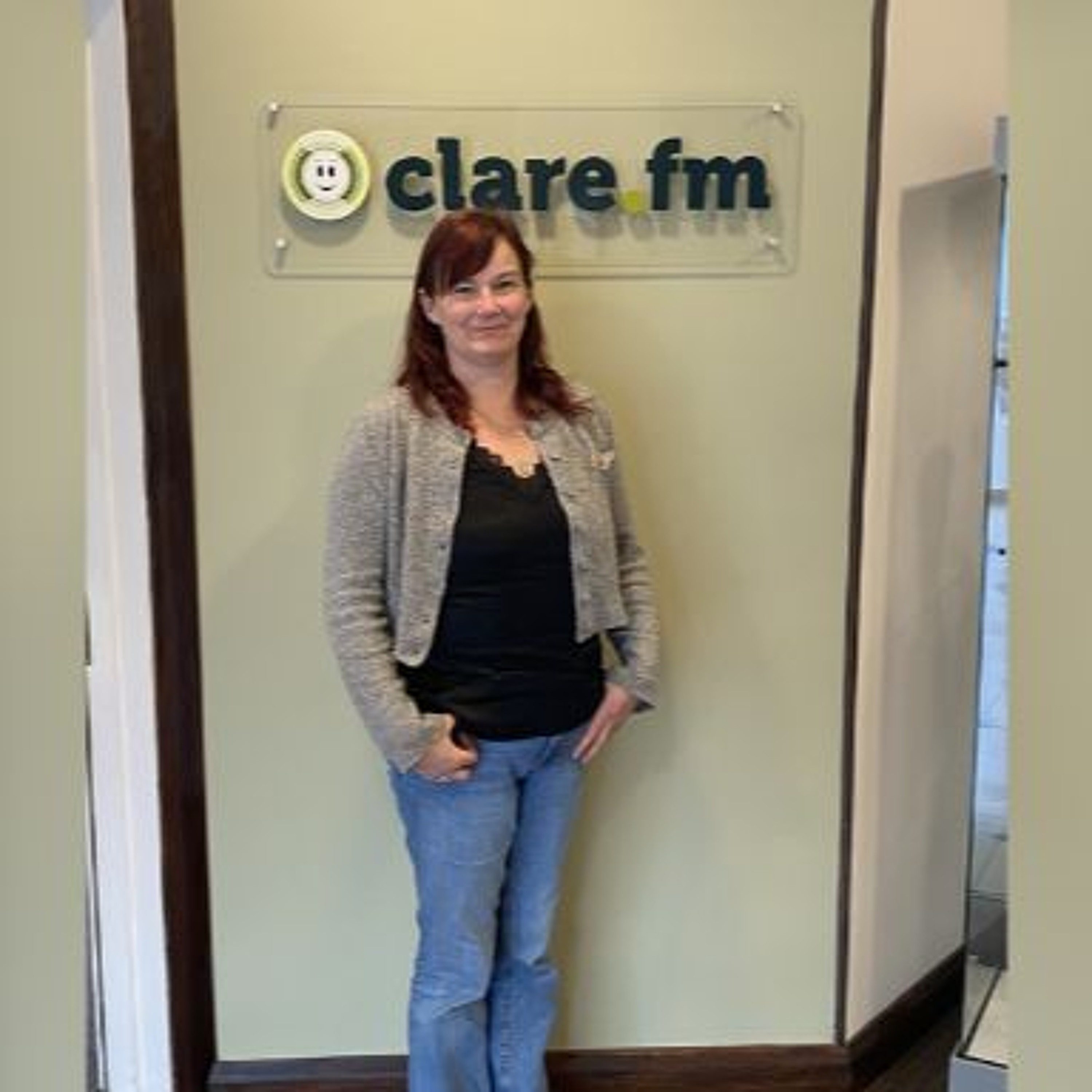
Joining Alan Morrissey on Thursday's Morning Focus to discuss this further was Karen Griffin from Kildysart, who is caring for her two daughters with additional needs.
Hosts & Guests
Transcript
The growing anger among family members following the government's latest measures to tackle
rising fuel costs.
Of course, we were joined about down on the show yesterday by Karl Kroh and Donna McGatagin
II of RTDs and while some supports have been announced, many carers say they've effectively
been left out despite facing higher energy use at home and mounting bills and joining
me now to discuss this in studio is Karen Griffin, a family care of two daughters in
Caldysard Karen. Thank you so much for coming in this morning. Thank you, Alan Favreny.
So the, I think it'd be fair to say, but certainly going on the sample size of the many listeners
who got in touch with morning focus that there was near universal disapproval of the measures
announced by the government, what was your immediate reaction to the energy supports
the cuts they made? It's not enough. It's, it's nowhere near enough. I think when you look
at the reality of the situation, the cost of diesel, petrol, home heating oil, electricity,
everything has skyrocketed and the effect that it has on people, especially the most vulnerable
in society who are the people who need the most supports and they're not given it. They're
not given enough in any way, shape or form. And for the cuts that were made are just,
they're not enough. They won't, they won't have an impact on people's lives enough to actually
help them where they need it, like trying to get to and from places where you have to go,
you have to bring your, your, your, your people who need hospital appointments, who need therapies,
who need everything like that, you know, and you're trying to figure out how, how do I afford that?
You know, and it's, those things, the realities of the situation aren't taken into context at all,
you know, they're just not. And like, it's great to see an effort being made to try and,
you know, improve the situation for people, but it just isn't enough because it's not,
it's not effective. It's just not. And speaking of being ineffective, I mean, I know myself,
I stopped on the way here for petrol. And even with the cuts that were brought in,
the 20 cent on diesel and the 15 cent on petrol, the service station I stopped at,
the diesel was still at 212. And the petrol I bought was nearly 190. So even though they have
seen those excise cuts, it's still, you think back to just four weeks ago. It's still, it doesn't
feel like there's been any reduction. You know, I've personally speaking here and I'm sure a lot of
people feel the same. It just, it still looks like an incredibly higher amount than we would have
paid not too long ago. Oh, it is. Like, it just doesn't, it just doesn't cut it. I mean, there are
areas where they're, they could cut the taxes on petrol and diesel a lot better than they have,
you know? And like paying that sort of price for petrol and diesel when you need to be on the road
all of the time, you have no choice but to be driving constantly, especially when you live
a little bit further out from, you know, any services or appointments or anything like that.
Paying those kind of prices, it's off the wall. It's absolutely off the wall, you know? And can
you give us a sense kind of why it makes, it, you know, it means more to you and it makes more of
a negative impact or has more of a negative, negative impact in you. I mentioned you're a care
for two daughters. Can you give us, I suppose a bit of background to, you know, them and what,
what that entails and I guess how much you need to be on the road, which is why you're really
feeling the pinch. Okay, so they're both, they've both been homeschooled for many years and we,
we homeschooled both. They're both artistic and they have a very rare genetic brain abnormality.
They're actually only two of 10 people in the world, don't have it. In the entire world.
In the entire world that we know of, yes.
Wow, it's okay. That really is rare, isn't it?
So like over the years we've had to travel to and from Kremlin, you know, you're all over the
country basically seeing all sorts of doctors and therapists and trying to get whatever services
you need. But when you put homeschooling into the mix as well, like my eldest daughter is in a day
service in NS at the moment now. So she goes to that every single day and then our youngest daughter,
she's 17, she's full-time at home. So we're, you know, you're talking about getting her out and
about into society, getting her into, you know, doing various different things throughout the day
to keep her busy and entertained. You've got, I mean, what little services there are for people
with disabilities. You've got to get to and from that. You've got to get to and from appointments.
So we're in a situation now where you're looking at, can I afford to put diesel in the car
to take her where she needs to be or, you know, provide for the girls what they need,
you know, in order to function and have a decent life?
And those choices, you know, for some of us, it might be, you know, a choice for you to do,
I need to make this journey to go to, you know, if I place board of an evening or whatever. And if
that, you know, if you had to forego that, that would be a negative impact on your life. But for you
and your daughters, it's not as easy as saying, well, we can't bring them to this particular thing
because given they're both autistic and dealing with what they're dealing with, you're dealing with
what they're dealing with, you, I presume, have to bring them to those. So then those, the,
the, the, the cost or the impact is felt on your home life, be it groceries or in some other shape
before everything. It impacts everything. Like you have to keep, you have to keep your structured
routines. You have to, yeah, you have to be able to live your life in a way that, you know,
the girls are getting their life fulfillments. They're, they're enjoying their lives,
they're happy, they're content, you know, they're getting to and from appointments and that.
And when you have to sit there and juggle, can I afford my chopping, can I afford my electricity,
can I afford, you know, anything, it could be anything at all, it could be the smallest thing
in the world. And you have to make that choice on a constant basis every single day. Now, at this
point, like, you know, you're, you're kind of sitting there thinking to yourself, like, what am I going
to do? You know, what am I really going to do here? Because, you know, the girls deserve to be
able to have their life. They need to be able to get out and about. They need to be able to get
to and from, you know, their, their interests, their likes, their hobbies, their, their appointments,
whatever it might be, you know, they have to have that. And now, you're kind of sitting there,
going, how do I do that? How am I going to balance? You know, my electricity bill is so high,
it's, it's insane. Like, it's actually, I know you worry that any progress they have made in
their lives, there could be regression. Oh, definitely. Yeah. Definitely. Yeah. Like, if you have to,
if you have to say, well, we can't do this out of the other, that has a dramatic impact.
Like, you're dealing with meltdowns, you're dealing with disrupted, everything is disrupted.
You know, and, and you're, you're trying to keep a balanced, healthy household.
Yet the smallest thing like that, the smallest interruption can just send everything into chaos,
you know, and it can, it can spiral, you know, the impacts of these things are,
they're, they're so huge, they're enormous, you know, to, to families like ours who are,
who are trying everything they can to provide, you know, a decent life for their children,
who deserve every bit of everything that you can give them, you know? And you're at,
I don't think people fully understand how difficult it can be when you make the choice to be,
you know, the full-time care, the full-time homeschooling in all of that.
We've heard before, Karen, from Family Careers, it's exhausting. It is 24-7 and I don't know
what level of any respite you get. No, we don't. No, we don't. No, we don't. Unfortunately,
we were provided respite for a while for our eldest daughter when we lived in Waxford and then
we were told that when we were moving over to Claire, we were told that we'd be provided the same
services and then when we moved, we weren't provided it because they weren't profoundly disabled
enough as what we were told. So, which is bizarre, push, yeah. I'm sure you mentioned there are two
of only 10 people. Yes, it is. That's more than one. It doesn't gain any traction.
Okay. Right. And, and, and, and, and aspect of the conversation about the government announcement
on yesterday's show was around the, the home heating oil and it was a big aspect, you know,
of what people were texting in. I put it to call, call, call, the, the, the squeeze middle,
kind of giving out the olds feel like any time measures are announced like this or be at the
budget. It's the squeeze middle who miss out a lot of them and say, look, we don't qualify for
the fuel allowance. What's the situation with full-time carers? I mean, do you qualify for the
fuel allowance and, and if not, are you worried like so many seem to be about the exorbitant rise
in the cost of home eating oil? We do get fuel allowance at home. It's 38-year-old week.
It has no impact, to be honest. Like, it makes no difference really. And, no, we can't
forward heating oil. There is no way I can get oil. We have a small bit of oil left in our tank
at the moment and we are holding on to it, you know, like, can we, can we turn it on now,
can we not? You know, and that's the decision you have to make. So, was that 38-year-old per week?
Is that really about putting it towards like a bag of coal? A few logs rather than actually being
able to? Oh, no, it makes no difference to anything apart from you might get an extra bag of coal
or something like that. But otherwise, like, it makes no difference. So, what, you know, what,
what can carers do? Because we know practically 10% of the population has made up a family
carers. It's a huge, huge number. The government have said this is, we heard some in our saying,
it'd be irresponsible to announce longer term measures that we don't know what is going to happen
with this conflict in the Middle East. It could quieten down soon. Certainly, it's the noise
that Donald Trump has made. But we all know not to take him at face value. It could go on for
considerably longer. And the government have said, look, we'll take a kind of monitor the
situation. So, these cuts are tilastantly end of May. There could be something else to follow.
If we're still dealing with the same scenario, what can family carers like yourself do,
or, you know, represent of organizations, be it family carers aren't, or whatever,
is it just about lobbying the government that when the next potential set of measures come around
at the end of May, that you'll see more understanding from them, or are you hopeful at all,
that you'll find it easier to deal with petrol diesel, home-eating oil costs?
To be honest, I think the only thing we can do is shout as loud as possible,
and lobby as much as we can to try and get these, you know, things taken seriously. The dramatic
impact, it's unbelievable how much of an impact this has on people who are already on the brink,
you know, trying to deal with being a family carer. I think, to be honest, I don't really have
much hope that we'll get anywhere with it, you know, I think things are going to keep spiraling,
you know, to the point where I don't know how we're going to be able to manage,
to live, you know, any kind of a normal life going to and from things.
So, so was it about, you know, what can you and your family do, carers?
They're just about planning how you can tackle each week, what you can and can't go to,
or what you can and can't, you know, where you have to make the cost be it in groceries,
whatever, to ensure your two, you know, your two daughters still receive the same kind of
care and attention that they have received up to this point.
Yeah, everything is about planning. You have to sit down and work out, you know, okay,
I can't do this thing this week, like I myself would, you know, I'll cut something out that I
might need to do for myself, or, you know, I'll try and reduce the amount of electricity used,
or things like that, you know, trying to make cuts in other areas constantly all of the time
so that you can provide what's needed, you know.
There are calls for once-off payments for carers. Would you like to see, presumably you'd like
to see that, but if it isn't once-off payment, it would have to be a significant amount,
not a fuel allowance 38 euro kind of level. No, it wouldn't, it would have to be significant
amount to make a difference. You know, I know myself that a number of people are
desperately in a rears with household bills and things like that, and, you know,
these allowances, you know, extending them, that's not going to make any impact on any of that,
you know. So something needs to be done, drastically needs to be done, whether it's, you know,
cutting taxes on diesel and petrol, drastically cutting them, because I mean, over half the price
of petrol and diesel is tax, you know. I mean, there are areas that can be looked at that would
make an impact, you know. Yeah, there's plenty of other taxes and levies on that.
At least for a petrol and diesel, that is for sure. Well, we appreciate you investing in some
diesel and petrol to get in here this morning to share your story with us, conserve the rest of it
though. Thank you for talking with us, Karen. Hopefully, as I say, you know, some half a million
family carers that there will be strength in numbers and collectively your voices will be heard
by government, but I'm sure you won't be holding your breath on that. Karen Griffin,
Frankel Dossier, thank you so much for coming in this morning. Thank you.