About this episode
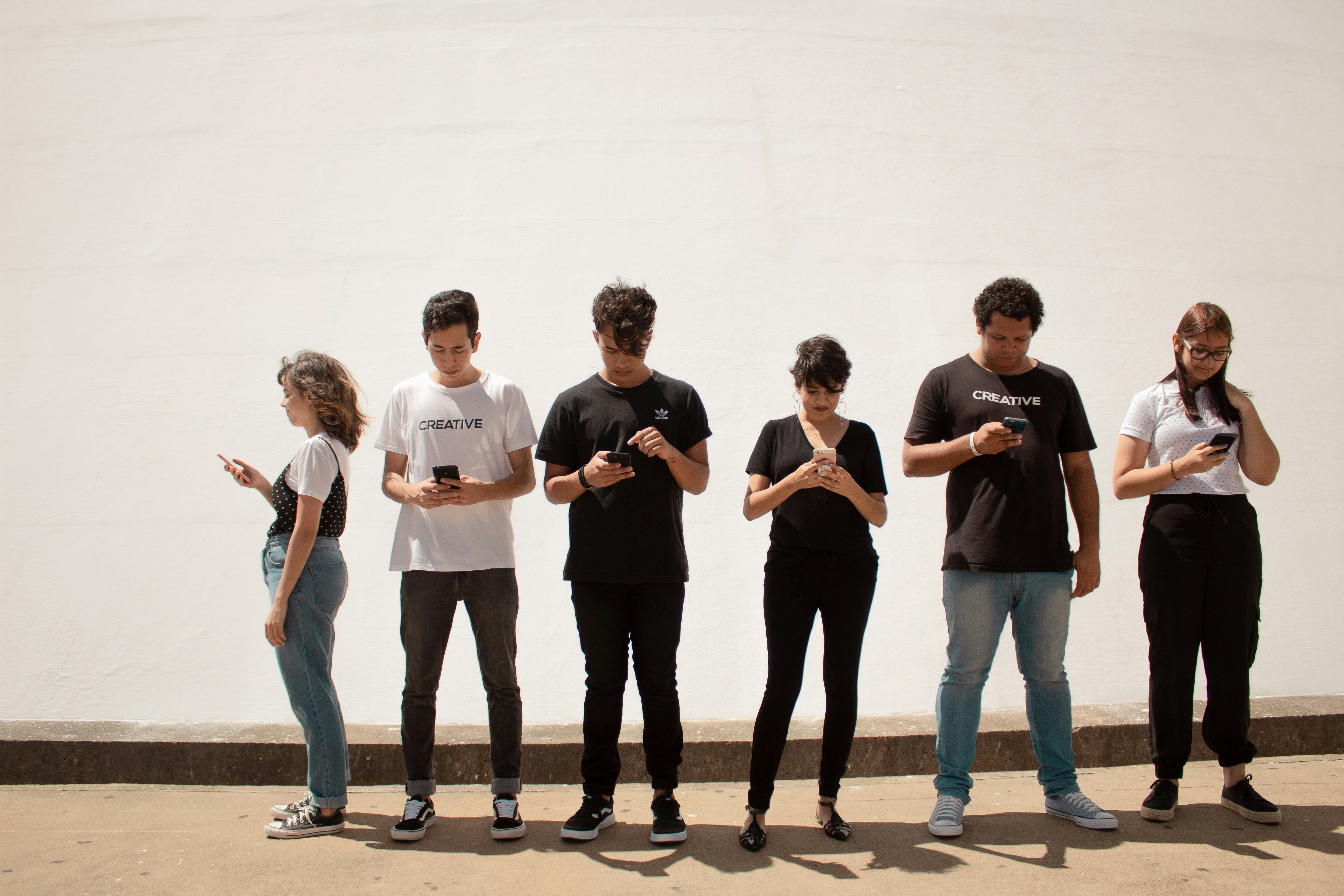
What do you spend most of your day looking at? Listening to? Thinking about? If you’re like most Americans, the answer is probably a screen. In fact, the average American spends between 4-6 hours a day staring at their phone, and that’s not counting our laptops and TVs.
I’m certainly not exempt. As mindful as I try to be, phone addiction continually creeps up on me. It’s a “quick scroll” before I get out of bed because I am soooooooo tired and isn’t blue light supposed to help wake you up? Then it’s a “short break” when I’m stuck on a writing project, followed by a little screentime during lunch or while I’m cooking dinner.
But my biggest chunk of phone usage is afterschool. Despite all my aspirations to model screen sense to my kids, between when they arrive home from school and the time I need to start cooking dinner, I spend MANY minutes absently scrolling.
Heretic Hereafter is a reader-supported publication. To receive new posts and support my work, consider becoming a free or paid subscriber.
What else am I meant to do? Any task I undertake is liable to be interrupted by random kid questions. And if I actively try to spend time with these surly tweens, they’ll generally make themselves scarce (that is, until I try to pick up another task.)
This may be the height of Potted Plant Parenting, but this sort of unpredictable, ill-defined time is ripe for the siren song of my cellphone.
And there are a million justifications: Facebook hosts many community groups. And aren’t authors encouraged to be constantly self-promoting on social media? Doesn’t sharing a funny Tiktok with my tween count as “bonding”? I’m just logging on to check on one quick thing and suddenly 40 minutes have gone by!
The thing with addiction is that you turn to a substance or behavior for a reason, but addiction rarely delivers. Studies have shown that intermittent positive reinforcement is actually the most addictive form of reinforcement, and there’s good evidence that social media was designed with this in mind. In most cases, the anticipation of pleasure/relief is actually greater than what that item delivers.
When I’m able to bring mindfulness to scrolling, what I find is that I’m turning to social media typically because I feel stressed, sad, or bored. What I want is to see a funny meme or short video that will cheer me up.
But most of my feed is ads and influencers I’m not interested in. And even when I find a truly hilarious video, it doesn’t actually resolve my underlying emotional state.
Don’t get me wrong, distraction is a necessary coping skill and probably an inevitable part of being human. Turns out, people who have their phones taken away still spend a lot of time being distracted.
My own trauma work has shown me the value of alternating time spent sitting with difficult emotions (such as grief) and distracting oneself. As much as we might like to imagine ourselves as stoic little productivity robots who can stay on task, that’s just not realistic.
But I do worry about what all that phone staring is replacing: actual conversation with the people that matter, engagement with the natural world, sustained attention to long-form writing and other more complex forms of art and design.
The final straw came when I was attempting to double-screen a mediocre TV show and Instagram Reels. I realized I wasn’t actually watching either, because the once-photo-dominated Instagram was now just a second TV.
When I thought about it, all of social media was just TV.
Maybe this is obvious to you, but realizing this changed how I thought about my social media usage. I’ve never been one of those people who left the TV on all day. In fact, I typically don’t watch until I’ve finished my day, usually around 8pm.
If I’m so stringent about TV, then why did I now need to have YouTube/Facebook/Tiktok/Instagram on while I was putting on makeup? Making lunch? Waiting for my kid to finish his chores? It felt less like a conscious choice I was making and more like addictive behavior.
So when Lent rolled around, I decided to go cold turkey: no Tiktok, no Instagram, no Facebook. (I’d already quit Twitter/X several months ago.)
For the month of March, I’m interested in examining social media and its ubiquity in modern life. Here are some questions I have:
* What are we missing out on by seeking constant entertainment? Is hedonism the center of most people’s lives now?
* How does addictive social media impact our relationships?
* What about our creativity and ability to think through complex problems?
And, as always, I’d love to hear from you, either in the comments or via email:
* Do you double-screen?
* What limits do you have for yourself on phone use?
* If you’re a parent, do you have the same standards for technology use for yourself as for your kids? (If so, please tell me how!)
Heretic Hereafter is a reader-supported publication. To receive new posts and support my work, consider becoming a free or paid subscriber.
Get full access to Heretic Hereafter at heretichereafter.substack.com/subscribe
Get every episode summarized
Each time Heretic Hereafter Podcast publishes, we email you a written briefing from the transcript — the topics, who appeared, and any specific claims, with the ad reads skipped.
Email me new episodesFree for 3 shows. No card needed.
Hosts & guests
Transcript ready
84 searchable segments. Every word is indexed and playable.
Full transcript
Heretic Hereafter Podcast — Everything is TV Now. Machine-transcribed; use the interactive transcript above to jump the player to any line.
Welcome to Heritage Year After. I'm Catherine Strange and this is a read-alout of this week's sub-stack. Today's essay is about social media. Everything is TV now and that's a problem by me, Catherine Strange. What do you spend most of your day looking at? Listening to? Thinking about? If you're like most Americans, the answer is probably a screen. In fact, the average American spends between 4 to 6 hours a day, staring at their phone. And that's not counting laptops and TVs. I'm certainly not exempt, as mindful as I try to be, phone addiction continually creeps up on me. It's a quick scroll before I get out of bed because I'm soo tired and isn't blue light supposed to help you wake up. Then it's a short break when I'm stuck on a writing project followed by a little screen time during lunch or while I'm cooking dinner. But the biggest chunk of my phone usage is after school. Despite all my aspirations to model screen sense to my kids, between when they arrive home from school and the time I need to start cooking dinner, I spend many minutes absolutely
scrolling. What else am I meant to do? Any task I undertake is liable to be interrupted by random kid questions, and if I actively try to spend time with my silly tweens, they'll generally make themselves scarce, that is until I try to pick up another task. This may be the height of potted plant parenting, but this sort of unpredictable ill-defined time is right for the siren song of my cell phone. And there are a million justifications, Facebook hosts many community groups, and aren't authors encouraged to be constantly self-promoting on social media? Doesn't sharing a funny TikTok with my tween count is bonding? I'm just logging on to check one thing and then suddenly 40 minutes have gone by. The thing with addiction is that you turn to a substance or behavior for a reason, but addiction rarely delivers. Studies have shown that intermittent positive reinforcement is actually the most addictive form of reinforcement, and there's a good evidence that social media was designed with this in mind. In most cases, the anticipation of pleasure or relief is actually greater than what that item delivers. When I'm able to bring mindfulness to my scrolling, what I find is that I'm turning to social
media typically because I feel stressed, sad, or bored. What I want is to see a funny meme or a short video that will cheer me up. But most of my ads, but most of my feed is ads of influencers I'm not actually interested in, and even when I find a truly hilarious video, it doesn't actually resolve my underlying emotional state. Don't get me wrong, distraction is a necessary coping skill, and probably an inevitable part of being human. Turns out, people who have their phones taken away still spend a lot of time being distracted. And my own trauma work has shown me the value of alternating time spent sitting with difficult emotions such as grief and distracting oneself. As much as we might like to imagine ourselves as stoic little productivity robots who can stay on task, that's just not realistic. But I do worry about what all that phone staring is replacing. Actual conversation with the people that matter, engagement with the natural world, sustained attention to long form writing and other more complex forms of art and design. The final straw came when I was attempting to double-screen a mediocre TV show and Instagram
Reels. I realized I wasn't actually watching either because the once photo-dominated Instagram was now just a second TV. And when I thought about it, I realized all of social media was just TV. Maybe this is obvious to you, but realizing this changed how I thought about my social media usage. I'd never been one of those people who left the TV on all day. In fact, I typically don't watch until I finish my day usually around 8 p.m. If I'm so stringent about TV, then why do I now need to have YouTube, Facebook, TikTok, Instagram on while I'm putting on makeup or making lunch or waiting for my kid to finish his chores? It felt less like a conscious choice I was making and more like addictive behavior. So when let rolled around, I decided to go cold turkey, no TikTok, no Instagram, no Facebook, and I already quit Twitter or slash x slash whatever several months ago. For the month of March, I'm interested in examining social media and its ubiquity in modern life. Here are some questions I have. What are we missing out on by seeking constant entertainment? Is hedonism the center of both people's lives now?
How does addictive social media impact our relationships? What about our creativity and ability to think through complex problems? And as always, I'd love to hear from you, either in the comments or via email. Do you double-screen? What limits do you have for yourself on phone use? If you're a parent, do you have the same standards for technology use for yourself as for your kids? If so, please tell me how. Thanks for listening. Subscribe to Heritage here after a sub-stack for weekly conversations that are honest, nuanced, and pro-staring at the wall.
More episodes
More from Heretic Hereafter Podcast

Progressives Need Better Stories
Heretic Hereafter Podcast

Easter for Doubters & Skeptics
Heretic Hereafter Podcast

A Code of Ethics for the Chronically Online
Heretic Hereafter Podcast

"If I'd Just Done Good Things, I Would've Never Blown Up on the Internet"
Heretic Hereafter Podcast