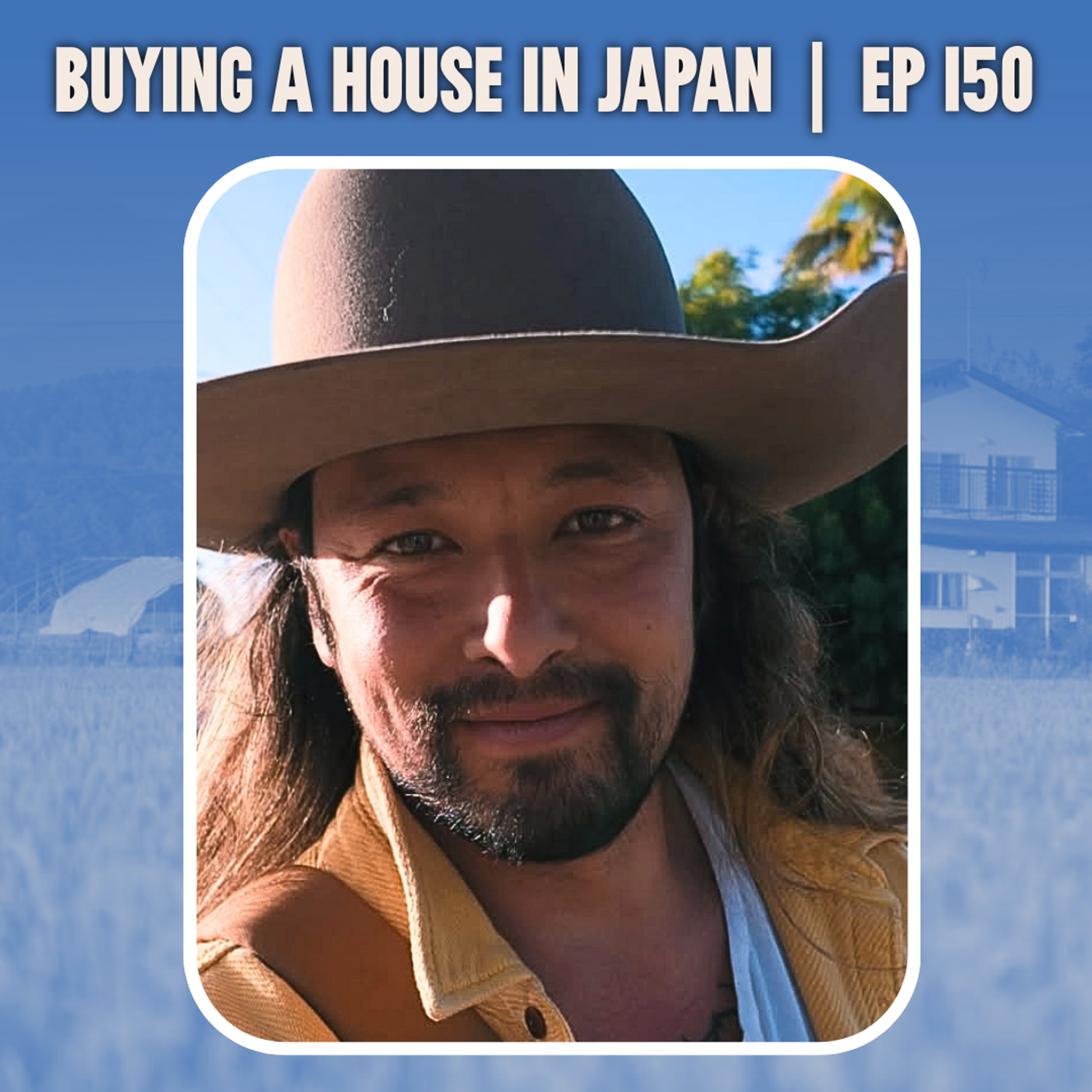
Is the Japan House Buying Trend Overhyped? | Ep. 150
Get every episode summarized
Each time Buying a House in Japan publishes, we email you a written briefing from the transcript — the topics, who appeared, and any specific claims, with the ad reads skipped.
Email me new episodesFree for 3 shows. No card needed.
About this episode
“We're not the only country in the world that's got cheap real estate. This whole trend has been happening everywhere. Like Italy has like, you can buy a house for one euro.”From the transcript
In this episode of Buying a House in Japan, Taker and Joey sit down with Keito Swan, a half-Japanese U.S. native who bought and fully renovated a 50-year-old akiya in Higashikawa, Hokkaido. Keito breaks down the real expenses behind his $180,000 project, the hard realities of local weather and trash rules, and why he thinks most foreign buyers should think twice before purchasing property in Japan.
Key Takeaways
- The True Akiya Budget: Why cheap listings can quickly turn into $180,000 projects once you factor in full gut renovations and harsh climates.
- Local Integration Matters: Why understanding community rules, trash sorting, and local events like the Undokai make or break your living experience in rural Japan.
- The Airbnb Trap: Why managing remote vacation rentals in Japan rarely delivers the expected ROI for average buyers.
- Financial and Practical Realities: Why liquid capital, language access, or realistic plans for upkeep are non-negotiable for Japanese homeownership.
Main Points
- Keito's Journey to Hokkaido: Driving the Pan-American Highway, leaving a failed deal in Niseko behind, and finding a property in Higashikawa on Suumo while parked in the Atacama Desert.
- Renovating a 50-Year-Old House: Dealing with sub-zero temperatures, replacing entire plumbing systems, and prepping a house for 10 meters of annual snow.
- Skepticism Around the Akiya Boom: Unpacking common sales tactics, misleading online listings, and why low-cost rural houses often cost more than they are worth.
- Living in a Town of 8,000: Joining the local track-and-field day, dealing with village addresses, and building future plans for cabins, an art studio, and an English school.
Resources & Links Mentioned
- Follow Keito Swan on Instagram: @keitoswan
- Browse Japanese property listings in English: Mokomoko
- Learn about full-service remote home buying: Mokomoko Buyers Club
If you enjoyed this episode, please leave us a 5-star rating on Spotify or Apple Podcasts. If you or someone you know wants to find a property in Japan, check out mokomoko.com or email us at [email protected].
Get every episode summarized
Each time Buying a House in Japan publishes, we email you a written briefing from the transcript — the topics, who appeared, and any specific claims, with the ad reads skipped.
Email me new episodesFree for 3 shows. No card needed.
Transcript ready
850 searchable segments. Every word is indexed and playable.
Full transcript
Buying a House in Japan — Is the Japan House Buying Trend Overhyped? | Ep. 150. Machine-transcribed; use the interactive transcript above to jump the player to any line.
We're not the only country in the world that's got cheap real estate. This whole trend has been happening everywhere. Like Italy has like, you can buy a house for one euro. There is like, obviously like a huge trend now with like, unaffordability and like, not just the US, but like everywhere. And Japan's like, obviously what the yen is like a huge thing right now being weak, but like, this country isn't for like the weak because you have to understand this place, the loves rules and it's a very black and light. This is something like just buying property in Indonesia and just doing whatever the hell you want. I guess I'll work that way here. Just the strictness of trash sorting is enough to drive you insane. Welcome back to the buying a house in Japan podcast. The number one Japanese real estate podcast. My name is Taket joined by my co host Joey and today and then we say this
every time we got a super special guest. We have Kato Swan, who's based out of Higashi Kawa, Higashi Kawa, Hokkaido, originally reached out to Kato after a couple viral Instagram posts. And honestly, it's a breath of fresh air kind of here seeing his content with a lot of people we work with. But Kato, welcome to the show. You might give him a quick intro of yourself. Thanks. Yeah. Yeah. Happy to be here. Yeah. Kato Swan. I'm from the US. Uh, I was born in Japan actually in Sausage. My dad was in the Navy, my mom's Japanese. So half Japanese lived there. Tell us about six or seven. Then moved to the States with the military bounce around a bit. Travel the world for a while recently and then, uh, you know, decide to jump to Japan. Yeah. Cool. How long? I'm curious. So you moved around a lot like where were you most of your childhood? Did you grew up like a split 50, 50 in Japan? US or no, I mean, it was. Yeah. Oh, yeah. I'm no.
I guess like I was here till six. Then Hawaii for like 70 years and Seattle start a long time. And then California. Yeah. Represent Huskies. Okay. There we go. There's so much crossover actually. I think like the Hawaii aspect, the Japan aspect, I know you maybe have sometimes a Santa Cruz and stuff. And I think you're kind of in their same age or any. So it seems like we've, we could have crossed paths multiple times. Uh, which is the old Toyota crossover. Yeah. Toyota for a long time as well. K. There's got a sick land cruiser or more than one land cruiser. Yeah. Well, just one now, but I did have another one prior. Oh, man. Okay. Well, we'll go into that later. I want to talk about actually the car purchasing process. I know Joey just bought a car too. But um, Kato, you like what, you know, you bought, you bought a house. Tell us a little bit about that. Why did you decide to buy a house and move to Japan? Yeah. So actually it really funny. So I originally came here to Higashiko and this is a Sahiko area.
The Sahiko is a second largest city in Hokkaido, next to Sapporo. And I came here eight years ago for snowboard trip and obviously like Mecca here for that. And I always came back every winter for like a month for just a snowboard. And so this area has always been in my mind. And then I was traveling for two years out of the back of my 93 lane cruiser troop carrier that I had fully built out. And I drove the Pan American highway over the course of two years. And during that time, I was like, I just felt like this call to like live somewhere not in the US given current situations, which are way you feel that that. And then I came back to Japan again during that. That trip at one point for a break in the winter for another snowboard trip. And I was just like, I already have the citizenship. Key part, I have the citizenship. I speak the language. So it just seemed like a no brainer.
And so I was just looking online at listings. And primarily at first I was looking at Niseko, Adam, but just because it's you know, it's the first place people start very for and friendly. Yeah. But the thing is it's like really expensive. But I have a lead on a per property that was like 20% below market value. So like it was a solid investment. And I actually had a contract to buy that. But then the developer was this like rich Australian developer. I flew to Japan to sign the contract and you backed out the day. Oh, no. And furious. Do you know I backed out then? I have no idea. He wouldn't say it. And then like, and then I had liquidated a lot of like my investment portfolio. I was like heavily invested in like, volunteer at like since IPO. So I had this like huge chunk. And then I pulled it out to have the money ready for the, you know, to pay for that. And then he was like, just give me a couple two, three months. And then during that period of time, the like, it went from like $80 a share. You're like $100 and $1 a share.
And I was like, nice. This guy cost me a house and like tens and tens of thousands of dollars. So that was pretty upset. And he ended up like not selling it to me, which then I was just back to the drawing board. But at this point, I was on the road in South America. And so I was literally on the back in the back of my land cruiser in the Otakama desert in Bolivia. Just looking, killing time one day, I was on sumo. Because like you kind of to find the good deals, you kind of have to be on the Japanese real estate websites. Right. Like I think you guys kind of see some of those where they're like not listed everywhere and things like that. And so I found this listing and I was like, oh, this is perfect. It is like in the exact town I want, I have like a full view of the Dice Setsu Zen Mountain range, which is the biggest national park in Japan. And so it was 480 Tsubo, which is like just under half an anchor. It was a 50 year old house needed a ton.
It needed like a full gun remodel. But because of the areas and being quite popular and there's like nothing ever for sale here, jumped on the opportunity called up the real estate agent and just said, hey, I really want it. I don't need to look at it, which is to Japanese people is crazy that you're never even going to look at the house before you buy it. I think any friend of one of this, but see how the nice sent over the money bought it and didn't see it until I came here and actually like moved into it. And it was $115,000. And the remodel cost me 65,000 for like the full gun Renault remodel. So I'm into a 50 year old Akiya for like 180 grand, which you know, clickbait that, you know, like people are going to like, maybe you spent $180,000 on the Akiya, you're idiot. There's like $20,000 Akiya's like, what was your first day like day one hour one when you saw the property? Like what was your first impressions? Hot, hot question, hot question.
Yeah, give us the real. Yeah. How'd you feel through it? Yeah. Well, you know, well, you know how like Japanese real estate website's have like the worst photos, like imaginable. They're like on taken like on a Nokia cell phone. And like, so like, are you guys even trying to sell this kind of thing? Some photos, copy it and then take a picture of the photo copy. Exactly. And so like I was buying it for the location mostly. I stepped in and I was like, Oh, this is like actually a little bit bigger than I thought it than the pictures would be. So I was actually like quite impressed, I guess. And then I actually like worked with architects and a construction company to do the full remodel before I got there. And so when I showed up, it was already all like a clean slate. And so like all that like literally everything like the walls are down the wallpaper drop, everything removed the whole plumbing system and everything. Because here we're minus 20 degrees. So the piping has to be like already done, you know, like every part of the house was got it.
Or it was got it and then remodeled already. It wasn't even got it. They had to do they had to gut it and remodel because it was all moldy. And you know, it's it's worth like 10 meters of snow every winter. Like it's it's a element of pretty harsh here. For props to you to figure that out before even getting to do pan to see the property first time having a already organized a renovation on the property. That's not an easy task, I would say. Yeah. And that's where like the thing is is like you kind of have to have like that. Those resources available to you. Yeah. All right. Okay. I got like a thousand questions for you here. That was that was great. Like, well, let me let me. Where do I start here? Okay. Um, were you ever considering to have you bought property in the US, you know, prior to that or were you considering it? And yeah. Yeah. I actually, um, I bought, uh, I was living in the Central Valley in Modesto, California. I had an office on the desk company.
Yeah. Yeah. Okay. So, um, it was fun. I was, I was living with a roommate's first and apartment. And then there's going to be three of us. And I was like, well, someone needs to buy house because this is ridiculous for three of us to pay into an apartment. And no one else like credit was good enough to even like the credit application for the apartment was even already in my name. So I was like, all right, I guess the most financial you're responsible person might be muted by this house. And so, um, this is right before COVID before like the price is like ripped, right? So like 2018. And I bought a house starter family home in Modesto for three hundred and forty thousand. And, you know, lived in that for a bit. And then, uh, before I like hit the road and was like living out of a car and for the last like four years, it's just been rented out to like the same group of kids. Um, that have been renting it. And I just like keep the rent the same. I don't raise it anything, you know, just leave it and help them out because it's obviously gotten pretty expensive there too. And so yeah, I do have one house in California that's a rental that provides a little bit of income.
Cool. And then how many times had you visited Japan before you decided to like be like, okay, let's, let's get, let's get a house. Have you been going like, would you say you've been in and out like a hundred times at this point or I'm curious? I wouldn't say a hundred times, but like, you know, I lived here till six and then after that, I would come to visit family like once a year. And then it turned into a more just like going to stillboard every year or every other year or something like that. So yeah. I want to get a little bit into the meat of the conversation here. I know on your social media, you've been a little bit of a skeptic of others purchasing property in Japan. And I just want to kind of dig into that a little bit like in your experience, what? And it's not just like the difficulty, I think cost comes into it too. But I do want to ask about the difficulty like you speak Japanese. What was your most difficult part in this whole journey from from buying a house to getting it set up, utilities turned on, all that kind of stuff. Like, what did you have any struggles? What struggles did you face?
Yeah. So I only lived here till I was like six or seven. So I actually don't know how to read or write Japanese at all. Like I know here, Ghana, and like that's about it. And so when I got here, you know, like getting, yeah, all the utilities and everything set up, like, I would be able to communicate with them, which is like obviously huge. But then like anytime like they asked me to like fill in my address. And when you live in the countryside where I am, I don't have just like a number address. My number is he got Chicago, he got Chicago, um, Yongol Kitesan Banshi, which means fourth block, third house down. And my neighbor has the exact same address I do. He's also third block down. Yeah. So it's like, so like, yeah, there's like a lot of challenges with that. And I would just like be like, hey, like I can speak Japanese, but I don't know how to read it, right? Could you fill this out for me? And most of the time, like they would be able to fill it out for me. And I live in a town of 8,000 people. And so everybody gets to know everyone pretty quickly.
And like once they see the address, like, oh, you're the guy that bought that house, you know, which, so you're like Google Transiting Sumo then or you mentioned that you were using the Japanese sites. Yeah. Yeah, yeah, yeah. I would just like Google translate on the Japanese websites. And then because like I actually, but funny thing, I used to, um, I was paying for your guys to service. Looking at places as well. Oh, nice. So yeah, thanks for trying us out. Yeah, no, I mean, like that was the thing because I first, I had the same thought I was like, these Japanese real estate websites are so awful. There's just like a zilo version of this. This would be like amazing. And like, and then I eventually tracked you, found out about you guys. And then, um, yeah. So, all right. I don't want to put words in your mouth. But would you describe yourself as like a skeptic of this whole sort of like a key up boom or like, you know, this sort of trend of people purchasing property in Japan? I would say I'm probably the internet's biggest skeptic of this. And like, I have so much like I could rant about this forever.
I think like what needs to happen is like, maybe you guys do this because I'm just not, I'm not that guy. I'm just like the voice, like a flow chart, almost of like, should you buy a house here? Right? And it's like every answer easy, they're going to be maybe or no. There's no yes or no. Yeah. Right. And so it would be like, there's so many factors like, like if you're not liquid 100 to 200 K without it, like having a huge effect on your life, you should not even be looking in my opinion, right? Because you're better off investing that, that money into like the market, into stocks or whatever, and getting a bigger return if it's looking at as an investment, right? There's no hassle, the headache of taxes and that people like, oh, I'm going to buy this house. I'm going to like air being be it out. Okay. No one wants to stay in your dumpy old farmhouse when they could be in a comfortable hotel next to a bunch of other
resources is like my opinion, right? And the, and like, where are you going to find someone to manage it? Are you going to find someone to do the cleaning? Are you going to deal with all these things that are cutting it to your ROI? And then at the end of the day, you're going to be an naked almost every month. Like it makes no sense. And then there's people like, well, I want to be like an aturst the area is like, like a lot of, I get a lot of questions from people about like the snowboarding towns and stuff like that. And it's like, okay, so you're wanting to do this as an investment and you're going to rent it out on air being being. And then you get your mampaco, you find all the people, the management company, the cleaners, you site and you're still comfortable with this, your number's still pencil out or whatever. Okay. So then now you're not going to be able to use it because that's the peak time to be there. And you're not going to be able to use it for the intended purpose that maybe you were trying to go to the airport, do you have a use it as a vacation home and all these things. And then like what happens the rest of the time? Like I left for three weeks. I cut all my weeds down with him. The bags. I wrote back up to my waist.
My face takes over Japan. Exactly. And like the mold and like, there's just so many factors. And so yeah, I think for me, like I can tell you like who this makes sense for, right? And everyone else, I just tell them, no, it doesn't make sense. And the only people for me that I think it makes sense to are like, let's say you're looking in a major city. That's like a great idea because now you have like this huge problem with like foreigners that want to rent, but they have to deal with all these like people that don't want to rent it for and there's key money, scared all these things, right? That's a problem. How do you find a problem to that solution? If you have a ton of money, you can buy these properties that have multiple units and rent them out. There's a demand for that. That you can get it ROI or other, but that's going to cost you hundreds and hundreds or up to maybe a million dollars to get that like 15% ROI or whatever it's going to be on that cap. Totally agree with you on the Airbnb thing and being liquid like the clients we've had that have
pulled it off successfully, getting an Airbnb set up. It's like the richer end of the spectrum here. It's like people that were able to muscle through with cash to just make it work have someone handle while they're not there do everything remotely like it was cash was a different cheating factor. 100%. Yeah. Most of the people that are like looking and actively commenting on social media are like looking at I would maybe you guys actually have the numbers on this. Mike, yes, would be like your major percentage, maybe 70, 80%. It's going to be people looking at houses like 60 to 70,000 in below. And those houses almost aren't ever worth it. Yeah. Okay. Yeah. Nailed a lot. And I think we actually agree with a lot of those points specifically on like when we talk to folks and we do a consultation before we help people through the purchase process is like we up at the front say this is a lifestyle investment. Like if you're really doing this for the numbers, man, there's I totally agree with you. Put in this and that's be 500 or whatever. You're probably going to get a high ROI. And I think what Joey and I have been really rallying around is kind of this adventure theme.
I do think like people that want the venture and know that they're not going to get a 7% ROI running on air being the are the kind of the right fit people that want to spend more time in Japan. And I think it's like I don't know about you, but it's been so fun. Me and Joey it's like knocking down walls and during the gardening is like learning how to live in Japan that I think it's such a cool experience. But I totally agree with you like can't buy it. You should buy it. Be able to buy it twice before you buy it once in some and a lot of places. People that even want to do the even the people that want to do the lifestyle thing. It's like what who has a job that gives you three to six months a year of vacation, right? Almost no one. So like the upper age echelon of like retirees sometimes makes sense. And then people that are like, oh, but I can work for them out. Do you know what the hours are? If you have to take we are we are we are Q. We are actually on that hour. Yeah, but 11 PM meetings. Yeah, it could be worse than 11 PM as well.
Yeah. Yeah. So it's like those are like the two things that like it just like doesn't. And like the other people that I think where this makes sense to sound to some case are Australians, but certain Australians because you have a lot of guys that are tradies. They're like trade workers at white working the mines or like whatever. Those guys 10 six months off time off, right? And those guys are also really handy and they they can DIY pretty well. And so you know, but like the Australian boom happened in like Naseco in like the 90s and 2000s. They land banked and like made a killing, right? And so you know, like that's possible to some cases. I think with those guys, but that's a niche group of people that I think it could work out for on that lower. Bracket cost of houses and things like that. But when those goes, they're going to run into trouble. Those like the cultural thing, right? Like they don't speak the language. You can't like Google translate everything everywhere.
Like for example, like I'm half Japanese, but to Japanese people, I don't look Japanese. Like I just get I'll go into a restaurant talking to everyone in Japanese, sit down and still get handed an English menu, which to be fair. I can't read the Japanese once. So they're not wrong. But a grading sample, another example is like when I moved into my place, I went around to all my neighbors. I brought gifts like because I know the cultural traditions of things. And I, you know, introduced myself and I used my Japanese last name. Hi, Klenchuk. You know, stuck to K-to this and all this stuff. And then like they, it took my direct neighbor like six months before she would stop calling me the geysing guy. Or the geysing guy's house, takes six months. And it wasn't until I, a couple of things that happened. One we had like an undokai for like my small neighborhood. It's like a little fun truck and field day thing.
Like if you grew up in Japan, like you kind of know about it. And they were like, and it's like pretty competitive. And like our blocks, each like neighborhood block is like a team and our block had one the previous year. And she was like, you have to come. And you know, I live in a town of 8,000 people. This is a bunch of farmers. And you know, she's like, can you run fast? You're pretty strong, but can you run fast? I was like, these don't, these don't be runner. Yeah. And so we do like a relay. And I'm like, I'll go to first like whatever. And like to like these local farmers and these farmers, dads and kids, like I look like an Olympic athlete. So like, don't don't talk to them. Lookin', you know, and we end up, we end up winning. And like I was like the ranger. And then, yeah, two years in a row. And after let's go. Yeah. Afterwards, my mom came and visited me for like a week. And she met my mom and she's like, oh, you really do have a Japanese mom? I was like, you think I'm going to lie about that.
So of course I can do like the last name I speak Japanese. It's funny. We have a guy we work with who's up in in Hope, guide also. He does our content. We call him the LeBron James of his, what's his city called, Jerry? A short oh, a short oh, yeah. He goes to like the YMCA there. And he's also like the Olympic athlete. He's like, they got a triple team in basketball kind of thing. So it's so funny, but it's awesome that you participate. And I'm curious, what was like the, is this like the way you toss like the balls in the basket? Like talk a little bit about those Undokai games actually for the audience. Yeah. So it's like a lot of random games. Sometimes it'll be like a, it'll just be like a tug of war game. It'll be like relays, but you have to do something in between each leg. Yeah, just like the ball toss, it's like a basket thing, but like there's just like a ton of little balls. And it's like the first team to get all these little balls into the thing. It's just like a more like a community event to get everyone together. And it's a ton of fun. And when you win prizes, like they'll give you like the most random things.
It'll be like a box of tissues to dish soap to like a bag of crackers. Like it's the most random guess. Yeah, but it's like, oh, it's a perfect. You use full household items today. It's a day. Yeah. Yeah. Kato, I'm curious in the spirit of teasing out a rant for you from you. What sort of has been frustrating you about the current marketing, different companies like our business and other people in the space are doing, trying to sell Japanese properties to people. I'm sure there's got to be something there that works. I went just direct to a Japanese real estate and all that stuff. But there's a lot of these like Japanese real estate influencers out here now. And they're, they got all these different tactics and like listen, like I was in sales. Like I was in commercial construction sales selling like multi-million dollar projects. Like I understand sales and it's very much the like bait and switch. It's I think the biggest like thing I can compare it to. It's like a lot of these guys, they're like, they, they're kind of like time share salesman is like the vibe that I get from a lot of them.
And you have guys that are like kind of doing the old bait and switch is like, oh, yeah, the people that, oh, we love this one. That was like, that's like for sale. Like, oh, that one just so, but we have this one that's just like it. And you have a lot of this predatory behavior going on and not really divulging really the full details of like, this is what it's really like to buy here. It's just someone that's like, I have this much money, this is my budget. And then they'll find that and like try to convince them up why it's like the best instead of like what they really should do. And it's a lot of these guys too. They're like, I don't sometimes they're not even like from here. And they'll be here like on a tourist visa selling houses, which I'm pretty sure is illegal. And so, you know, if you're going to be doing it like, you know, I guess do it right. But I don't know that there is like a right way to do it in a way that you're accepting money without paying taxes in Japan is like a business.
And I don't know those things because I'm obviously not like a real estate agent, but yeah. So that kind of drives me a little bit crazy of this like whole like predatory behavior of trying to take advantage of people and sell them house of the least shouldn't be buying. So you said bait and switch. Do you think the like the switch part there is that they're like, they're painting too rosy of a picture of what it's like to purchase a property in Japan. And they're not being truly honest about all the difficulties you might face or you mentioned like sometimes they're like putting up a decoy property or like what's the real like switch here that you think it is or what's the real like con. Yeah, I think it's a bit of both of that. Like I've seen it like where they're like, yeah, it's got this property. And then it's like already sold or it's like something that already been sold. And they kind of paint it as if it's like available to like lure people in. And then like also like the rosy thing is definitely like, especially when you paint like a like a town is like, oh, this is going to be like the next place to pop off.
It's like, is it really like, how do you know that? Like as a guy that like, you know, like I do my research like my town makes millions and millions of dollars in tax revenue. From this program where like as a Japanese citizen when you pay your taxes, you can donate like 5,000 yen to this town and they'll send you like a gift right. That's like a, I forget what it's called in Japanese, but that's a good structure we have. My town makes millions of dollars from that because we have what's considered some of the best rice in Japan. Oh, that food is Sat onoze. Yeah. Food is Sat onoze. People are stoked about that stuff. Yeah. So, okay, so best rice. Okay. Some of the best rice. And like, so like does like my town, a town of 8,000 think of like per capita like what kind of money that does for this town, right. And so that's what draws a lot of people to here. And like, I know all these things like I'm doing this kind of research before I commit to a place like what kind of infrastructure does it have. What kind of resources does it have?
These are all really important things to like research and like no one's going to know real estate agent there's going to like that. Like speaks English as like on that's there on the tourist visa. That's just like or a consultant is going to be able to tell you obviously they don't know they don't live there. Like you have to really have your boots on the ground. It's like you wouldn't, it's just like you wouldn't, you wouldn't do it in the US either. Like you would like ideally like the thing to do is like you lived somewhere in the US and you were renting there for a year. And you're like, oh, I really love here. I could see myself living here. Right. Like that's the smart thing to do to like understand a place before being like, oh, I just like this town looks sick and like the house is cheap. And I could spend three months here there. This is sick. I want to buy it. Like that makes no. Like even if you can afford it, it just it's not financially responsible. And then like once you get tired of it and like the Japan honeymoon phase, you know, Rosie glasses goes away. Good luck selling it because the only option you're going to have is finding some other foreigner to buy it.
There's like a decoy property. I see quite often. It's like a castle. I don't know. I feel like when when I first encountered it, I thought, oh, this is so cool. And I think they mark. I think they say it's in Hokkaido too. The other like, and I remember talking to me and talking to me like, wow, this is so cool. How can we buy this kind of thing? And someone that was like more experienced in the space was like, this, this property comes around like once a year, like all the newbies fall for it kind of thing. So like the decoy properties are true. Like I do think like too good to be true. A castle in Japan for like $30,000. Like I don't think so. Yeah. Listen, like we're not the only country in the world that's got cheap real estate. This whole trend has been happening everywhere. Like Italy has like you can buy a house for one euro in the countryside. And you know, it's like there's all kinds of places in the world. And I think like there is like obviously like a huge trend now with like unaffordability and like not just the US, but like everywhere. And Japan's like obviously with the yen is like a huge thing right now being weak. But like this country isn't for like the week because you have to understand this place the loves rules.
And it's a very black and white. This is something like just buying property in Indonesia and just doing whatever the hell you want. It doesn't work that way here. Like just the strictness of trash sorting is enough to drive you insane. And I'm sure you guys know this. Yeah. And it's different. Every municipality is different. Yeah, right. Right. Right. A passage every plastic bottle. It's like someplace that they're like, you have to take the plastic wrapper off and the lid off. And those are all separate. But it's all in rinse. And like I remember like there's that one guy. Shuma I think his name is like I think he's like the biggest like YouTube real estate guy. I think he's he's Japanese. But I think he's like a real. Shaila is like dual citizenship. I'm not sure I've never actually communicated with him. But like I saw like a clip where he helped a guy buy a house and they move in and the neighbor comes with like a huge binder. And they were like, he rolls and he hit the guys like it was the rules and it was about the garbage sorting.
And how he's expected to be the person at like at some point to go down and sort through everyone's trash to make sure it's properly sorted. Like as an American, if you got that you'd be like absolutely absolutely not I'm not doing this right. But if you come in, but if you come in with that mentality, right. And then like you're only there for like three months here. You're not part of the community. It just feeds into that like anti-foreign sentiment. Like oh, they don't want to be definitely culture. They don't want to be part of our community. And so like that's another thing to like research even when you're buying a property or be like, what's the garbage situation? Right? Like you might not think to do that. But that's like a whole level of thinking that you kind of have to do when you come here. And making an effort with community to like as you mentioned, like you took part in the Undokai, the like this, the sport, the communities, an inter community sports league, which like if you didn't do that, you know, they're obviously going to think, okay, this guy's like doesn't want to be part of the community kind of thing. They're going to think more negatively of you.
And that sort of community activity thing is going to be more common in more rural areas where there are cheaper homes that may that probably a lot of people are thinking of purchasing. And you know, you're walking into a community, but immediately saying you don't want to be part of this community to all the people that have lived there for a long time. And I do think that's a problem. And it's like especially because like you don't speak the language. And so let's say you are like a very fun, beloved person that wants to be a part of the community. If you don't speak the language, they're not going to invite you because they can't communicate with you. And so like not knowing the language is such an added difficulty here. And being part of the community is like such a big thing in Japan. And like it's it's tough to like if you have like an issue with your home and they can't communicate with you or like you want to try to get help from someone. Like, oh, like you live in the countryside and like my water heater broke and like I need I don't know how to fix it.
You know, like this so much to like, like if you live in places like in major cities, like, yeah, you're fine because like you can find those resources or speak, find some of the speaks English. Naseco, like I know people that have lived in the seco for like over a decade. They speak zero Japanese, but it's fun because everyone that speaks English, right? I mean, I think it's kind of ridiculous, but yeah, that's kind of like like knowing the language is huge. You brought up a good point earlier, actually. You're kind of throwing a little bit of shade, but I think it was legitimate. You said that like, you know, the difference between people like our business and other ones like it that help you purchase a property in Japan is we're trying to deal nationwide. But if you're in America, say you're in Santa Cruz and you're looking to buy a property in Santa Cruz, you're not going to work with a real estate agent who's not from there. You're not going to work with a real estate agent who doesn't know Santa Cruz at all, right? Versus that's essentially what businesses like mine and other ones are doing.
You know, we try our best within our own business to match you with real estate agent that is from that area or generally, you know, from consi. But that is a legitimate, legitimate problem that I think you brought up there that like you're working with real estate agents that don't know the town that you're looking to purchase property in, which I think is something that you wouldn't do in America. Yeah, absolutely. Yeah. It's a goal of ours though to Joe. I want to just add on there. So for example, we have Kendall out in Asahi Kawa. So it's funny. I was talking to Kendo. We do have a mutual background here. Yeah, I was like, have you seen it? Kendall's actually been on the pod and he helps folks that want to buy a Saikawa through our process too. It's like, Kendo, have you seen this guy Kendall? You can't miss him. And I said like a huge afro photo of Kendall and so fine. Like I know that guy said, yeah, we do try to match you with a real estate agent. But yeah, I know. I think you brought up a legitimate. Kendall's actually great. We, the first time I toured he got to Kawa during the summertime, not the winter time.
I was actually with Kendall. And he, oh, yeah. And we like looked around a bit and stuff, but there was like nothing available at the time when we looked. And, but yeah, Kendall's a great guy. Like Asahi Kawa is a great place. Like he has everything. It's actually, I actually have like met with the mayor of my town. And he was telling me when he was speaking with the mayor of Asahi Kawa, their Mimpaku applications have like doubled and tripled in like the last couple years. And there's a lot of people buying houses in Asahi Kawa right now. And like, understandably, like, I think like, like listen, like, I think my town's great. I'm like 30 minutes from Asahi Kawa, but the airports right between us. So like I go, the Asahi Kawa airport is 15 minutes for my house. But I'm in the countryside, right? And I can go 15 minutes to the airport. And for like, sometimes if you buy book at Farnuff in advance for 7,000 yen, like 50 bucks, one way flight to Tokyo in an hour and 45 minutes. Like it's the convenience factor.
It's great. So yeah, you just have to like, Hokkaido is not for the faint of heart because it's the winners of brutal. But if you're into winter sports, obviously, perfect. So what do you recommend then for somebody who is, let's say Australian loves to ski in snowboard, they can get a month off each year, one month, 30 days a year, you know, and they're spending that. They're they're blowing money at hotels in Hokkaido every year. Like even in that situation, would you not recommend purchasing a home? I would not recommend purchasing because of the fact of how destroyed your house is going to be not living in it for like the other nine months, 10 months a year. Like Hokkaido, whether it will destroy any old house. If you buy a newer house, the newer house is going to get destroyed eventually. And so I don't recommend it. It doesn't mean you can't do it. I mean, it's your own money. You do it in a hell of a way with it. But personally, I would rather just like rent and like not deal with with like the
the birth cost burden monthly of like having to have someone watch your house, having to deal with a roof leak and like all these things like and people like, but it's just so expensive to own in Australia. And like I, I understand that. But like you also can't live here full time. So like what are you trying to do here? You know, if you can do three to six months, then like I guess in that case, maybe it makes sense for you. But that's also assuming that you're that liquid to, you know, buy that property. And then, but then I also don't know how it's going to work when you're back on a straighter. You just like renting a place for six months a year there. Like does that also make sense? You know, snow clearing is no joke in Hokkaido. I think clear, you know, making sure that while you're not there, you need to get the snow off the roof of the house. It's a, it's a, it's a, it's a, in some cases, it's a, it's a chore. Like my first year, I was like, I spent all my money and then just like,
I had like some wood of a driveway, but I was like, I was like, do I really need to spend it? Like, you know, that $3,000 on like a snow machine, like to, like a snow clearing machine. I was like, snowblower. I was like, I think I could just shovel this for like the first year, halfway through where I was like, I should just fuck it up. But now they're like, what was super expensive? Because the middle winter and I was just like, my, like ego was like, no, it's a good work, good cardio in the morning for me. Because eventually like the walls just got so big that like shoveling it was like, I'd like hook it over a wall. It's a lot of work. So Kate, Kate, to go and back to that, that Jerry's example here of like that Australian couple or family that wants to buy that house and they've, they've heard your rant here. They've heard like, I still want to do it. Like, how would you recommend like knowing like, let's say they, they talk to you and you're like, okay, they are the right person to buy here. I understand that, you know, they're making a right decision. How would they normally go around buying it without kind of using one of these services? Do you think they could do it without the Japanese language?
Or is it much like impossible? I mean, without like putting boots on the ground and just like over the internet, no, I mean, the risk is just way too high. If you came and spent like a full season there and like we're still convinced, like, yeah, I'm sure you then you could like feasibly do it. But even then, like, I would say if you're like a family, you know, is it worth it if you're like just like a couple, like sure, probably, like throwing kids into the mix is like a whole other thing. I want to hear if you had to manufacture a character in your head, who could this work for? I want to hear your manufactured example of someone that could buy a house in Japan. Someone who's half Japanese has such a big language. There you go. Love's Land Cruiser. Oh, it's so, yeah. Yeah. It's just so situationally different, right?
I could talk about someone for like the city or like the countryside, right? Like those are the two kind of big things. Like, I think I could come up with a perfect person if it was like someone that wanted to live like in like the city versus like the countryside. Let me rephrase. What is the, if you had to boil it down to just one core skill set? Like, so like don't manufacture the whole character. But like, what is like, is it a spirit of adventure and adventureousness? Is it like just pure cash reserves? Like, if you had to boil it down to what is the one like most important skill set for success here in your mind? Oh, man. Cool. It's a toss between just money and like the language. Or like some sort of like path to residency, right? Like somewhere in there. I mean, like you could do a lot with money for sure. Yeah. I think people underestimate the money. Underestimate the money apart. Yeah. Like here's like the perfect thing, right? Like since we're working with like a small pool of people that like actually are qualified
to be buying and living in Japan, living the hardest part, right? Because like three to six months a year, unless you have some kind of path to residency. Getting married would be the easiest to get the spouse visa. Otherwise, like the new, I'm sure you guys have read up on. Like all the new criteria for the business. The rules, the things and all the other ones, all the rules. I would say don't buy in Japan and buy in South America. Like that's actually when I was doing my Pan American Highway trip, I'd purchased the place in Bolivia and I was dating a girl from Brazil. And our plan was actually to split our time six months, Japan, six months, Brazil. And then that relationship ended up not working out. When I entered into Argentina and I was hanging out in Buenos Aires, I actually met with real estate agents there. And I was like, this is the greatest city in the world. Like Buenos Aires is the greatest city in the world. I would love to live there. If I hadn't already bought the house in Hokkaido, I would own a property down there in a heartbeat in South America.
Like the open friendliness of people is, you know, tremendous, the cost of living there is like very comparable to Japan in some places like in the city. And the path to residency is so easy. Spanches so much easier to learn. Like when I tell people that are like, I want to leave because it's so smooth. Good South America. Like the path to Japan is so hard that it works for so few people that if you're in that echelon, I don't have a ton of money, but I have some reserves to be able to buy like a place or a ford to rent a place. Like you could go to South America and like have so much fun and be able to afford it and enjoy the culture of things and vacation in Japan if you want. Yeah, that's like usually like my tip for people, but like people are so hooked on Japan right now with like the trend of it. And like I don't blame them, but like it's just so much harder of like a culture to get ingrained with for like long term living.
And like people like don't understand how hard it is to adjust like the rules and norms of like incorporating yourself with Japanese people. Like even for me, some of them have Japanese. Like I still struggle like a ton. You see it all the time on the you know reddit threads or whatever. It's like you know someone's lived in Japan for three years and has no friends, you know? It's just like these people people really struggle here to incorporate themselves and make friends. And I would I agree with you. I've never been a Buenos Aires, but my impression is that it would probably be easier to make friends in Buenos Aires and know that it would be in Tokyo. Yeah, I would challenge. I think one thing that we've seen success in some of our customers is just like that charisma. Charisma translates still to Japan. Like if you are outgoing and you try to meet your neighbors and integrate and even though that language isn't there. So Eric, one of our people that worked with us is a good example where maybe he's Japanese languages isn't there, but he's so outgoing and trying to be involved that I do think it works. And I do feel like when Joey's for example, we're down in Beppu and Joey like has this thing to
like Chanto Isatsu and he like kind of almost like overly emphasizes the Koneichiwa. Yeah, well, how can I almost say it every morning and like people love that I feel like it. So I do want to also think like yeah. And we can talk about later like you don't need to be perfect at Japanese. If you have that kind of like or like I want to be involved, I want to be kind of yeah, just get to know my neighbors too. Yeah, yeah, for sure. I think as long as you're enthusiastic and like you're making that effort and I think maybe I didn't say that. I'm just assuming people aren't like making as much of the effort or you know. But yeah, it's I mean, it's a tough language to learn man. Like, and like my neighbor was like, we have actually like an Higashikawa what's another famous thing about my town is we have a Japanese language school. And so like any given time during the year, we have like 600 students here learning Japanese and living here. And it's some of them end up working at the restaurants and one of the girls
that works at my friends restaurant, she's from Malaysia. And in a year and a half, she went from zero Japanese to N1. Whoa. And I'm trying for N2 right now and two's difficult. And one is crazy. In a year and a half, isn't that wild? Very impressive. Yeah. And my neighbor was like, you should go there. I was like, learning kongji at 37 is kind of tough. And like people like in like I talked to my friends at the US and like, is it really that bad? I'm like, you have to like put it this way. Like I remember like first grade is like when you first started learning kongji and you learn like five a week and you take a test every week and it's just like writing them repetitively, right? And so by the time you graduate high school doing this, like you know thousands, just memorized. And so it's not like English where you're just like, you have like 36 alphabets or whatever and you're just mixing those around. Like you have,
you're gonna kata kata and like thousands of kongji before. And like you ask any Japanese person, they'll be like, oh, I don't know a bunch of kongji either. It's fine. But like there are a lot. And like I forget what the number was. I don't want to like miss it. But I think to read like a Japanese newspaper front and back, you need to have like over 3000 memorized seconds. You know, out. I believe I think 3000 sounds right? I've got like the, you know, I'm still up again, on all the rules and Japan making immigration much more difficult. One is likely to be language requirements. So I got the J L P T N 2 here. And I think it's around 3000 kongji in this book. So I don't know what N 1 adds on top of that. But yeah, in the thousands for sure. Well, the other, the other struggle too with like that new requirement for the test is like, okay, like you're like say, okay, I'm gonna take the Japanese N 2 test. Just getting a seat to take the test is insane. It's like trying to get reservations at like a Michelin restaurant like years in advance
out. I got a, I got like an alarm set. I think registration opens in a couple days here. And it's on our counter. I see. I see on the girl. Yeah. Yeah. Yeah. Yeah. Kato, we could talk for hours here. Actually, I, we really should get you in person. And I, I want to personally convince you why I think sometimes a consultant like us might be helpful for the right person. And I do think we've seen people maybe on the edge cases where they, they really do make it work. And I do feel like they are buying a house for the right reasons. But I'll save that for the next conversation. Kato, I'm just gonna end the conversation here. What are your plans? You know, you've been here for a little bit like, you have this house. Are you working? Are you just upgrading the house or what, what are you up to currently? Oh, yeah. I've got tons of plans right now. So I have like quite a bit of land building out some cabins to rent out for the winter season. And then on top of that, there's another police of land that's right in front of me that's a little bit bigger than mine that I plan on acquiring.
I've already met with like the owners of it and building a massive art studio. So I can turn my whole property into like an artist's residency is kind of my vision. You guys should call us known as like the town of photography is like their moniker. So like, we actually have like host international photo contest exhibitions, things like that. So I want to host a bunch of different artists in the summertime. And then also I've had a huge abundance of people because we have a ton of wealthy people from Tokyo moving into our town. That's like the big thing right now. We're like on TV and national TV and people are like, this is the place. And so, but it's mostly Japanese people that are wealthy moving here. And I've met with a bunch of them and they're like, oh, we would love for you to teach our kids English. So I'm going to open up like a little like English school for as well. Learning English right on. That's super. So mostly winter season, like I take the whole time off to just snowboard myself. And then during the green season will be like an artist residency English school type of
the thing, which helps me get better even more involved into my community. And then yeah, that's kind of my thing. I'm a Japan life right at this point. I really don't see myself going back to the US. Like there's just nothing there for me. But it's easy to just say and do all these things because I'm a single guy right? Like if I have like a family or like a significant other, like much different story. Okay, so I've been seeing those Instagram posts and the one where you're like, surely, doing all this weed whacking. And I saw one of the top comments. It was like, dude, my mom's on the staff. Like it just laughed out loud. It was so funny. But yeah, it's a lot of characters proposals too. Japan with the blood. Yeah, I was pretty flattered with that one. Yeah, I've had a few proposals. But you know, like dating in a town of 8,000 is nearly impossible for me. So yeah, pretty much becoming a mung out here. All right. All right. So to kind of wrap up the comma, we definitely got to have another convocate at some point. But where can people find you or contact you as Jason Memorial? Yeah, or a Japan Memorial. It's easiest, just Instagram.
This is probably the easiest thing. Just Kato swan. Tech talk, I guess. I'm really not on there much, but like Instagram is probably like the easiest way to get a hold of me. Cool. All right, Kato. Well, thank you so much. We look forward to have you on our podcast. Hopefully I are all we're throwing a we're throwing a party in October. So hopefully you can make it. But we'll follow up after this convo. So thanks again for being on the show. Sounds good. Thanks for having me. Here you guys. Thanks for listening to this week's episode of Buying a House in Japan. If you found this show helpful or at least entertaining, give us a five-star rating. Takes about five seconds and really goes a long way. If you or someone you know is looking for a Japanese home, check out mocomoco.com. Our English-friendly site where you can browse over half a million listings. And when you're ready to buy, we're here to help. MocoMoco Buyers Club is the easiest way to purchase a property in Japan. Fully remote in English with keys in hand in about 90 days. Head to mokomoco.com to find your dream home today. If you've got questions or feedback,
drop us a line. Email podcastatmocomoco.com. You can also find us on Instagram and TikTok where we post properties, tips on the home buying process, and updates on our own purchases and renovations. Thanks again and we'll see you next week.
More episodes
More from Buying a House in Japan

Escaping California Housing Prices with a Modern Concrete Home in Japan | Ep. 14...
Buying a House in Japan

Why We Dropped the Akiya Name and What It Means for Japanese Real Estate | Ep. 1...
Buying a House in Japan

Works in America. Lives in Japan. | Ep. 147
Buying a House in Japan

The Reality of Owning a House in Japan: Trash Schedules, DIY Upgrades, & AkiyaLi...
Buying a House in Japan