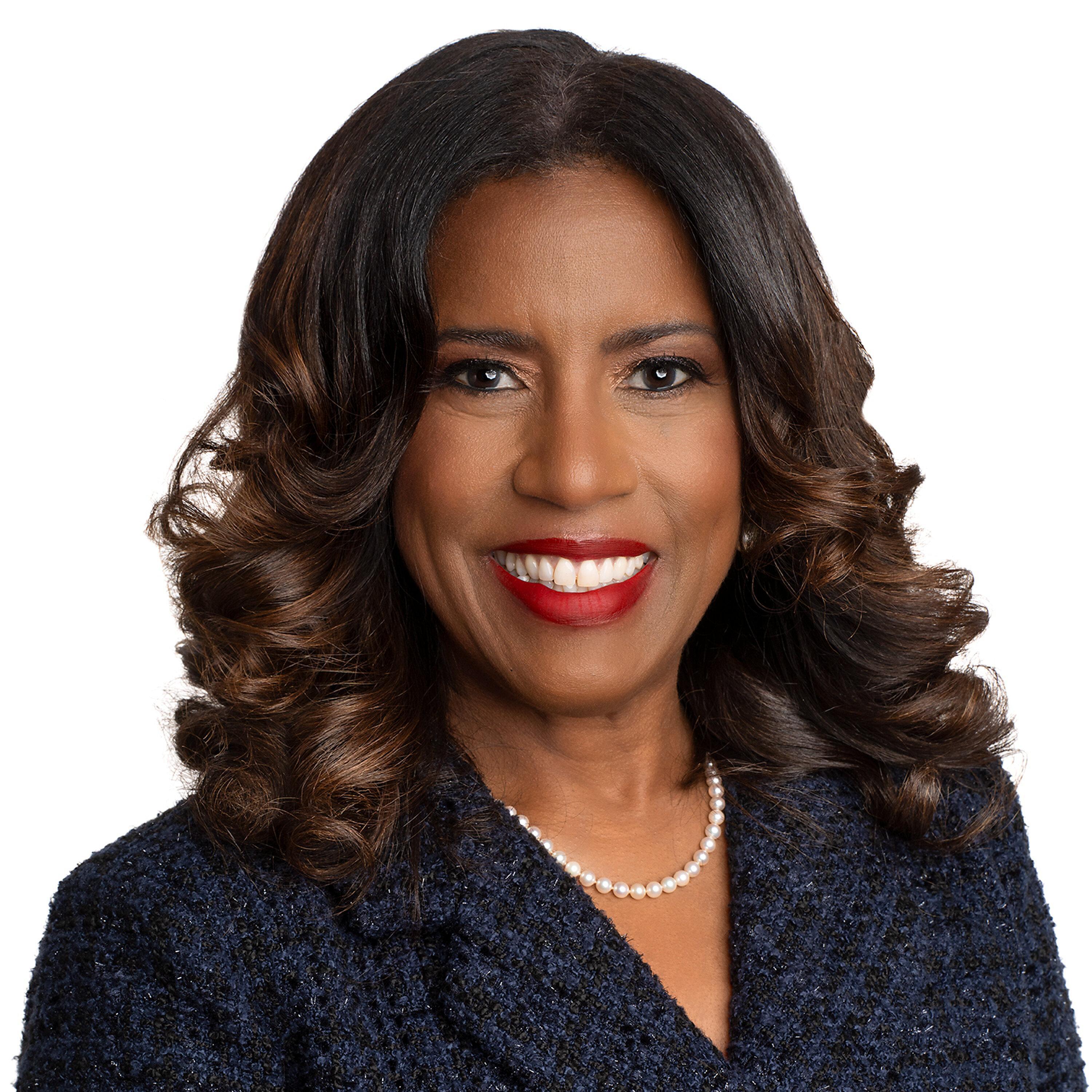
Donna Miller: WCPT 820 Candidate Interview
Get every episode summarized
Each time Chew's Views with Richard Chew (Featured Interviews) publishes, we email you a written briefing from the transcript — the topics, who appeared, and any specific claims, with the ad reads skipped.
Email me new episodesFree for 3 shows. No card needed.
About this episode
“Richard Jew, weekday mornings at 6 on WCPT 820. Our next guest is hopefully gonna be one of those voices who says when I get to Washington, I'm gonna make sure that I'm holding folks to account.”From the transcript
Richard Chew is joined by Cook County Board Commissioner Donna Miller, candidate for Congress in the 2nd District of Illinois.
Miller outlined her congressional priorities, emphasizing expanded health care, affordability, evidence-based policymaking, and voter engagement.
Here are a few key points from the conversation:
- Miller supports expanding Affordable Care Act access and coverage for dental, vision, and hearing care, while addressing health care disparities and shortages of doctors and nurses.
- She wants Congress to address affordability pressures affecting seniors, families, farmers, and underserved communities.
- She supports a moratorium on new data centers until experts assess their effects on farmland, zoning, communities, and state resources. "I always say I believe in data, I believe in research, and there are experts who are on the cusp of defining what this new frontier will look like," Miller told WCPT. "And I do think it's in our best interest to wait and see what is in our best interest -- not just for the state of Illinois, but for the entire country. But if Illinois can lead the way on what that looks like, I'm proud to be part of that."
- Miller emphasized negotiation, expert input, and sustained outreach to increase voter participation.
Catch "Chew's Views with Richard Chew” weekdays from 6:00 to 8:00 a.m. Central on WCPT (heartlandsignal.com/programs/chews-views).
Follow us:
Website: https://heartlandsignal.com
WCPT Facebook: https://www.facebook.com/WCPT820
Heartland Signal Facebook: https://www.facebook.com/HeartlandSignal
Tiktok: https://www.tiktok.com/@heartlandsignal
Heartland Signal X: https://x.com/HeartlandSignal
WCPT 820 X: https://x.com/WCPT820
Instagram: https://www.instagram.com/heartlandsignal
Threads: threads.com/@heartlandsignal
YouTube: https://www.youtube.com/@heartlandsignal
See omnystudio.com/listener for privacy information.
Get every episode summarized
Each time Chew's Views with Richard Chew (Featured Interviews) publishes, we email you a written briefing from the transcript — the topics, who appeared, and any specific claims, with the ad reads skipped.
Email me new episodesFree for 3 shows. No card needed.
Hosts & guests
Transcript ready
600 searchable segments. Every word is indexed and playable.
Full transcript
Chew's Views with Richard Chew (Featured Interviews) — Donna Miller: WCPT 820 Candidate Interview. Machine-transcribed; use the interactive transcript above to jump the player to any line.
Richard Jew, weekday mornings at 6 on WCPT 820. Our next guest is hopefully gonna be one of those voices who says when I get to Washington, I'm gonna make sure that I'm holding folks to account. She traveled across the district, speaking to voters about their concerns about health care, about affordability and making sure that that part of her platform resonated. What am I talking about? Donna Miller, one of our Cook County commissioners. Good morning, Madam Miller, and welcome back to Choose Views. Good morning. It's so great to be back on with you. Thanks for having me. Absolutely. I can feel that big smile just resonating. That Maddie B here in the studio, he's like, wow. That's a big smile that I can feel over the radio. That's a good, good, good, yes. Well, it's probably the pleasure to be with you. That's why. Thank you so much. So, all right, let's just get to it. You are running for our second congressional district. You're the nominee, and we should win this seat.
And once we win this seat, what's gonna be your platform? I mean, I'm unapologetic about saying, Commissioner Miller, we've got to walk into Washington now, and the state houses as well that we win. And knock some tables over, because I think Americans wanna hear, wanna see Democrats walk in and say we're gonna get stuff done. Talk to us about that. Exactly. Well, and that's exactly what I've been saying throughout the entire campaign. I've been not someone who's shy to do work. I'm ready to come to Washington and be on the 120th Congress, and ready to do work. I've been in and out of DC ever since the primary, talking to Democratic leadership, talking to new nominees, just like myself, and we are fired up. We are ready to work. It's gonna be a lot of hard work. Long days, I was just talking to my other former future colleague from Illinois, Melissa Beam yesterday. She's like, you know, we're gonna be in session a lot. And I'm like, I'm here for it. That's why I wanna be here.
I wanna be here to be in session a lot. I wanna get things done, because people are tired of hearing about how ineffective Congress is. But it's fortunately their hands have been tied. And so I'll be glad to be part of the new Congress, the 120th Congress, and I love that nice round number too, right? 120th. So that we can go in and just say, we came in and got to work and do things to help people. I wanna focus on expanding healthcare. We can't just put it back to what it was. We have to expand healthcare. People are living longer. A great majority of my district happens to be the senior population. So we wanna make sure that they have what they need to have a fruitful life. And they're senior years, and they can't do that if their healthcare is that question. And they're trying to decide, should I take medication, because I can't afford it, or I'm rationing it out. And I wanna see an expansion of coverage that includes dental care, visiting care, hearing care, all beings that affect a senior population,
and make them have more comfortable life. But we, you know, all these things about affordability are just plaguing people right now. And it's sad to hear comments from people, as I travel the district, on what they're rationing out the pay for. Talk to us about the, you know, Congressman Robin Kelly has spoken about this on a number of occasions, about the breadth and the diversity, both in people and in geography of the districts. Share with us a little bit about that, because it is a big district, and it doesn't come to us. Really kind of a subset of America in many ways. Talk a little bit about that. It really does, and I think that's great. And I will, I'll start saying that, you know, I'll claim to have a very diverse district that might be unlike many of my future colleagues as well. And even Congresswoman Kelly made a point of distinction that I have coined as well. It's suburban, urban, and rural. And what that means is, we have the suburban piece, which is the majority of the district.
We have the urban piece, where we have high rises, and city of Chicago. And then the rural part, which is farmland, there's 4,400 farms in this district. And the common theme throughout the entire district, though, is that people cannot afford things. People want to have a legacy, which is something that I heard. I've been down talking to many of the farmers and the farm bureaus in the urban part, I mean, the rural part of the district. And many of these are legacy farmers. Three, four, five generation of farmers that have had a quality of life that is changing right now. Gain being in a way that they hadn't seen, and changing in a way they hadn't seen in such a short period of time. So that is the breadth of this district. But the commonality is families that people care about their families. They want to see their children grow up healthy. Seniors want to be taken care of. People want to be able to afford a quality of life, where they can get a house by groceries. Farmers are really feeling the pinch on gasoline prices
for diesel gas and all the things that affect the way of farming for those communities. And that's going to affect small towns and the majority of our country. This is one of the things that comes to mind for me when we look at the breadth of the district and how the people who are impacted the most and are going to, but at the same time, are going to be the ones that can see some of the greatest benefit because their lives have been uprooted in many cases. The farming communities, obviously, that's clear. But the one thing that keeps popping up, and I know you're encountering this, and I want to get what your take is, is how are some of those communities, not how Commissioner, but what are they saying to you about the impact of data centers in their communities, or the possibility of data centers in their community? Right, the possibility is very real,
and they are obviously not in favor of that. And the data centers coming in and overtaking, especially farmland and land it in more underserved communities, it's kind of, it's not being looked at in a way that looks like moving something forward. It looks like they're coming in, and especially many of the companies that are coming to these communities are not from here, obviously. They are from outside of the community, they don't know the community, they've never taken time to even talk to people in the community. And I think that's the disconcerning part about all of that, that they don't know us, how dare they come to our community and try to say that we meet a data center. Yeah, I take that similarly to people who don't live in the city of Chicago, that complain about the city of Chicago, but I ask them, what do you live in the city of Chicago? Well, no, I don't. Well, then, you know, that understand
that there's a different matrix there. So the same thing, I apply that same thought process to people who are businesses that are trying to come into our rural communities and take over because there's vacant land. That vacant land doesn't necessarily mean it's going to be a good output for that broader community. So I just wanted to get your thought and your take on that. Are you not only, I just want to add one thing, again, it's not only vacant land, it's some land that they want to rezone for their purposes. Yeah, they want to say, you know, the community plans for this to be whatever the zoning, let's say it's just even residential. Now they say, you know what, you haven't really lived up to the promise of putting any residential. So we think it should be something else. We're going to come in your community and tell you what your economic development plans look like. Yeah, I love it. I love what the governor and you were part of this conversation in a small measure, but you were still part of it.
What Governor Pritzker is doing now in terms of this sort of, I can't think of the right word now, commission Miller, but basically saying, let's press, let's press the break right now when it comes to the authorizations for the data centers in Illinois. And I think that that's once again showing, not only his leadership, but that of some of our other state officials, and commissioners like yourself that are saying, now we need to slow this down a little bit, because we really need to make sure we're not wasting these precious resources. I'm sorry, go ahead. Yeah, well, I'm putting a moratorium on it until we learn. I think it's a great example of showing the kind of leadership that appreciates research, appreciates people who are experts convening and saying, this is what we want to do in here are the reasons why. Very much unlike what we see in the Trump administration, they just do whatever they want, and they own ask anybody, oh, is this a good idea? No, he's the expert on everything.
So at least our governor is going to go to the experts. And now I always say, I believe in data, I believe in research, and there are experts who are on the test of defining what this new frontier will look like. And I do think it's in our best interest, the way and see what is in our best interest. Not just for the state of Illinois, but for the entire country, but if Illinois can lead the way on what that looks like, I'm proud to be part of that. Yeah, me too. I mean, I think that we, there's an organization that you may be familiar with, it's called 314 Action. And what they really are focused on is getting more people who are with science background, with technology background, with medical background, to run for office because as we improve sort of the brain trust of people that are in offices, we hopefully will improve some of the outcomes that we're searching for in those spaces. Or maybe another way of putting it, subject matter experts, that know what the hell they're talking about,
it's just a language, but they know what the hell they're talking about. And they're willing to do the research and commission mill, they're open to somebody else having an idea that might be better than theirs. You know? Especially they can back it up. No, I'm really with 314 Action because I went after them and said, I think you should endorse me because I get it. There's qualifications for their endorsement, but I definitely support their issues and the fact that they want more scientists. Why not have people who are experts in office to shape our policy? It only makes sense. It only makes sense. It only makes sense. Let's take a quick break, Commissioner Miller. The number 777-363-9278. I'm Richard Chu. We're talking with Commissioner Donna Miller, who is a Democratic nominee for the second congressional district in Illinois. This is Chu's views and we'll be right back. All right, guys, welcome back to Chu's views. I'm Richard Chu.
And we're talking with Commissioner Donna Miller, who is the Democratic nominee for the second congressional district here in Illinois. Commissioner Miller, soon to be Congresswoman Miller. Get to change that up a little bit, but I'm excited to be able to have that conversation when it happens. You've really been very out front and unapologetic about reinstating Affordable Care Act tax credits to lower the cost of insurance and making some structural changes. And I don't want to put words in your mouth, but talk to us about where you stand on that and why that's so important, frankly, even to our broader economy. So improving on the Affordable Care Act is making sure that everyone has access. That I think most people do agree with that. I mean, I just, I can't imagine someone saying that someone should not be able to see a physician or go to a hospital. However, how we get there is what's been at issue.
And I do want to make sure that everyone has access to doctors and we see more and more that people are waiting longer and longer to even get appointments. We have a shortage of doctors and nurses in this country also, just and that's a whole nother conversation. But we need to make sure the access is there. We need to make sure that we're expanding access to, like I mentioned before, to include dental care, vision care, hearing, because these are other things that improve people's quality of life. And I have been a strong advocate throughout my professional career and my political career on focusing on healthcare disparities and what we can do to address those disparities that also, again, improve a broader sense of a broader quality of life for people might be in underserved communities but also might be in communities of color that we're just not focused on disease states that affect them. So I want to make sure that those are things that we're also accessing and looking into and putting funding towards.
You know, this administration has completely cut off any sort of research for women. Not just African American women, women, women period. So how is that possible when women are, let's just say for good measure, we're half the population. So we're just not going to research anything that has to be able with half the population. You know what cracks me up sometime about this, Commissioner Miller, is the, the, gender has no political party. How do I want, I'm hope I'm saying this in a way that people understand. If you don't want to spend time, money and resources on making sure that we are doing research to affect half the population, then you're affecting half the population by not serving them with the thing that they need, which is to sustain life. Because if half the population are women, I mean, and I know that sounds like a circular goofy way to putting it, but to me, it's as basic like why would we, why would anybody not want to be in a space where we're going to do research to make sure
that half the population is getting what they need to survive? Because otherwise, civilization can't maintain itself. I don't know, call me a goofy. Thank you. I think we just need to really sound the alarm on that. And you know, women should be outraged, which we are, but I mean enough, and that's why I think the numbers in this 120 of Congress are going to have the most number of women ever. I can't wait to see what that looks like, but that's going to change policy and direction just because the focus will be on, you know, you can't, sometimes you can't think of things if it doesn't affect you. So if 50% of the population is women, and then let's just say a good number of women are in Congress, we are going to make sure that there's policies that affect women, don't only make sense. I'm going to ask you this question. It's not meant to be a tough question, but it is one that you're going to have to deal with. You're obviously going to get pushed back from folks on the right. And we're talking about 50% of Congress being women. That's a great thing. But we know that some of the women in the Republican party
are not going to settle up with women in the Democratic party just because they're, who their backers are and who wants to drive their narrative. So we know that's going to happen. I'm concerned, and I'm, and I'm, I'm want to provide support to folks like you, Commissioner Miller. When you get that kind of, I don't know, lack of allyship from the left, from your own party, how are you going to deal with that? Because, you know, we know that that's part of the challenge. Talk to us a little bit there. Yeah, I do think that will be part of the challenge, but this is an opportunity to have open conversations. And right now it's divisive conversations. And, you know, I'm a consensus builder. I always have them, also a great negotiator. So I'm like, we're going to have hard conversations, and I'm willing to go in rooms where people are, let's say we're not in agreement, or we just walk out and agree to disagree, that's fine. But at least we've understood and heard what our issues are that we can have a point of reference. We can't say, you know, well, I never talked to them.
So I don't know what they think. We don't, I'm never going to have that conversation. But we're going to talk. We're going to have the issues. And I really want to get into the nitty gritty and say, if you, let's just use the women thing for, as an example, so that's an easy one. But if you think that we should continue to not fund NIH and the CDC for women, why? And have you done a poll in your area to ask women what they think about that, or is this some unilateral decision that you just made? And how can we move forward as a country with that sort of, you know, attitude in our back pocket on how we're going to run our government? So I think that we, I know for a fact that probably many of the tough questions have not been asked about the party itself or those who are at odds with each other. And that's just because our president has set up this adversarial attitude of how to deal with people. And that is really not what works. And that's why our government is not working right now.
It's not negotiation. People have failed. People, people have been fooling the thinking that the current administration, starting at the top with Donald Trump, are good negotiators. They're not. They think that it's a dictatorial, mandate-driven, executive order time. And they've made it that. And then of course, if trickle-down has worked on like the Reagan years, if it's worked, it's that other Republicans seem to think and feel that same way. And some of the social discourse with people seems to be a, I'm going to tell you what to do and how you should do it. Be darn what you think about it. And I agree with you. You said it. I love seeing that you commissioned a mill from Chicago. What did she say earlier? I'm a good negotiator. She didn't say, I'm a kind of good negotiator. No, I'm a good negotiator. That's how we want to see. Our folks roll in and saying, we know what we're doing. We're going to listen. But these are the things over here that are better for all of our society.
Not just my district, not just my little cavi over here. But these are better for all parts of our country. And I'm so appreciative of you not being shy about saying that you know that you're good at this and that you're going to go in there with the intent of listening. But at the same time, we've got to get some stuff done. Yes, well, thanks for that. And I also know how to bring experts to the table. I know how to find them. I know that they exist. Which helps your negotiation, by the way. Which it does. It does. So it's not going to be like, oh, I just think this. No, I backed it up. These up. And so it's sort of like, you know, how they say kids always get their way because they just stop asking. So that's how we have to be relentless. We have to be relentless. And I also like the whole idea around the team of people that you will want to bring to the argument. Because it's hard to deny. When you've got, you make a position on something. It could be climate. And I know you are a big driver of a better climate
and climate resilience. Given some of the things that we've had happen here in Illinois in the Southland. But being able to tap into that ability and skill set that you have and take that to Washington, it's so needed right now. I'm going to pivot back to something real quickly. Because I know we're running short on time. And let's have you back on again before we get to election day. And that's the thing I want to try to wrap up on. And you could take as much time as you need. We got three minutes to talk about voting. Talk about mail-in ballots. And talk about how you are doing everything you can to make sure people are inspired and ready to vote. Yeah. Well, I mean, first of all, it comes from being out in the community, which is something I love to do. I've been doing that for over my whole political career even before. We have to talk to people. We have to get them to see you, feel you, and understand what you want to represent. But listen to them. I talked to a young man last week who was 34 years old. First, I thought he was a lot younger. But I'm like, you're 34.
You're not that young. But what do you mean you don't vote? He's like, yeah, I'm just not into all that. I'm like, how can I sit there and talk to him for 20 minutes? Because I said, you cannot say you're not into all this. It affects your everyday life. And I think that people who have that attitude, I said, don't let government happen to you. You have to be part of it. Can't be part of it if you're not voting. So these are the kind of conversations we have to have. We have to call people. We have to talk to people. People who live, a lot of my friends have grown children who live at home. And they're like, oh, I can't make them do anything. Make them. What do you mean you can't make them? Yes, you can make them. So, and these are the kind of conversations we have to have every single day, everywhere we go. Everywhere I go, I ask people, are you voting? And this is what we, every person I want to say. If that's a call to action, don't be afraid. Do you get in your hair cut and ask your barber? Are you voting? Do you go in a panera? Ask the cashier.
Are you voting? It needs to be a common conversation. And that was what's going to uplift us all to make sure that we're not afraid to ask people are they voting and give them a reason to want to vote and show them that this is what we have to work for our own democracy. Wow. See, this is why, I mean, I'm blessed today to be able to talk to you about this. But this is why we have to have folks in leadership who are willing to say it without apology. And if they step on some toes along the way, maybe we apologize for that, but not for saying the thing that needs to be said, are you registered to vote? You're not, OK, here's where you can go to get registered to vote. And if you are registered to vote, how many other people have you helped to get registered to vote? And if you've done that, then how many people have they helped? So if you've helped five, how the five that you've helped help up five more people? Because that's the conversations that we have to have. That's how we win. It's to keep reaching and I love what you said earlier about kids. The reason that kids get what they want is because they keep asking.
They keep asking. They keep asking. Why is the most powerful word in the child's and the child's vocabulary? Why? Or why not, depending on what it is? Exactly. And so, you know, like just like that 34-year-old guy was talking about, well, after he told me, Kanye West was a prophet, I was like, OK, let me not. OK, we might not agree on certain things. OK, did you know what? Why don't you just go vote for me then? Seriously. And he said he would. I said, that's how it starts. I said, and then you'll see other people on the ballot that you'll say, OK, I should vote for them as well. And he said he would. And I said, and I want you to call me after you go vote. Because he said he would call me too. So, you know, this is how we got to dig in with people, lean in with them. I didn't want to just tell about, I can't talk to you because you said you're not voting. I want to talk to you because you said you're not voting. And I also know that the DNC did a little study. OK, we're going to get some research and get some data where they went and talked to voters across the country.
Thousands of them, I can't remember the exact number. And ask them why they didn't vote before and are they going to vote now and the overwhelming response was, yes, they are going to vote now. The work is being done all across the country. I think that that's going to help. And I think we'll see hopefully a surge of people who were not engaged before we reengaged. And I said Commissioner Miller that the, let's not worry about flipping people from the other side if they come to vote for our ideas great. But the real math is that 89 million people that didn't vote in the last general election. We tap into that. That's when we really have moved the needle. So I'm so proud of what you're doing. And you know I'm a big supporter of you as it has, having been a, you've having been a Cook County Board Commissioner. But now are soon to be Congress person from the second district of Illinois. Donna Miller, y'all check her out. You know how to find her. She's out there easy to find. Thanks for being with us. Let's have you back again before the election. Is that doable? It's totally doable.
We're going to set that up right now. Thank you. All right. Good to hear your voice. I'm glad you're well. Stay safe. And we'll talk to you soon. Thank you. All right. You're welcome. Good to meet you. You too. Bye bye now.
More episodes
More from Chew's Views with Richard Chew (Featured Interviews)

Michigan Dems Chair Curtis Hertel: WCPT 820 Interview
Chew's Views with Richard Chew (Featured Interviews)

Dr. Theresa Brooks: WCPT 820 Candidate Interview
Chew's Views with Richard Chew (Featured Interviews)

Donna Miller, La Shawn Ford and Patty Garcia: WCPT 820 Candidate Interview
Chew's Views with Richard Chew (Featured Interviews)

Former EAC Chair Thomas Hicks: WCPT 820 Interview
Chew's Views with Richard Chew (Featured Interviews)