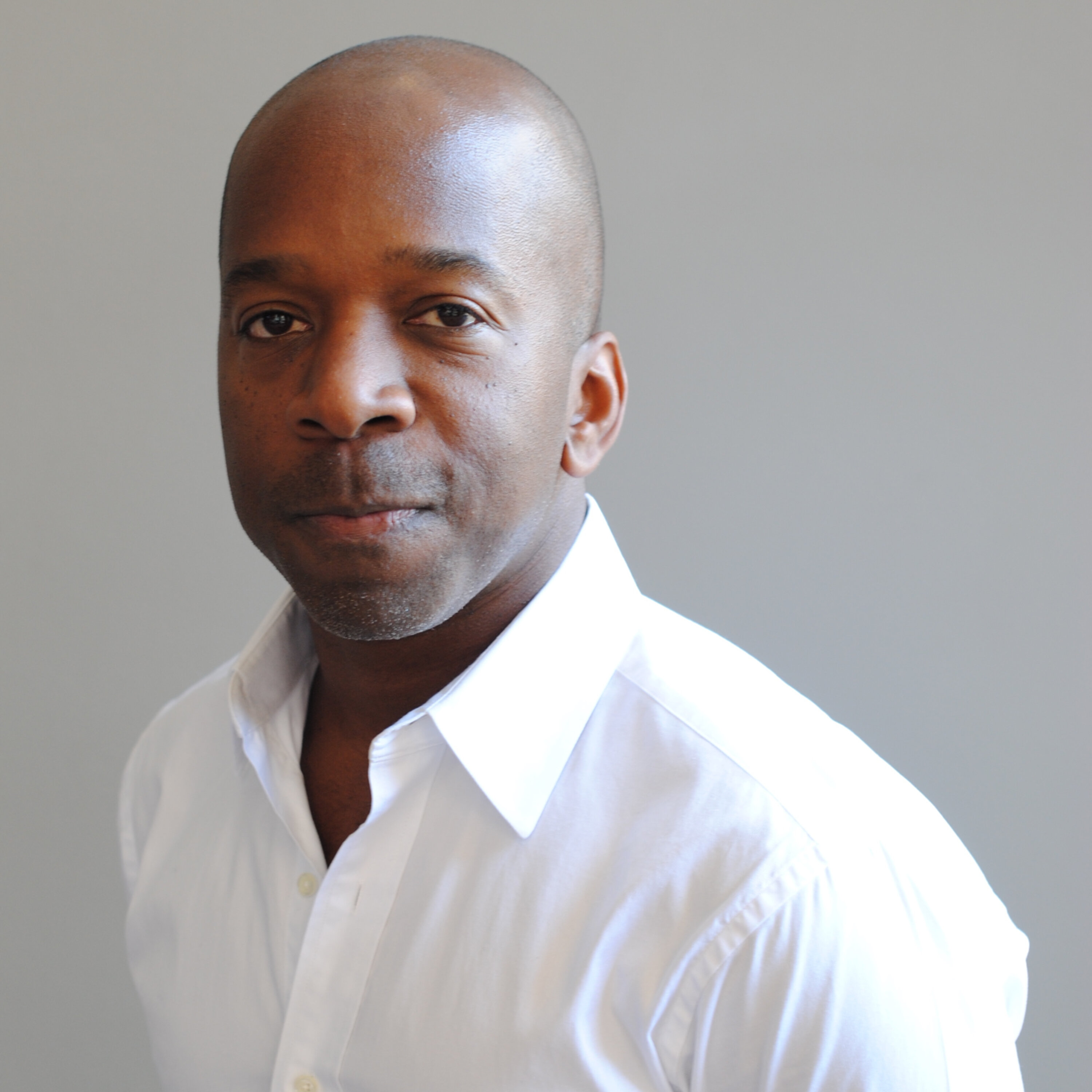
Prof. Mike Bennett: WCPT 820 Interview
Get every episode summarized
Each time Chew's Views with Richard Chew (Featured Interviews) publishes, we email you a written briefing from the transcript — the topics, who appeared, and any specific claims, with the ad reads skipped.
Email me new episodesFree for 3 shows. No card needed.
About this episode
“The bully can come from a lot of different directions. Someone that like I said that decided to confront me at the Cubs game the other night it can come from you know a person that's politically trying to bully you.”From the transcript
Richard Chew is joined by Mike Bennett, associate vice chancellor for Data Science and Artificial Intelligence Strategy at UIC, and affiliate faculty member in the UIC School of Law.
The discussion focused on how communities and governments can govern AI and data centers through education, practical safeguards, and informed leadership.
Here are a few key points from the conversation:
- AI and data centers are difficult for the public and elected officials to understand because they are technically complex and often invisible.
- Lack of understanding can contribute to ineffective governance, especially when leaders cannot assess the technology they regulate.
- Effective guardrails should address safety, privacy, transparency, notification, explanation, and algorithmic discrimination.
- Illinois was presented as a national leader with its passage of Senate Bill 315 (the Artificial Intelligence Safety Measures Act), which requires independent experts to assess frontier AI systems, and House Bill 3773, which addresses AI in employment.
Catch "Chew's Views with Richard Chew” weekdays from 6:00 to 8:00 a.m. Central on WCPT (heartlandsignal.com/programs/chews-views).
Follow us:
Website: https://heartlandsignal.com
WCPT Facebook: https://www.facebook.com/WCPT820
Heartland Signal Facebook: https://www.facebook.com/HeartlandSignal
Tiktok: https://www.tiktok.com/@heartlandsignal
Heartland Signal X: https://x.com/HeartlandSignal
WCPT 820 X: https://x.com/WCPT820
Instagram: https://www.instagram.com/heartlandsignal
Threads: threads.com/@heartlandsignal
YouTube: https://www.youtube.com/@heartlandsignal
See omnystudio.com/listener for privacy information.
Get every episode summarized
Each time Chew's Views with Richard Chew (Featured Interviews) publishes, we email you a written briefing from the transcript — the topics, who appeared, and any specific claims, with the ad reads skipped.
Email me new episodesFree for 3 shows. No card needed.
Hosts & guests
Transcript ready
259 searchable segments. Every word is indexed and playable.
Full transcript
Chew's Views with Richard Chew (Featured Interviews) — Prof. Mike Bennett: WCPT 820 Interview. Machine-transcribed; use the interactive transcript above to jump the player to any line.
All right guys welcome back to choose views if you're just tuning in I'm Richard Choo and yes I did give you permission to stand up to the bully. The bully can come from a lot of different directions. Someone that like I said that decided to confront me at the Cubs game the other night it can come from you know a person that's politically trying to bully you. It can also come from industries that are trying to tell individuals citizens governments how they should operate and how they should perform and what they should look like and what they should yield and give them and with us this morning our first guest is associate vice chancellor for data science and artificial intelligence strategy at University of Illinois Chicago and affiliate faculty member at the University of Illinois Chicago that would be chancellor Mike Bennett Good morning Mr. Bennett welcome to choose views. Good morning good morning Richard it's great to hear your voice again. You too thank you thank you thank you
you know listen I was talking about the bully and I had an interesting little encounter at the Cubs game the other night and you know I stood up to the bully and it was it was verbal it wasn't it didn't get anything beyond that but I let him know you can't you know mind your mind your peace and cues and you know for what we went I merged that to what you have been keeping your eye on and one of the things that I saw that that you would comment it on recently is why it's important and in your space with regard to AI that we push we we gather data we gather information we pay attention and we stand up to these companies these organizations that are just saying hey there's some vacant land over there we want that vacant land to drop our data center on now I know I'm tying together a few thoughts here but tell us tell us a little bit about what you've been observing these last few weeks since we talked last and and sort of how you look at standing up to the bully in this data center conversation that
we're having right now sure sure I'm sorry to hear that that happened to you but it sounds like you took care of business so I you know I applaud you these you know bullies evergreen right I mean always coming from one direction or another and coming in so many different flavors as well and so I imagine that many of our listeners have a ton of their own experiences that are reflecting on right now but you know in the context of of industry I think you know it cuts in many directions right thing right now industry is enabling the actually the fruits of industry is those fruits are enabling what we're up to at this this very moment the technologies that we use are intimately connected to powerful forms of industry but at the same time we know what what's at the base of a lot of corporate strategy right I mean they have an obligation to increase shareholders value right if they're a public trade-ac company as many of
them are and that's that's first and foremost in their logics and so when that imperative isn't conflict with the needs of individuals and society then we then we have a problem that can definitely feel like bullying and that's the main reason I am I wind up going around saying all the time that we have to be deeply educated right we need to be very aware of what's happening in our communities as well as being there clear on what our goals are individually and in society you know one of the things Chancellor that I that I think about when it comes to the data center conversation is there's a there's a there's a component about of this where the lack of knowledge and I don't mean ignorance because that that sounds more of an offensive word but the lack of knowledge from everyday folks about data centers you know what's going on actually inside
of the data center what are they actually doing and I think that there's sort of this you know and you've used this word this sort of mystification like what is it what is what you know I mean and so people by not knowing or for folks not being informed and I'm not putting this on the consumer or the or every day folk I'm just saying broadly speaking by not knowing what's happening like for example here's a comparison on me we know what goes on in an auto manufacturing plant because we see that we see the you know you see what I'm trying to do is yeah we see what's going on they're they're kicking out cars all right we love it whatever the that factory line we know what's going on that other the the the the unknown about data centers I think it's also part of what we're folks with challenge with them am I off the rails on this one or or or do you have some some thoughts and observations there I think you're right on point you know I'm on the same page with you there mystification is is perfect
way from from my perspective to describe it too and it hits on multiple fronts like you said this is not like building cars AI data centers these are these are not the equivalent you can't see AI rolling down the street you know jump in it in the morning and right out with it it's like other forms of software right it's it's in the cloud it's in embedded in computers and it's in that form it's very difficult for a lot of everyday people at my experience at least when they talk to me about it it's very difficult for I'm willing to get grip on it I'm an addition to being invisible and often the cloud it's also a function of super complicated forms of mathematics there's a lecture engineering down in there and of course computer science and you know how people feel about those places and so it's it's hard you know it's there a lot of bears around it and so for for individuals and communities that those are
hurdles that need to be overcome but it's also difficult for our leaders for those people that have been elected to protect to protect our communities and so individuals who have that responsibility not only do they need to be incredible states crafters right folks able to to recover wisely they also need to understand the technology and if they're mystified Azora they're going to to misgovernment right if they don't understand what they're tasked with addressing in society how could they possibly govern a defective place yeah that thank you for saying that because what it brings to mind is there's an organization that you probably would really dig talking to or we're following it's called 314 action and the woman that is the co the co-founder of the organization her name is Shauna Seed Nautin we've had her on my show a number of times why is she relevant to what you and I'm talking about she's been behind
finding folks and and electing people to political office up and down the tickets in all states and on a federal level that understand science that understand technology that understand medicine because she feels and she's right and many people they mean they've got a number of people that they've gotten elected and certainly they've run that the more we have people that are subject matter experts in these three areas and others of course the better we are going to be a governing in those spaces and so when you talk about the mystification leads to misgovernance it's so spot on because they 314 action talk about the same thing which is we have a lot of people who are trying to govern on data centers and AI but they don't know they don't understand it they don't really they hear like the rest of us the the the the concerns but they don't really know how to necessarily lead in that space and that's again that's not a finger pointing or a thing of ignorance it's just we have to figure out a way as a society to do a better job right now I believe in this
moment to better educate all of us on what AI really is what it does what it can't do and then how data centers tie into that as it relates to resources what are your thoughts there I once again could hardly agree more you know in an ideal world among our elected leaders would be a larger number of them with either direct experience and these domains right the so-called harder sciences engineering medicine etc and these individuals would will be bringing to bear those those trainings those backgrounds maybe they would be entrepreneurs in the space even at a minimum no and I'm not saying that this is a poor second-place solution but maybe a supplementary one at a minimum we would have a situation in which our leaders would be wise and
understand that if they don't have that kind of background that they need to surround themselves with individuals that do and then increasingly we're seeing that in our in our city in our state as well and in other places that are being thoughtful about this yeah we've we I think are doing a pretty good job here in Illinois and as you said always looking to do better and getting and get stronger but I think we're doing a pretty good job the governor is a state legislature legislator legislator is our the mayor even even even the elders in city council are trying to find ways to make sure that we are are doing better in that space um let's um let's take a little bit of a break we'll take a little bit of an early break by a couple minutes because I want to spend a little bit more time talking about governance and how minutes of palaties can do a different and better job in that space the number is seven seven three seven six three nine two seven eight I'm Richard Chu and we are talking with associate vice chancellor of data science and artificial
intelligent at intelligence at the university of Illinois Chicago Michael Bennett will be right back all right guys welcome back to Chu's views thanks for being with us this morning we're talking with Michael Bennett who is the associate vice chancellor for data science and artificial intelligence at the University of Chicago as I said earlier uh professor it's it's the advice chancellor it's the uIC day because later in the show we'll be talking with uh one of your cross-campus colleagues uh professor Kevin Schultz um and so uh from the history department so looking forward to chatting with him in a little bit yeah I know it's a uIC day um so practical is is a word that comes to mind but also um something that you talk about in terms of I'm going to put it in my terminology getting too excited about the thing but not understanding the thing at a level that that um may end up causing us some issues and and what I mean by that is you phrase it as separate separate the probable from the possible talk talk to us about that walk
us through what what you mean in in that in that space well when I am when I say that you know I'm really responding directly to to recent events so a few weekends ago uh to uh to why to claim and um uh why to attention as well we had a uh a young person resigned from anthropic after having worked at open AI by the way too far for some time our coxen is his last name and upon resignation he um you know very loudly very clearland social media said that in his opinion those two companies were not equipped to effectively govern the technologies that they were creating releasing and um by implication that um you know governments needed to really jump on board immediately because this was not um some kind of garden variety threat but that then again in his opinion these technologies were so powerful and were we have to be effectively governed to such an
extent that they could actually kill people and not just a few but potentially most or even all humans right like an extreme and extraordinary claim uh this uh this announcement of his uh took up most of the oxygen in the discussion space and in the political space around this we saw leaders around the world elected officials corporations responding to this um to this this view this perspective and i didn't want to and i don't dismiss it out of hand but it it comes across to me and others um who have been following this space for some time and trying to intervene politically in terms of policy and regulation that stress is being hyperbolic you know it kind of hysterical even and this yeah it touches the ground um in in the sense that uh that's the uh that's a speculative and we've got actual things that are happening on the ground right now that need to be addressed
yeah so some of the big uh big names in the space from gates to you know others at this past a couple of weeks have said have said their versions or stated their versions of slowing this train down um not so much to the point that you were talking about in terms of the speculative risk of human annihilation if you will but slowing things down to learn and going back to what we talked about before about um not knowing can lead to misgovernance so do you think that i shouldn't ask question this way what are your thoughts about this whole concept of slowing it down what is it what what do you think it will do for the conversations around AI and data centers is it gonna give us more access to information will it provide us with time to learn better uh will it give people who are afraid of it turns to be less afraid of all the above how do you see that i think an impregnable slowing down uh sounds good and it can make sense in certain contexts
but certainly very interested in seeing the the rollout of the most advanced forms of the technology slow down and uh in terms of uh you know being accessed by the public at large right for example these very powerful technologies of the frontier companies are experimenting with now until they have a sense of the upper limit capacity of them i think it's wise to slow down their release to the public i want to compare that though to um a more complicated situation which i think can describe very quickly so this um this set of discussions around slowing down too often it's um it's perocchio right it's contained within a strictly domestic sense when in fact this is a discussion that is global and more importantly it's geopolitical right it's the technology is so powerful and so dangerous that we need to to slow it down to protect ourselves in a planetary sense i.e. protect all humans then you need this discussion to be happening
between the major players uh the u.s china, japan, the e.u and right now based on everything that we're seeing especially this week with um all they activated the urine and president's use excuse me president's use visit to the white house there's no indication that there's that kind of conversation going on so and that sense slowing down sounds plausible and it sounds good but i wonder i wonder about how realistic it is well i think particularly this is this goes back to the the the statement of governance or the the word of governance because in this space um i don't think we have the right people in the right positions to play their part um certainly on a federal government government level um and certainly and i say that when i what i'm talking about the white house and i'm not being partisan i'm just looking at the people who are on the team the people that are on the team right now in the administration and the cabinet um and even some members of congress um don't seem to have
the skill set or the desire or even frankly the curiosity to be able to say we've got to draw some lines to make this right because what the definition of better is right now is i don't think anybody really knows what better is but maybe right for as many people as possible is the direction we should be headed but i don't get a sense that the the leadership on a national level really gets that what are your thoughts i feel that the loudest voices on the the domestic national scale uh that that kind of lined up in the way that you described too often i hear comments from that that register of government that uh that don't seem very clued in but there are people um at that level and certainly at the state and the municipal levels that understand that even though this even though this domain is extremely complicated in those ways that we were already pointed to in this conversation that they're they're small numbers literally a handful of principles that could
really help us arrive at affected guardrails and government structures you know to that end i want to throw this in as well it does it does it seem that that's happening more with the local officials because they are local and they are dealing with you know that the thing that's mostly immediately taking up space and time and energy and that's you know the data centers are coming into local communities um and so it's forcing in many cases state and local officials to um falak about a word step up their game let's talk about that in the context of illinois and what you see illinois having done and some of the legislation and and regulation that that uh this taking place here in our state but also how that is kind of becoming a little bit of a model for some of the other states yes so and this is this is so crucial so you know look this is where the rubber meets the road that the local areas the local domains the local register of government
this is where tax policy really hits the ground for individuals families and businesses this is where zoning is controlled this is where education policy takes place as well and i'm happy to to say they're here and illinois seems that we really do have a good grip on you know governing principles here how do we make these things safe and effective how do we protect uh citizens privacy how do we make sure that we are able to transparently see what what's happening with artificial intelligence um important the kind of we protect against uh discrimination algorithmic discrimination and then notification and explanation right we need to understand when the technology is being applied and we need to be able to rely upon explanations of how as well these uh principles that i think are are governing a lot of the the activities of our our local and on state level regulators and you you've also commented on um some of the state efforts in terms of
the power act and i think it's um oh goodness i get the numbers on sp3 15 is that right that's right that's right what what what are the impacts of what what is the impact of those two um you know state level efforts so sp3 15 it really checks off um in an aggressive way in a singular way even compared to other states that safety and efficacy of the system some principles that was mentioned me that is a um a premier law and comparison to be the other states and and the u.s. that would that would claim to be leading in a.i. regulation than than u.s. california calorado um Illinois is the only state that has a a safe and a.i. safety law that requires that third party experts assess the capacities of frontier systems as opposed to the companies that that make them make those
systems themselves so i'm doing that kind of assessment it's a it's a very powerful statement and i think it's uh it's a guiding light um in the country um you know we we've also got um another law that uh the super important that wasn't that on your short list list which is um which is focused on a i's application in the context of employment at hb 3773 also uh pretty singular across the united states and the punchline is that uh Illinois is helping to lead the way effectively modeling what effective a.i. regulations should look like yeah and and it's it i have this big smile on my face uh chancellor because it makes me proud to be an ill-in-lawian a chicago and a cook county and whatever we want to call ourselves because we are once again leading in an area that is going to is impacting the entire country when we go back and look at you know how we stepped up when it came to ice coming to Illinois and how we stepped up when it comes to this other behemoth i.e uh data centers and and and AI and its application
you know our people here are stepping up and it's and it's interesting because you're at a kind of interesting intersection of hard science uh public policy technological ethics and law and so you you've said in a very unique um kind of you know corner of the room to be able to see a lot and be one of the voices that's having um having a say in how things can implement and talk a little bit as we wrap up today about what that means to you we've been talking about this maybe from 10,000 feet but what does that mean to you as a citizen and but a person that does sit at that intersection of three or four different areas in this space oh i'm i'm really thankful to be in this position you know i'm happy uh to have a wonderful chancellor running uic um who understands the importance of the moment thankful to be like like all of us here in Chicago i'm working with an aspirational mayor and certainly in the state uh governor pritzker has been making some of our powerful moves just announced an AI commission uh just this week actually uh that'll be an
effect it sounds like before the year is out so i want to applaud all of those leaders and you personally uh it feels like like a great moment i feel like i probably have the greatest opportunity of my life to really contribute to effective effective modification of the way that we embrace and control these powerful technologies yeah and you know it's also very cool about it is we talked a little bit more about the educational piece but also the implication the kitchen table implications and people feeling like this is not something that's going to necessarily wreck their lives but finding ways to enhance our lives and i think it only comes when we have folks who are in these unique intersections like you are that can help an education but also to help um kind of calm the waters if you will by providing knowledge and providing ways for people to be more plugged in are there uh places that people can go to not so much follow you but maybe follow you but also
follow the work that you were doing and and and be able to to plug into some of the the conversations that you're having to help better understand what's going on oh definitely definitely i'm doing my best to make the rounds media and the city and the state and nationally i will be in Australia soon talking to some officials and the media about this and then for folks that are here in Chicago and then there will be no specific way if you just move my name and or uIC and or artificial intelligence you'll come across uh a ton of media material as well as a ton of educational opportunities that are open to everyone that's fantastic he is the associate vice chancellor for data science and artificial intelligence strategy at the university of Illinois at Chicago and affiliate faculty member of the uIC school of law and that would just say simply meady b is a pretty smart bright dude with a lot of common sense thank you so much if i chance to live for being with us this morning on choose views always the pleasure of talking my brother take a dc
youtube stay safe we'll talk to you soon bye bye
More episodes
More from Chew's Views with Richard Chew (Featured Interviews)

Michigan Dems Chair Curtis Hertel: WCPT 820 Interview
Chew's Views with Richard Chew (Featured Interviews)

Dr. Theresa Brooks: WCPT 820 Candidate Interview
Chew's Views with Richard Chew (Featured Interviews)

Donna Miller, La Shawn Ford and Patty Garcia: WCPT 820 Candidate Interview
Chew's Views with Richard Chew (Featured Interviews)

Former EAC Chair Thomas Hicks: WCPT 820 Interview
Chew's Views with Richard Chew (Featured Interviews)